A new study has found that in most songbird species, males tend to live longer than females, especially among migratory species. Researchers link these differences to physical exertion and social dominance.
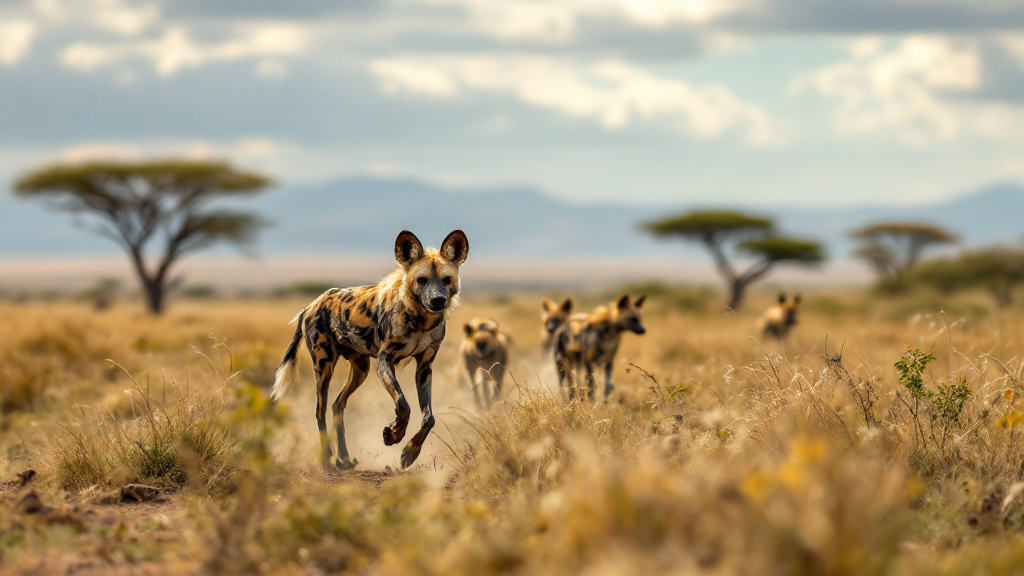
Young male African wild dogs traveled over 4,000 kilometers in nine months, setting a new record among African mammals. This discovery is important for understanding migration patterns and for the conservation of this rare species.
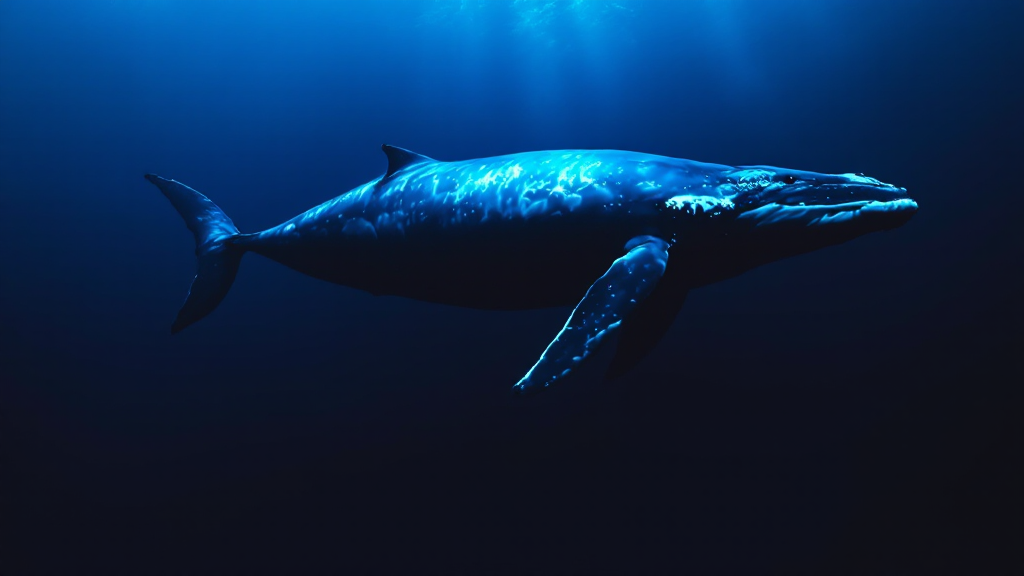
Due to warming and the reduction of ice cover, large groups of baleen whales have begun to migrate en masse to the coast of East Greenland, where they now spend the summer and consume up to a million tons of fish and krill. The study notes that these changes are creating new food chains and transforming the Arctic ecosystem.
A recent study found that simply living by the sea does not reduce the risk of chronic diseases. The key factors for health are the social and economic conditions in coastal areas.
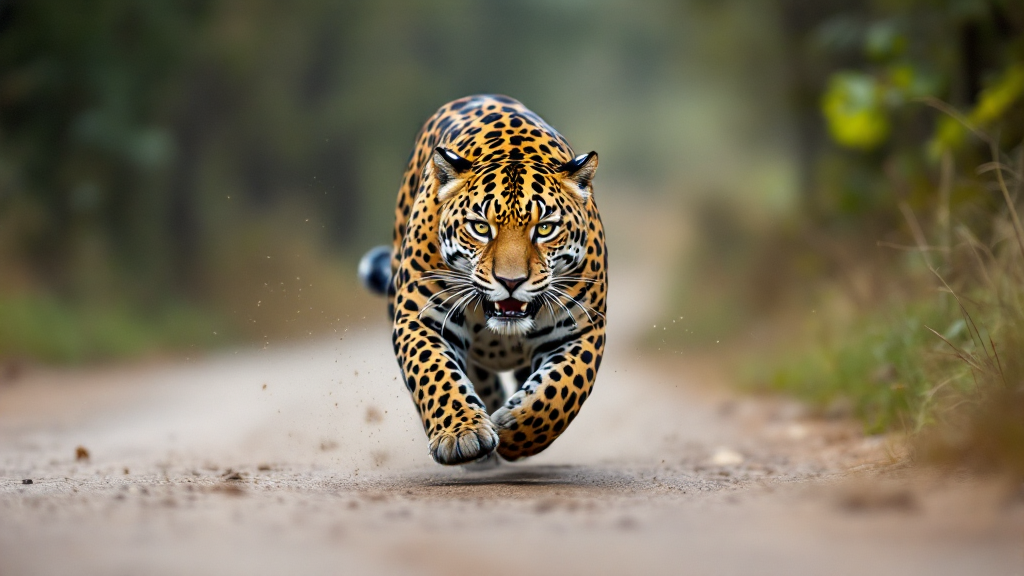
An adult jaguar has traveled more than 2,000 kilometers across the southern Amazon, setting a new record for its species and surprising scientists with its unusual route. This discovery changes our understanding of what big cats are capable of and highlights the importance of natural corridors for their survival.
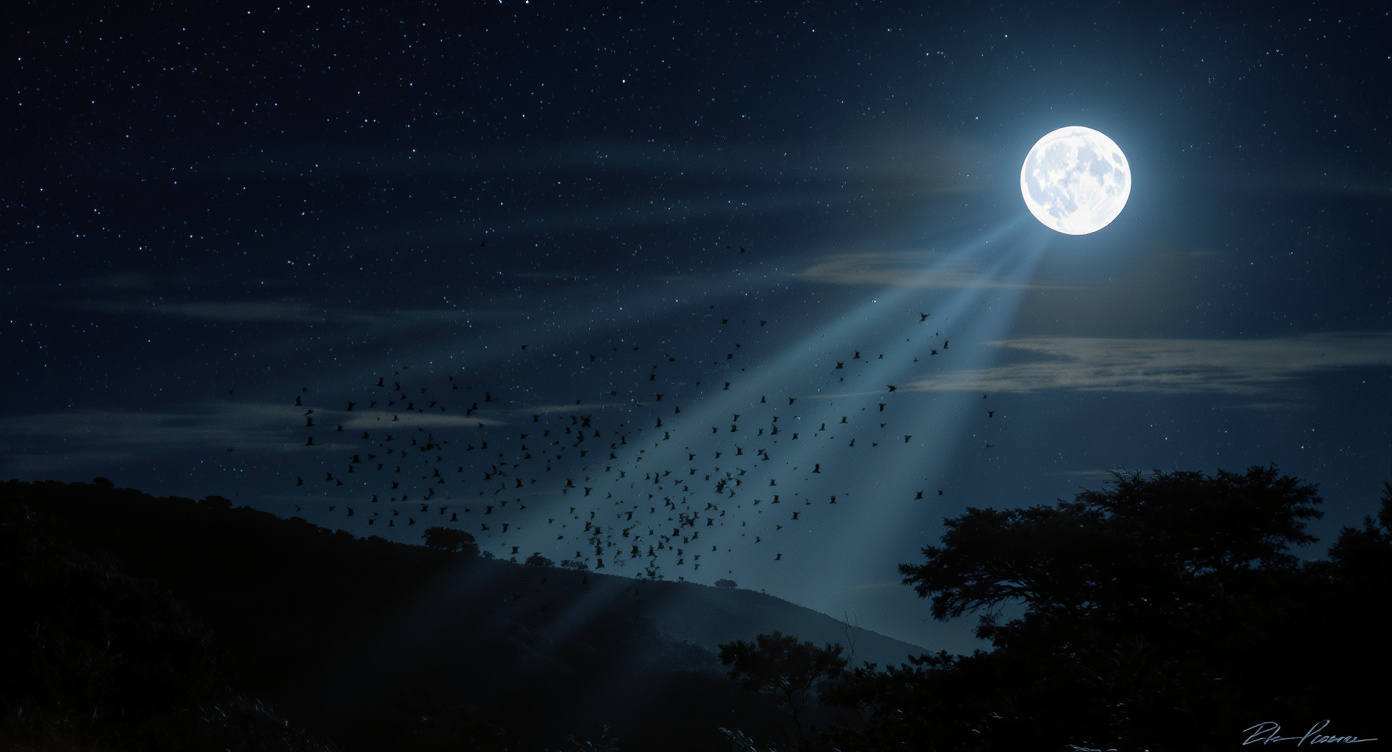
The study revealed that the life cycle of red-necked nightjars is closely linked to the phases of the Moon: these birds are most active during the full moon, while during the new moon they enter a state of torpor to conserve energy. Lunar cycles also influence the migration and breeding patterns of these nocturnal birds.
Swedish biologists have discovered that nightingales cross deserts exclusively at night, without feeding and relying on fat reserves accumulated in advance. This strategy helps the birds avoid overheating and predators.
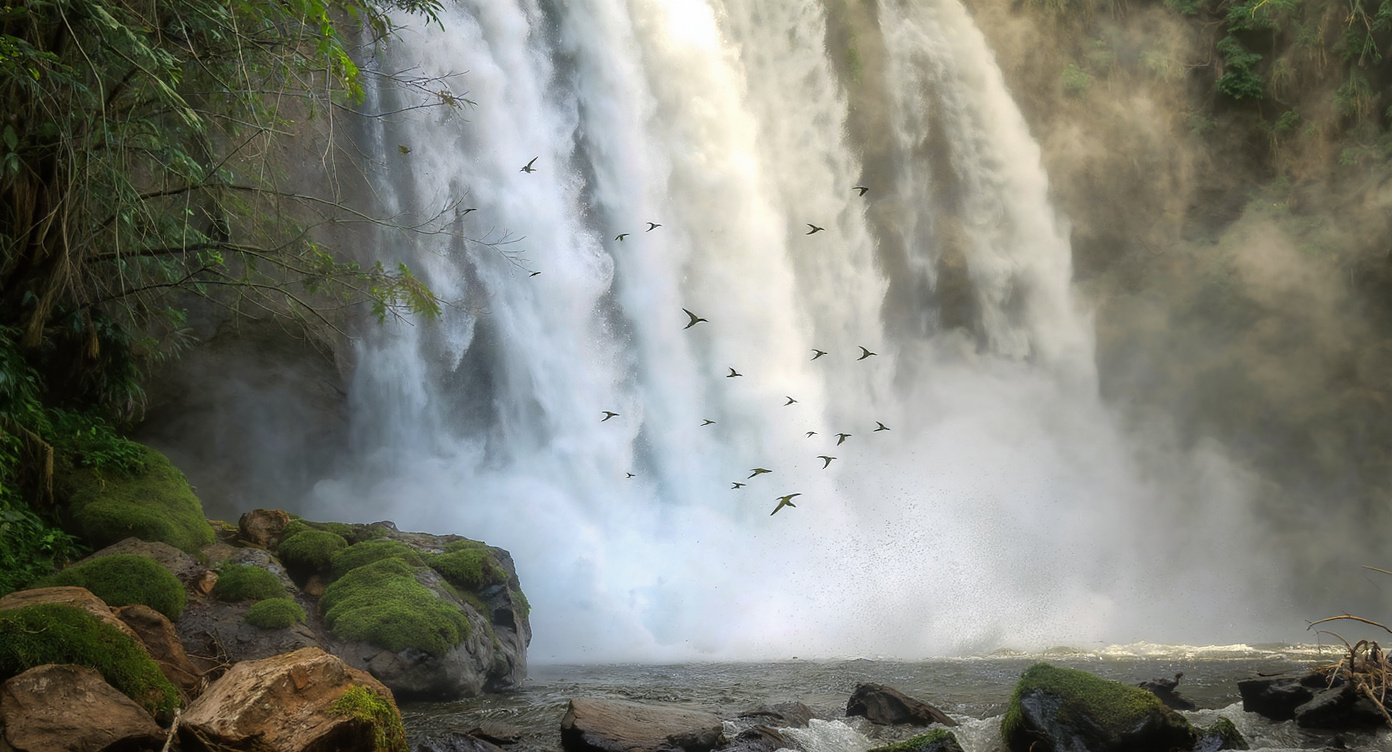
For many years, residents of Central Africa have told stories about fish capable of climbing waterfalls. Now, these accounts have received scientific confirmation: Parakneria thysi have been captured on video as they scaled a 15-meter waterfall. The study reveals the unique mechanisms behind their vertical movement and highlights the distinctive features of their migration.
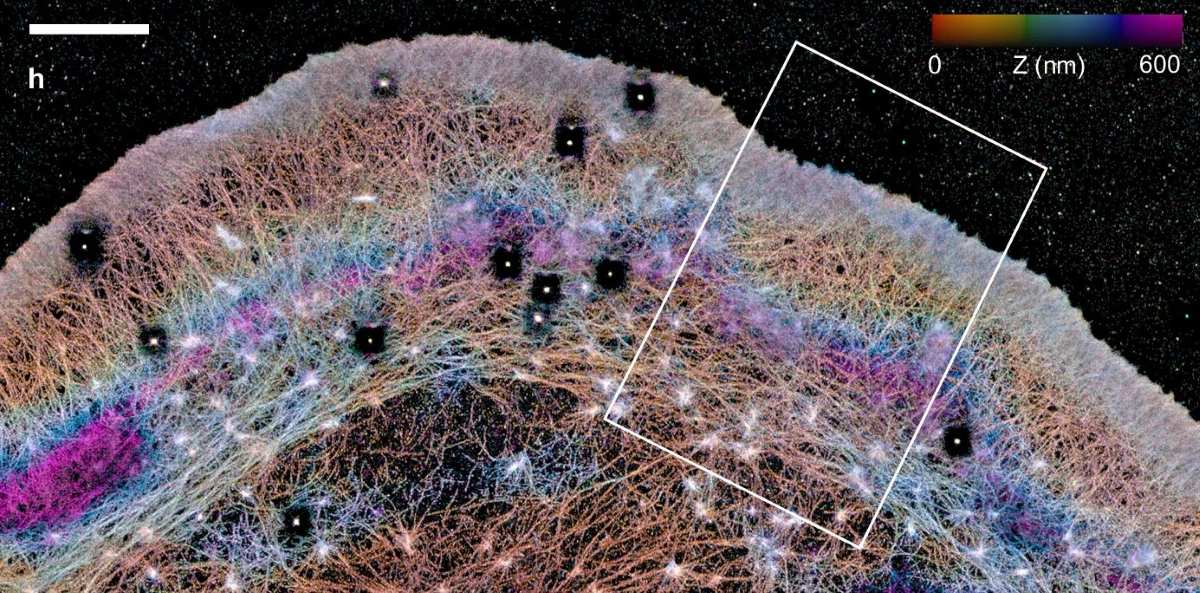
A new study has shown that soluble proteins inside migrating cells move thanks to directed fluid flows generated by contracting protein structures. This physical mechanism enables cells to rapidly deliver molecules to specific areas without relying on specialized chemical pathways.
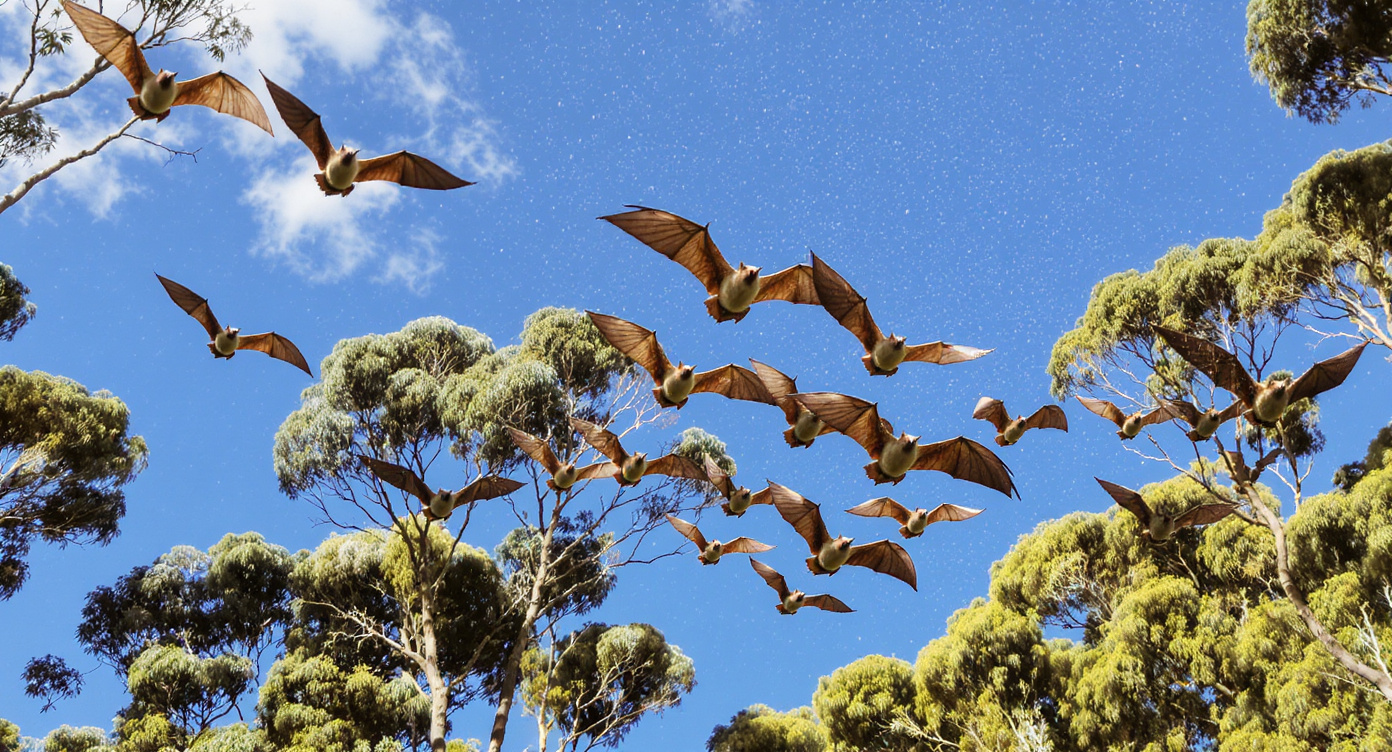
Australian flying foxes, once considered pests, help generate millions of new trees each year and contribute hundreds of millions of dollars to the country's economy. Research highlights their crucial role in forest restoration and the importance of protecting these animals.
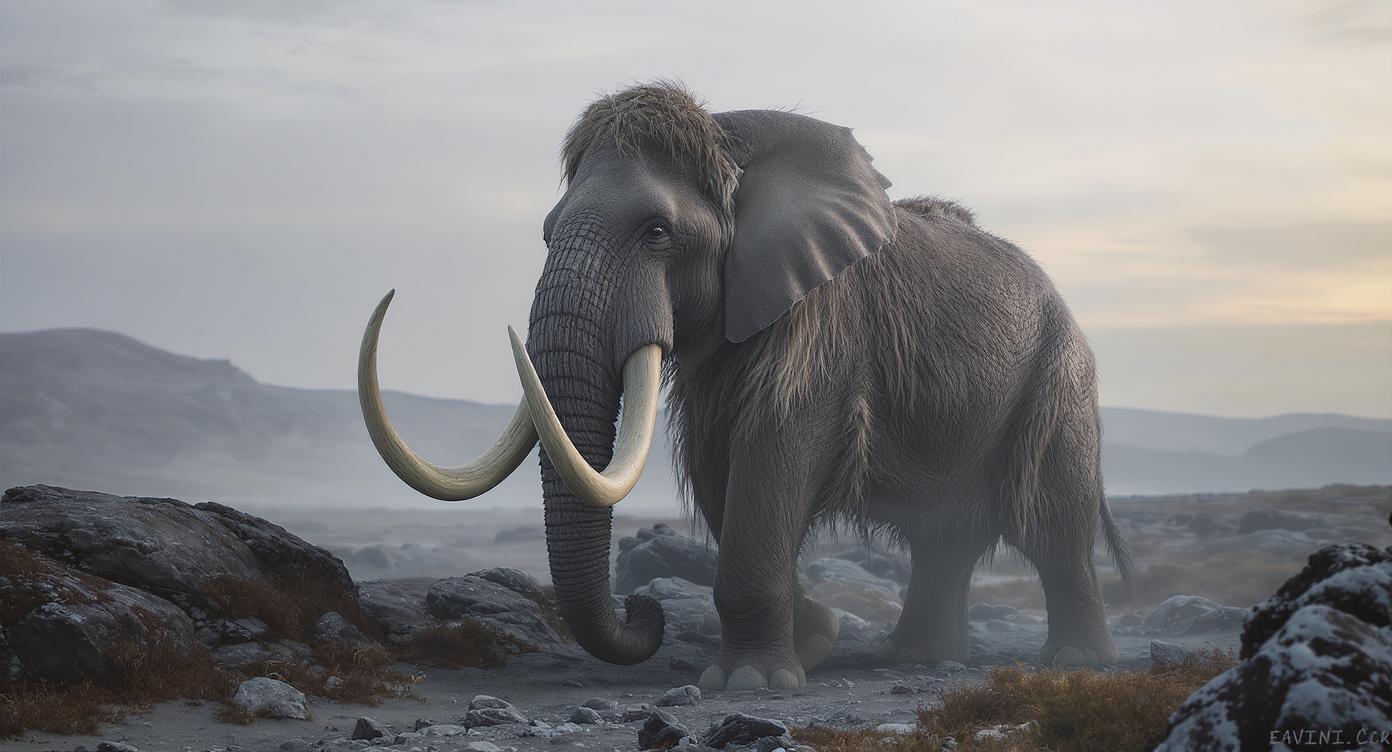
A new study has shown that Neanderthals primarily hunted adult male ancient elephants, as their solitary lifestyle made them more vulnerable compared to family groups.
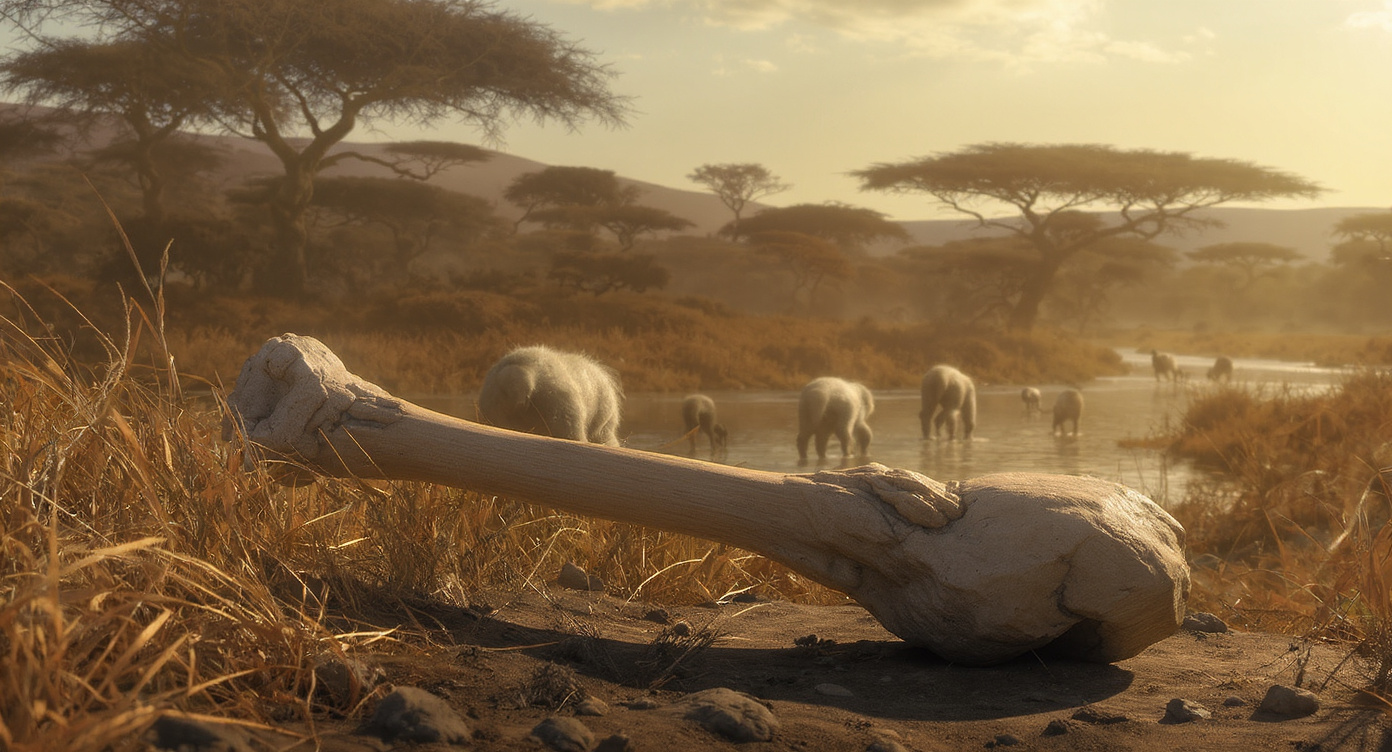
The discovery of a femur belonging to an ancient female hominin in Bulgaria could reshape our understanding of human origins, suggesting a possible European origin for the first upright-walking beings. Analysis of the find revealed features indicative of bipedal movement, making Graecopithecus one of the earliest known bipeds.
A new study reveals that Homo sapiens and Neanderthals regularly interacted and interbred across vast areas of Eurasia for thousands of years, not just in a single region. These prolonged interactions have left a significant mark on the genome of modern humans.
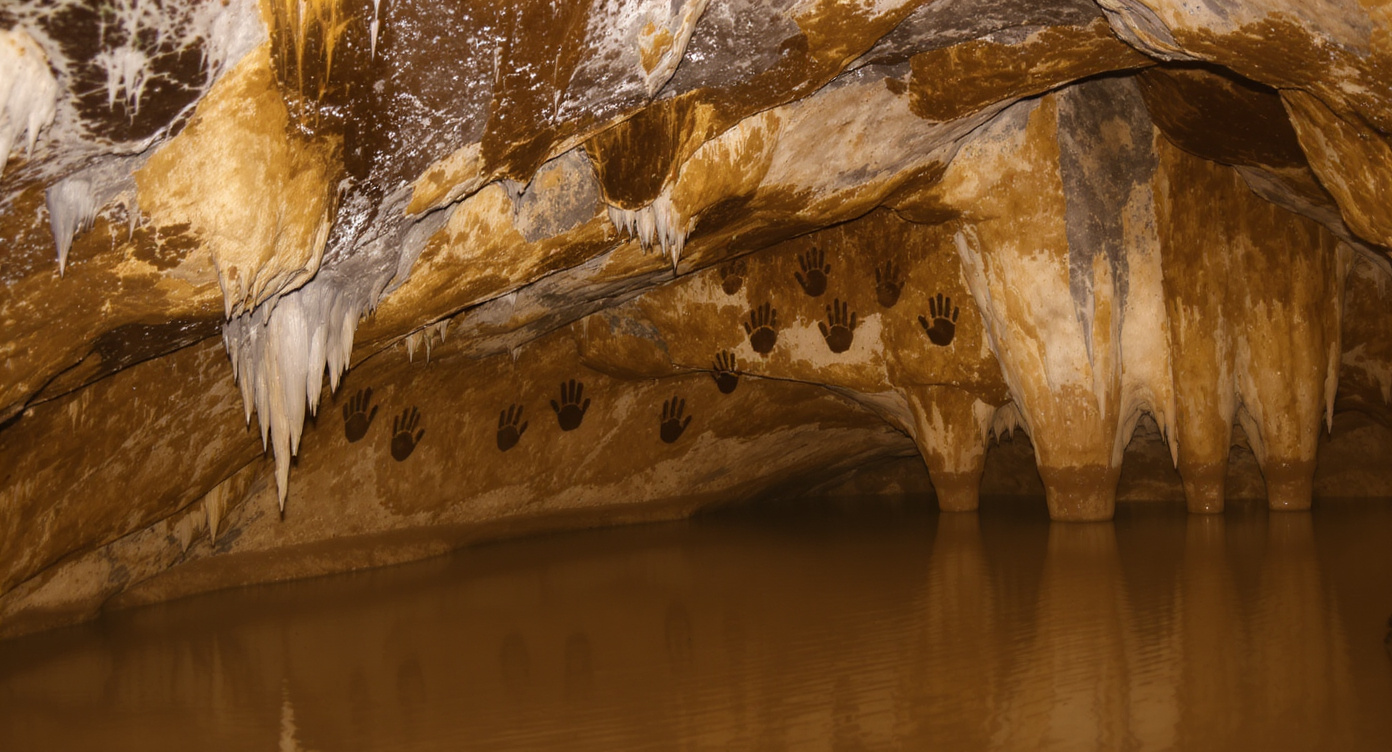
The oldest known cave paintings in the world, estimated to be around 68,000 years old, have been discovered on Muna Island. This finding changes our understanding of ancient human migration and capabilities in Southeast Asia.
A new study has shown that plastic and oil in the ocean can combine to form a stable hybrid pollutant capable of traveling vast distances. The impact of this "oil-plastic" on ecosystems is still not well understood.

 Cursus