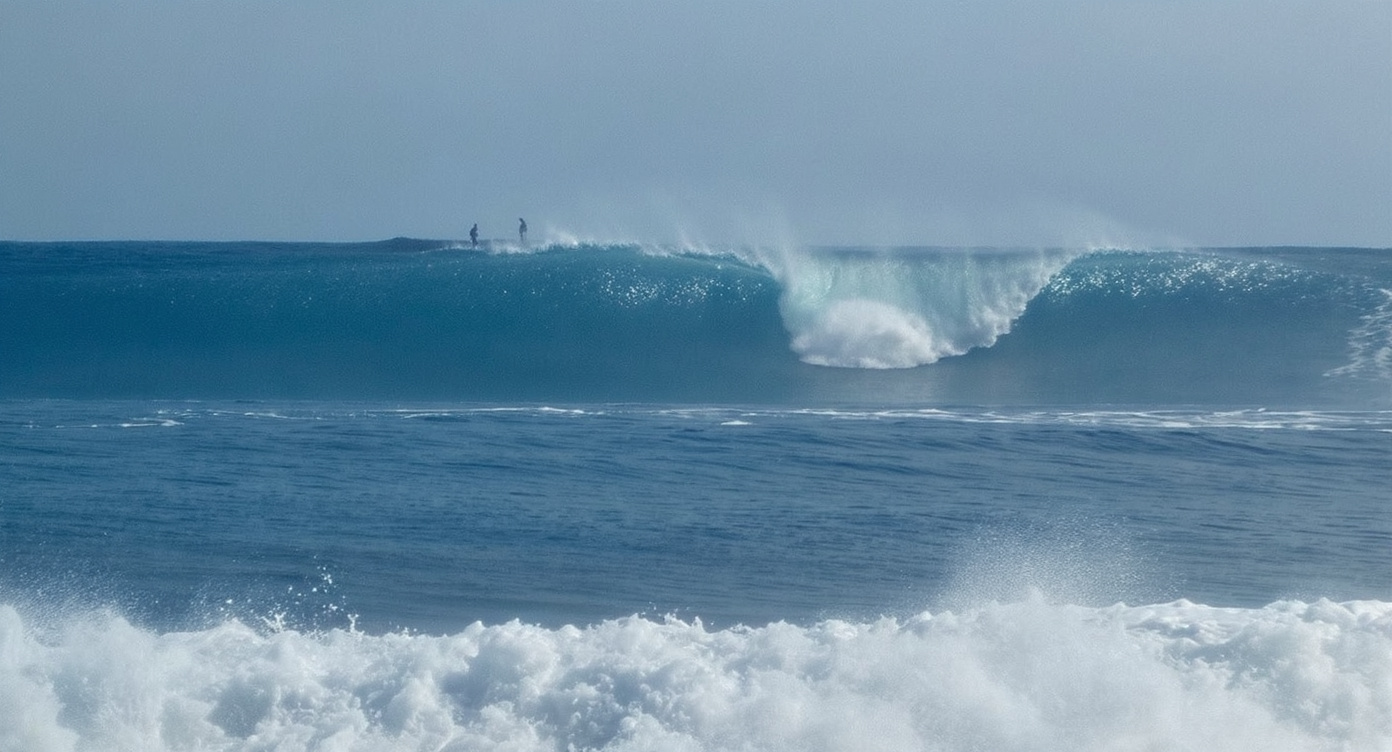
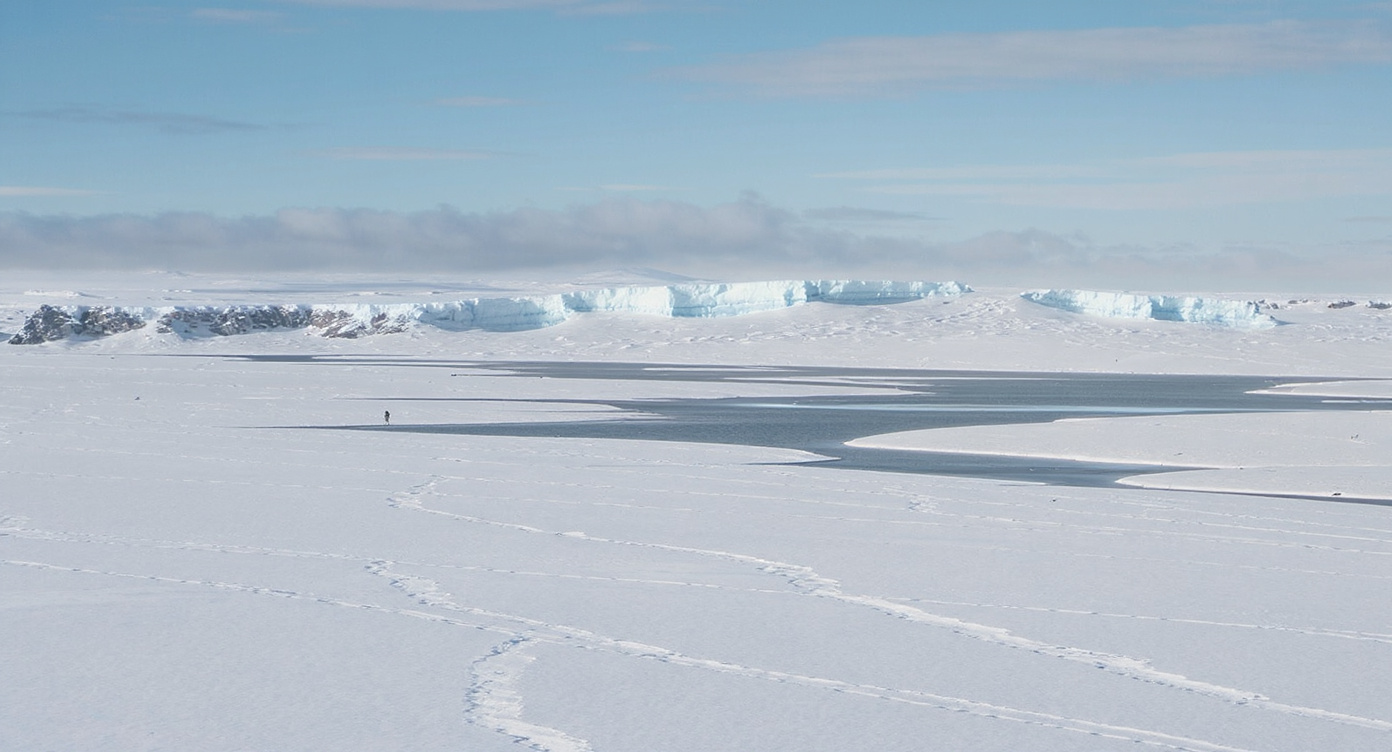
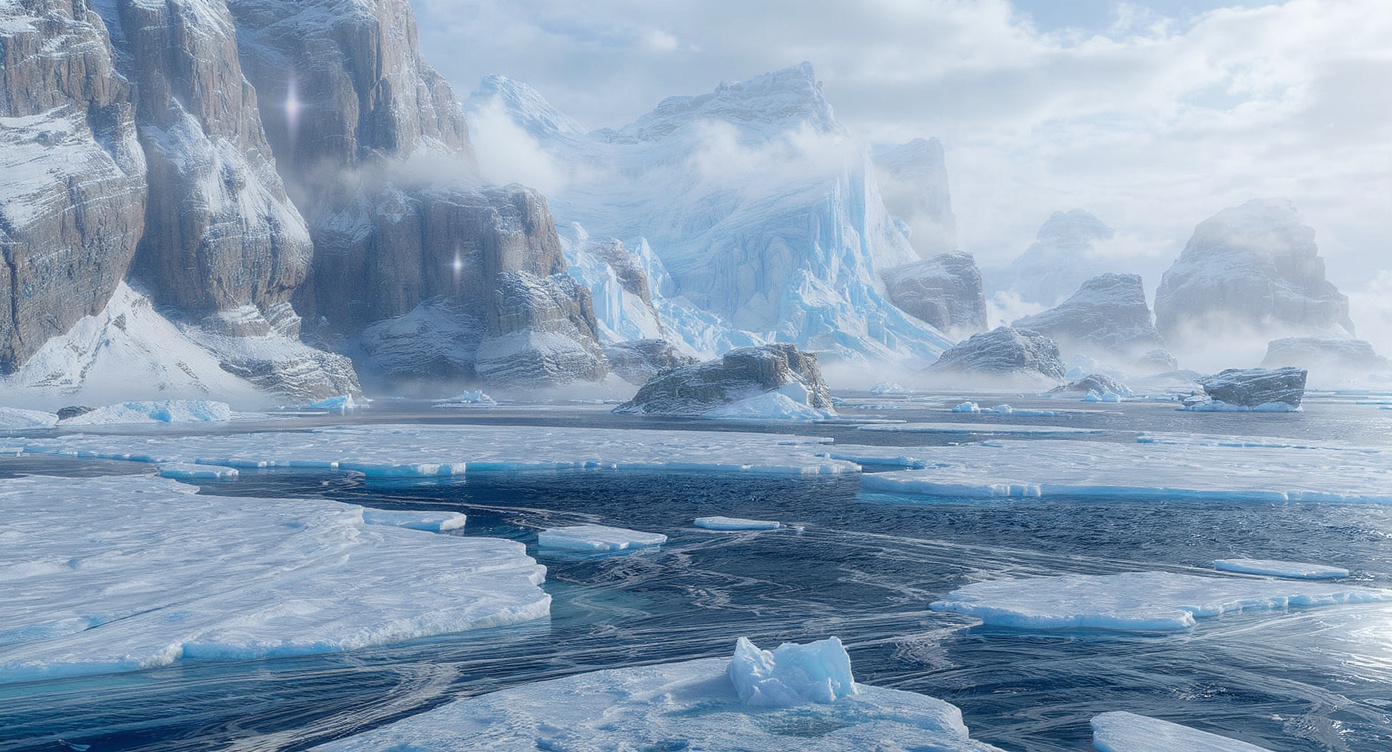
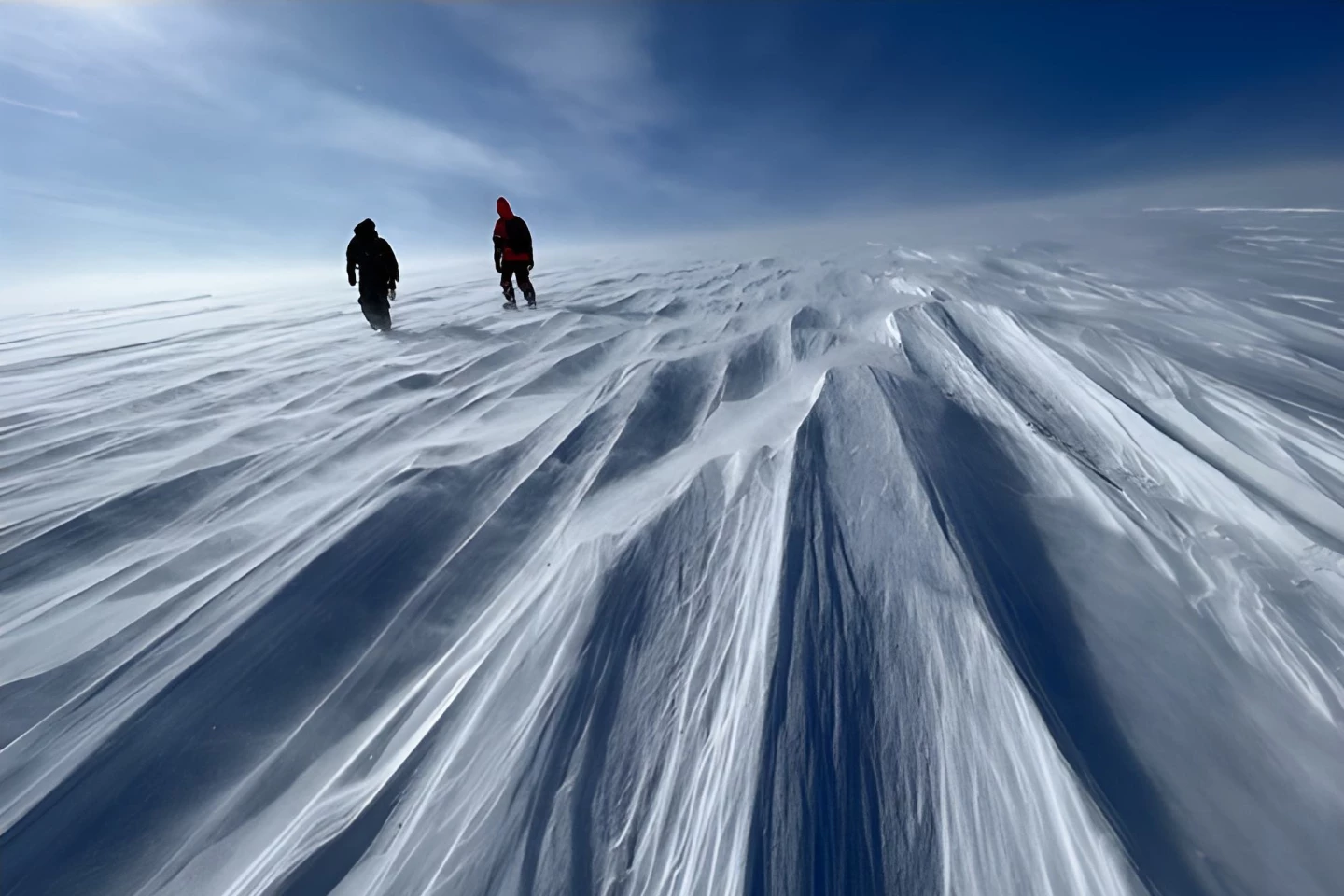
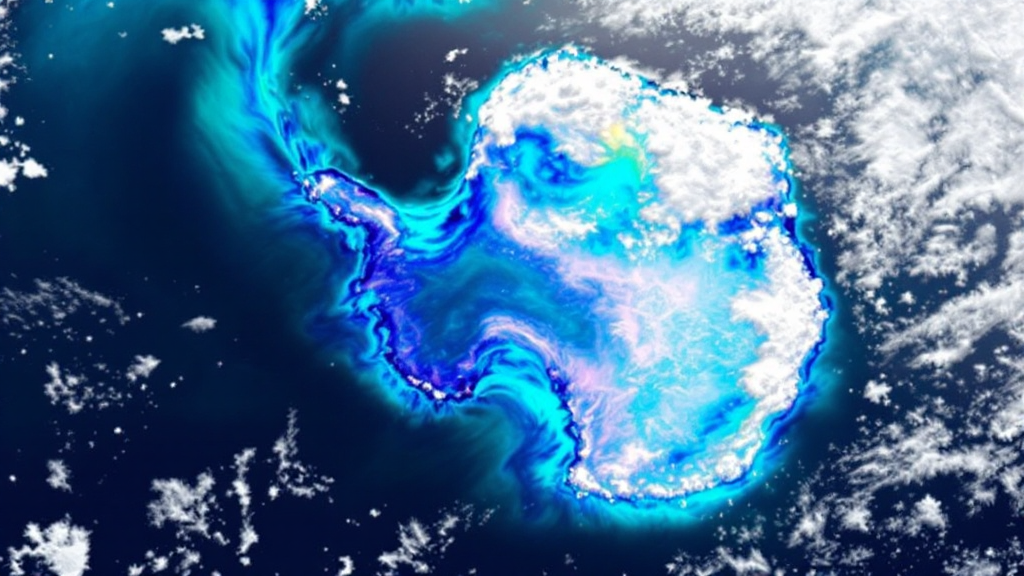
Between 2021 and 2023, persistent warming of the tropical ocean led to increased snowfall over East Antarctica, resulting in a temporary gain in the ice sheet's mass. The study emphasizes that such events are short-lived and do not reverse the long-term decline of Antarctic ice.
A new study has shown that tropical convective clouds can create conditions necessary for enhanced condensation by aerosols. This discovery will help improve the accuracy of predictions regarding the impact of aerosols on clouds and climate.
A new study has confirmed the existence of rare deep earthquakes in the Earth's mantle beneath northern Utah and southwestern Wyoming. These events occur significantly below the Earth's crust and help scientists better understand the processes taking place in the transition zone between the lithosphere and the mantle.
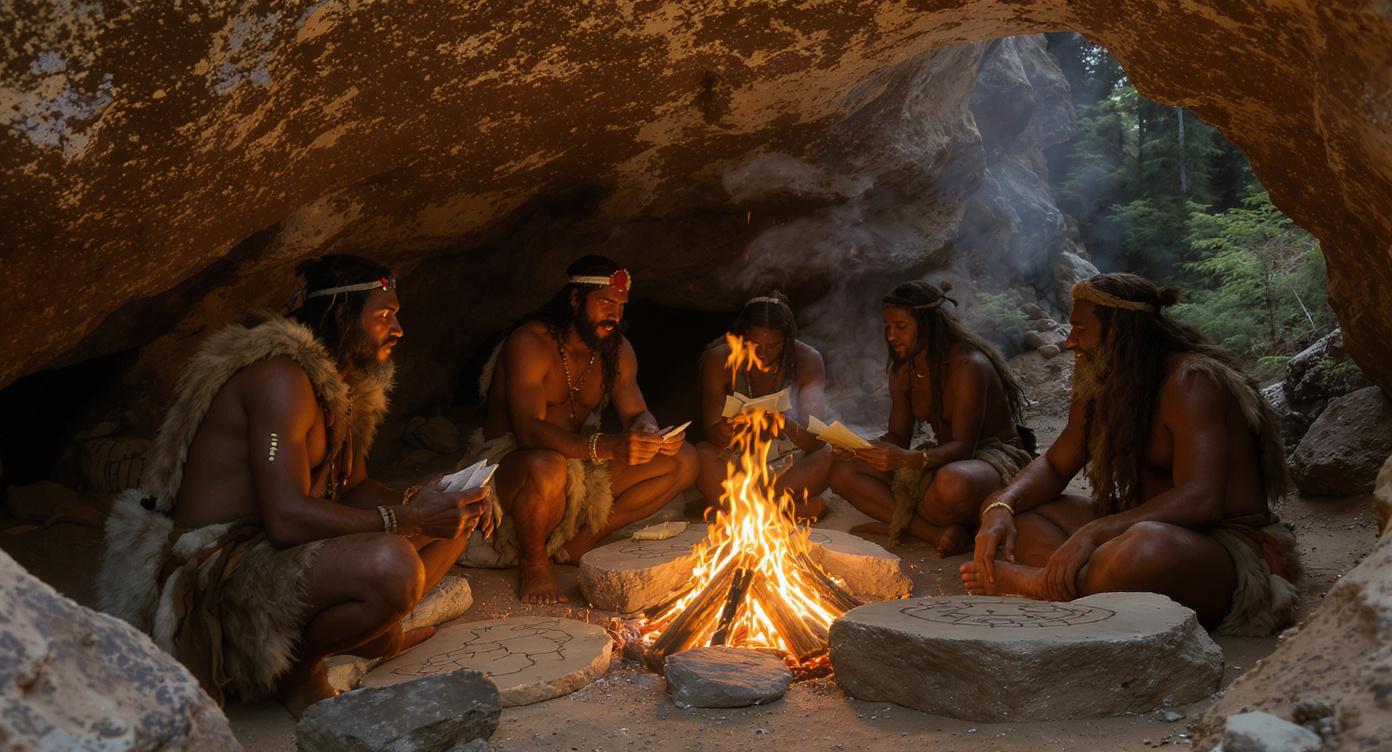
A new study shows that the disappearance of Neanderthals and the success of Homo sapiens in Europe were influenced not only by climate or competition, but by a complex combination of factors, including social connections. Interconnected populations and well-developed networks of interaction helped people share resources and overcome crises, which played a crucial role in their survival.
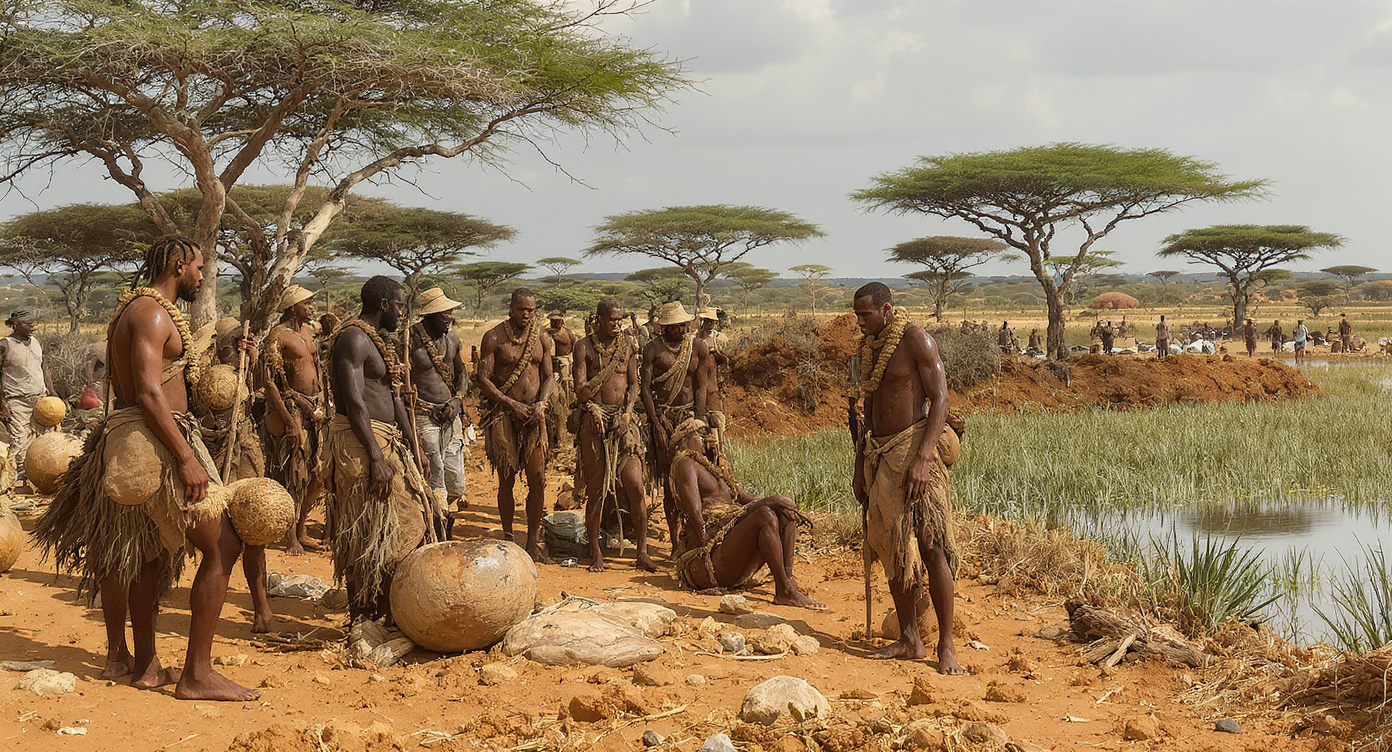
A new study shows that the risk of malaria infection significantly influenced the settlement patterns of ancient humans in Africa, alongside climate factors. Malaria shaped the demographic structure of populations, dividing groups and determining their choice of habitats.
A new method based on artificial intelligence and satellite data enables highly detailed tracking of ocean currents, including the complex structures of the Gulf Stream. The GOFLOW technology opens up new possibilities for monitoring climate and ecosystems without the need to launch additional satellites.
A new study has revealed that the Prudhoe Dome ice cap in Greenland completely melted about 7,000 years ago due to a slight warming. This data helps scientists make more accurate predictions about the risks of ice melt and future sea level rise.
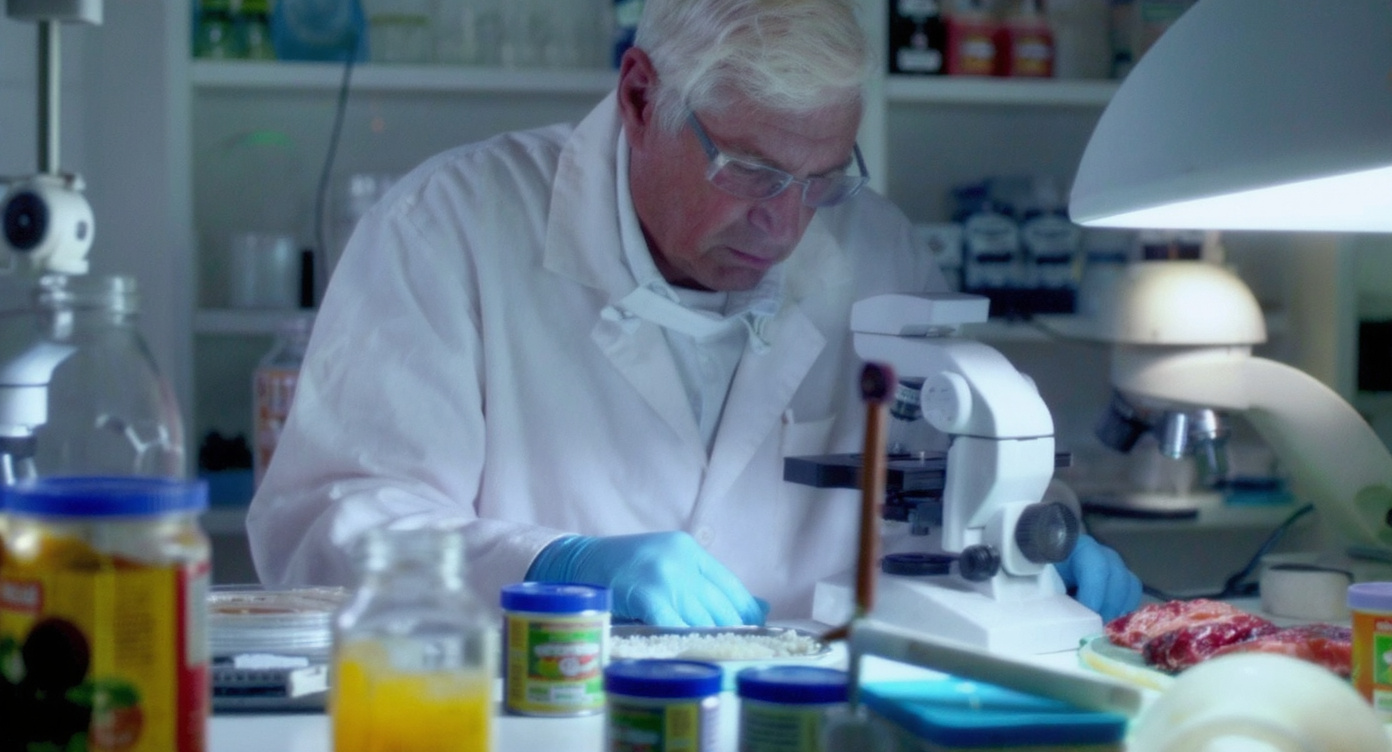
Scientists studied old canned salmon to track changes in parasites in the fish over 42 years and assess the health of Alaska's marine ecosystems. This approach helps to understand long-term trends in the ocean and the impact of environmental factors on food chains.
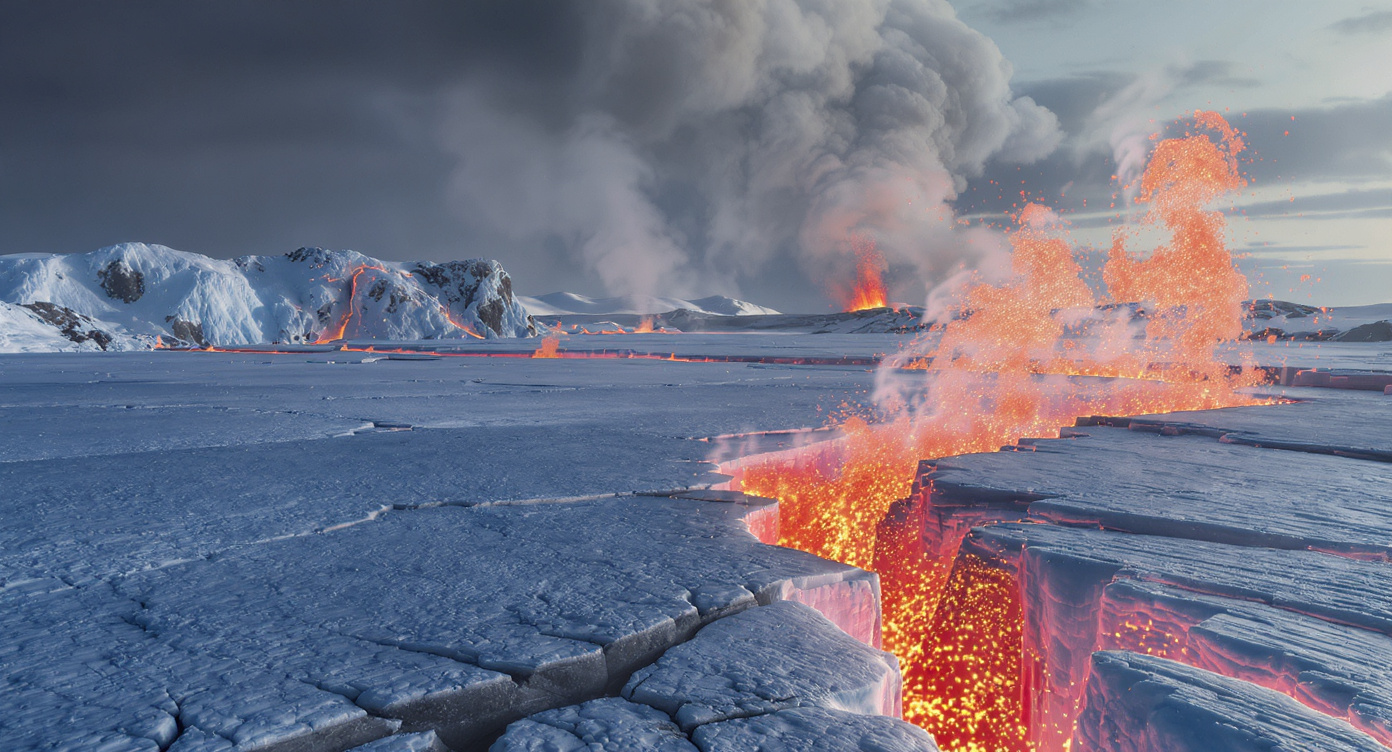
A new study shows that the abrupt cooling during the Younger Dryas period, previously linked to a meteorite impact, was most likely caused by a powerful volcanic eruption in the Northern Hemisphere. These conclusions are based on the analysis of Greenland ice cores and the chemical composition of elements found within them.
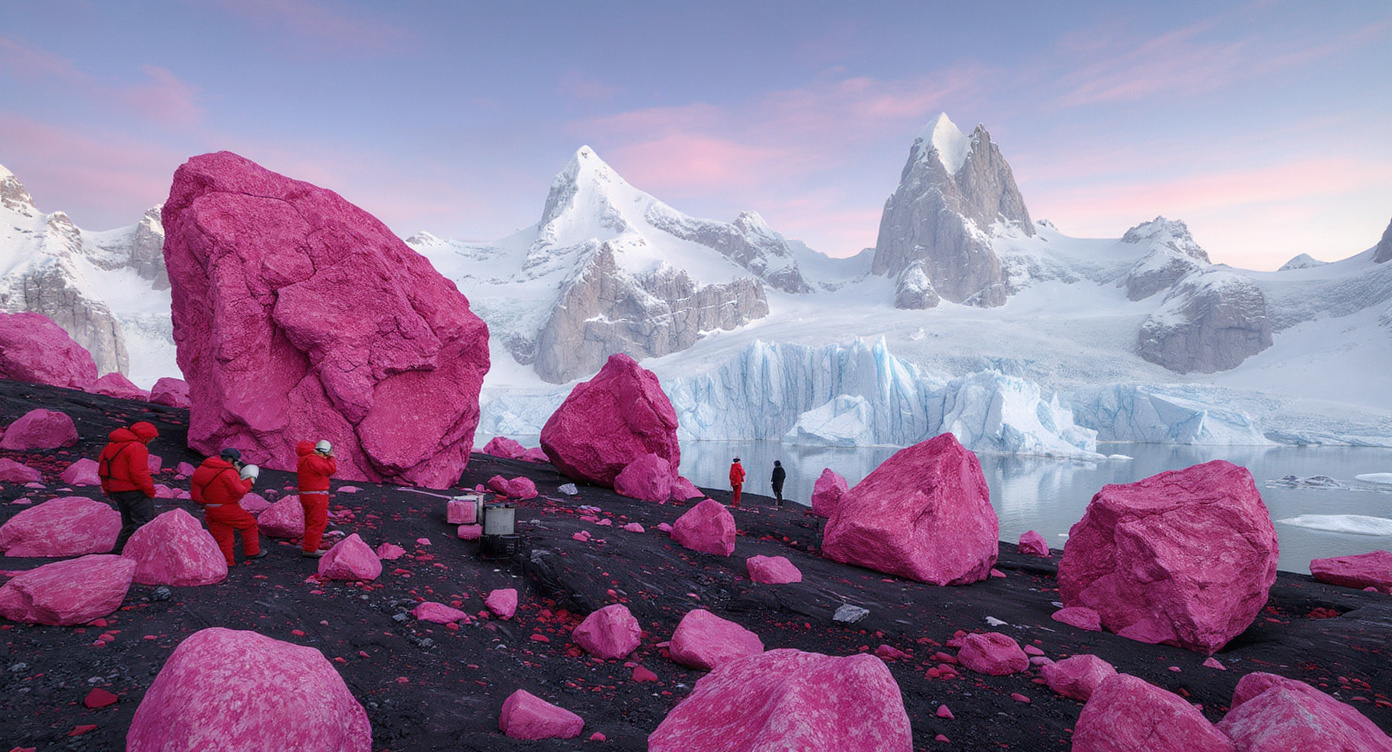
Unusual granite boulders discovered atop mountains in West Antarctica have helped scientists uncover the structure of rocks hidden beneath the ice and trace the movement history of the Pine Island Glacier. This information improves predictions about changes to the ice sheet and sea level in the context of future climate change.
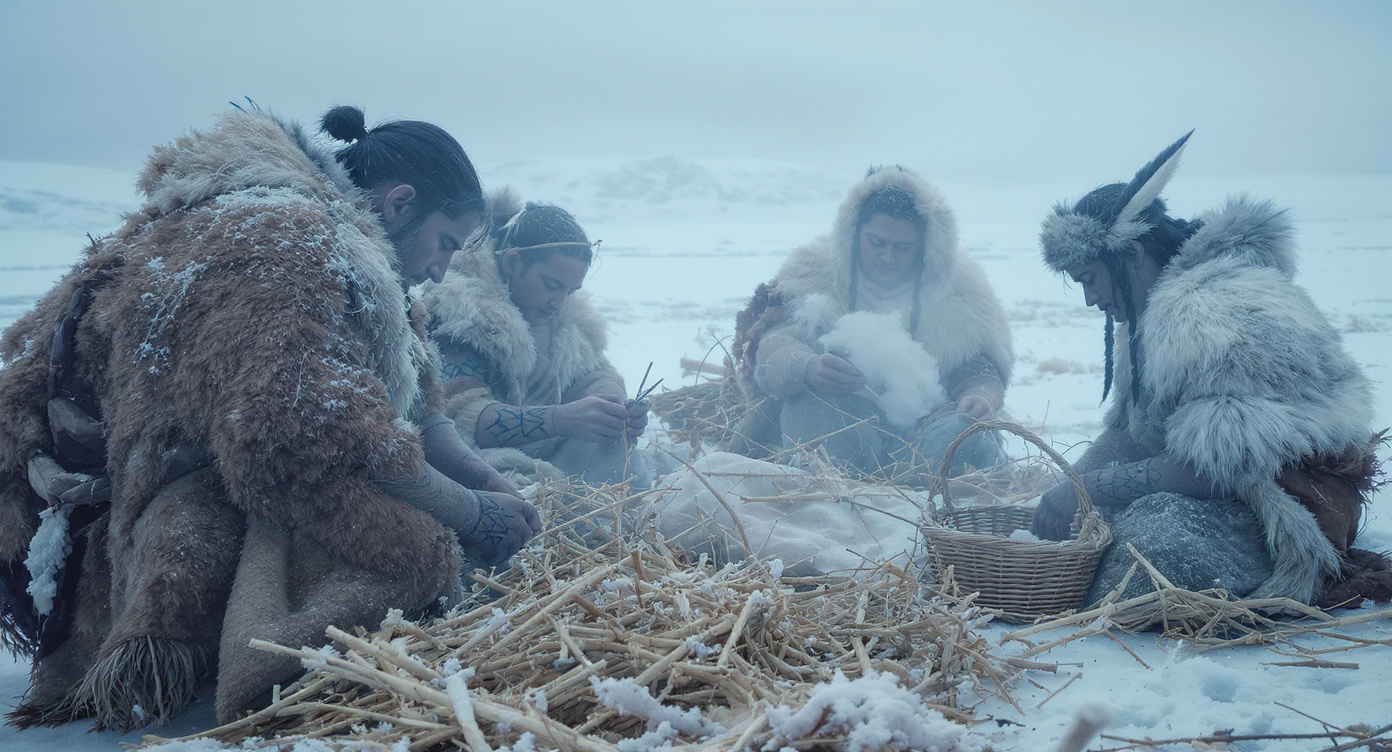
A new study reveals that needles and awls used by ancient peoples served not only for sewing clothes, but also played roles in rituals, medicine, tattooing, and weaving. Only about a third of cases were actually related to protection from the cold.
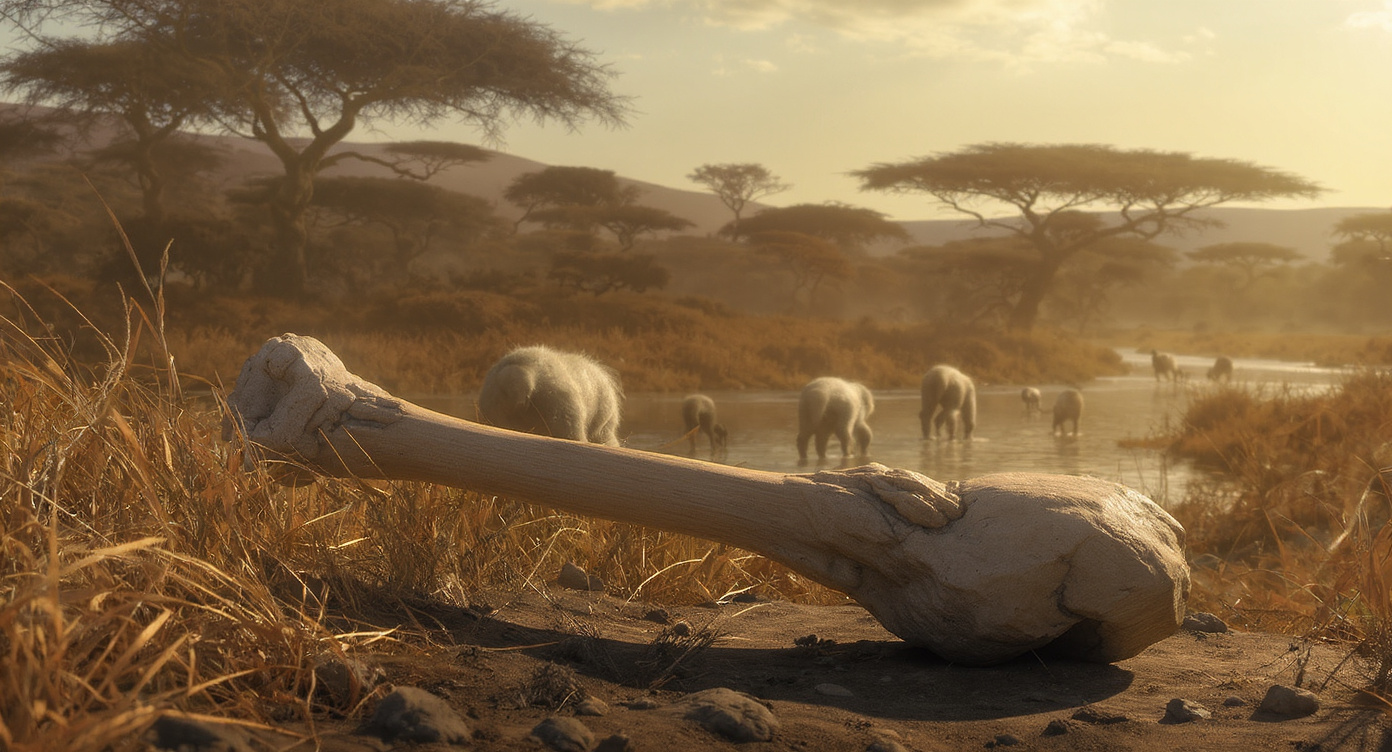
The discovery of a femur belonging to an ancient female hominin in Bulgaria could reshape our understanding of human origins, suggesting a possible European origin for the first upright-walking beings. Analysis of the find revealed features indicative of bipedal movement, making Graecopithecus one of the earliest known bipeds.
Scientists have combined several climate models with isotope support to more accurately track the movement of water across the planet and better predict the impact of global warming on the water cycle.
A new study has shown that even during Earth's harshest ice ages, the climate remained variable, resembling modern climate cycles. This discovery changes our understanding of the stability of ancient climate systems.
Scientists have discovered that the ice dome in northwestern Greenland completely disappeared about 7,000 years ago due to warming. The study warns that a similar scenario could happen again in the future.

 Cursus