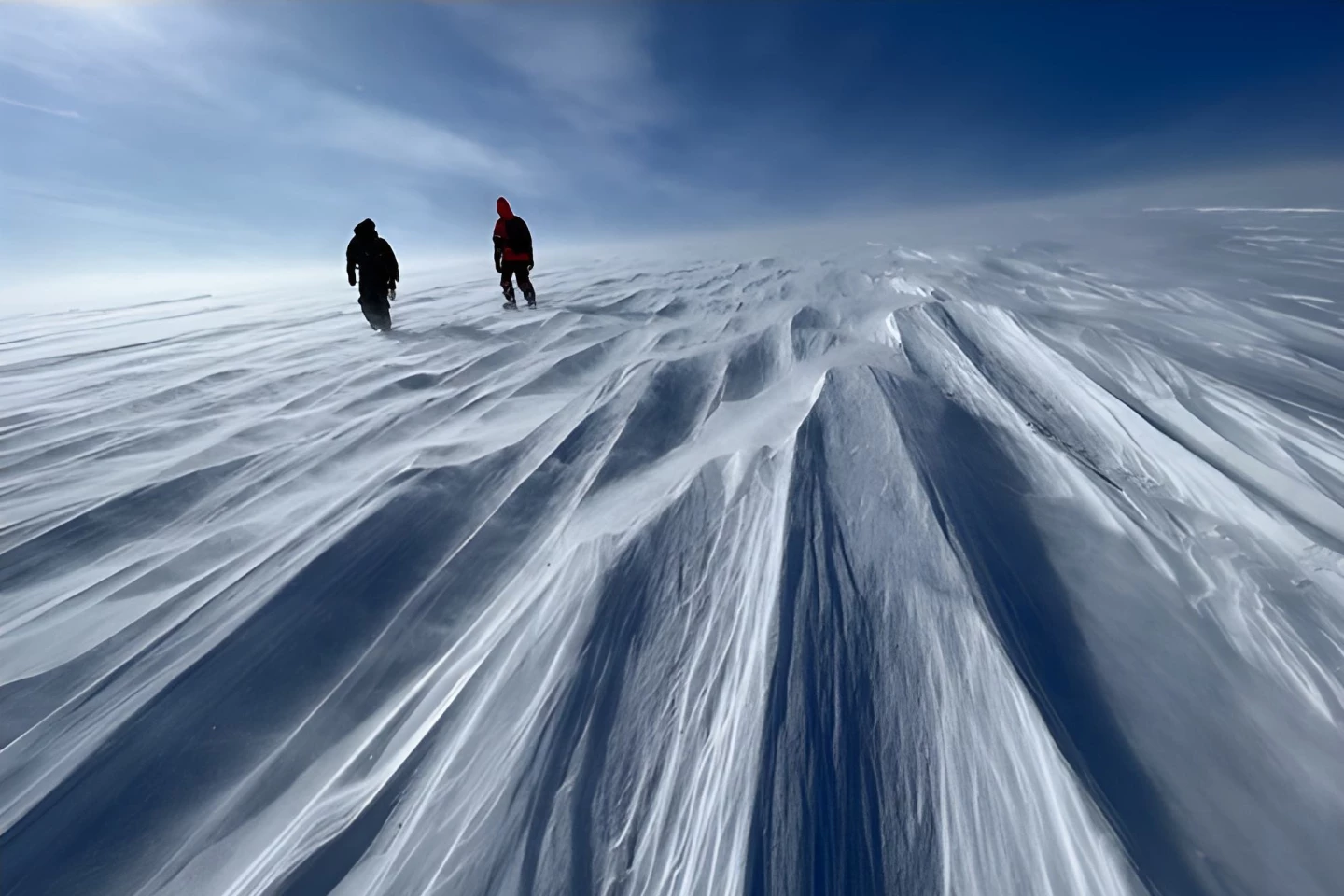
A new study has shown that recent climate changes caused by human activity are weakening the climatic connection between the Indian and Pacific Oceans. This could affect the accuracy of climate forecasts and alter weather patterns in the tropics.
A new study has shown that tropical convective clouds can create conditions necessary for enhanced condensation by aerosols. This discovery will help improve the accuracy of predictions regarding the impact of aerosols on clouds and climate.
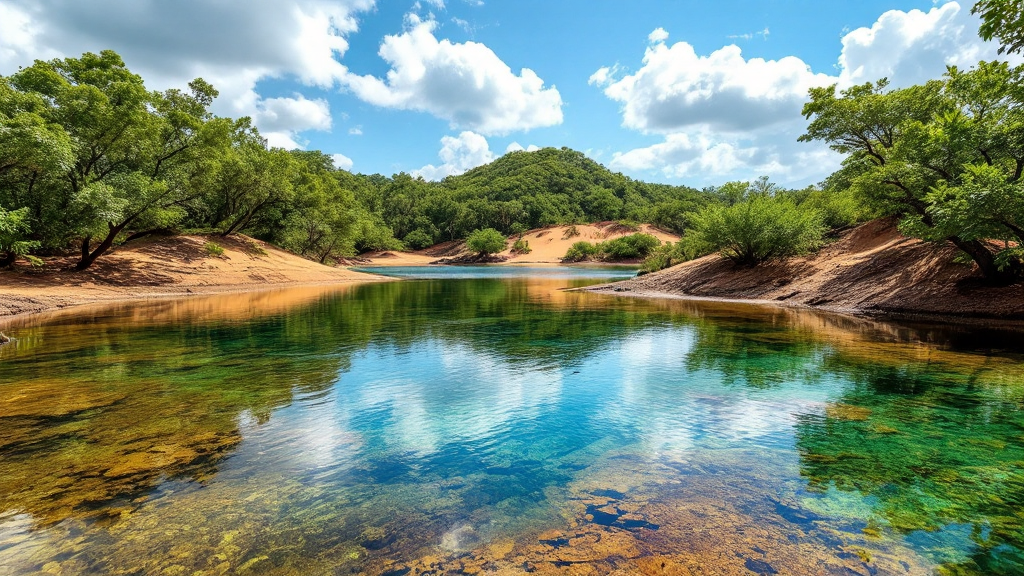
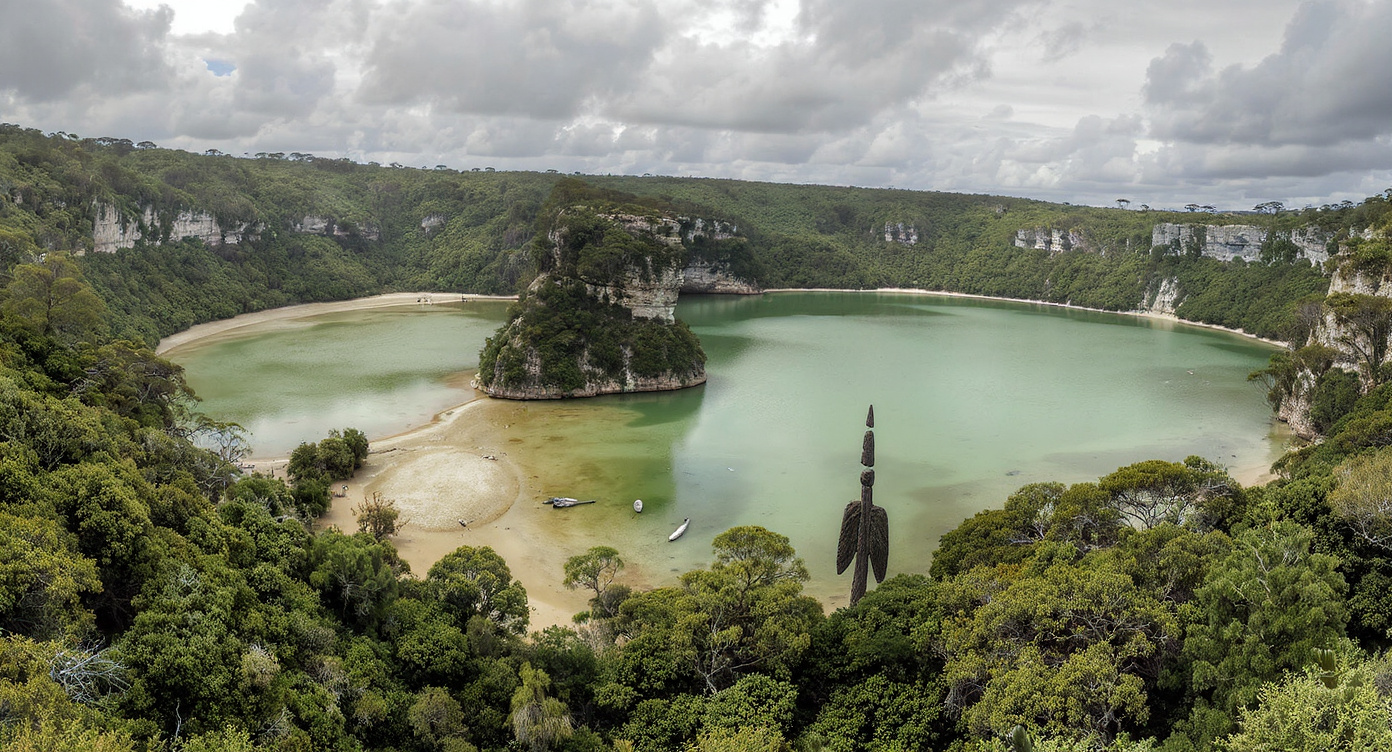
A new study has shown that even the largest lakes on K’gari Island could disappear under certain climate conditions. The fate of these bodies of water depends not only on the amount of rainfall, but also on wind direction and how rain is distributed, making their future uncertain as the climate continues to change.
A new study has revealed that some of the deep lakes on K’gari Island dried up around 7,500 years ago, despite the humid climate of that era. This discovery raises questions about the resilience of these unique freshwater bodies to future climate changes.
Scientists have combined several climate models with isotope support to more accurately track the movement of water across the planet and better predict the impact of global warming on the water cycle.
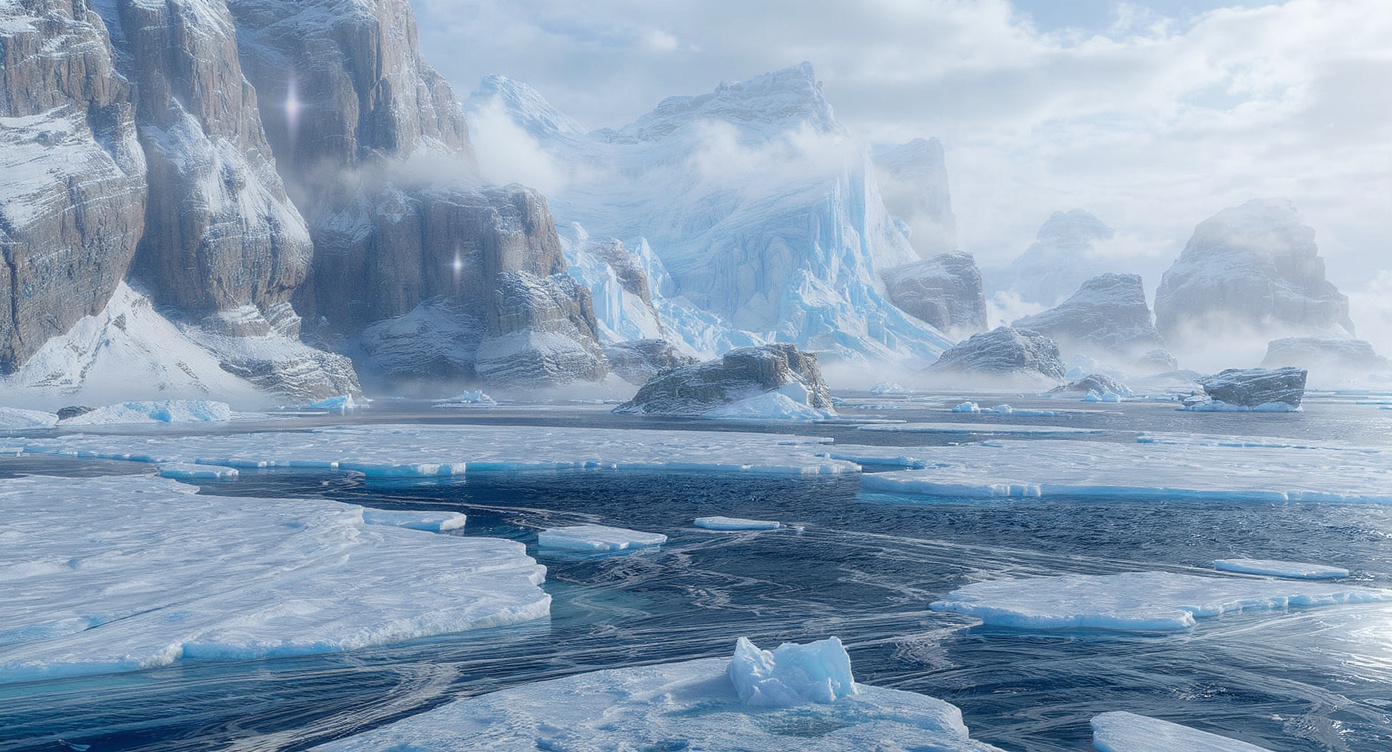
A new study has shown that even during Earth's harshest ice ages, the climate remained variable, resembling modern climate cycles. This discovery changes our understanding of the stability of ancient climate systems.
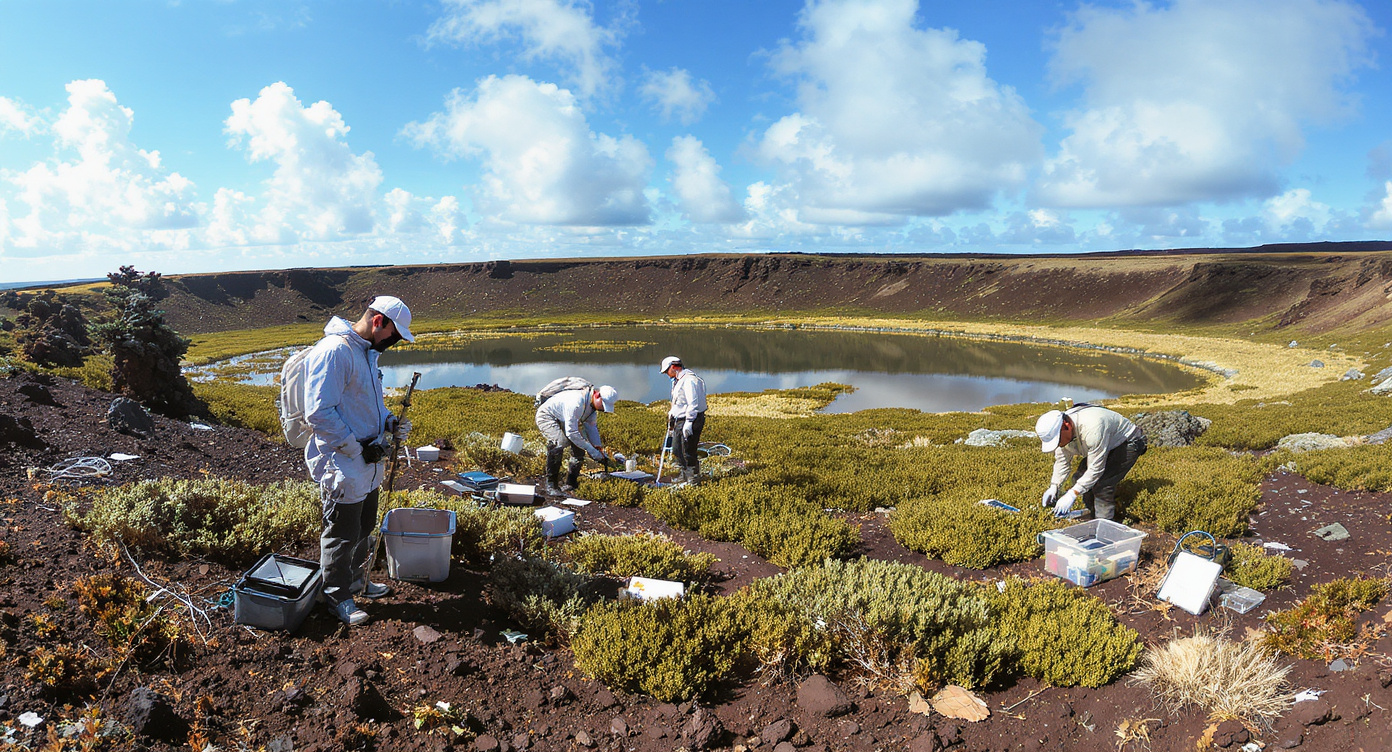
A new study has revealed that the prolonged drought of the 16th century significantly transformed life on Easter Island, leading to major cultural and social changes. Researchers note that the island's inhabitants demonstrated remarkable resilience, adapting to the harsh climatic conditions.
Scientists have discovered that the ice dome in northwestern Greenland completely disappeared about 7,000 years ago due to warming. The study warns that a similar scenario could happen again in the future.
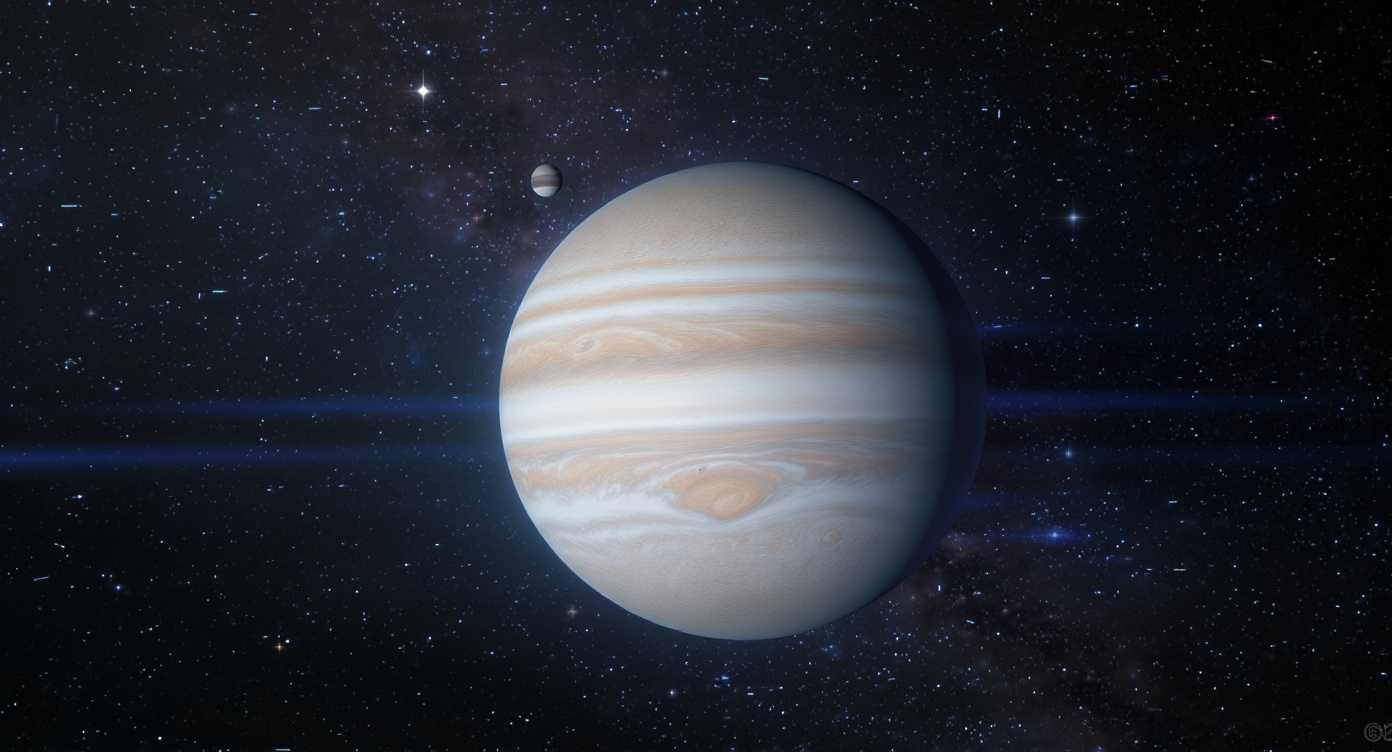
New modeling has shown that water in Jupiter's atmosphere is distributed extremely unevenly due to the complex interaction between precipitation and atmospheric vortices. This discovery will help plan future missions to study gas giants with greater precision.


 Natura