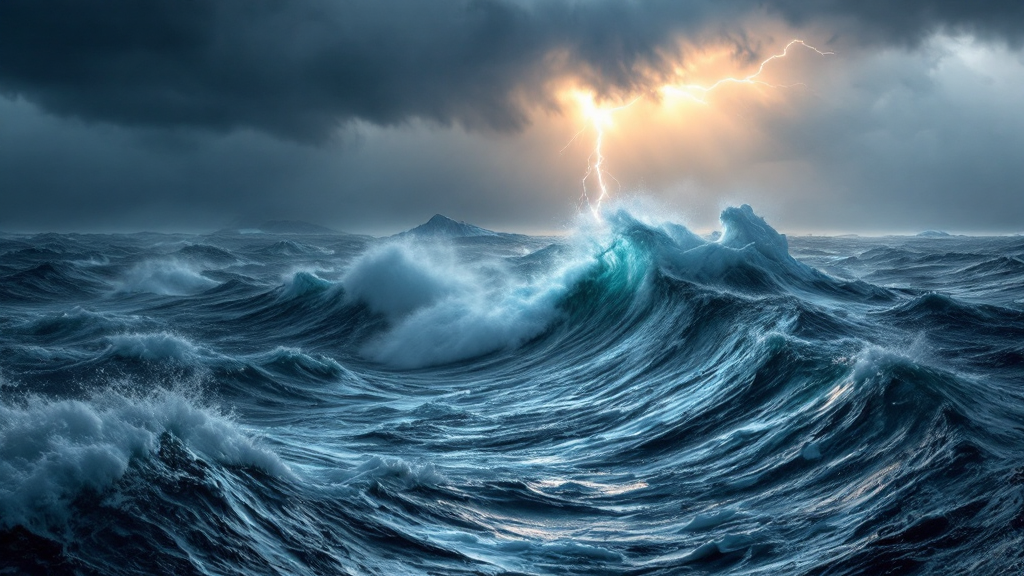
A new study has shown that the Atlantic Meridional Circulation has been weakening for nearly two decades, which could significantly impact the climate, precipitation, and sea levels in adjacent regions. Long-term observations are helping scientists better predict potential climate changes in the future.
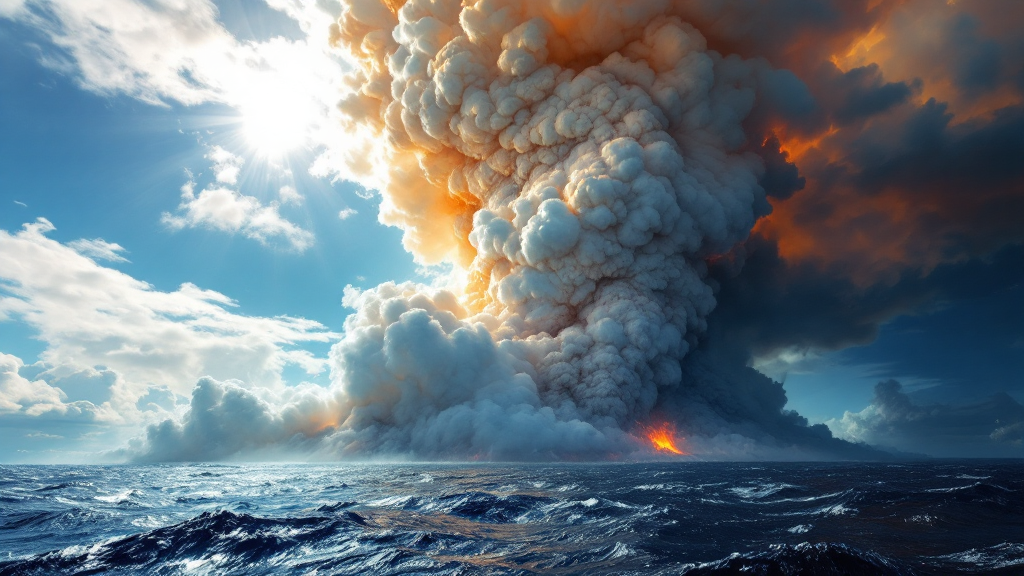
The eruption of the Hunga Tonga-Hunga Ha'apai volcano in 2022 allowed scientists to observe, for the first time, the accelerated breakdown of methane in the atmosphere caused by the interaction of volcanic ash, seawater, and sunlight. This discovery could contribute to the development of new methods for reducing methane levels and slowing global warming, though further research is needed to assess potential consequences.
A new study has shown that recent climate changes caused by human activity are weakening the climatic connection between the Indian and Pacific Oceans. This could affect the accuracy of climate forecasts and alter weather patterns in the tropics.
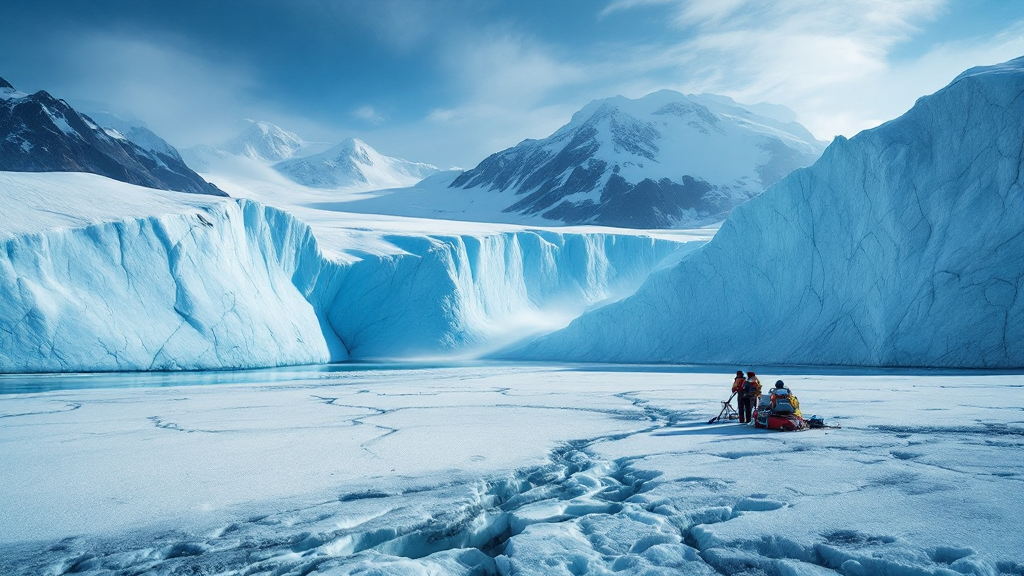
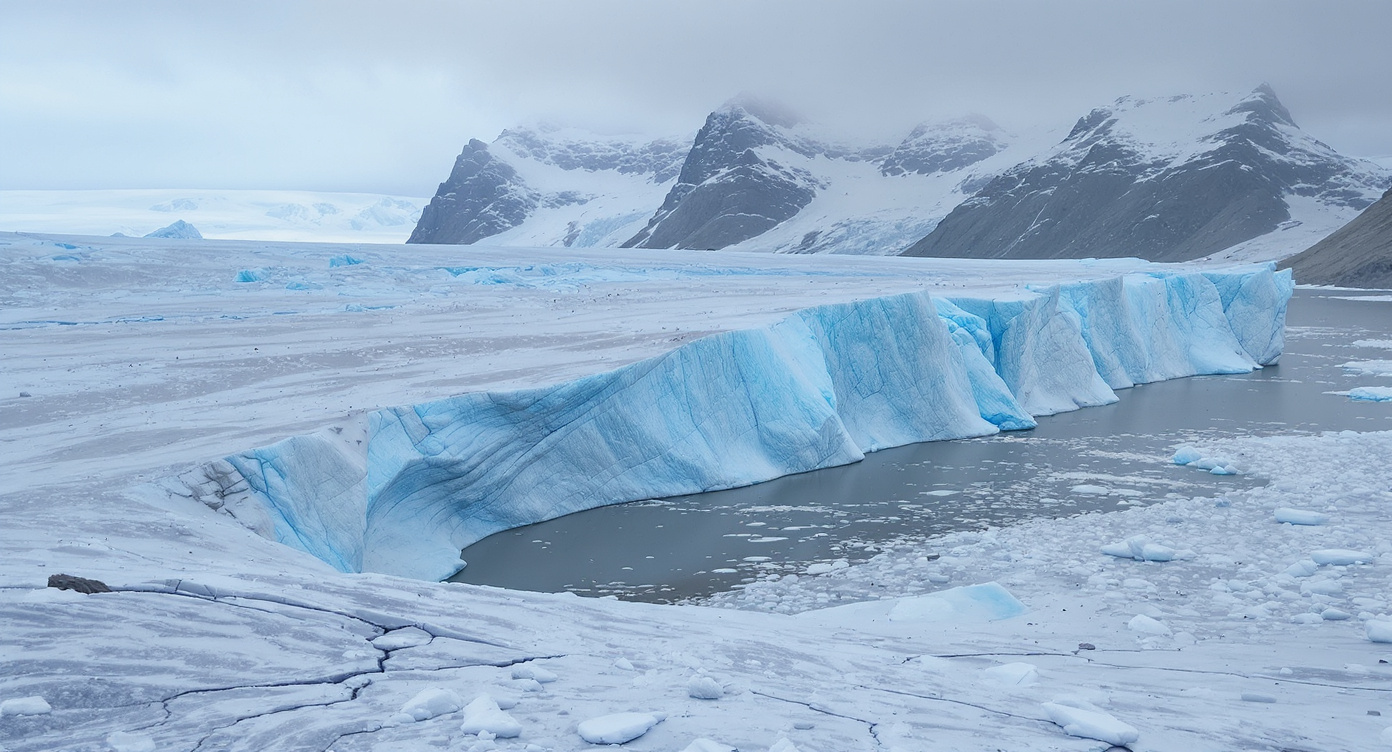
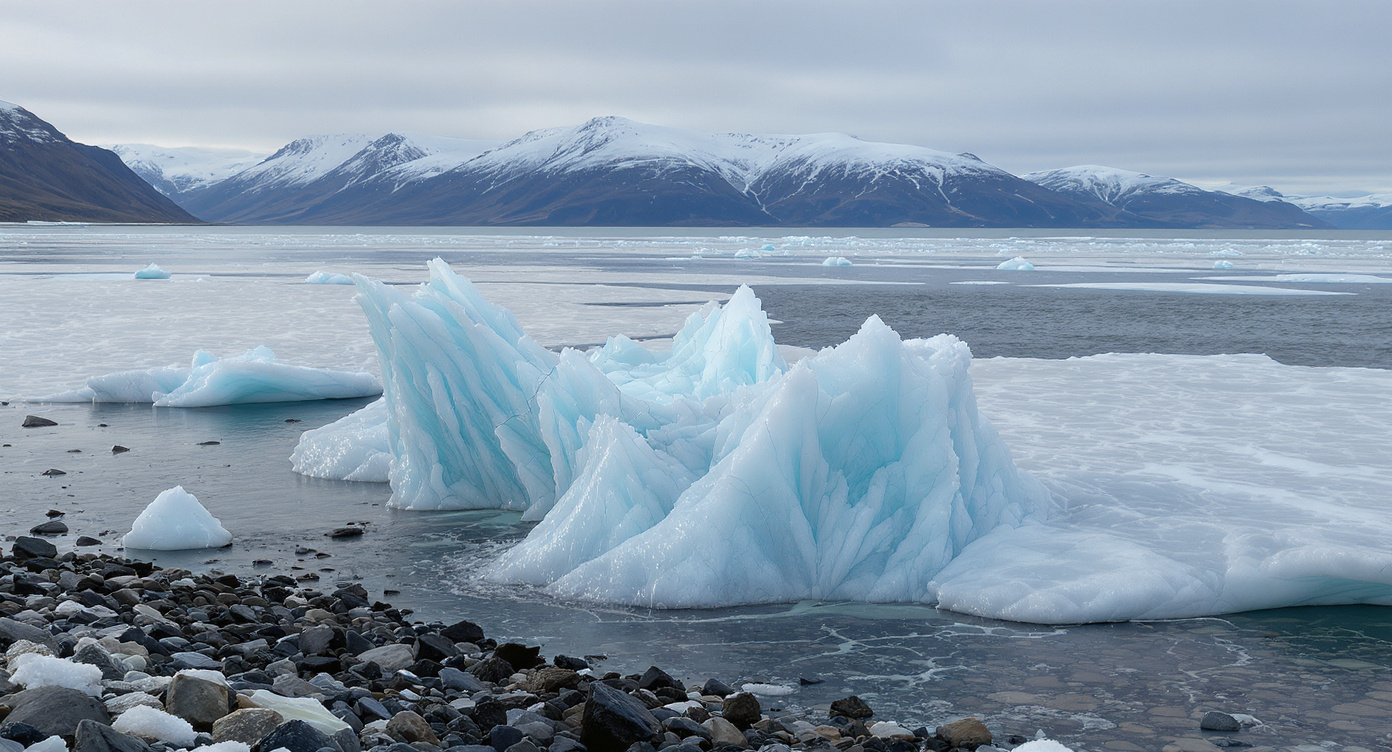
A large iceberg with an area of 76 km² has broken off from the Petermann Glacier in Greenland—the largest since 2012. Scientists continue to monitor the glacier and the possibility of new calving events using Sentinel-1 satellites.
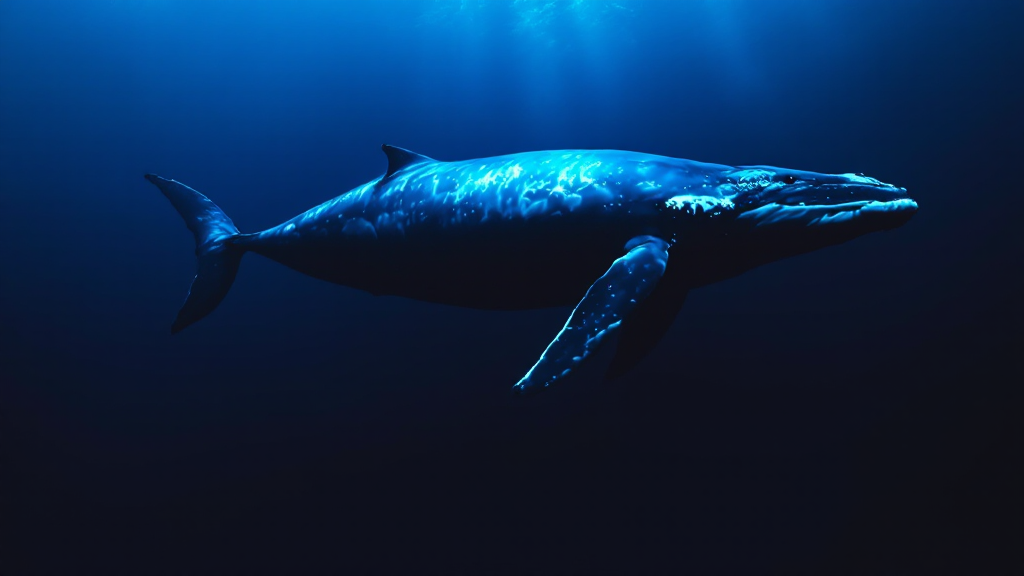
Due to warming and the reduction of ice cover, large groups of baleen whales have begun to migrate en masse to the coast of East Greenland, where they now spend the summer and consume up to a million tons of fish and krill. The study notes that these changes are creating new food chains and transforming the Arctic ecosystem.
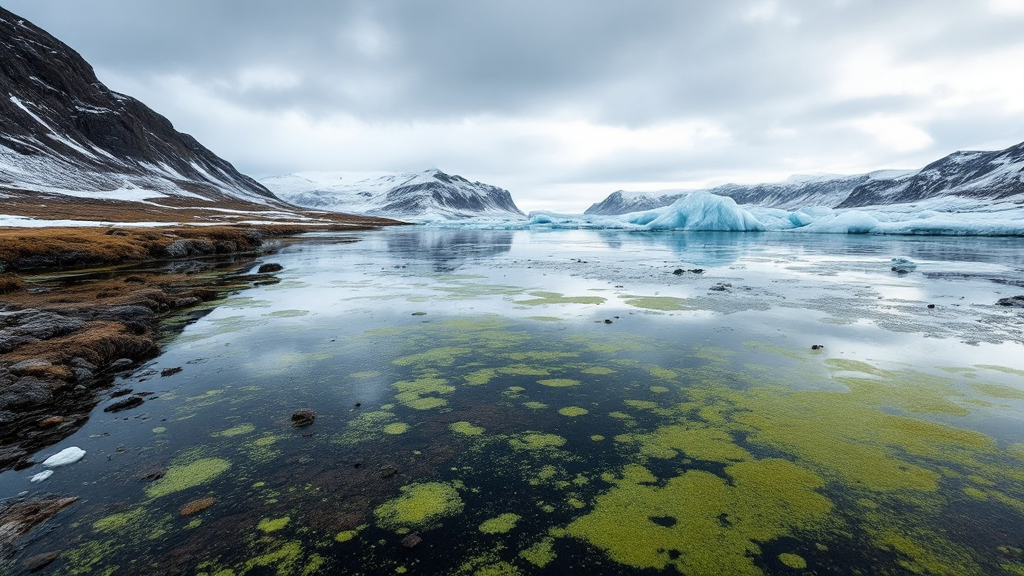
The Arctic permafrost holds vast reserves of organic carbon, which can be released into the ocean as it thaws and influence the climate. Recent studies show that only a portion of this carbon turns into greenhouse gases, while most of it remains on the ocean floor. This finding is crucial for predicting future climate changes.
Slowing of the major Atlantic Ocean current could intensify storms along the California coast and reduce snowfall in Greenland. A new study highlights how changes in the ocean can impact extreme weather events and water resources across different continents.
Over the next 30 to 50 years, forecasts for ice loss in Antarctica remain fairly reliable, which is important for planning adaptation measures to rising sea levels. However, by the end of the century, uncertainty increases, highlighting the need to improve models and strengthen international cooperation.
After the mass extinction at the end of the Triassic period, ferns quickly colonized the newly available territories, creating landscapes that contributed to frequent wildfires. Research indicates that this destructive cycle lasted for tens of thousands of years and significantly altered the planet’s ecosystems.
Satellite observations have recorded a record-fast retreat of the Hector Glacier in Antarctica: over just 15 months, it lost about 25 kilometers in length. The study highlights the importance of monitoring such processes to assess future sea level changes.
A new study has shown that warming in the United States is uneven: different regions are experiencing changes in extreme temperatures, not just in average values. This calls for tailored approaches to adaptation and climate policy.
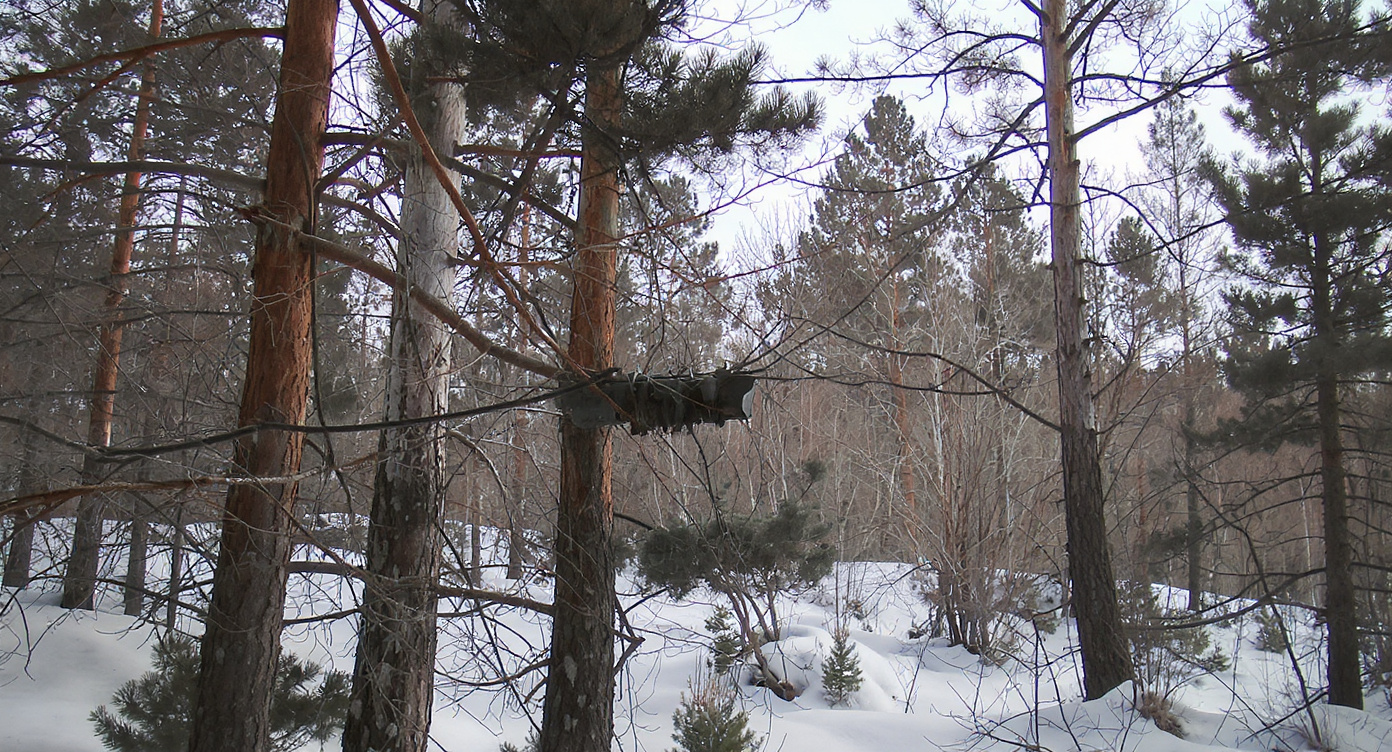
Scientists have discovered that the position of fir branches changes depending on moisture levels: when there is enough moisture, the branches rise, but during drought, they droop. This makes it possible to visually assess water stress in forests using ordinary camera traps, which simplifies ecosystem monitoring in the context of climate change.
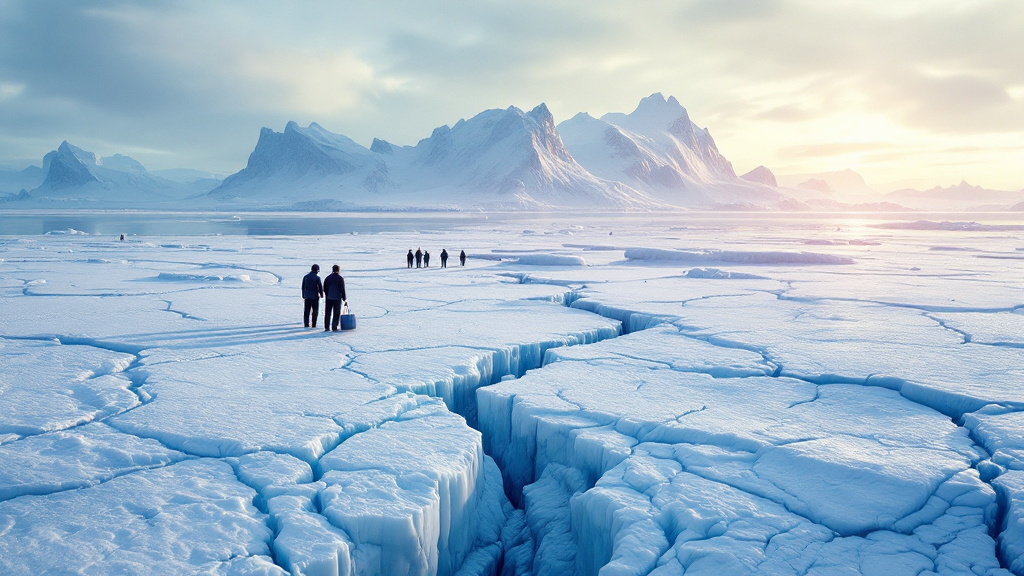
Over the past decade, the season of coastal ice along Alaska’s northern shore has significantly shortened, especially in the Chukchi and Beaufort Seas. This change is affecting the traditional way of life of local communities and their infrastructure, while also increasing the impact of waves on the coastline.
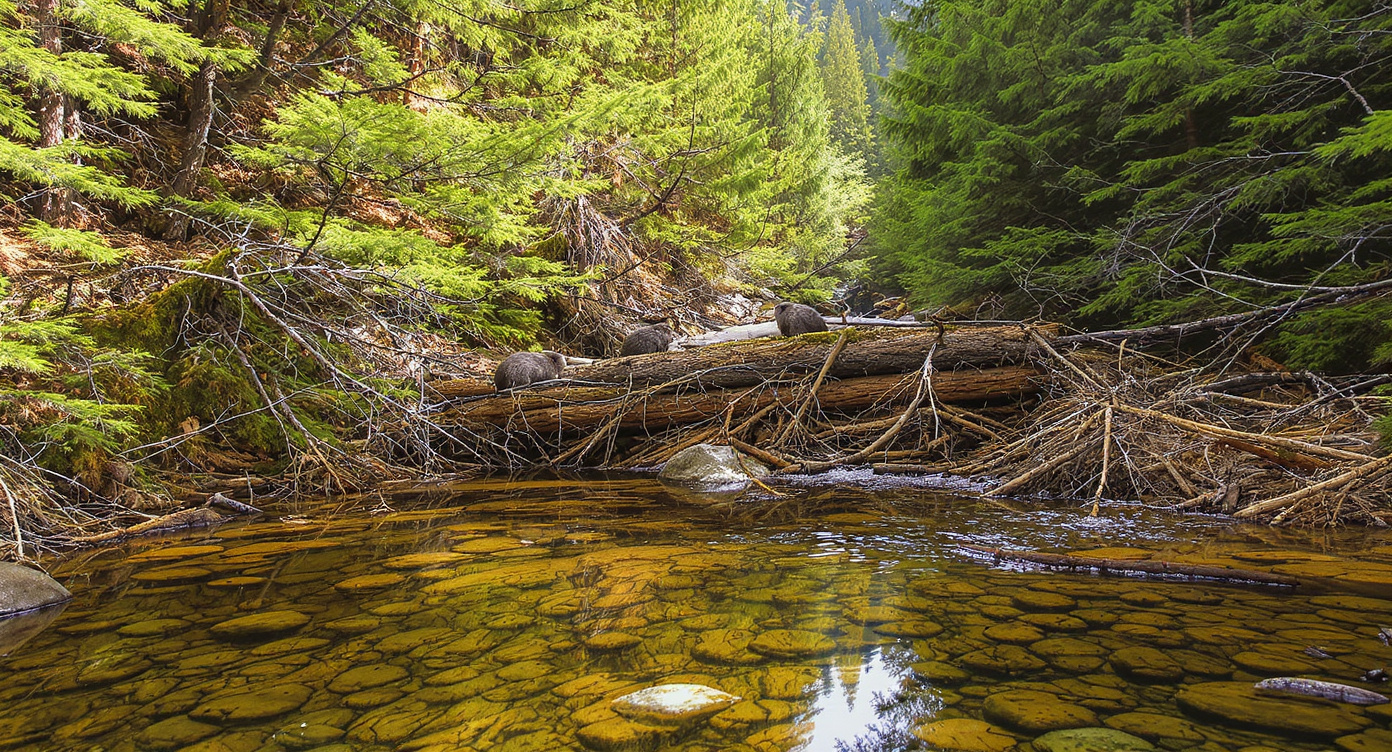
A study has shown that beaver dams enable bodies of water to store nearly 200 times more carbon than ordinary streams, thereby reducing carbon emissions into the atmosphere and oceans. Beavers alter the biogeochemistry of rivers, transforming them into highly effective carbon reservoirs.
A study has shown that the contribution of artificial intelligence to global greenhouse gas emissions remains minimal, despite increasing energy consumption. At the same time, AI can help advance environmentally friendly technologies and reduce negative impacts on the environment.

 Natura