Engineers have developed a type of concrete that is not only stronger than traditional versions but can also capture carbon dioxide from the atmosphere. This new material could help reduce the carbon footprint of the construction industry.
Denmark has launched the EU's first offshore facility for CO₂ storage, capable of handling up to 400,000 tons annually, with the potential to increase capacity to 8 million tons. This project highlights the importance of developing regulatory and investment frameworks to enable large-scale carbon capture in Europe.
After the mass extinction at the end of the Triassic period, ferns quickly colonized the newly available territories, creating landscapes that contributed to frequent wildfires. Research indicates that this destructive cycle lasted for tens of thousands of years and significantly altered the planet’s ecosystems.
A new AI-powered system developed by Hebrew University leverages advanced imaging and machine learning to optimize indoor green walls, enhancing plant health, lowering maintenance needs, and promoting energy-efficient building design.
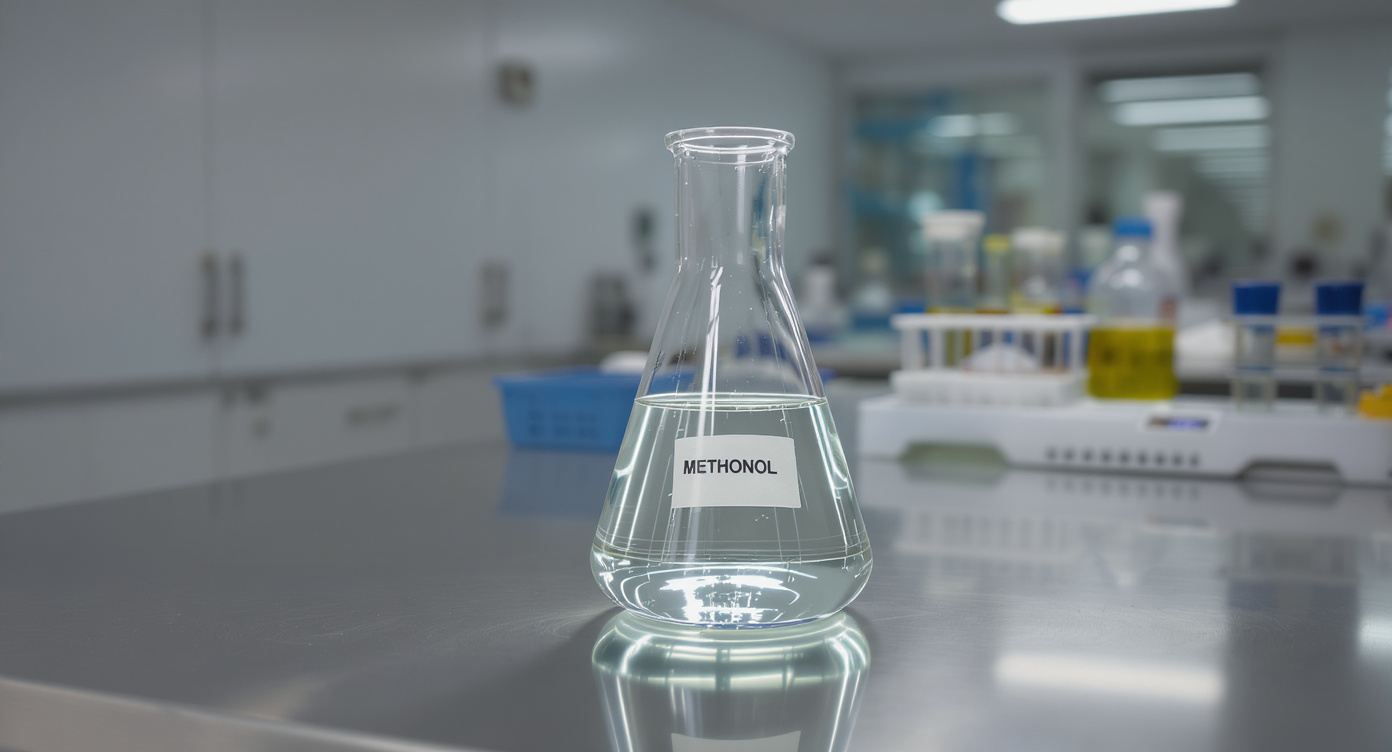
Scientists at ETH Zurich have developed a catalyst based on individual indium atoms that significantly increases the efficiency of producing methanol from CO2 and hydrogen. This approach enables the efficient use of rare metals and supports the advancement of sustainable chemical production.
Astronomers have discovered a new super-Earth class exoplanet, TOI-1080 b, orbiting a red dwarf star 83 light-years from Earth. The planet is larger and more massive than Earth, but it lies outside the habitable zone of its star.
Some species of ants have learned to transform carbon dioxide from their underground nests into a durable mineral layer that strengthens their exoskeleton and protects the colony. This process allows the insects to simultaneously get rid of excess CO2 and reinforce their outer shell.
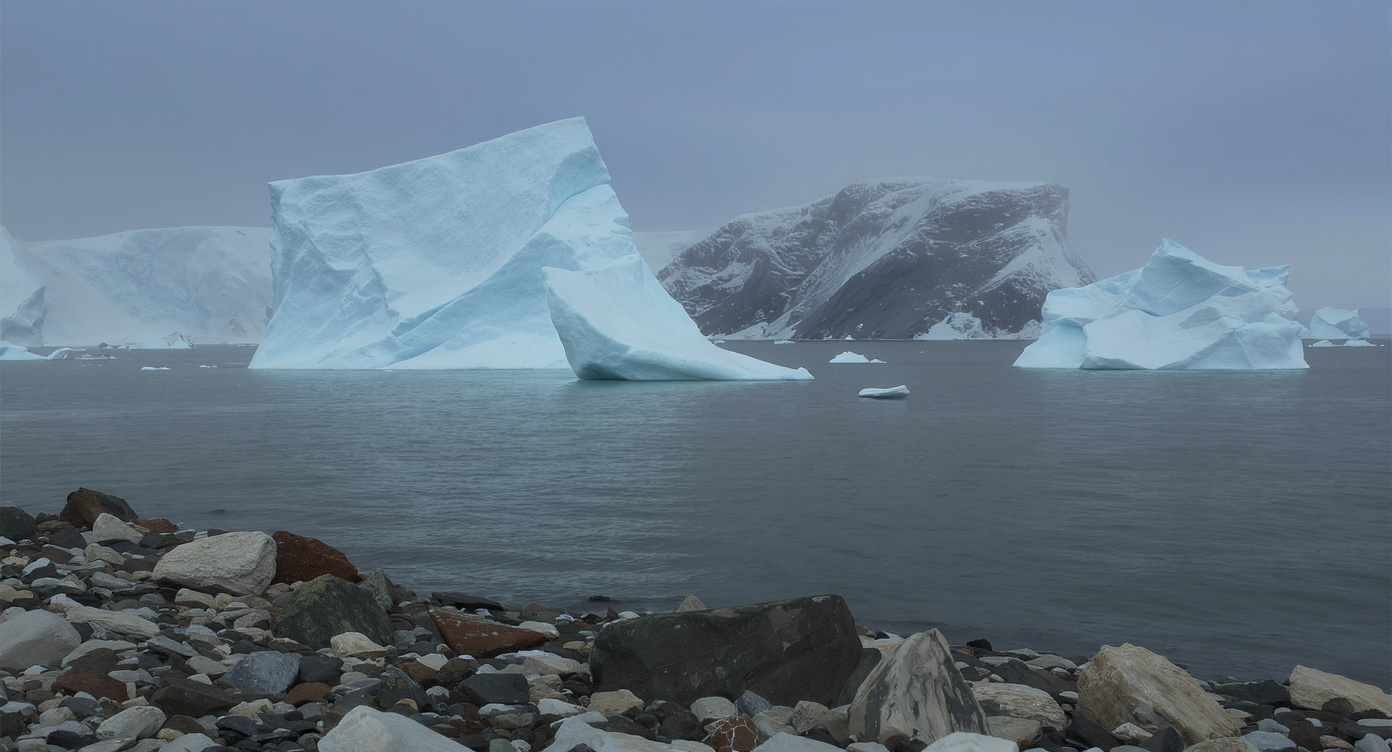
A new study has found that the iron delivered to the Southern Ocean by icebergs is often not easily accessible to algae and does not stimulate their growth as previously believed. This could reduce the ocean's ability to absorb carbon dioxide as climate warming continues.
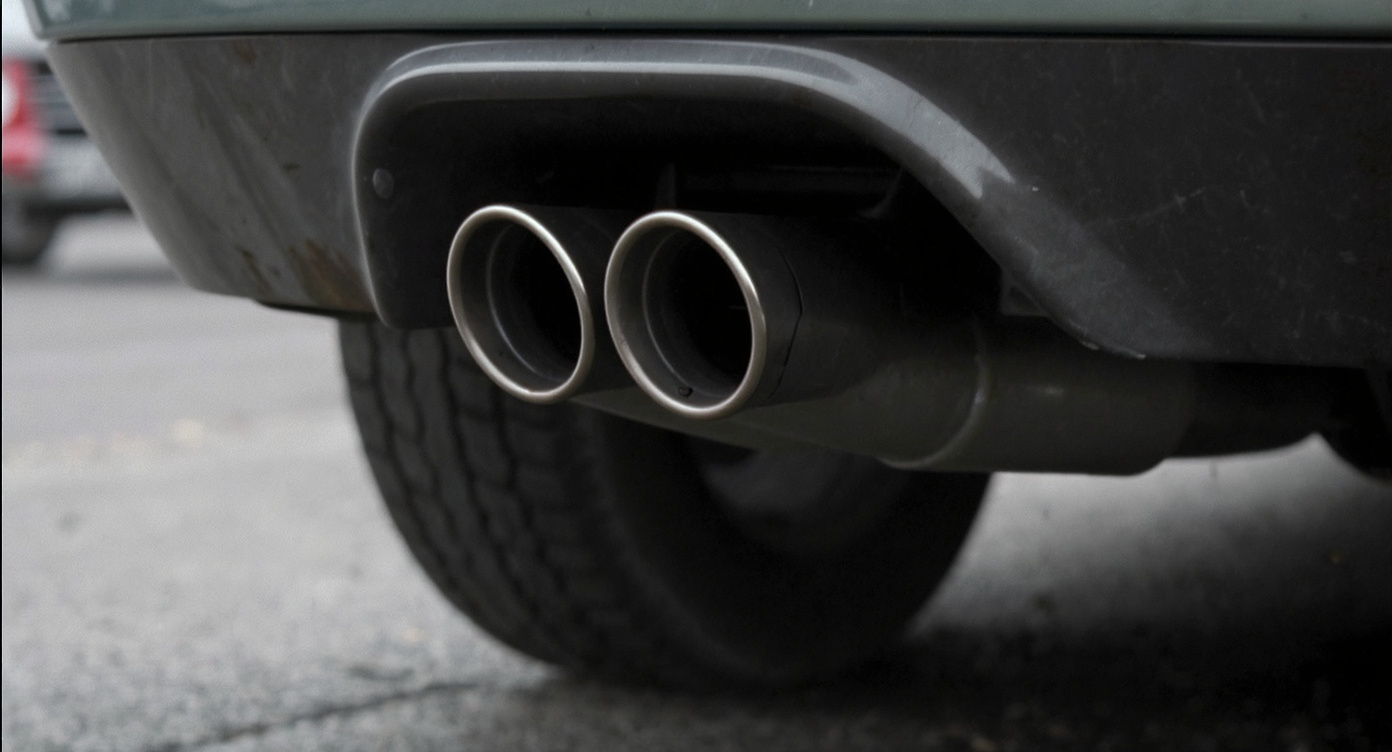
The European Union has decided against a complete ban on the sale of new cars with internal combustion engines and plans to introduce more flexible regulations aimed at reducing CO₂ emissions.
A new study has shown that coarse gravel on the ocean floor can accumulate and retain significant amounts of CO2 over millions of years, playing an important role in Earth's long-term carbon cycle.
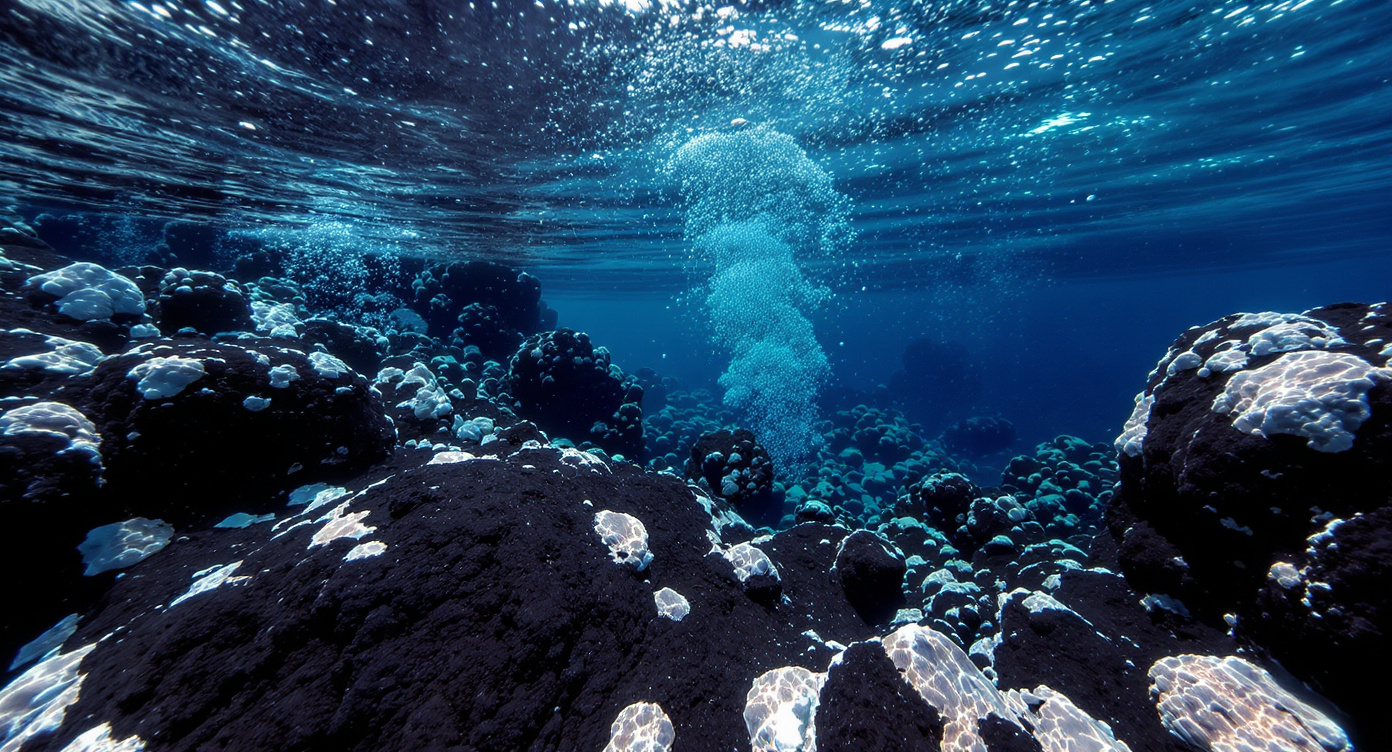
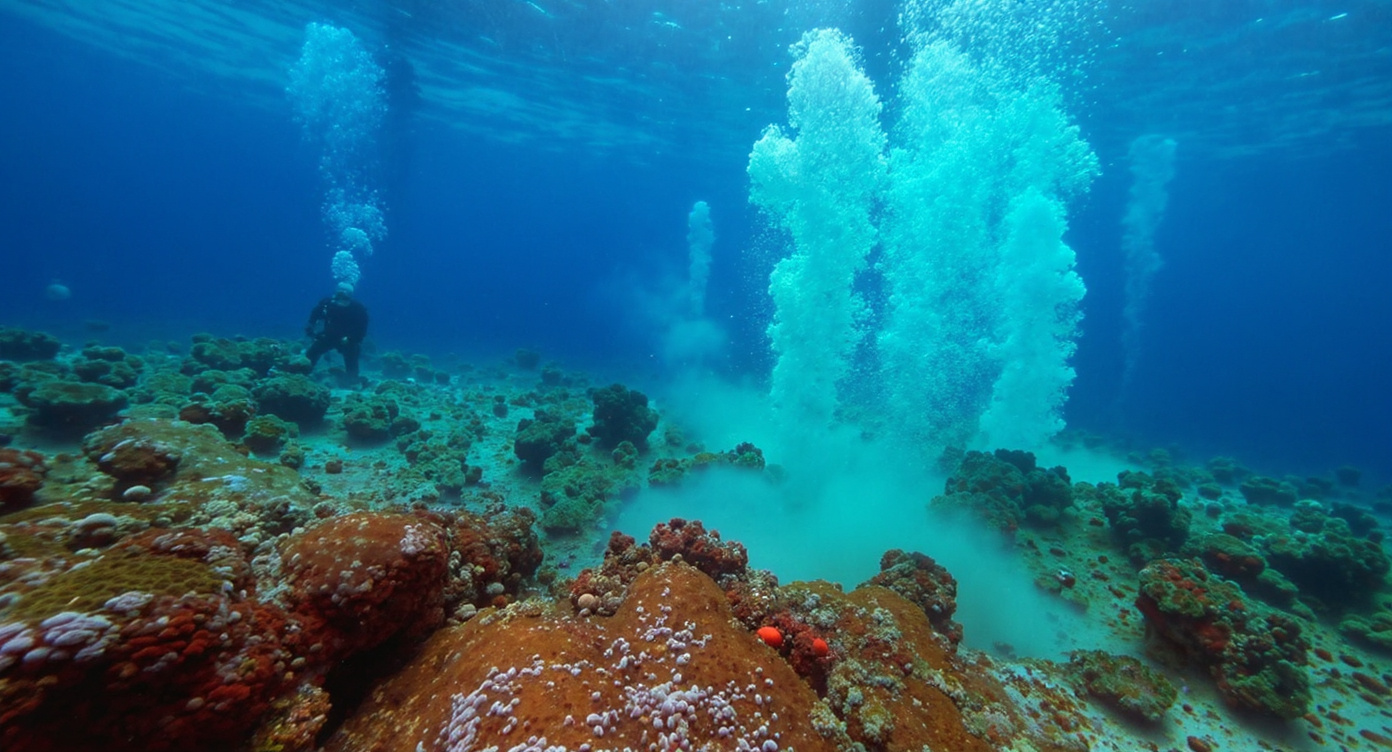
A study of coral reefs off the coast of Papua New Guinea has shown how increasing ocean acidity is gradually transforming marine ecosystems: corals are being replaced by algae, and biodiversity is declining. These findings help predict the future of reefs and coastal communities as CO2 emissions continue to rise.
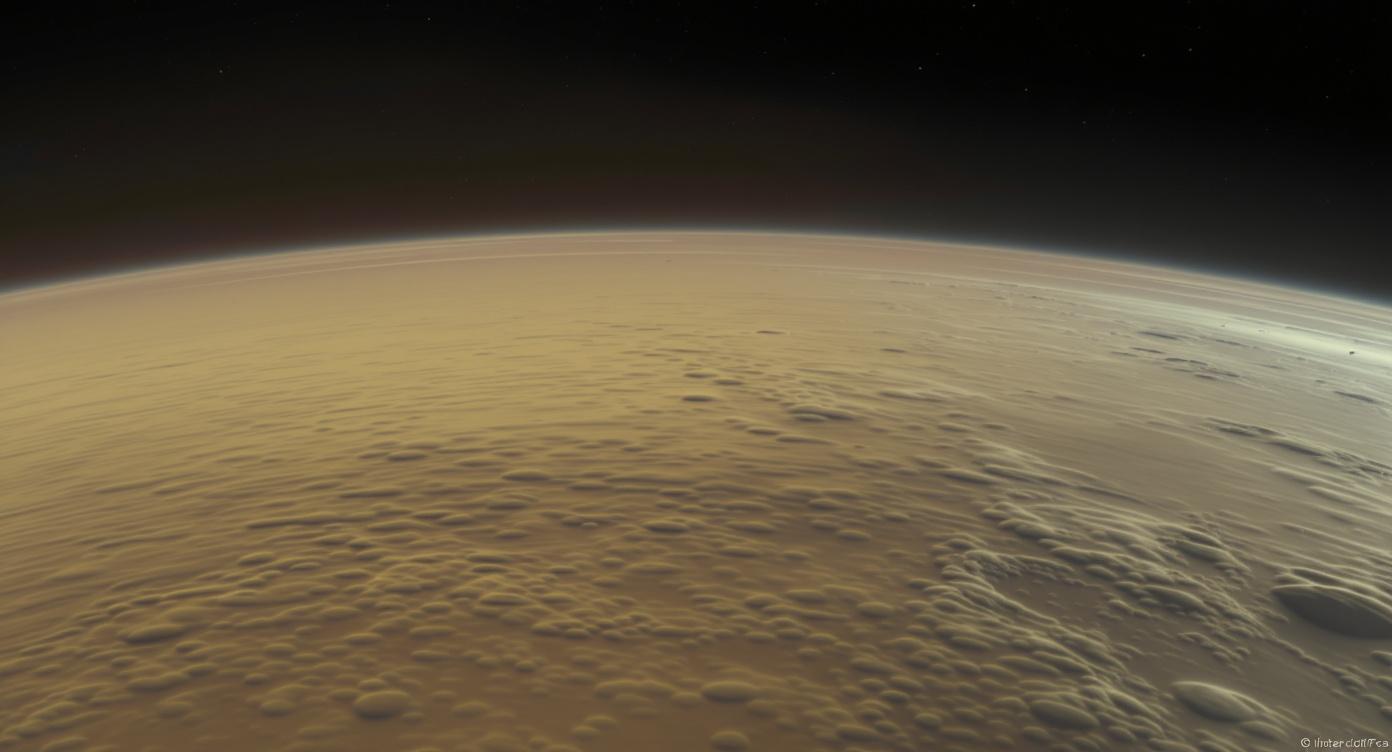
Chemical traces have been detected in Venus's atmosphere, indicating frequent and intense lightning hidden beneath its thick clouds. Scientists are discussing the possible origins of these phenomena and their role in the planet's chemistry.


 Ingenium