One of the world's largest methanol producers, Methanex, is suspending operations at its Titan plant in Trinidad and Tobago due to disagreements over natural gas pricing. The company plans to mothball the facility until new commercial terms are reached.
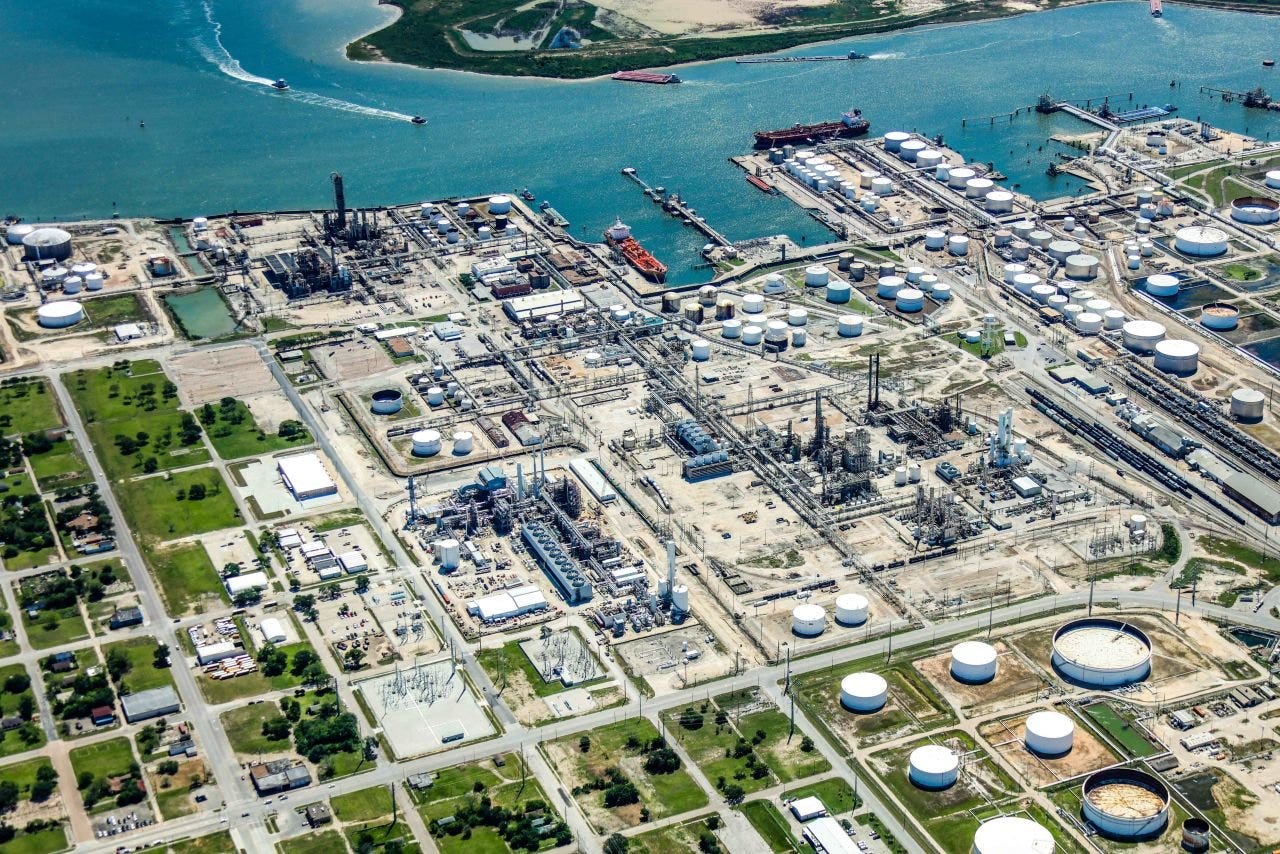
Ineos and Sandpiper Chemicals plan to build a low-carbon methanol plant in Texas with an annual capacity of 1.1 million tons. The $1.7 billion project is scheduled to launch in 2030 and will utilize technology capable of capturing 97% of carbon emissions.
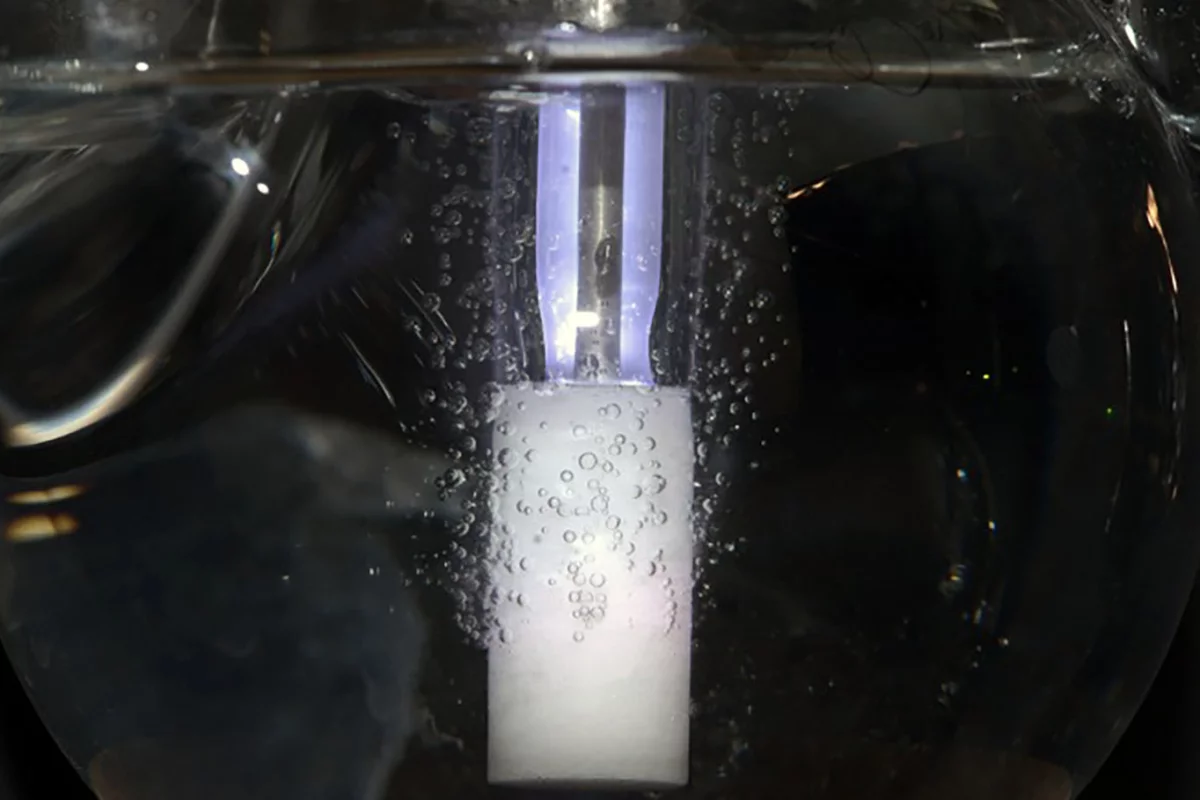
Scientists have developed a technology that uses plasma to efficiently convert methane into methanol without the need for high temperatures or pressure, reducing both energy consumption and the environmental impact of production. This new method could simplify the process of obtaining clean fuel directly at methane extraction sites.
Scientists at ETH Zurich have developed a catalyst based on individual indium atoms that significantly increases the efficiency of producing methanol from CO2 and hydrogen. This approach enables the efficient use of rare metals and supports the advancement of sustainable chemical production.
Recent studies have shown that the interstellar comet 3I/ATLAS contains an unusually high amount of methanol compared to other comets. This suggests that it formed under conditions different from those in our Solar System and helps us better understand the chemistry of other planetary systems.


 Petrus