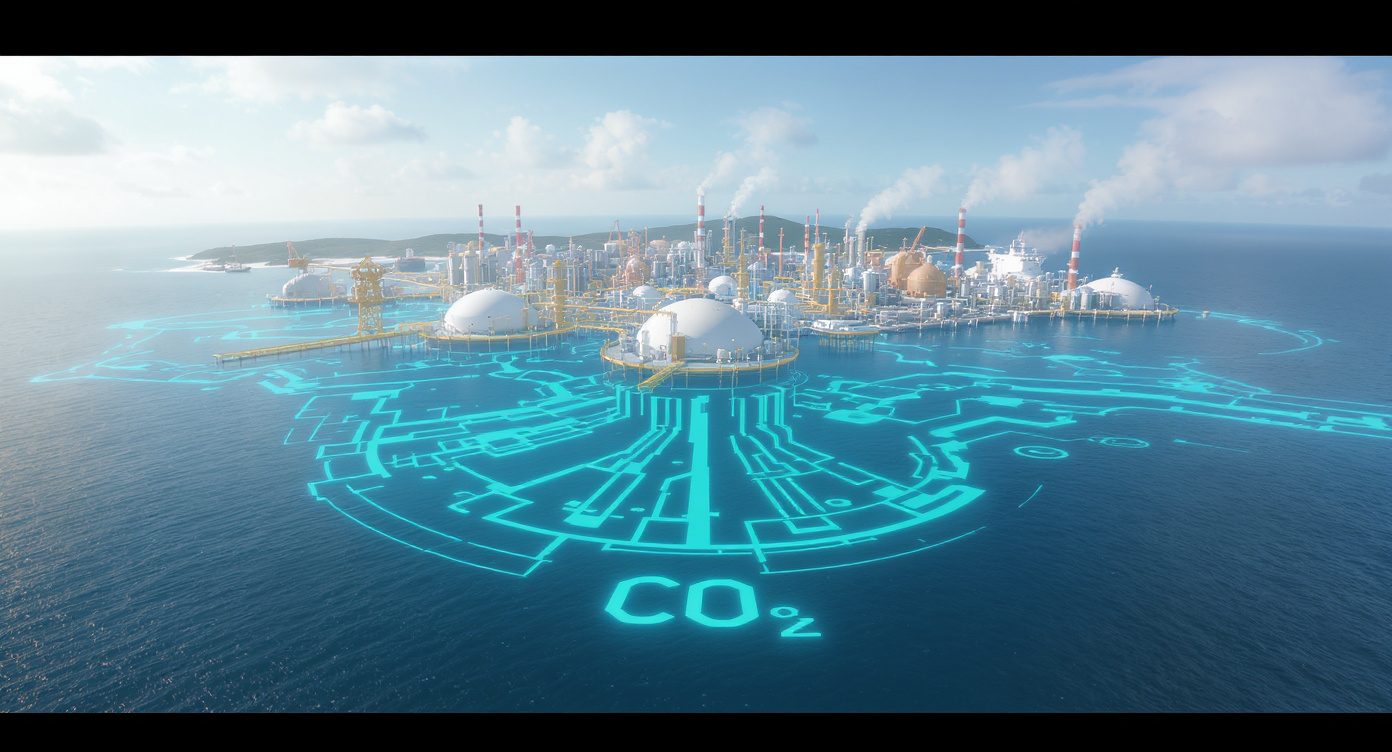
Denmark has launched the EU's first offshore facility for CO₂ storage, capable of handling up to 400,000 tons annually, with the potential to increase capacity to 8 million tons. This project highlights the importance of developing regulatory and investment frameworks to enable large-scale carbon capture in Europe.
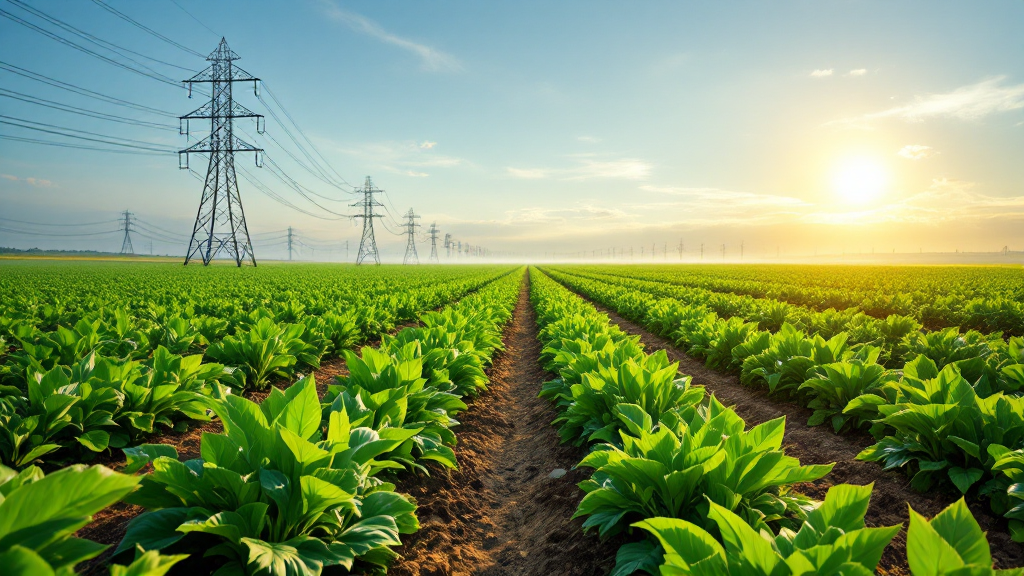
Irrigation in U.S. agriculture helps increase crop yields without expanding cultivated land, which prevents greenhouse gas emissions from converting natural areas. Efficient water use and the adoption of environmentally friendly technologies can further enhance the climate performance of the agricultural sector.
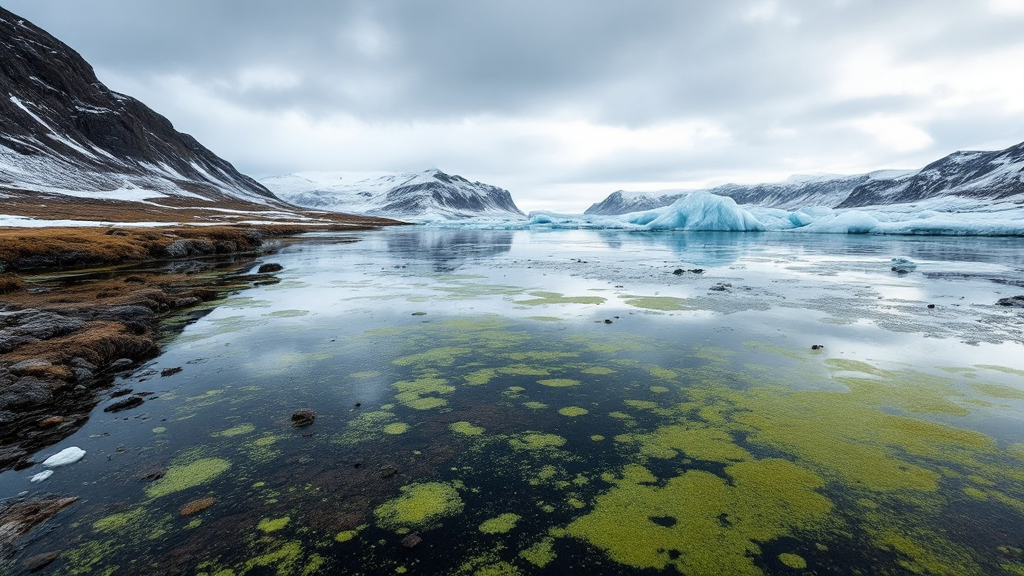
The Arctic permafrost holds vast reserves of organic carbon, which can be released into the ocean as it thaws and influence the climate. Recent studies show that only a portion of this carbon turns into greenhouse gases, while most of it remains on the ocean floor. This finding is crucial for predicting future climate changes.
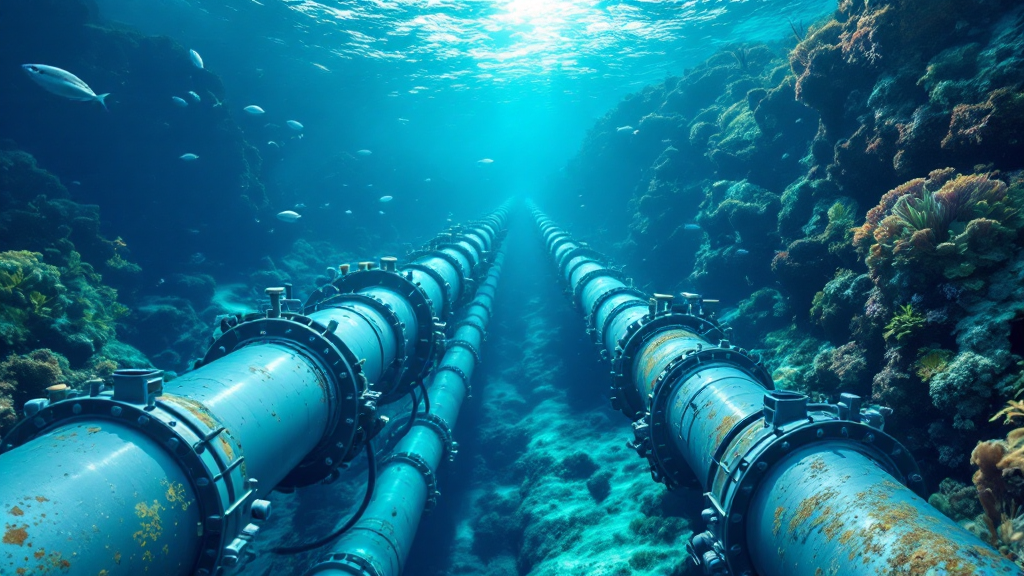
The United Kingdom is actively developing the carbon storage market, exploring the use of new and repurposed pipelines for transporting CO2. These measures are considered essential for achieving the country's climate goals by 2050.
Against the backdrop of instability in Asia's energy sector, Japan is strengthening international cooperation and investment through the Jogmec agency to ensure stable energy supplies and to promote the development of alternative energy sources.
The European Commission has launched an in-depth investigation into the planned merger of Saipem and Subsea7 due to concerns about reduced competition in the offshore engineering services market. A final decision is expected by November 26.
American Bureau of Shipping and HD Hyundai Heavy Industries have signed a memorandum of cooperation in the fields of sustainable development, decarbonization, and digital innovation in the offshore sector. The companies will also explore joint projects in wind energy, offshore substations, and carbon capture technologies.
Norway is launching the offshore Trudvang CCS project for carbon capture and storage, designed to capture up to 9 million tons of CO₂ per year—almost 20% of the country’s total emissions. The project is scheduled to begin operations in 2029, with contractors set to develop an integrated chain for transporting and storing CO₂.
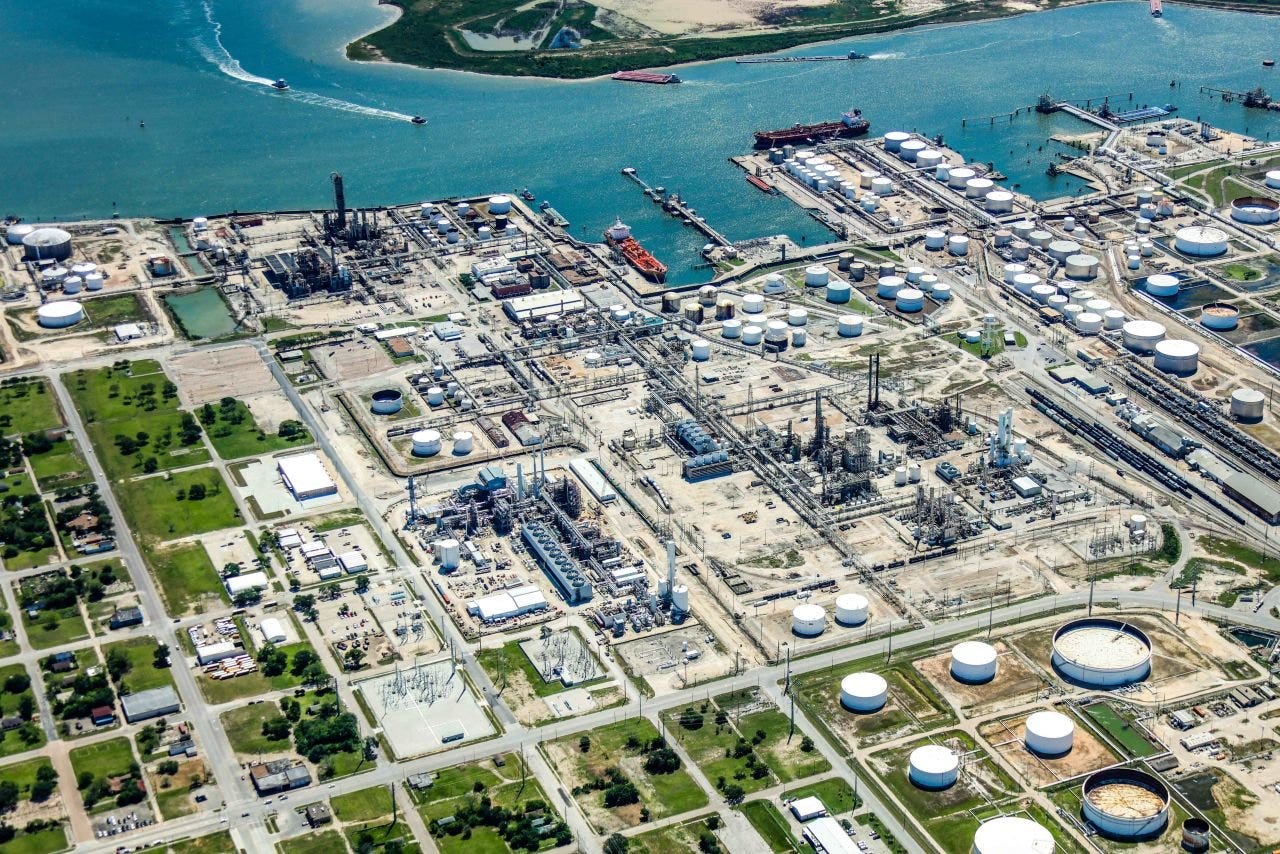
Ineos and Sandpiper Chemicals plan to build a low-carbon methanol plant in Texas with an annual capacity of 1.1 million tons. The $1.7 billion project is scheduled to launch in 2030 and will utilize technology capable of capturing 97% of carbon emissions.
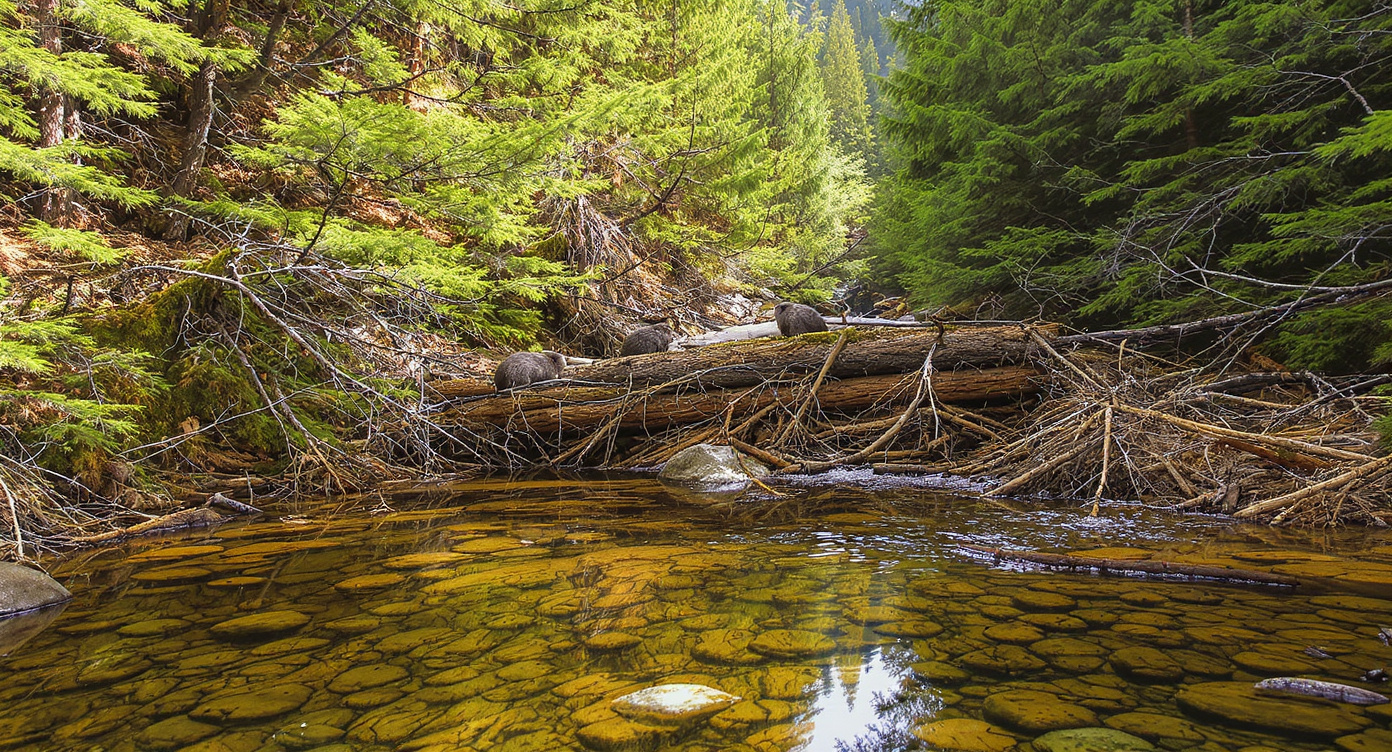
A study has shown that beaver dams enable bodies of water to store nearly 200 times more carbon than ordinary streams, thereby reducing carbon emissions into the atmosphere and oceans. Beavers alter the biogeochemistry of rivers, transforming them into highly effective carbon reservoirs.
Astronomers have discovered a star with an extremely primitive chemical composition, containing almost no iron, in the dwarf galaxy Pictor II. Studying this star helps scientists better understand the properties of the first generations of stars in the Universe.
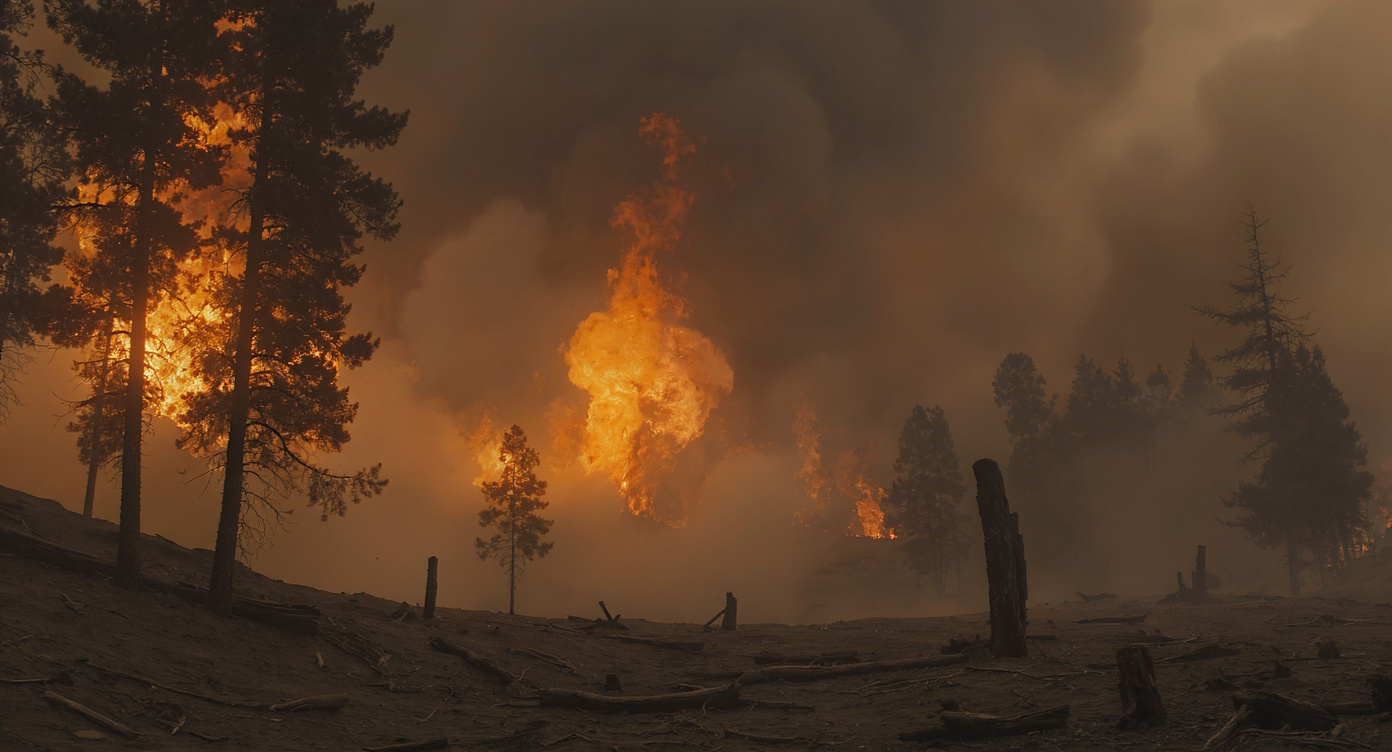
A new study has shown that wildfires in boreal forests release much more carbon into the atmosphere than previously thought, especially due to the underground burning of peatlands. This finding calls for a reassessment of climate models and risk management strategies.
A new study has shown that even weak magnetic fields can significantly influence the growth and size of nanoparticles in dusty plasma. This discovery opens up possibilities for precise control over the synthesis of nanomaterials and helps to better understand the processes occurring in space.
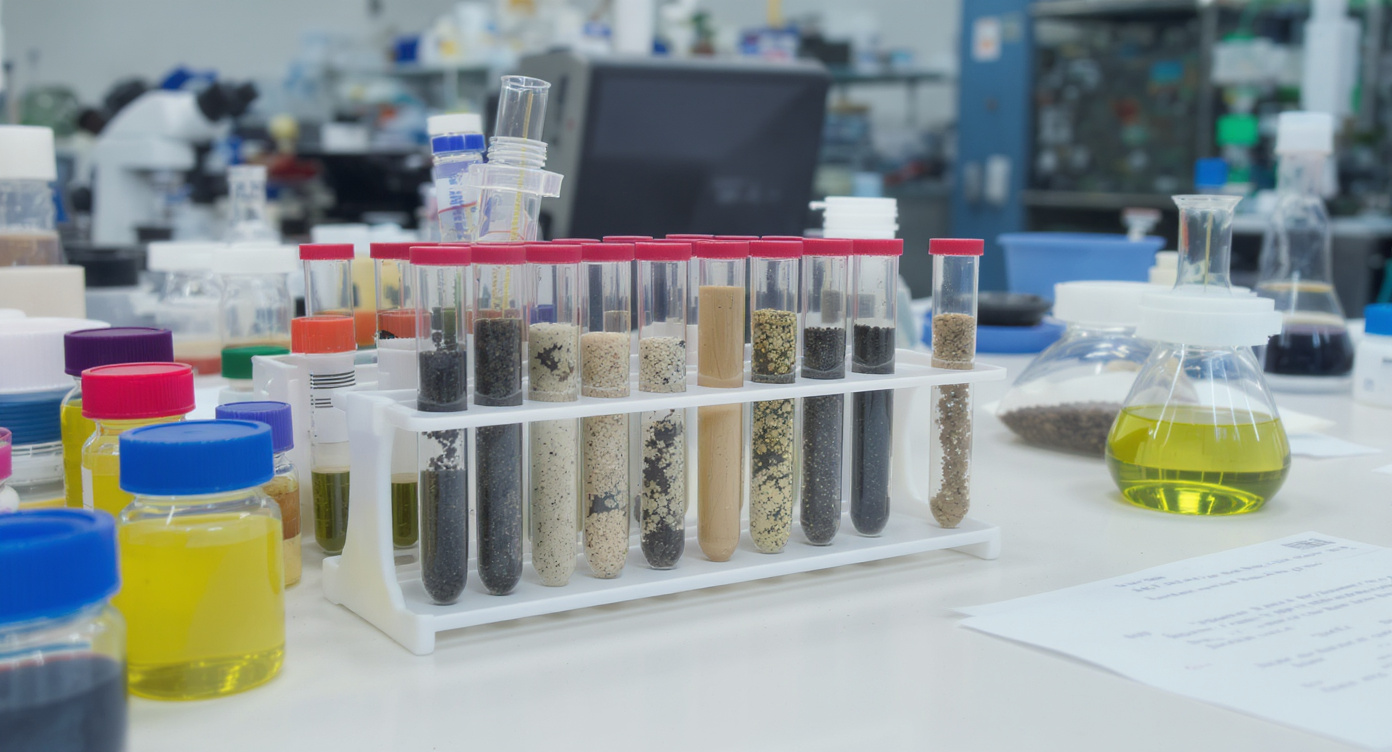
A new study has shown that an increase in temperature alone does not raise CO₂ emissions from nutrient-poor soils—available forms of carbon and nutrients are also necessary for this to occur. This finding refines our understanding of the carbon balance in nature.

 Vigor
Vigor