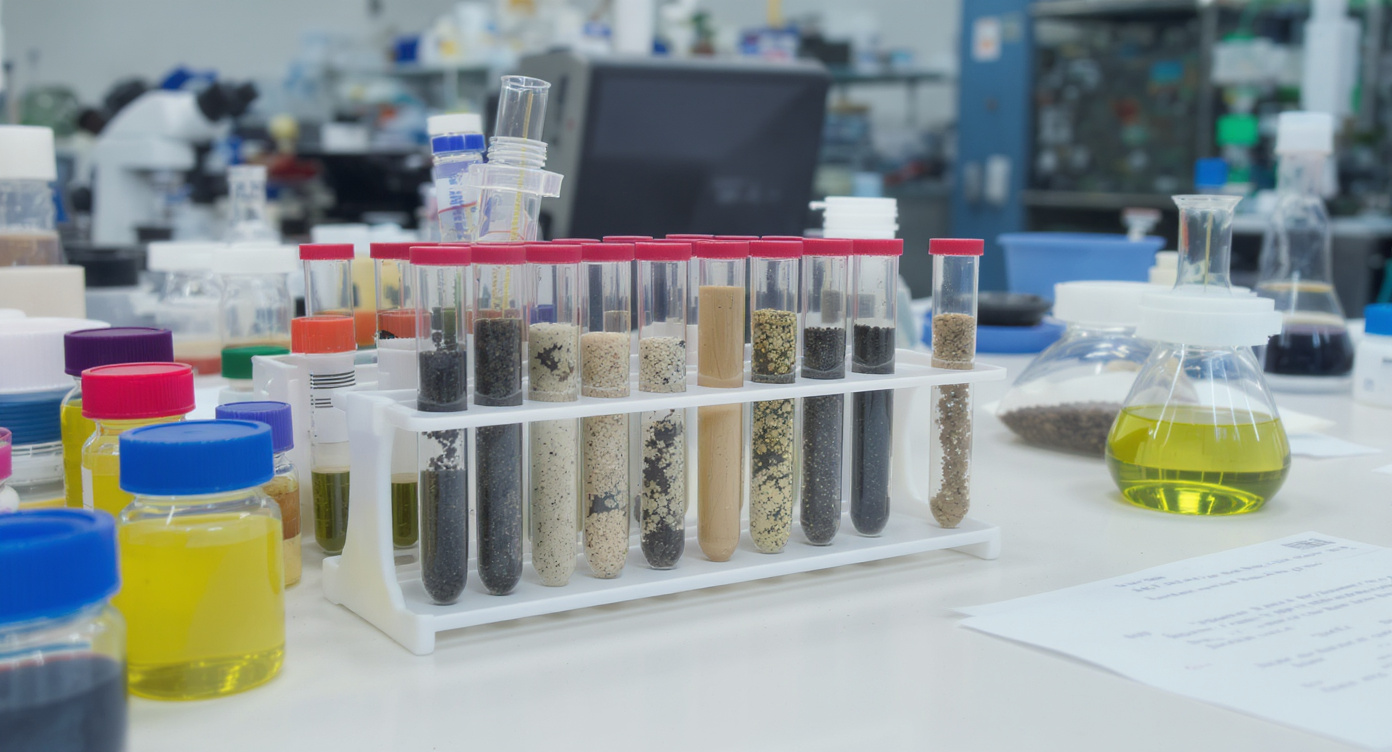
Scientists have developed a more accessible and cost-effective method for determining biologically active phosphorus in soil, which is linked to microbial activity. This new approach will help study soil fertility more efficiently and make better use of limited phosphorus resources in agriculture.
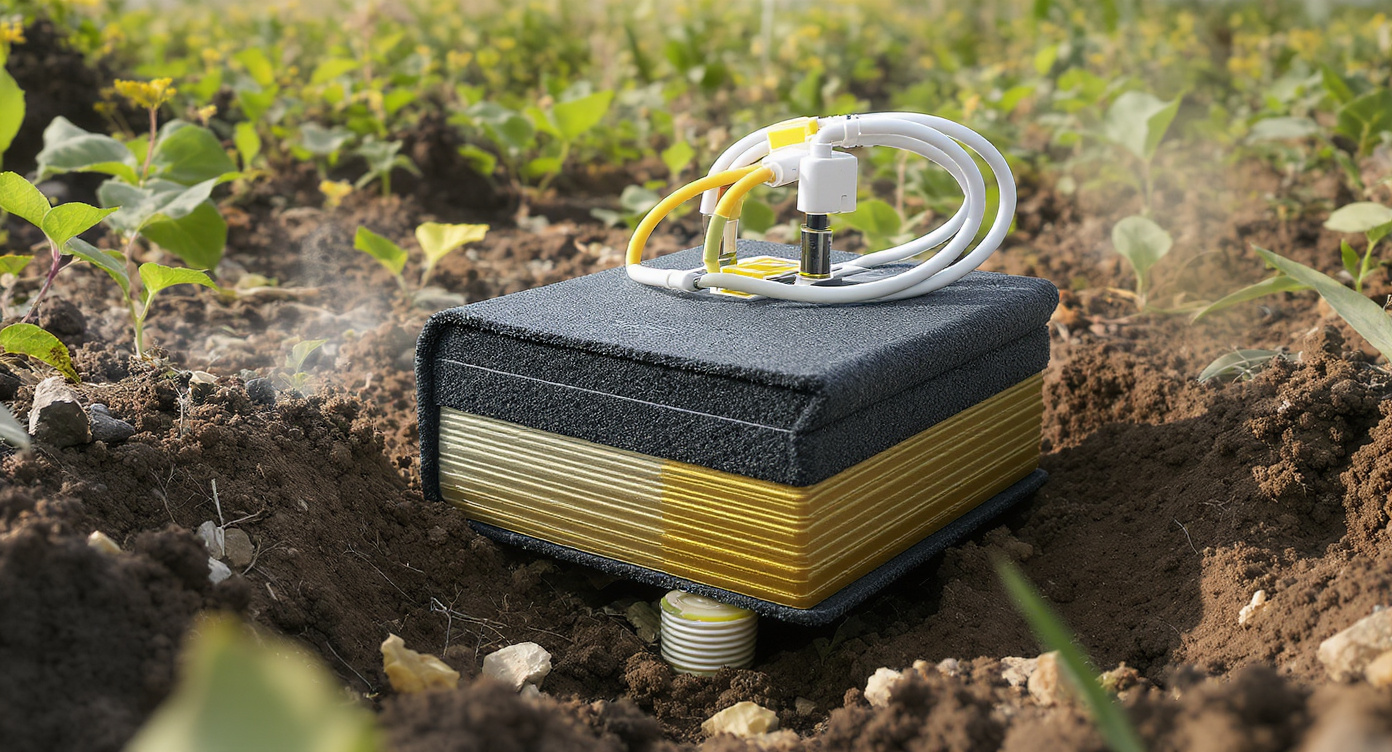
Researchers have developed a fuel cell that generates electricity using soil microbes, providing an eco-friendly way to power underground sensors for agriculture and environmental monitoring. This new technology operates in various conditions and could serve as an alternative to traditional batteries, helping to reduce electronic waste.
A new study has shown that microplastics are actively accumulating in forest soils, mainly entering them from the atmosphere and with falling leaves. Forests are becoming indicators of atmospheric microplastic pollution, which may pose an additional threat to ecosystems.
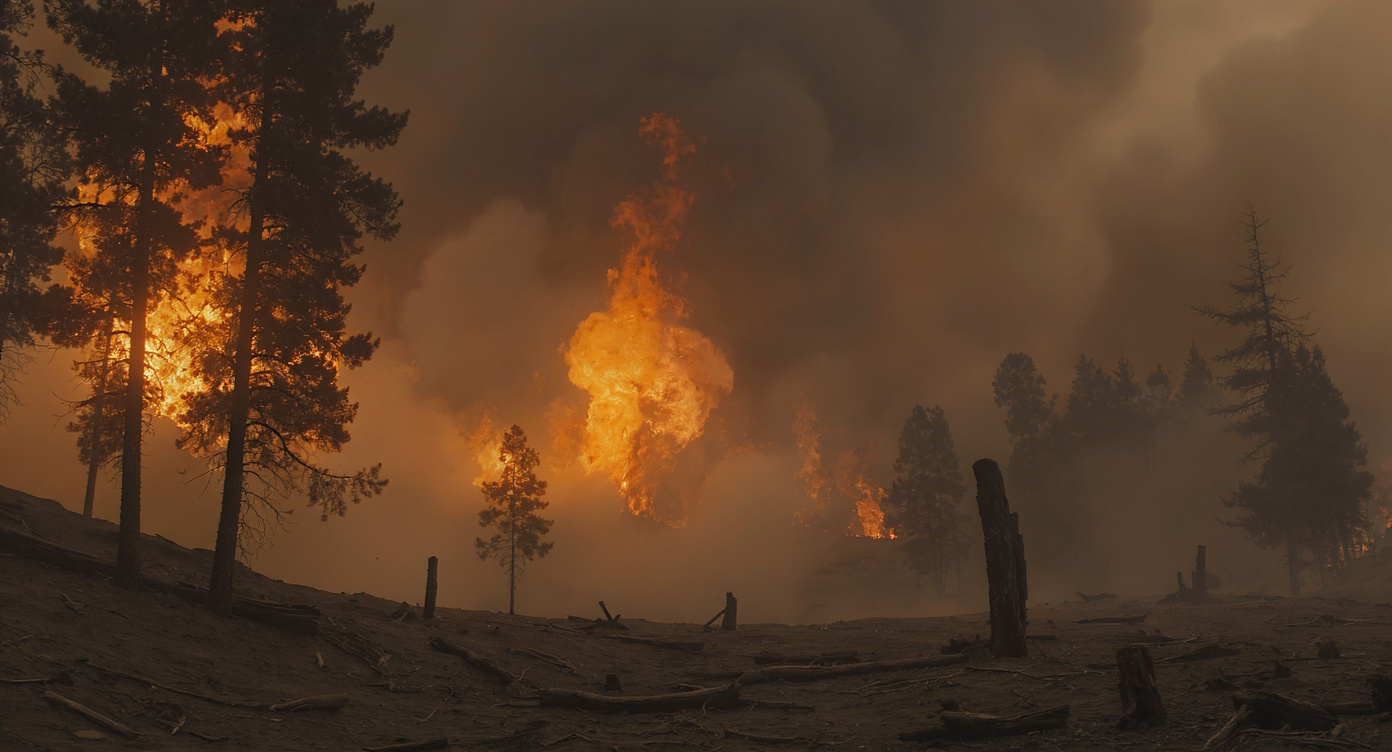
A new study has shown that wildfires in boreal forests release much more carbon into the atmosphere than previously thought, especially due to the underground burning of peatlands. This finding calls for a reassessment of climate models and risk management strategies.
A new study has revealed that beneath the surface of the Atacama Desert lies a more resilient and diverse community of soil organisms than previously thought. These findings help us better understand how life adapts to extreme conditions and how climate change may impact the ecosystems of arid regions.
Новое исследование показало, что даже единственный коренной вид насекомых Антарктиды уже сталкивается с микропластиком. Учёные обнаружили пластиковые частицы внутри личинок Belgica antarctica, что свидетельствует о проникновении загрязнения даже в самые изолированные экосистемы планеты.
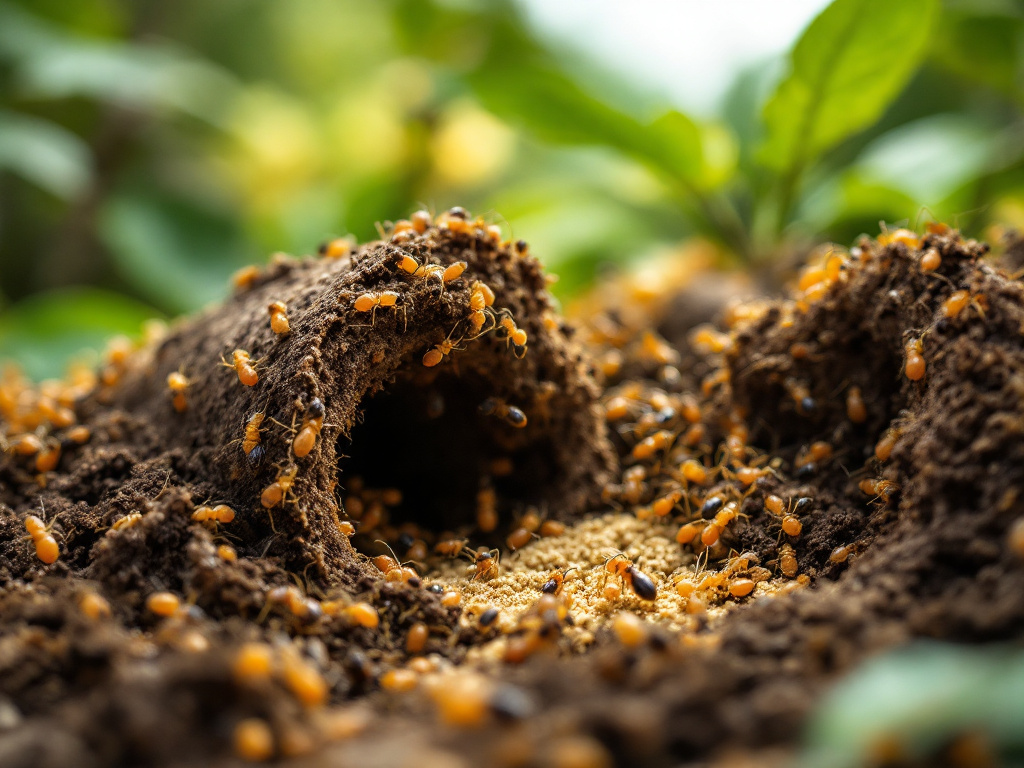
Termites protect their mushroom farms from harmful fungi using a sophisticated strategy: they isolate infected areas and cover them with soil enriched with antifungal microorganisms. This approach allows them to effectively preserve their crops and prevent the spread of infection.
A new study has shown that an increase in temperature alone does not raise CO₂ emissions from nutrient-poor soils—available forms of carbon and nutrients are also necessary for this to occur. This finding refines our understanding of the carbon balance in nature.


 Cursus