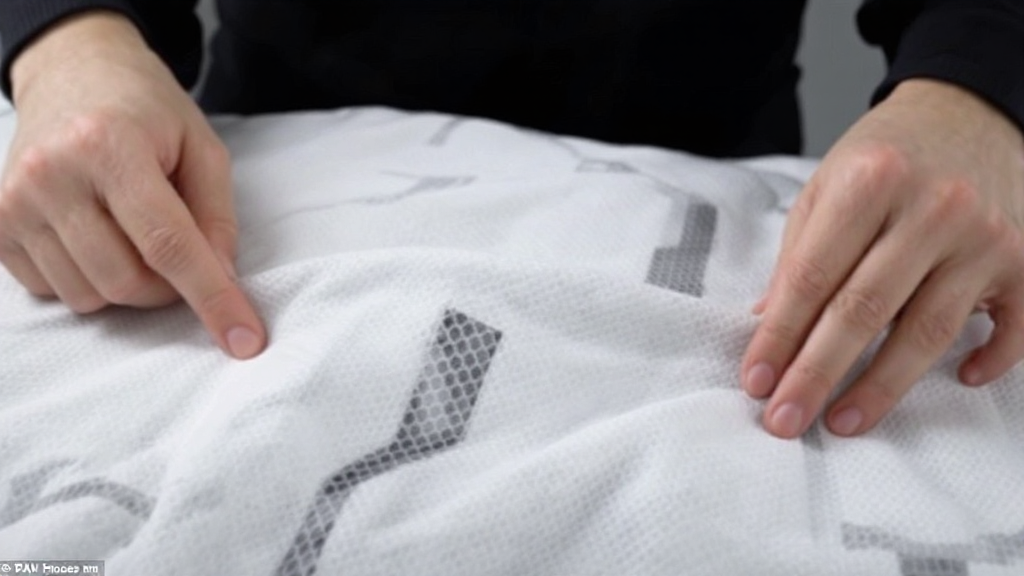
Researchers have developed an innovative nanofabric that reflects sunlight, cools the body, tracks movement, and can generate electricity without complex designs. This material opens up new possibilities for smart clothing with health monitoring and climate adaptation features.
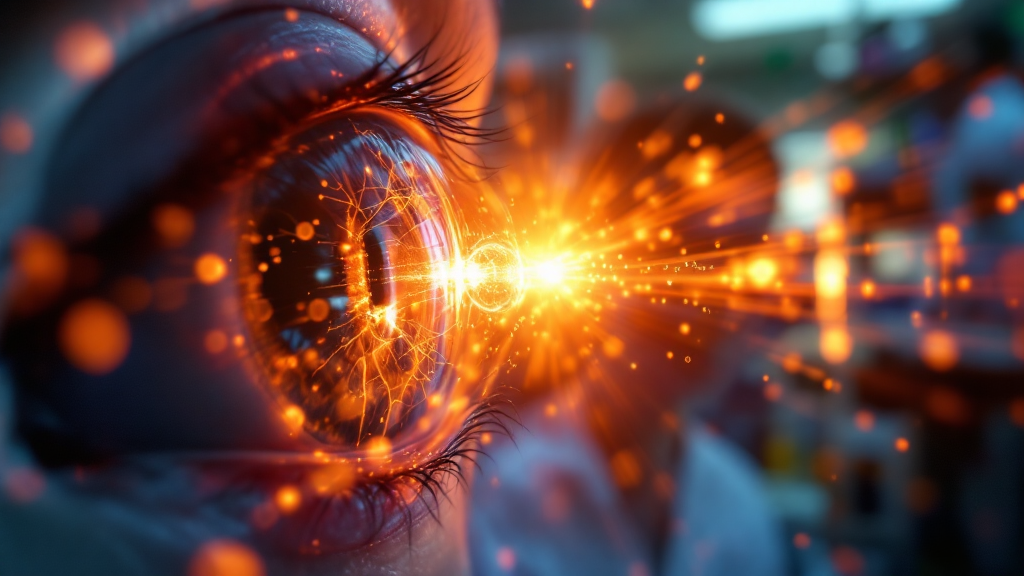
Scientists have developed nanoparticles that, when injected into the eye, can restore vision after retinal damage by replacing lost photoreceptors. This technology does not require surgery and is suitable for various causes of vision loss.
Engineers have developed a type of concrete that is not only stronger than traditional versions but can also capture carbon dioxide from the atmosphere. This new material could help reduce the carbon footprint of the construction industry.
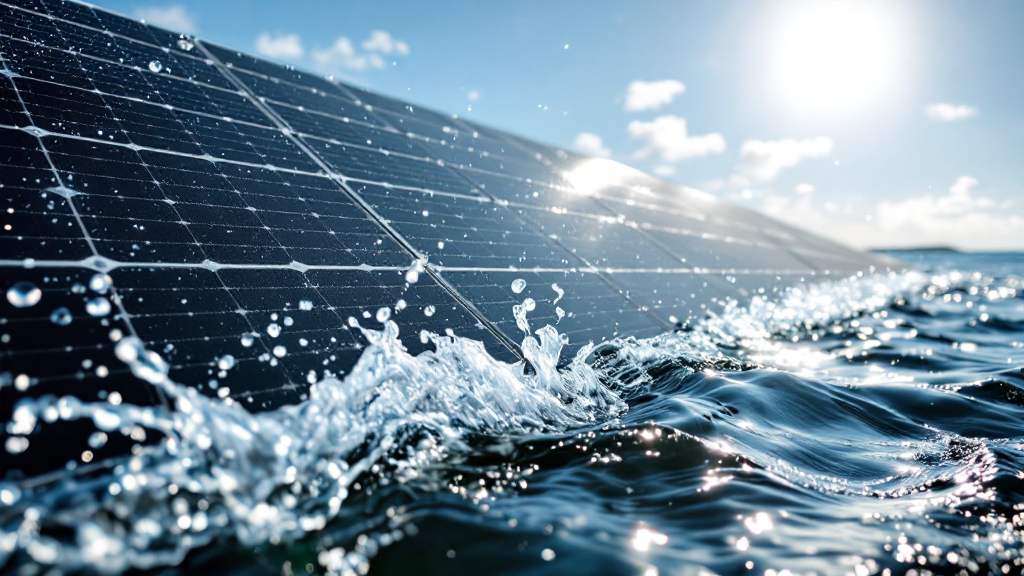
Scientists have developed a new solar desalination technology that efficiently purifies seawater and allows for the extraction of valuable minerals, including lithium, without producing harmful waste. This system can simultaneously expand access to fresh water and create sustainable sources of useful resources.
Researchers have developed a programmable photonic circuit capable of dynamically controlling the delay and frequency of light signals on a single chip. This technology paves the way for more flexible and efficient optical computing and communications.
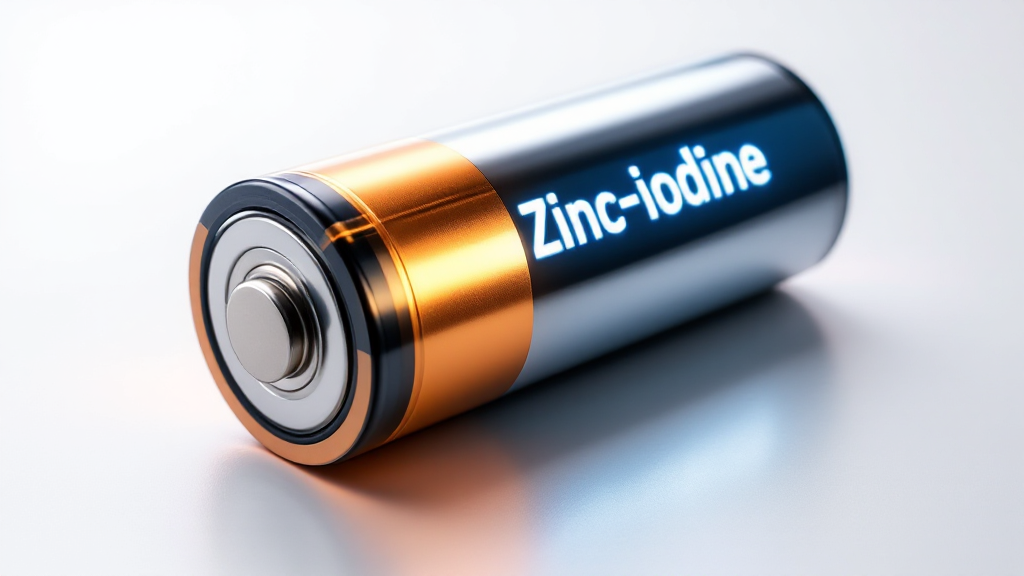
Australian scientists have developed a water-based zinc-iodine battery with a record-breaking lifespan and rapid charging capability, able to withstand more than 60,000 cycles. This new technology stands out for its safety and environmental friendliness, though it is currently still at the prototype stage.
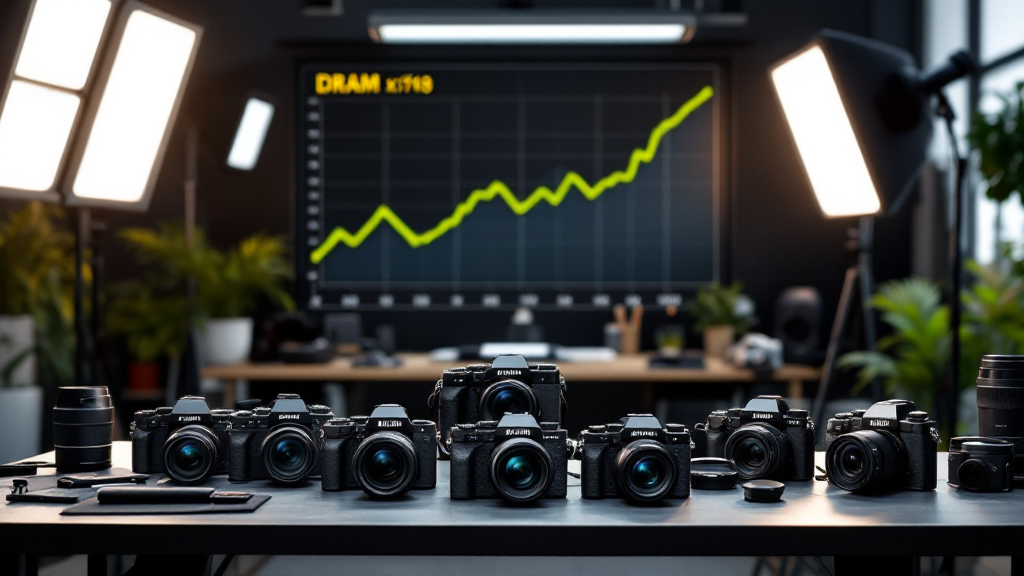
Due to the crisis in the DRAM market and rising production costs, Fujifilm will increase prices on several camera models starting September 1, 2026. Similar changes may also occur with other manufacturers.
MIT researchers have developed a compact lidar chip based on silicon photonics that offers a wide field of view and low interference without any moving parts. This technology has the potential to significantly enhance sensors for autonomous vehicles and other complex applications.
Scientists have discovered a new mechanism for energy transfer in materials—using a "proton shuttle," which significantly accelerates and improves the efficiency of triplet state energy transmission. This breakthrough could lead to the development of more efficient photocatalysts and optoelectronic devices.
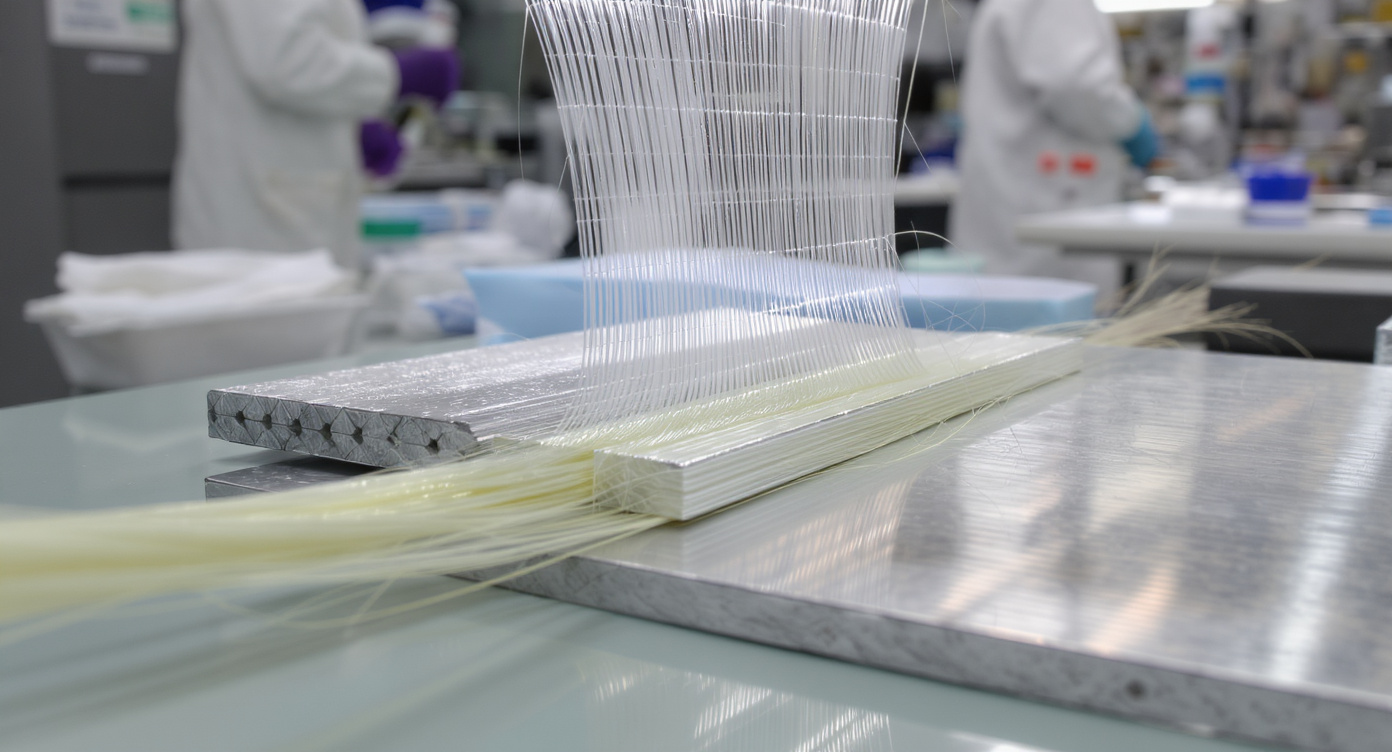
Scientists have developed a new silk-based material that boasts strength comparable to Kevlar and can polarize terahertz radiation. The technology is simple and suitable for industrial applications, opening up possibilities for use in 6G networks and protective coatings.
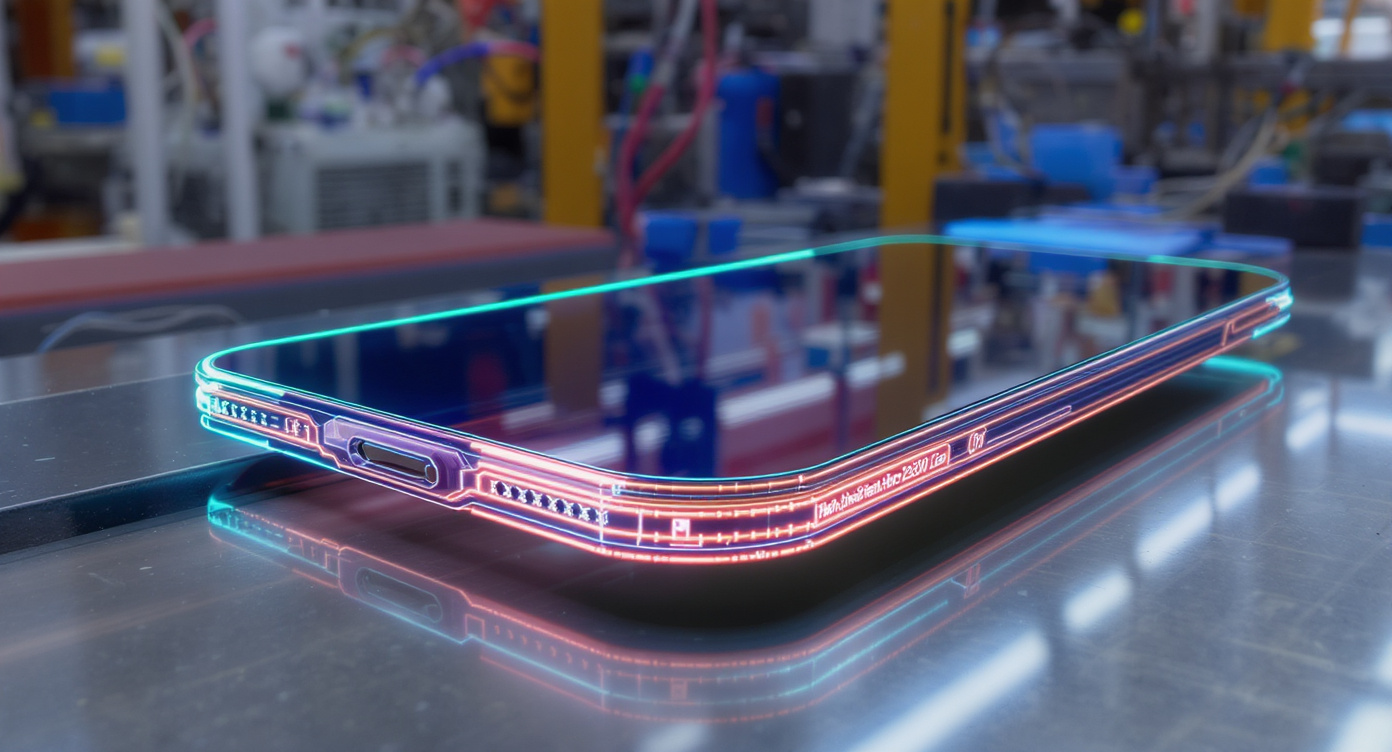
Apple is in talks with South Korean manufacturers to introduce new transparent electrodes for the development of advanced OLED displays with curved edges on all four sides, planned for the 2028 iPhone. Key suppliers are already investing in this technology to ensure mass production by the target date.
Scientists have developed a plastic coating with nanostructures that physically destroys viruses on surfaces, reducing the risk of infection. This technology can be used to protect phone screens and medical equipment.
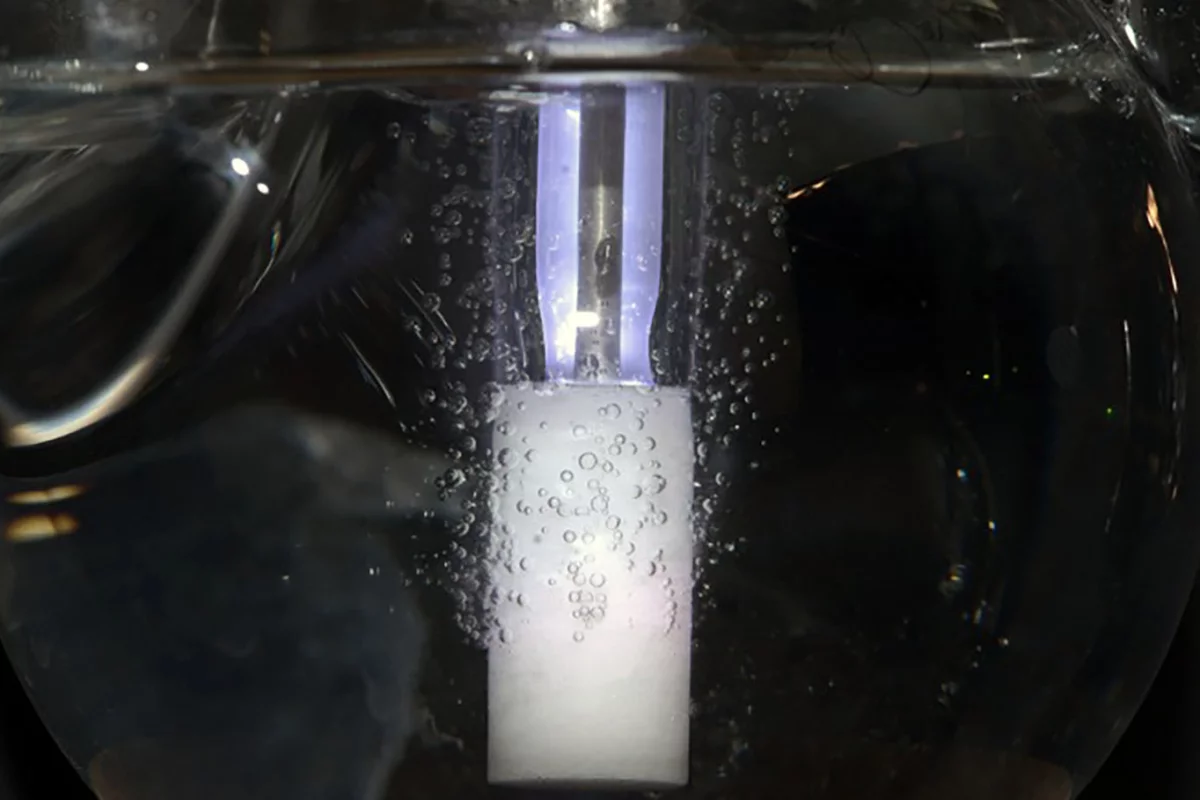
Scientists have developed a technology that uses plasma to efficiently convert methane into methanol without the need for high temperatures or pressure, reducing both energy consumption and the environmental impact of production. This new method could simplify the process of obtaining clean fuel directly at methane extraction sites.
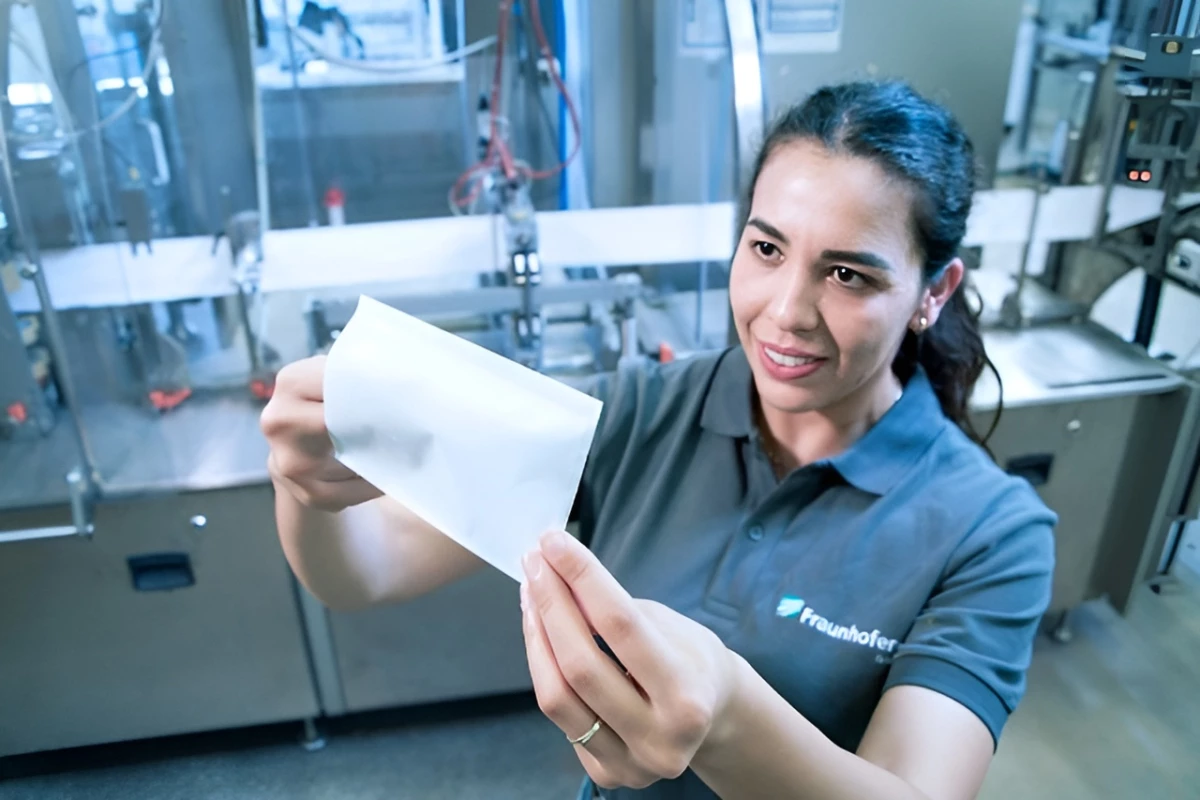
German scientists have developed a laser technology that enables the creation of airtight paper packaging without the use of plastic or glue. This new method makes packaging more environmentally friendly and simplifies its recycling.
Scientists at ETH Zurich have developed a catalyst based on individual indium atoms that significantly increases the efficiency of producing methanol from CO2 and hydrogen. This approach enables the efficient use of rare metals and supports the advancement of sustainable chemical production.

 Ingenium