The implementation of artificial intelligence in industry requires flexibility and rapid adaptation to fast-paced technological changes, while maintaining the stability and security of key processes. Companies that can quickly identify and scale effective solutions, while discarding inefficient ones, gain a competitive advantage.
China is actively investing in the development of humanoid robots, but their current technology is not yet advanced enough to replace humans in most jobs. Despite impressive demonstrations, these robots still lag behind industrial counterparts in terms of speed and versatility. Achieving a real breakthrough will require further advancements in artificial intelligence.
Northern European countries are discussing the introduction of road tolls to reduce the strain on road transport caused by drought and restrictions on navigation along the Rhine. Transport companies emphasize the need for long-term solutions, as alternative routes are unable to handle the increased volume of freight.
Emerson has introduced five new Ovation AI Agents for the energy and water sectors, providing automated monitoring, analysis, and recommendations to help operators transition to proactive management.
The Italian startup Generative Bionics has unveiled a humanoid robot called Gene.01, equipped with sensitive "smart skin" capable of detecting when a person approaches and adjusting its movements to enhance safety. The robot learns new tasks through physical interaction, and its design allows it to flexibly adapt to various fields of application.
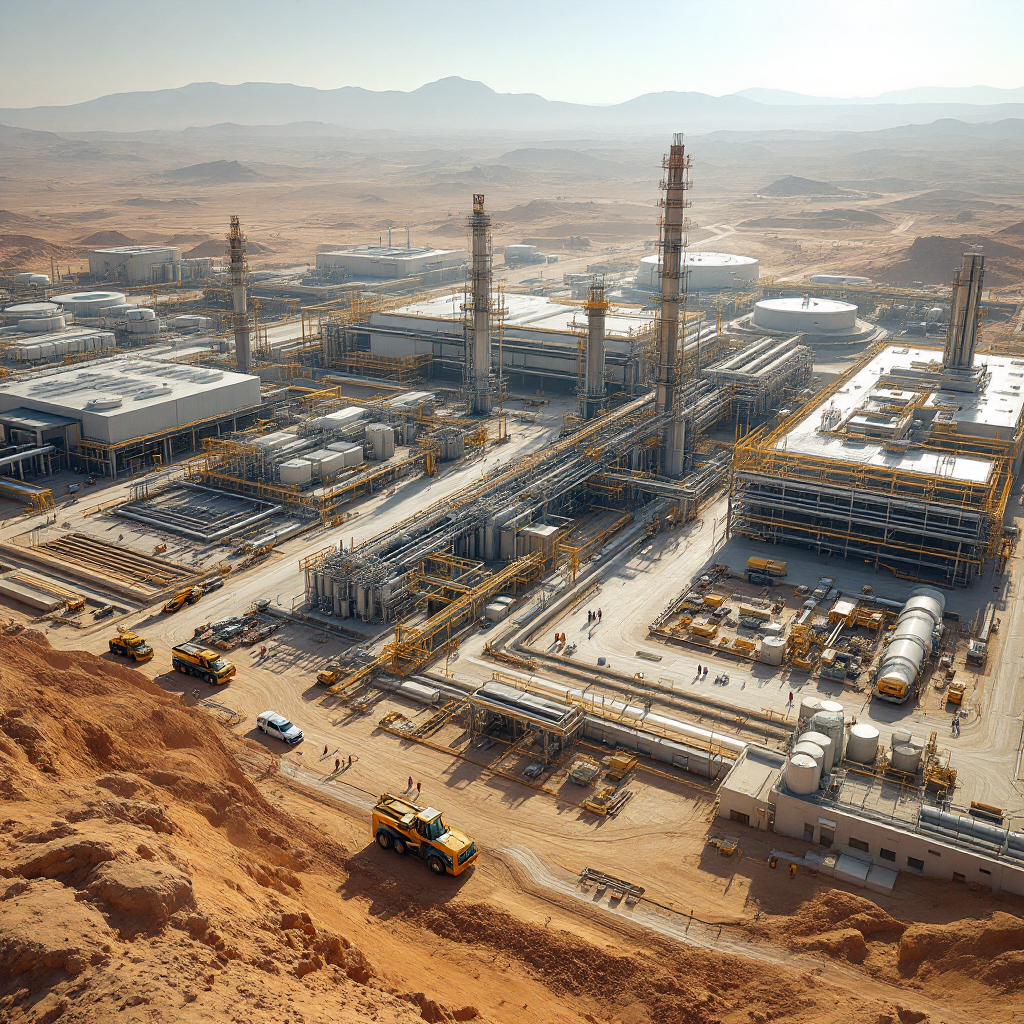
Four international contracting companies are competing for a multibillion-dollar contract to develop the Jafurah gas project in Saudi Arabia. This is the largest shale gas extraction project outside the United States and plays a key role in Saudi Aramco's plans to increase gas production by 2030.
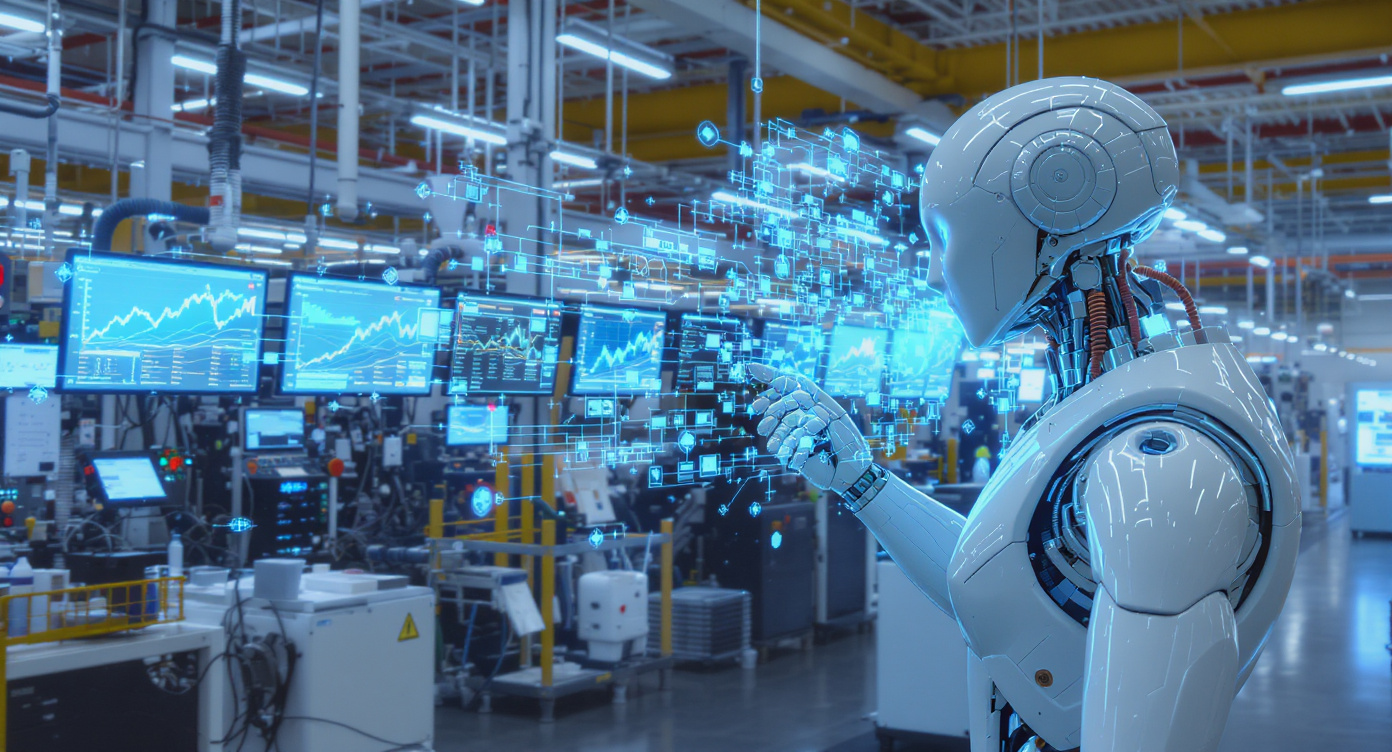
Siemens has introduced the Eigen AI agent system, which can automatically reprogram industrial robots and control systems for new tasks. This technology has the potential to simplify automation, reduce costs, and make the adoption of robotics more accessible for small and medium-sized businesses.
Mexico's economy shrank by 0.8% in the first quarter, performing worse than expected. The decline was observed across all sectors, with agriculture and industry being hit particularly hard.
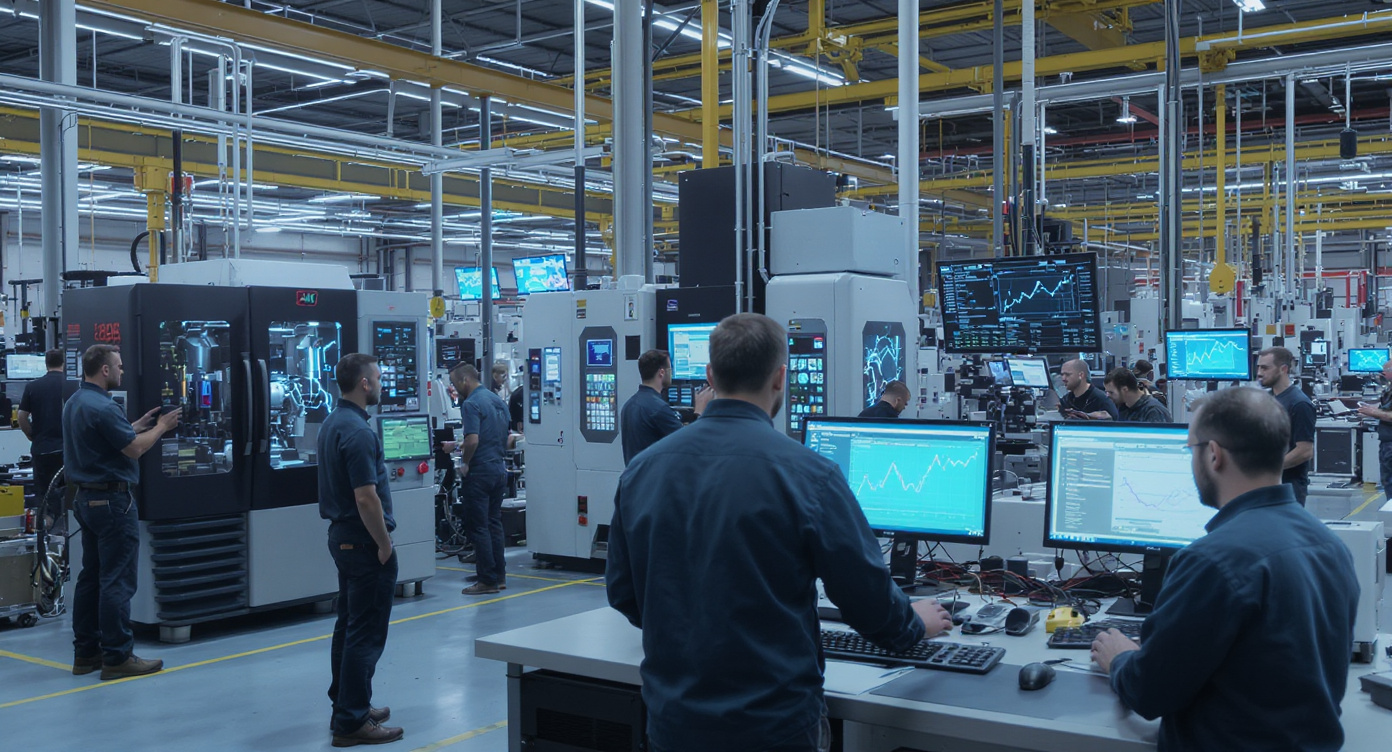
The implementation of virtual technologies in production management requires both equipment modernization and skilled professionals. Virtualization is particularly effective for scalable and repetitive operations, but it is recommended that critical tasks remain handled by physical systems.
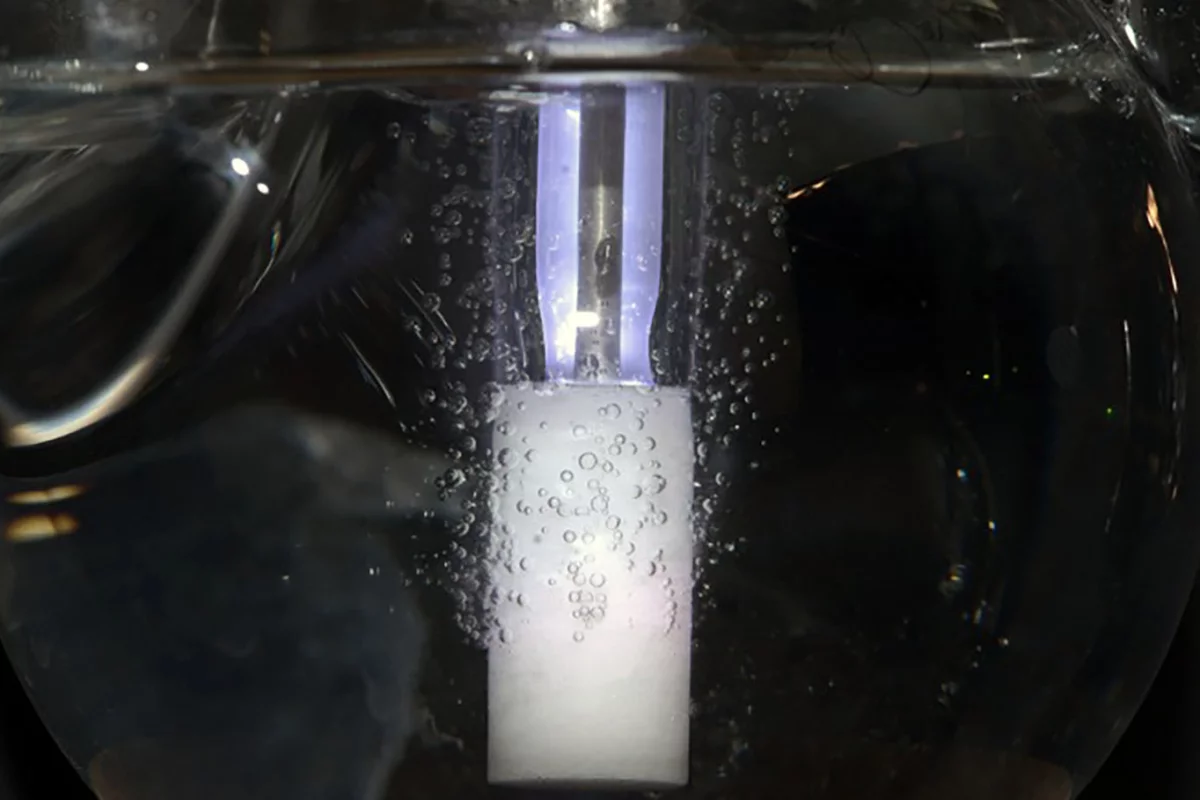
Scientists have developed a technology that uses plasma to efficiently convert methane into methanol without the need for high temperatures or pressure, reducing both energy consumption and the environmental impact of production. This new method could simplify the process of obtaining clean fuel directly at methane extraction sites.
China has introduced new regulations to strengthen supply chain security, granting authorities the power to investigate and respond to threats from foreign organizations. These measures are aimed at protecting key industries and promoting international cooperation.
Industrial production in Brazil grew by 0.9% in February compared to January, surpassing analysts' expectations. On an annual basis, the decline was 0.7%, which was also better than forecasted.
The Chinese Minister of Industry discussed with representatives of small and medium-sized businesses measures to accelerate innovation and develop key materials essential for technological independence and the country's economic growth.
Jeff Bezos has begun discussions to establish a $100 billion fund aimed at investing in industry and implementing artificial intelligence, with the goal of accelerating the automation of manufacturing processes.
Recent studies have shown that carbon fibers can effectively replace metal heaters in industry, providing higher power output and more even heating. Their use could accelerate the shift toward electrification of industrial processes and help reduce greenhouse gas emissions.

 Opus
Opus