The implementation of artificial intelligence in construction can reduce costs by 17–20% and accelerate project completion by 22–25%. The analysis identifies six key processes where AI increases efficiency and highlights the industry's growing interest in these technologies.
In modern industrial facilities, cybersecurity has become an integral part of technical maintenance and safety, as automated and OT systems support all stages of the equipment lifecycle. The reliability of data and systems directly impacts the efficiency and safety of production.
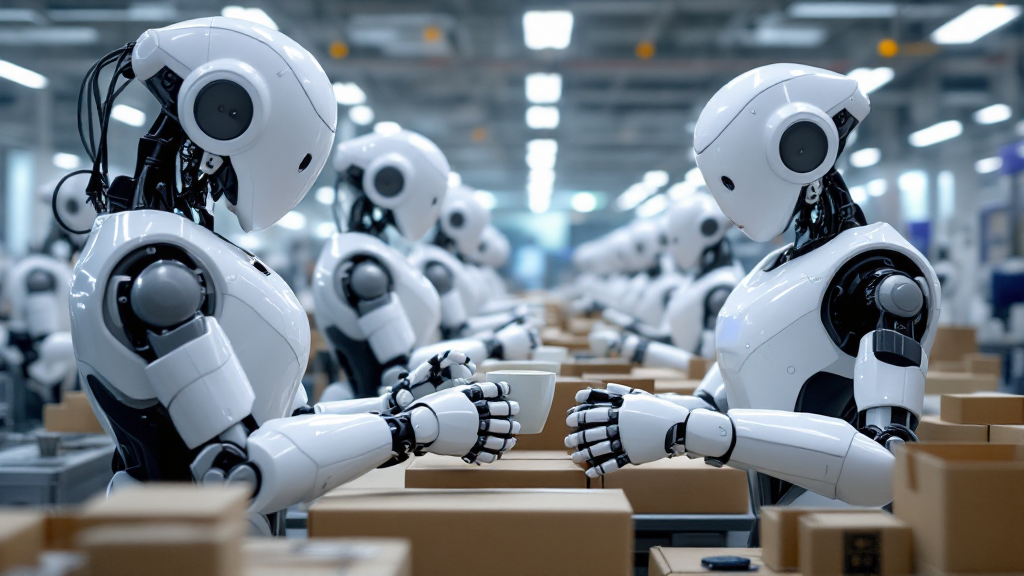
China is actively investing in the development of humanoid robots, but their current technology is not yet advanced enough to replace humans in most jobs. Despite impressive demonstrations, these robots still lag behind industrial counterparts in terms of speed and versatility. Achieving a real breakthrough will require further advancements in artificial intelligence.
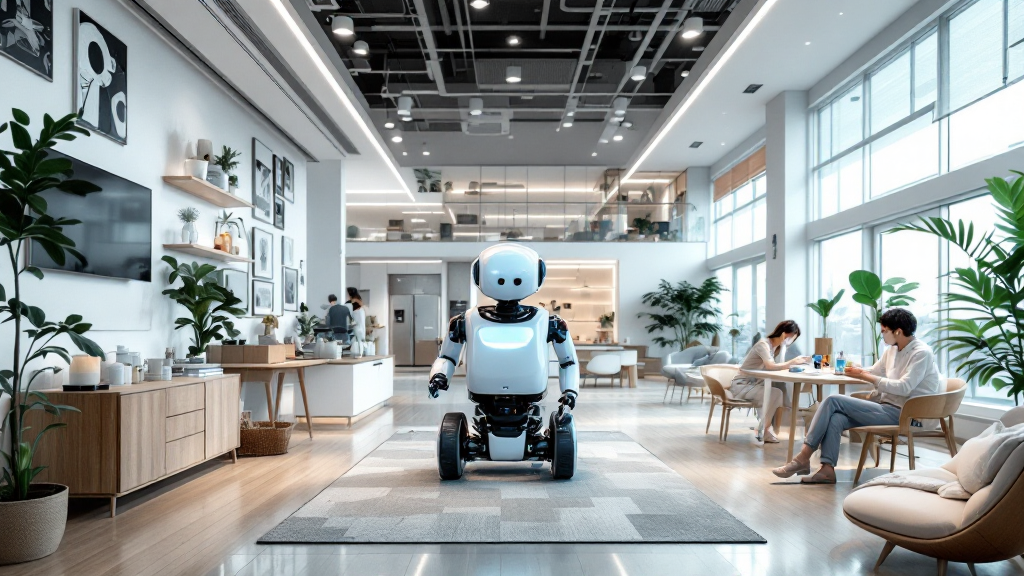
LG and Nvidia are expanding their collaboration in robotics by creating a new data center to train home robots using both real and synthetic data. The project aims to accelerate the adoption of smart robots in everyday life, but the widespread appearance of fully autonomous home assistants is not yet guaranteed.
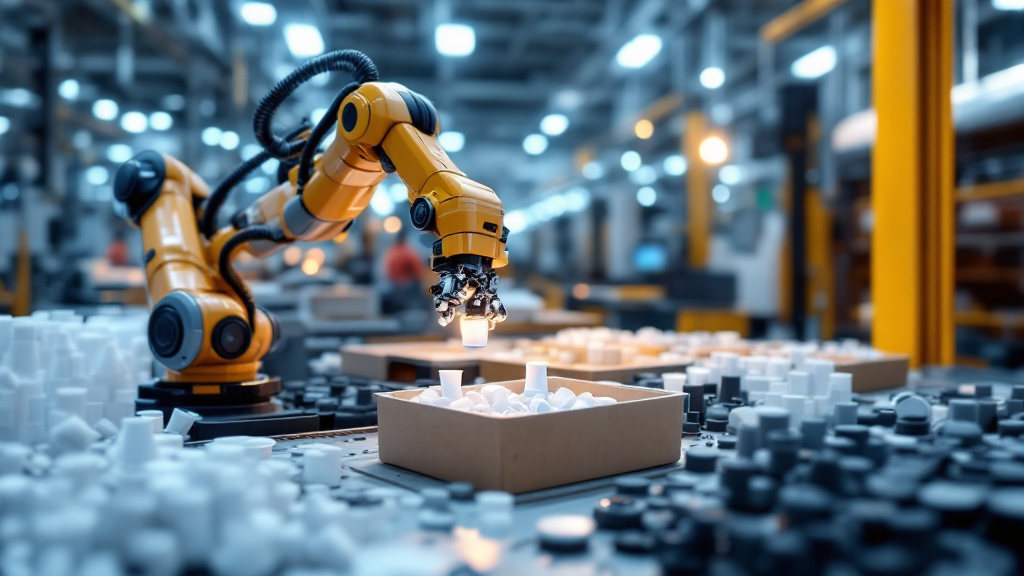
The article explores the key aspects of implementing computer vision in industrial automation, including the integration of 2D and 3D data, calibration, error handling, and adaptation to the physical properties of objects to ensure reliable operation in manufacturing environments.
System updates do not always protect all applications: the built-in Samsung browser may remain vulnerable due to delays in updates. For maximum security, it is important to update not only the system itself but also your browser in a timely manner.
The introduction of artificial intelligence is reshaping the expectations for middle management: rather than focusing on reducing positions, the emphasis is shifting toward developing new skills and integrating AI to achieve business objectives. Managers are becoming a vital link between technology and people, ensuring the effective transformation of organizational processes.
Modern technologies are enabling artificial intelligence to gradually take on tasks that once required the flying intuition of test pilots. However, human experience remains irreplaceable when it comes to ensuring flight safety.
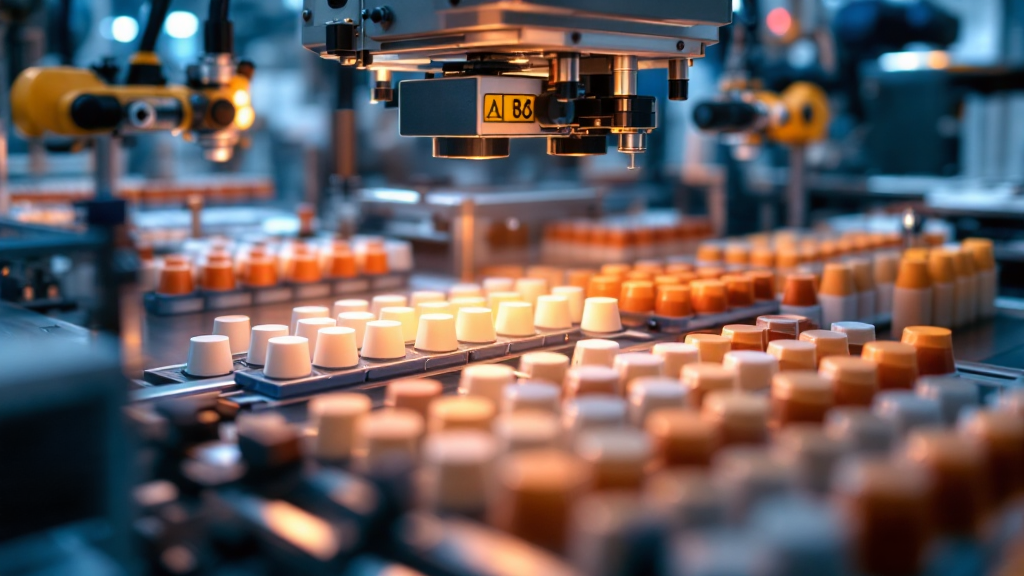
AlgaeBarn has implemented an automated lid labeling system that processes up to 450 lids per hour and allows the company to save up to $50,000 annually. This solution has reduced labor costs, improved product quality, and eliminated the need for manual operations.
Chinese engineers propose using robot dogs at lunar bases to handle dangerous and routine tasks, as well as to provide emotional support for the crew. These machines could patrol the area, collect samples, maintain infrastructure, and help people cope with isolation.
Emerson has introduced the DeltaV automation platform for data centers, which unifies thermal, mechanical, and electrical subsystems within a single architecture. This solution leverages artificial intelligence to enhance efficiency and enable centralized infrastructure management.
Artificial intelligence not only helps optimize individual processes within supply chains, but also integrates them into a unified, flexible system. The greatest value is gained by companies that use AI to coordinate operations and make real-time decisions.
Yokogawa has become the first company in the industry to receive certification for its OpreX Open Automation SI Kit according to the O-PAS OPC UA standard, ensuring compatibility and flexibility in automation without being tied to specific vendors. This solution accelerates the adoption of open control systems at industrial enterprises.
Emerson has introduced five new Ovation AI Agents for the energy and water sectors, providing automated monitoring, analysis, and recommendations to help operators transition to proactive management.
Errors in part marking during electric vehicle manufacturing can lead to production stoppages and additional costs. This article explains how simple solutions implemented by suppliers can prevent such disruptions more efficiently and cost-effectively than increasing warehouse inspections.


 Aedis
Aedis