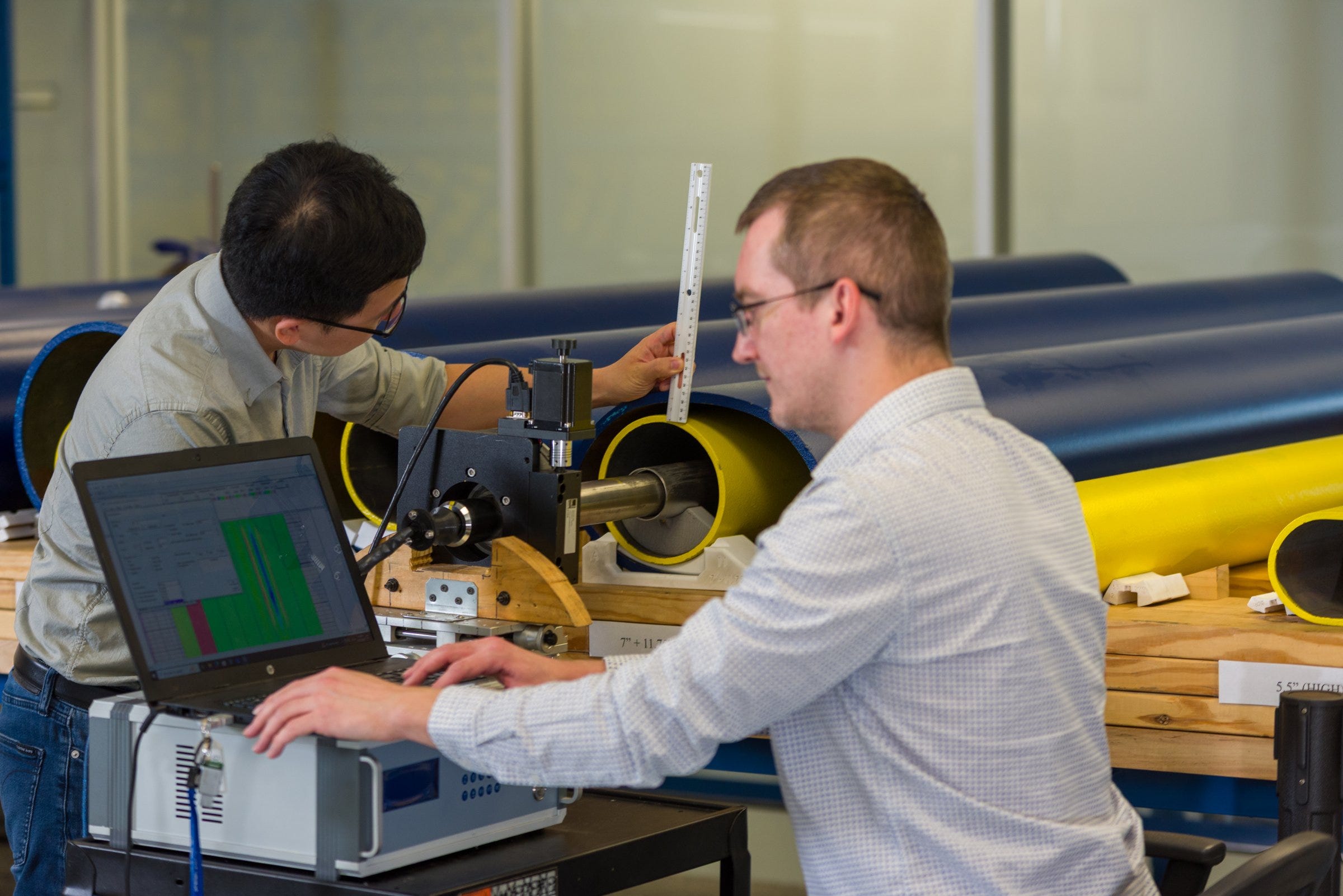
The article explores the key aspects of implementing computer vision in industrial automation, including the integration of 2D and 3D data, calibration, error handling, and adaptation to the physical properties of objects to ensure reliable operation in manufacturing environments.
A new study has shown that patients with Parkinson's disease experience changes not only in their sense of smell but also in their reaction to unpleasant odors—they do not hold their breath like healthy individuals do. These characteristics could serve as an additional diagnostic marker for the disease.
Studies have shown that humans can recognize scents as quickly as rodents, thanks to an ancient evolutionary mechanism in the brain. This discovery could aid in the early diagnosis of diseases associated with impaired sense of smell.
Fat deposits in the abdominal area pose a greater risk to the heart and blood vessels than overall excess weight. A new study highlights the importance of measuring waist circumference for the early detection of hidden health threats.
The reduction of R&D investments by major oilfield service companies is creating new opportunities for specialized technology firms such as GOWell and TGT Diagnostics. These companies are actively developing and licensing innovative solutions, filling the gaps that have emerged in the market.
The combination of excess abdominal fat and low muscle mass significantly increases the risk of mortality in people over 50. Simple measurement methods can help identify this condition and allow timely steps to improve health.
A new study has revealed a link between depression and disruptions in energy processes within brain and blood cells. These findings could aid in early diagnosis and the development of more effective treatment methods.
Japanese researchers have developed an AI system capable of detecting acromegaly from photographs of the back of the hand and a clenched fist, without using facial images. This approach helps protect patient privacy and could speed up the diagnosis of rare diseases, especially in regions with limited medical resources.
The new report highlights the importance of investing in national diagnostic technologies to accelerate the development of fusion energy. Experts identify key areas of focus, including the implementation of artificial intelligence, workforce development, and the creation of innovative measurement systems.
Generative artificial intelligence can significantly accelerate the analysis of medical data and the development of models, sometimes even outperforming traditional specialist teams in terms of efficiency. These AI tools help researchers find solutions to complex biomedical challenges more quickly, but they require careful oversight and expert evaluation.
A new study has shown that an artificial intelligence-powered stethoscope can detect heart valve diseases with a sensitivity of over 92%, which is twice as high as that of a conventional device. The technology also helps increase patient engagement and requires further testing.
A new large-scale study has found that autism occurs in girls almost as frequently as in boys, but girls are diagnosed significantly later. This highlights the need to revise diagnostic approaches and to better understand gender differences in how autism manifests.
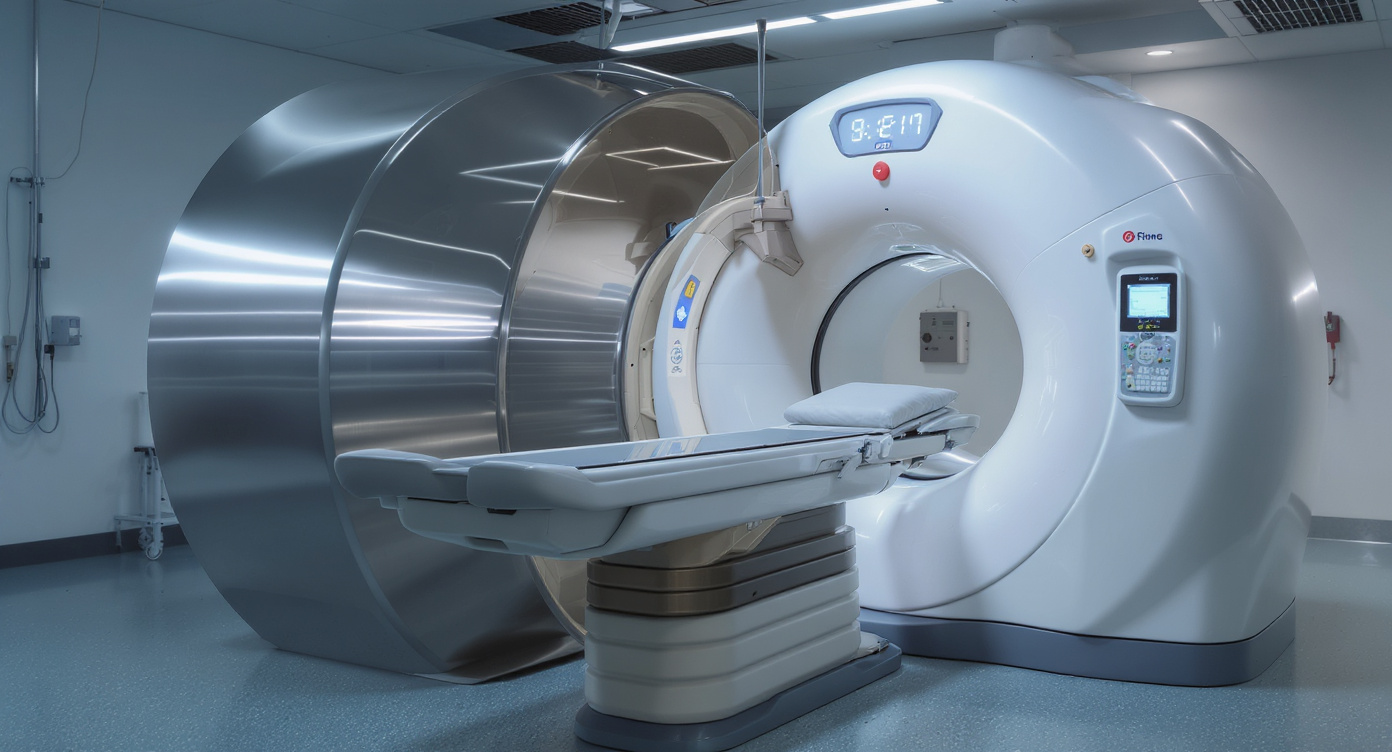
At the University of Michigan, researchers have developed the AI system Prima, which analyzes brain MRI scans and delivers a diagnosis within seconds with an accuracy of up to 97.5%. This technology can assess the urgency of medical intervention and has the potential to significantly reduce the workload for doctors by speeding up and improving the quality of neurological disease diagnostics.
In Bangladesh, five patients who consumed raw date palm sap were found to be infected with the Pteropine orthoreovirus, a virus carried by bats. This discovery highlights the importance of monitoring emerging zoonotic infections.
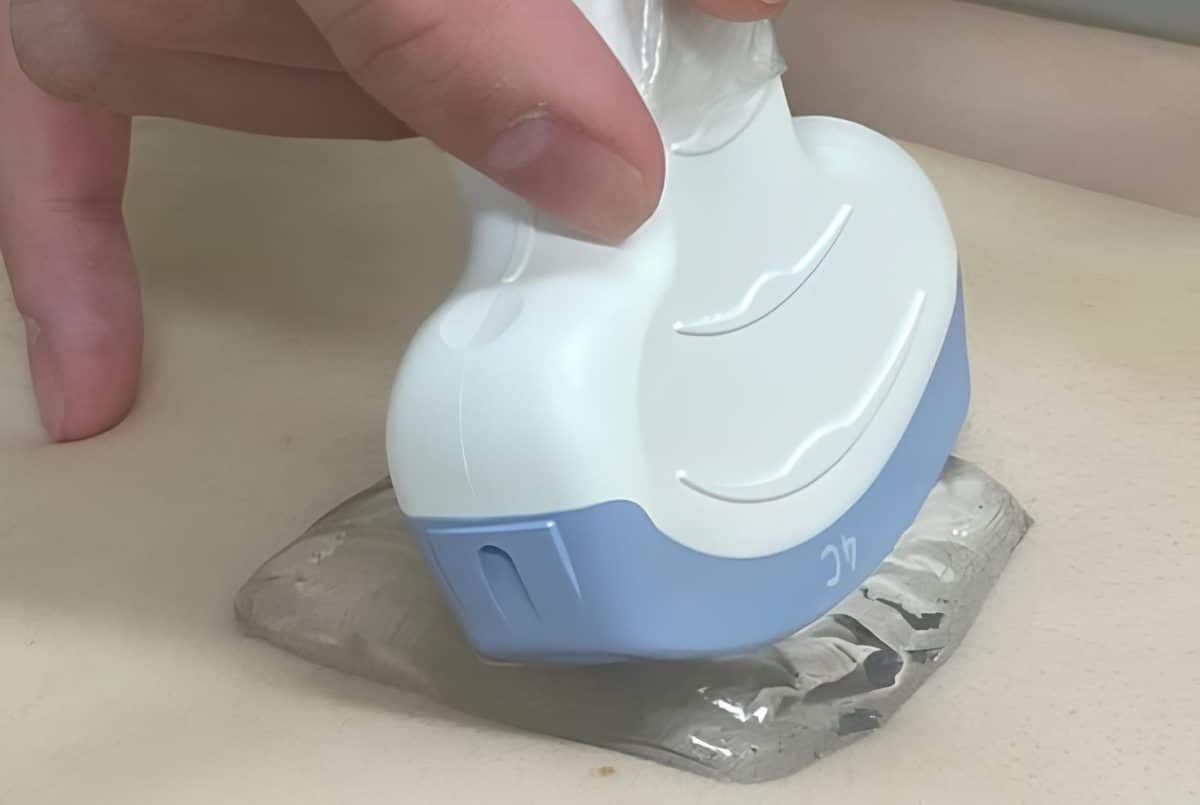
Japanese researchers have developed an innovative ultrasound pad that replaces the traditional gel, offering greater comfort for patients and convenience for doctors without compromising image quality. This new product is made from natural materials and could make ultrasound procedures more accessible and pleasant.


 Opus
Opus