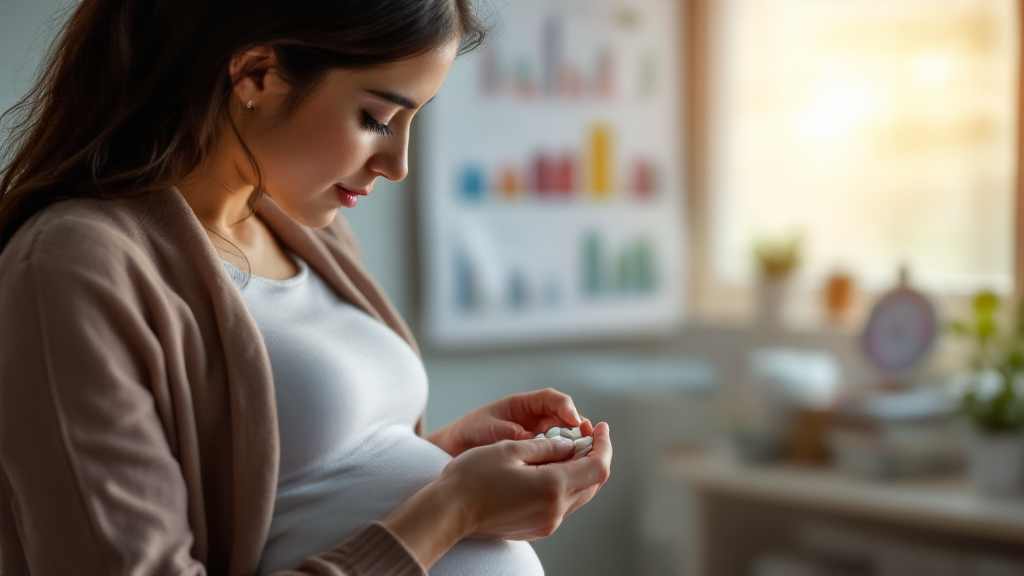
A Danish study has identified a possible link between taking paracetamol during pregnancy and reduced ovarian and uterine volume in daughters. However, the authors emphasize that further observation and research are needed before drawing definitive conclusions.
Generative artificial intelligence can significantly accelerate the analysis of medical data and the development of models, sometimes even outperforming traditional specialist teams in terms of efficiency. These AI tools help researchers find solutions to complex biomedical challenges more quickly, but they require careful oversight and expert evaluation.
A new study has shown that receiving an mRNA COVID-19 vaccine during or shortly before pregnancy is not associated with an increased risk of autism or other developmental disorders in children.
A new study has shown that exposure to alcohol and stress during pregnancy alters the brain's dopamine system and affects the likelihood of alcohol use in offspring as adults. These findings highlight the importance of avoiding alcohol during pregnancy.
A new study has shown that a short period of abstinence before providing a sperm sample for IVF can significantly increase the chances of pregnancy compared to traditional recommendations. A personalized approach is especially important for men with sperm quality issues.
A new study has found that the consumption of food emulsifiers by mice during pregnancy and lactation may negatively affect the gut microbiota of their offspring, increasing the risk of inflammatory diseases and obesity. The researchers emphasize the need for further studies to assess the long-term impact of these additives on the health of future generations.
Seahorses are unique in that it is the males who carry and give birth to the offspring. A new study reveals the genetic and hormonal mechanisms behind this phenomenon, as well as its evolutionary significance.

 Salus
Salus