A new study has, for the first time, described the composition of microRNA in dolphin milk and revealed similarities between these molecules and the microRNA found in terrestrial mammals. This discovery will help deepen our understanding of the role milk plays in the development of offspring across different species.
A new study of ancient rocks in Northern Australia has revealed that even the earliest eukaryotes depended on oxygen. This evidence confirms the crucial role of oxygen in the evolution of complex life on Earth.
A new study has shown that the front and back regions of the brain develop from different types of stem cells, challenging previous beliefs. This discovery has made it possible, for the first time, to grow brainstem neurons in the laboratory and opens up new opportunities for researching and treating serious diseases.
Recent observations of Betelgeuse using the ALMA radio telescope have revealed an unusually lumpy surface and hot regions associated with plasma movement. These features may indicate the final stages of the star's evolution, suggesting that it could explode as a supernova in the future.
Recent studies using the Hubble Telescope have revealed that the Milky Way merged with other galaxies in the past, which significantly influenced its structure and evolution.
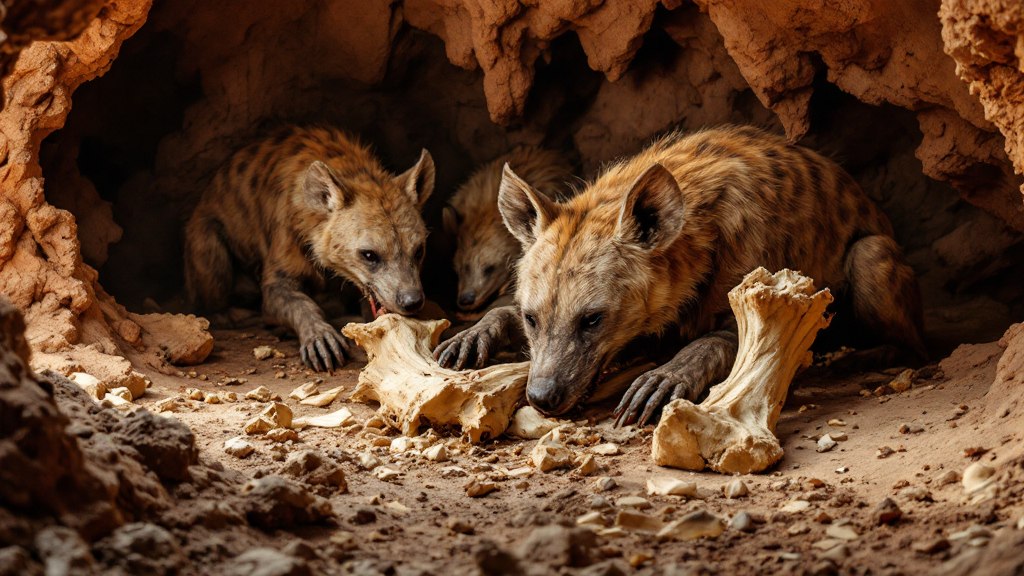
A study of fossilized excrement from the Odessa catacombs has revealed that ancient hyenas of the genus Pliocrocuta were already feeding on large bones and animal hides 3.6 million years ago. This evidence confirms that their dietary habits were similar to those of modern scavengers.
Geneticists have discovered traces of two ancient species in the DNA of modern humans—species that existed before the emergence of Homo sapiens. These findings broaden our understanding of the complex history of interbreeding between human ancestors and other hominids.
A new study has shown that parental care in animals is based on ancient neural mechanisms related to hunger control. Evolution has repurposed existing feeding regulation systems to shape parental behavior.
A study of ancient footprints on the shore of a lake in Kenya has revealed inconsistencies between the structure of the hominin foot and their body size, making it difficult to determine their species. These discoveries also offer a rare glimpse into the social behavior of ancient primates.
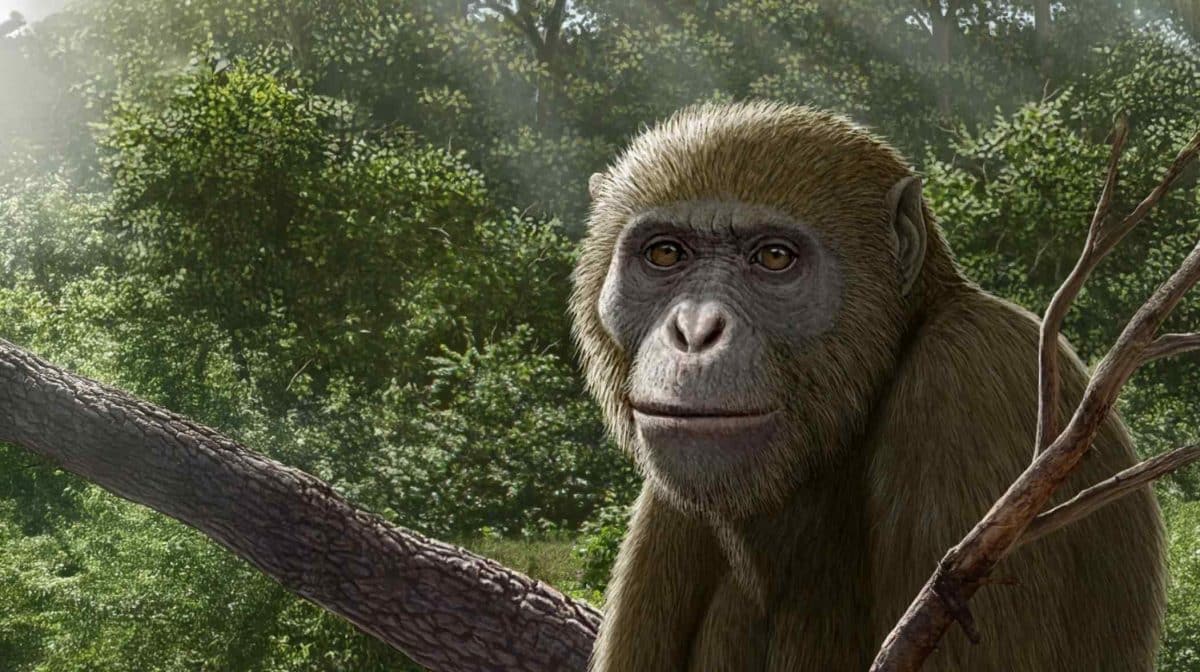
A new discovery in Egypt has cast doubt on previous ideas about the origins of apes: the ancient primate that was found appears to be closer to the common ancestor of humans and modern apes than the East African species. This finding could change our understanding of the geographic history of primate evolution.
A new study has shown that both dogs and wolves are able to detect the scent of human fear, and their reactions to it are similar. This suggests that such sensitivity has ancient origins, likely developing in the common ancestor of these species.
A new study has revealed that sea anemones possess a unique antiviral defense mechanism that differs from that of humans. This discovery broadens our understanding of immune system evolution and opens up new possibilities for developing novel medicines.
A new study has found that the fastest arachnid is the huntsman spider Heteropoda jugulans, which can reach speeds of up to 3.59 m/s. The key factor behind its impressive speed turned out to be the length of its legs.
Studies indicate that changing cancer therapy before a relapse occurs can improve treatment effectiveness and slow the development of tumor resistance. However, this approach requires further clinical validation.
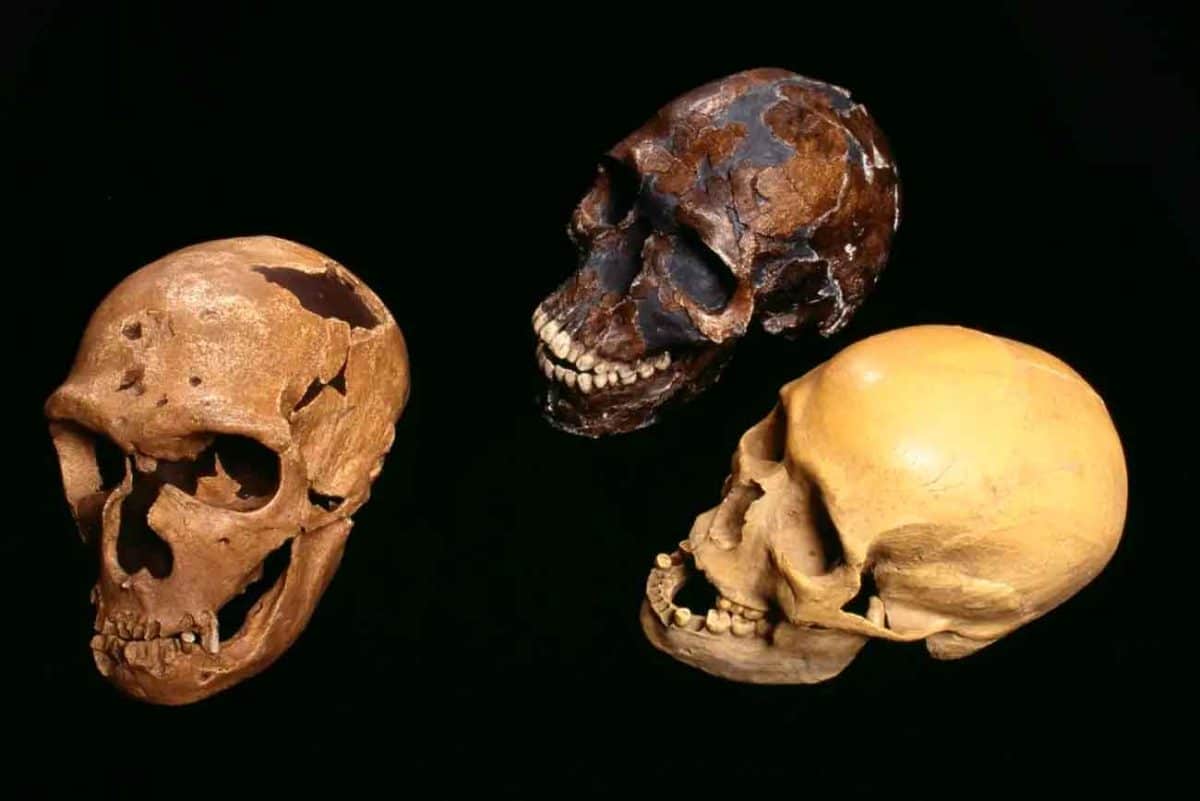
A new study challenges the traditional view that the increase in brain size among Homo species was the result of natural selection, suggesting instead that this process may have occurred by chance. An analysis of skulls indicates that these changes are better explained by models of neutral evolution rather than by directed selection.


 Cursus