A new study of ancient rocks in Northern Australia has revealed that even the earliest eukaryotes depended on oxygen. This evidence confirms the crucial role of oxygen in the evolution of complex life on Earth.
Recent studies have shown that red blood cells begin to absorb glucose more actively when oxygen levels are low, which reduces the risk of diabetes among people living in high-altitude regions. These discoveries could lead to new approaches in the treatment of diabetes and other metabolic disorders.
A new study reveals that oxygen levels in the oceans depend not only on temperature but also on regional factors such as monsoons and ocean currents. Research into ancient seas helps scientists understand how oceans can restore oxygen even as warming continues, though the consequences for marine life remain unclear.
South Korean scientists have developed a new approach to creating solid-state batteries that increases their efficiency using affordable materials without compromising safety. This breakthrough paves the way for the widespread adoption of more accessible and efficient energy storage solutions.
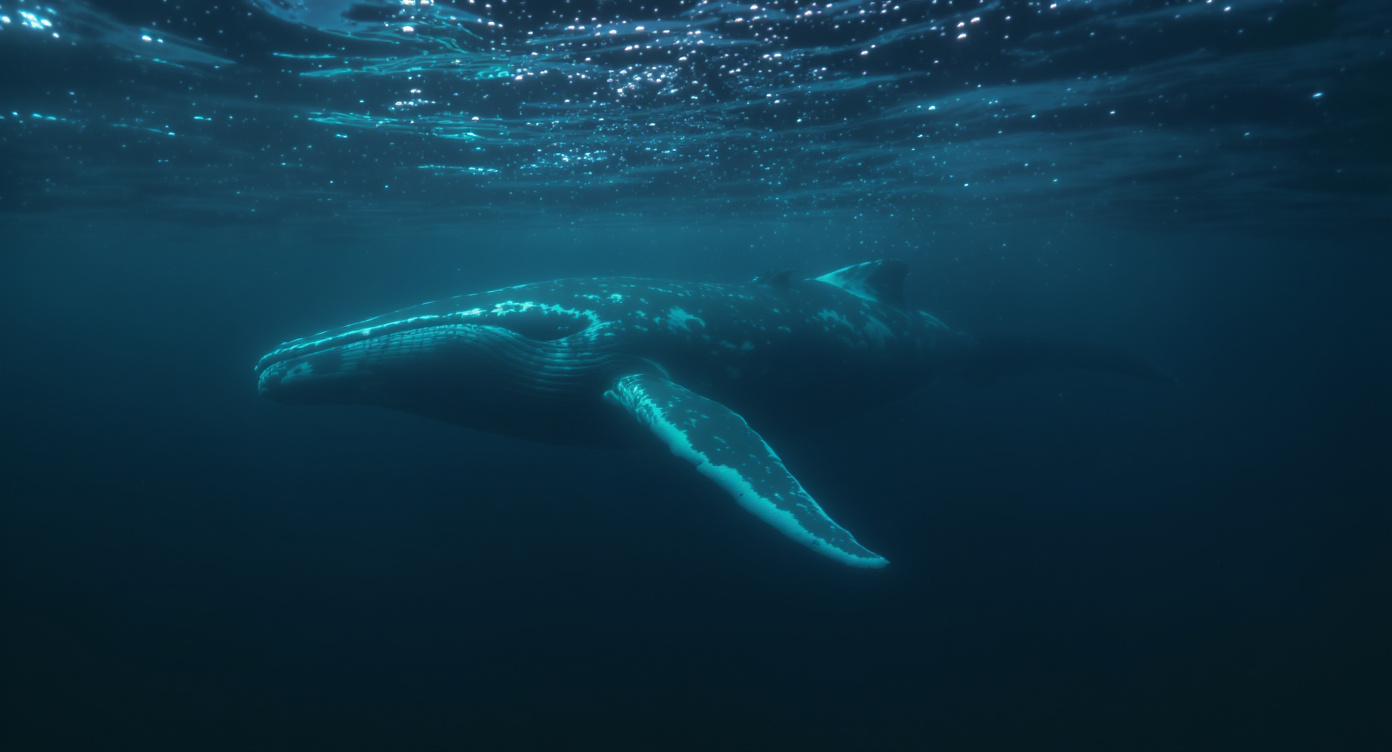
Scientists are concerned about the disappearance of the "zombie" worm Osedax, which plays a crucial role in decomposing whale bones in the ocean. Its absence could signal serious ecological problems and a decline in biodiversity.
Scientists have developed a step-by-step plan to create an oxygen-rich, breathable atmosphere on Mars by utilizing local resources and photosynthesis. Implementing this plan on a planetary scale could take thousands of years.
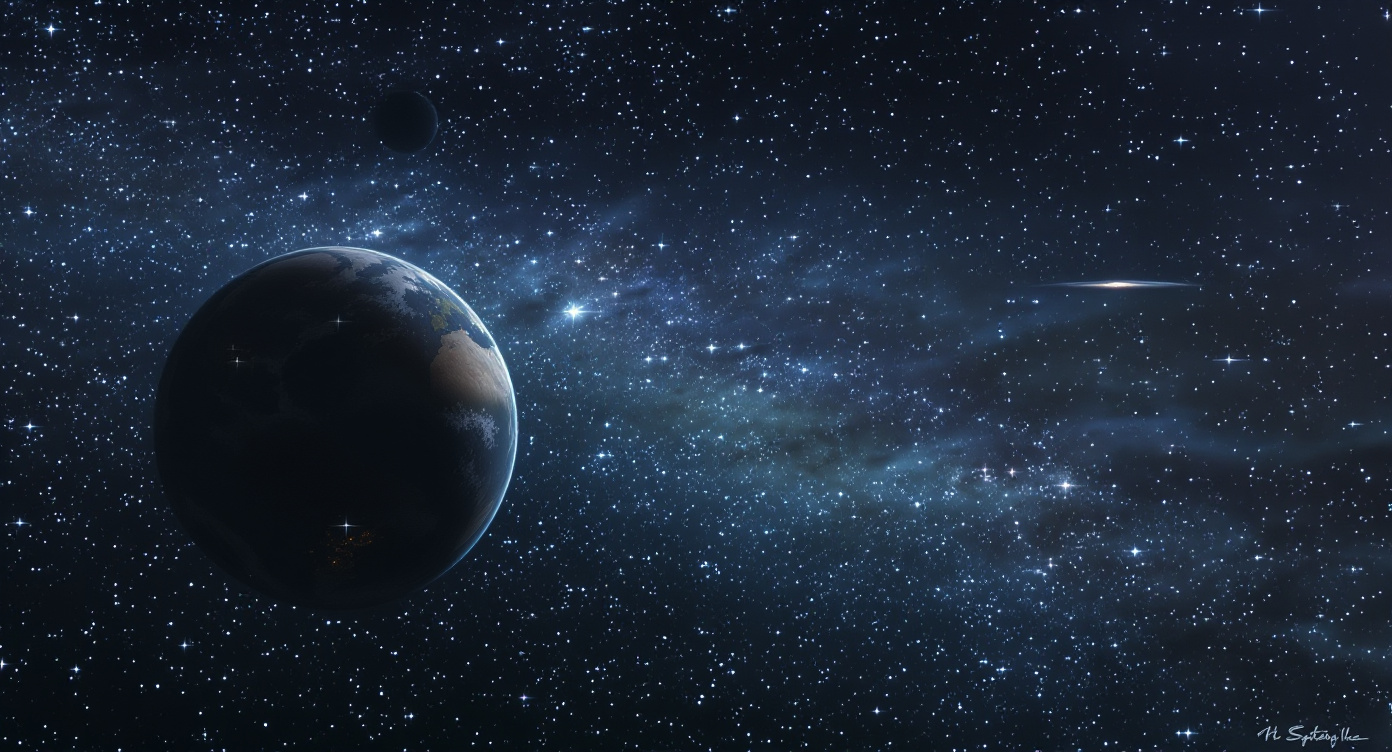
Scientists have estimated how many planets in our galaxy could potentially support intelligent life, and found that the nearest possible civilization might be located tens of thousands of light-years away from us. The key conditions for the emergence of intelligence are considered to be an atmosphere rich in nitrogen and oxygen, as well as geological activity.
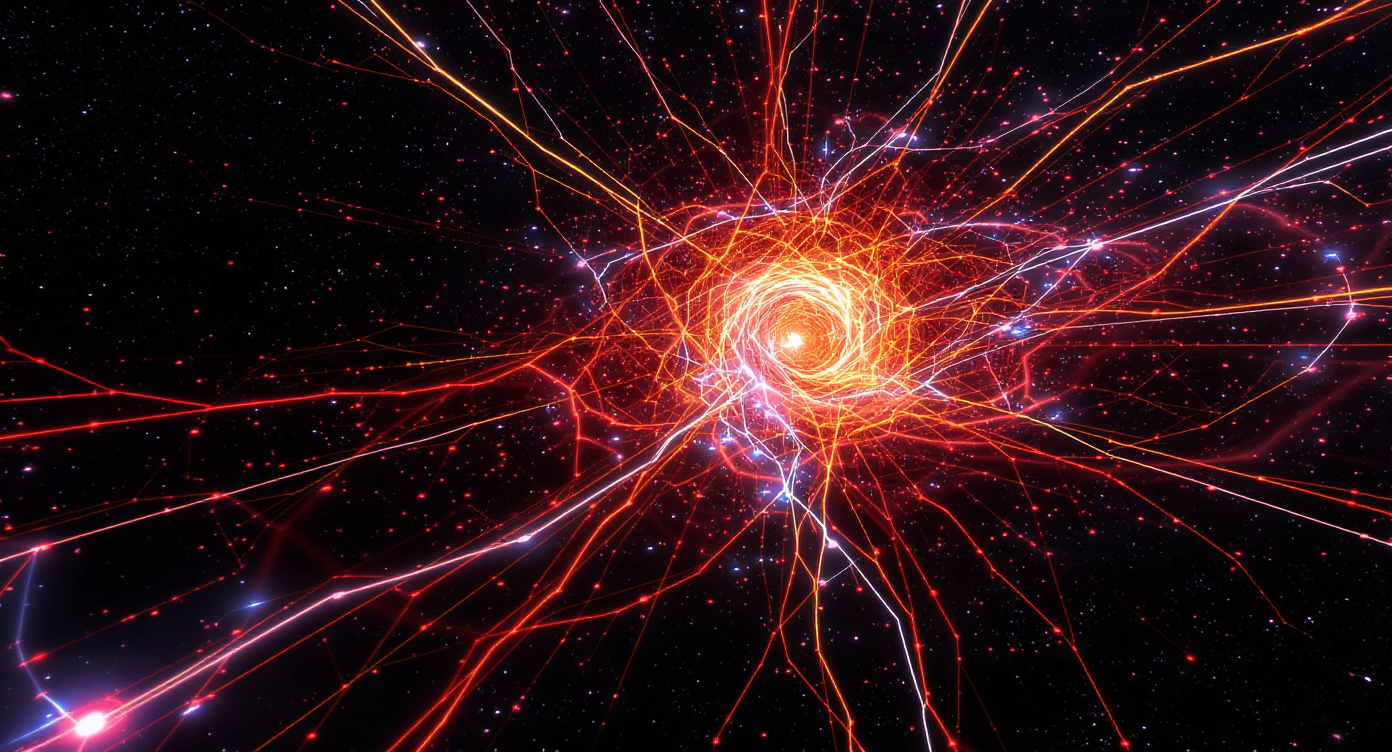
Collisions of oxygen and neon nuclei at the Large Hadron Collider have enabled scientists to refine the properties of quark-gluon plasma and confirmed the elongated shape of the neon nucleus. These experiments open up new possibilities for studying the early Universe and the structure of matter.


 Cursus