Scientists have developed a new solar desalination technology that efficiently purifies seawater and allows for the extraction of valuable minerals, including lithium, without producing harmful waste. This system can simultaneously expand access to fresh water and create sustainable sources of useful resources.
Lithium dendrites in batteries can cause short circuits and reduce capacity due to their brittleness. New research reveals their mechanical properties and suggests ways to prevent their damaging effects on batteries.
Scientists from China have developed a new hydrofluorocarbon-based electrolyte that significantly increases the efficiency of batteries at low temperatures and delivers record-breaking energy density. This technology opens up new possibilities for use in electric vehicles, the aerospace industry, and energy storage systems operating in extreme climate conditions.
South Korean scientists have developed a new approach to creating solid-state batteries that increases their efficiency using affordable materials without compromising safety. This breakthrough paves the way for the widespread adoption of more accessible and efficient energy storage solutions.
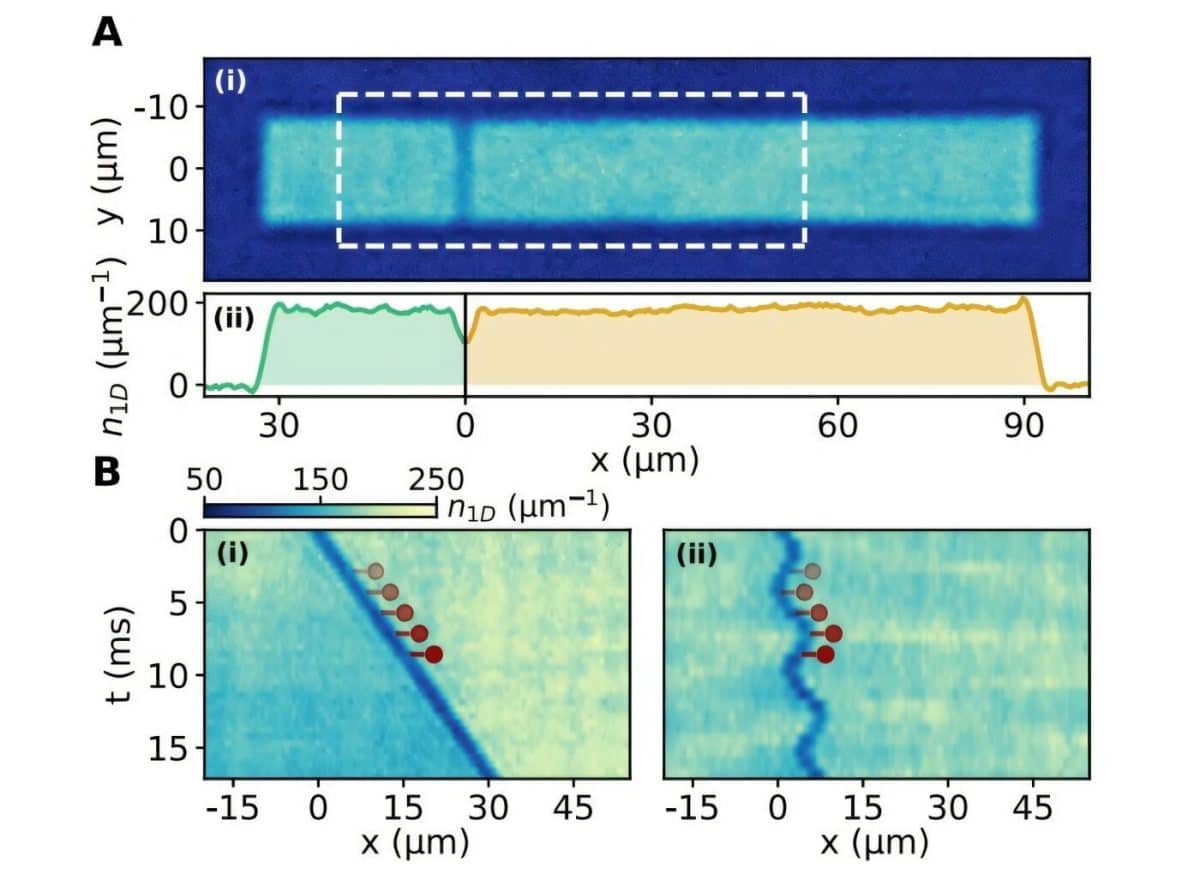
Physicists have, for the first time, observed the Shapiro step effect in a cloud of ultracold atoms—a phenomenon previously seen only in superconductors. This discovery opens up new possibilities for studying quantum phenomena and developing advanced sensors.
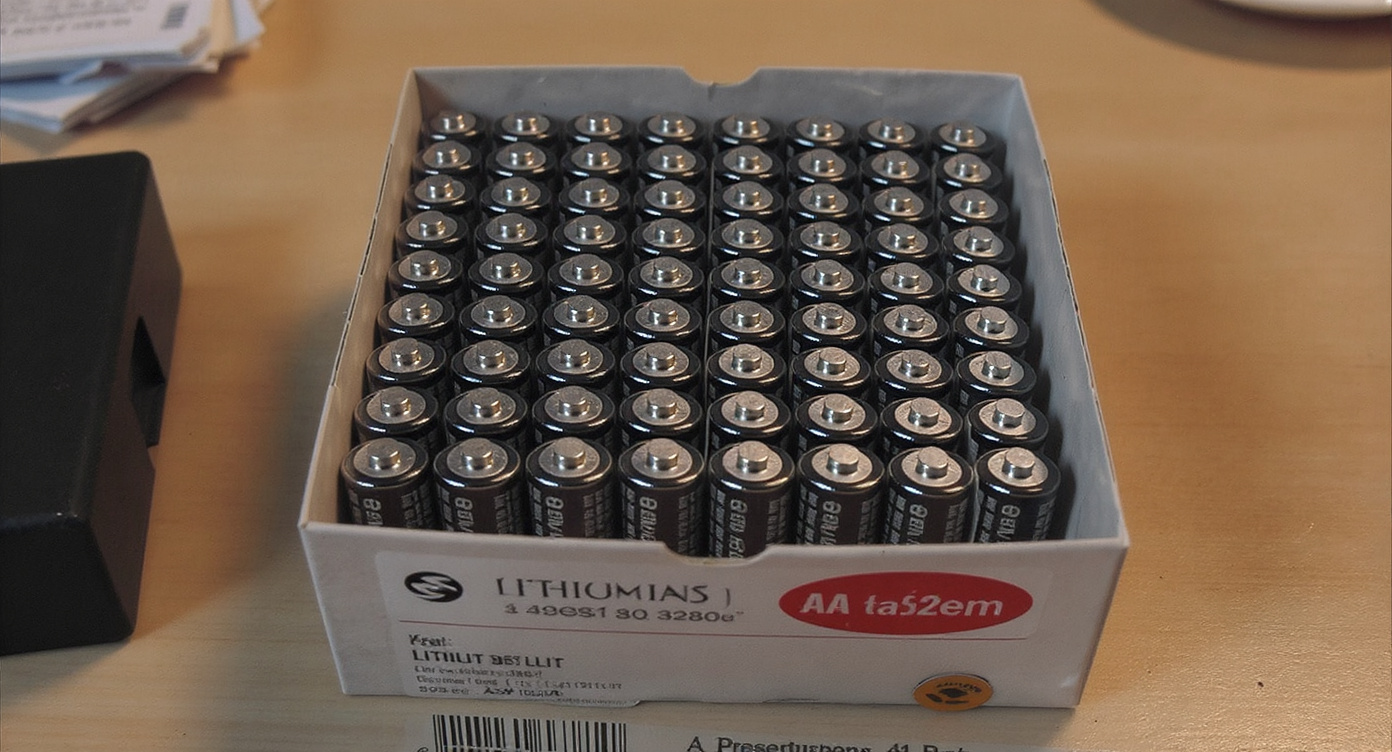
Scientists have developed an innovative method for extracting lithium from used batteries, which has proven to be significantly cheaper and more environmentally friendly than traditional techniques. This new approach could make lithium recycling a commercially viable and sustainable alternative to mining.


 Ingenium