Studies have shown that sodium batteries capable of retaining water can not only efficiently store energy but also desalinate seawater. This approach opens up possibilities for developing devices that simultaneously provide energy storage and water purification, which is especially relevant for coastal regions.
Construction of a large battery manufacturing plant, a joint project by Stellantis and CATL, is set to begin in Aragon. The €4.1 billion project will create around 4,000 jobs and strengthen the region's position in the European automotive industry.
Scientists have developed a new electrolyte that enables lithium-metal batteries to be fully charged in just 15 minutes, while also improving their safety. This technology could accelerate the arrival of more powerful and faster-charging batteries for electric vehicles.
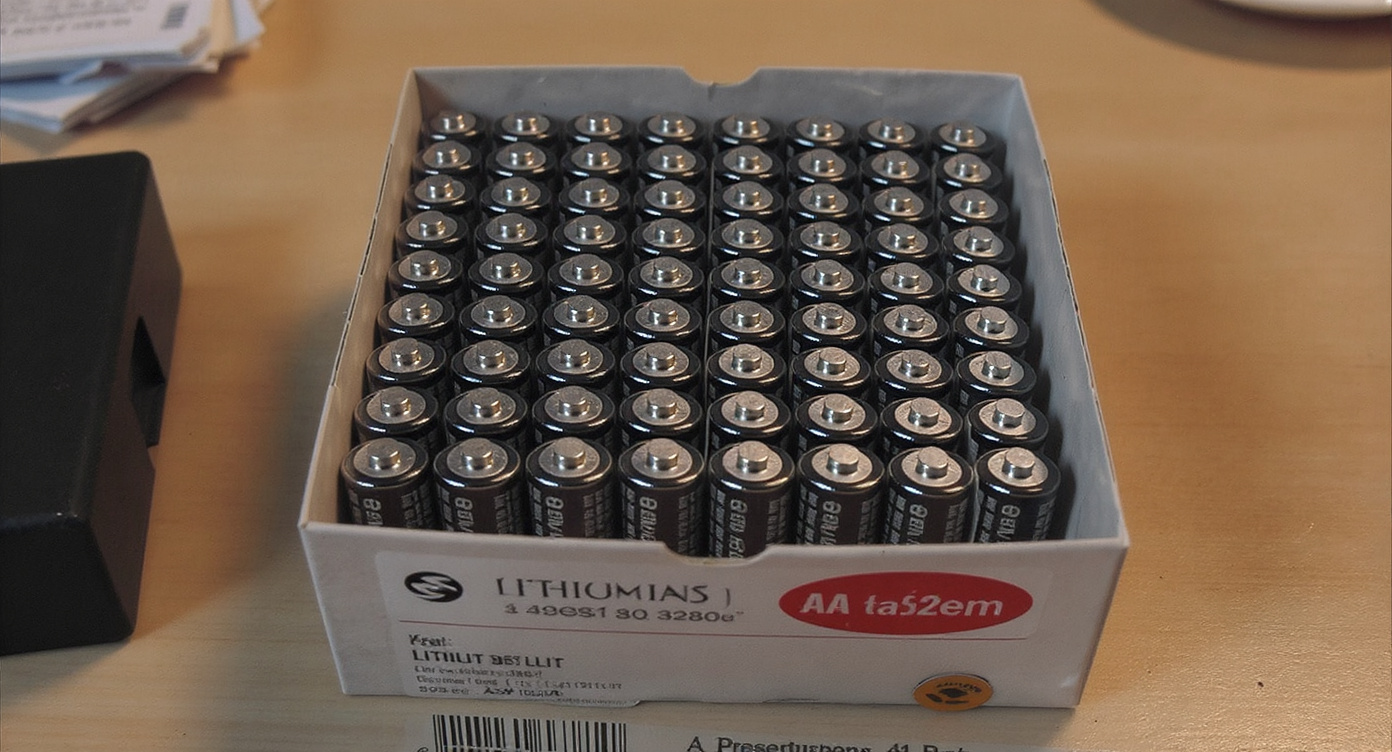
Lithium dendrites in batteries can cause short circuits and reduce capacity due to their brittleness. New research reveals their mechanical properties and suggests ways to prevent their damaging effects on batteries.
Samsung is preparing an updated Privacy Display feature that will allow users to hide specific parts of the screen. This function will be available exclusively on new devices, most likely starting with the Galaxy S27 Ultra. The company is also considering improvements to batteries, cameras, and a transition to Exynos processors for the entire Galaxy series.
Scientists from China have developed a new hydrofluorocarbon-based electrolyte that significantly increases the efficiency of batteries at low temperatures and delivers record-breaking energy density. This technology opens up new possibilities for use in electric vehicles, the aerospace industry, and energy storage systems operating in extreme climate conditions.
Scientists have developed an improved method for visualizing the distribution of connectors in lithium-ion batteries, allowing for more precise analysis of their structure. This technology can enhance manufacturing efficiency, speed up charging, and extend battery lifespan.
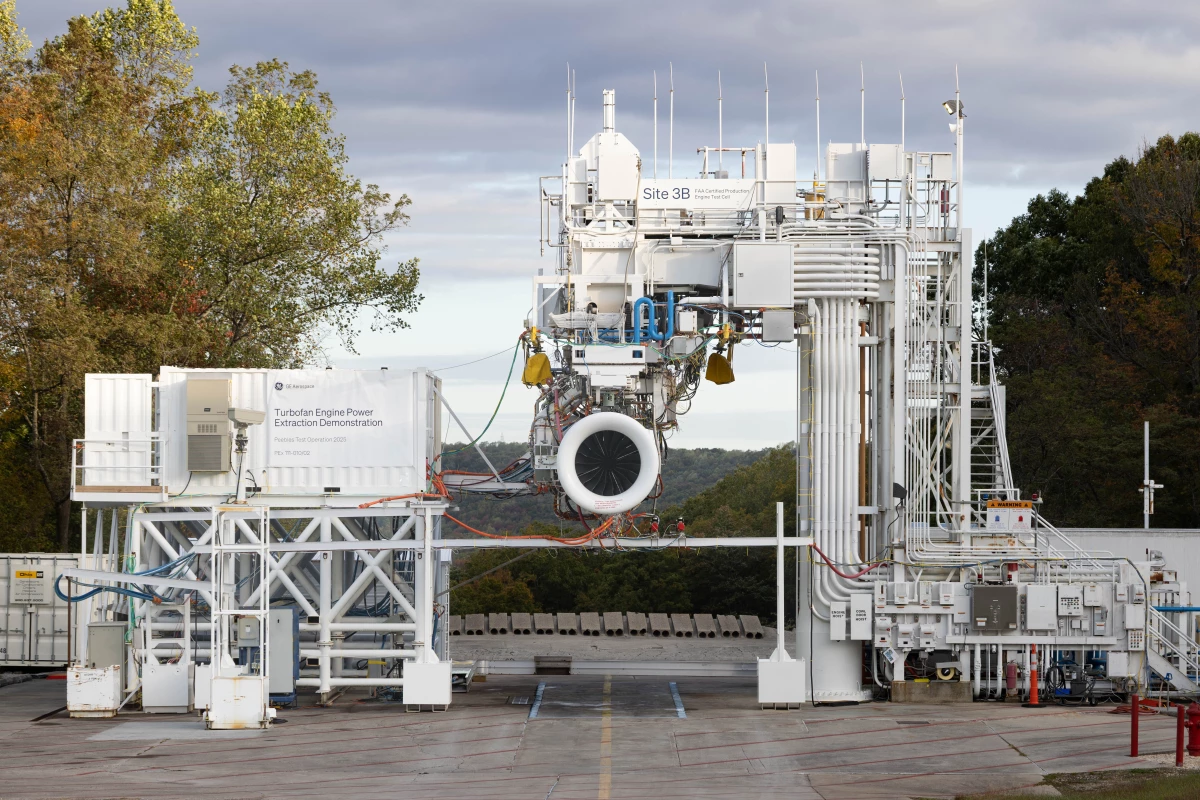
GE Aerospace has successfully tested a hybrid turbofan engine of the megawatt class designed for narrow-body aircraft, which operates without the need for batteries. This technology could become an important step toward more efficient and environmentally friendly commercial aviation.
Scientists have developed an innovative method for extracting lithium from used batteries, which has proven to be significantly cheaper and more environmentally friendly than traditional techniques. This new approach could make lithium recycling a commercially viable and sustainable alternative to mining.

 Vigor
Vigor