OpenAI has reported that 53 user images from ChatGPT were posted on third-party services due to the way AI agents operate. The company is continuing its investigation and recommends measures to protect user data.
Public links to files stored on cloud services can remain active for years, granting access to anyone who has the link—often without any way to track who is using it. Automatic expiration of such links is typically only available with paid plans, so it's important to manually review and disable shared access to sensitive documents to protect confidentiality.
The article discusses various recommendations from services regarding the storage of backup codes for two-factor authentication, their vulnerabilities, and the consequences of losing them. It also offers practical advice on how to securely store these codes and restore access to your accounts.
The International Society of Automation and the OT Cybersecurity Coalition have formed a partnership to enhance the protection of critical infrastructure by promoting the adoption of the unified global ISA/IEC 62443 standard. This collaboration aims to raise awareness about risks and harmonize requirements in the field of OT cybersecurity.
System updates do not always protect all applications: the built-in Samsung browser may remain vulnerable due to delays in updates. For maximum security, it is important to update not only the system itself but also your browser in a timely manner.
A critical vulnerability was discovered in Microsoft Copilot that allowed attackers to access users' personal data through a specially crafted link. The issue has already been resolved, and there is no evidence that it was exploited. Users are advised to check and, if necessary, clear Copilot's saved memory.
Framework has reported a breach of customer personal data following an attack on its supplier, Metabase, which exploited a zero-day vulnerability. The investigation is ongoing, and the exact number of affected individuals has not been specified.
Even with active two-factor authentication and antivirus protection, attackers can gain access to accounts by stealing session cookies. This article explains how such attacks work, discusses modern protection methods, and offers practical security recommendations.
Losing a phone that serves as your only second factor for authentication can result in permanent loss of access to your accounts. Recovery is only possible if you have set up backup methods in advance—be sure to configure them ahead of time to avoid any issues.
The rise in crimes involving deepfakes calls for new solutions. The RealorRender system uses artificial intelligence to accurately and transparently detect fake images, enhancing digital security.
In Japan, Pokémon Card Stores have started using facial recognition systems to combat resellers of collectible cards. This new measure has sparked debate due to concerns over data security and doubts about its effectiveness.
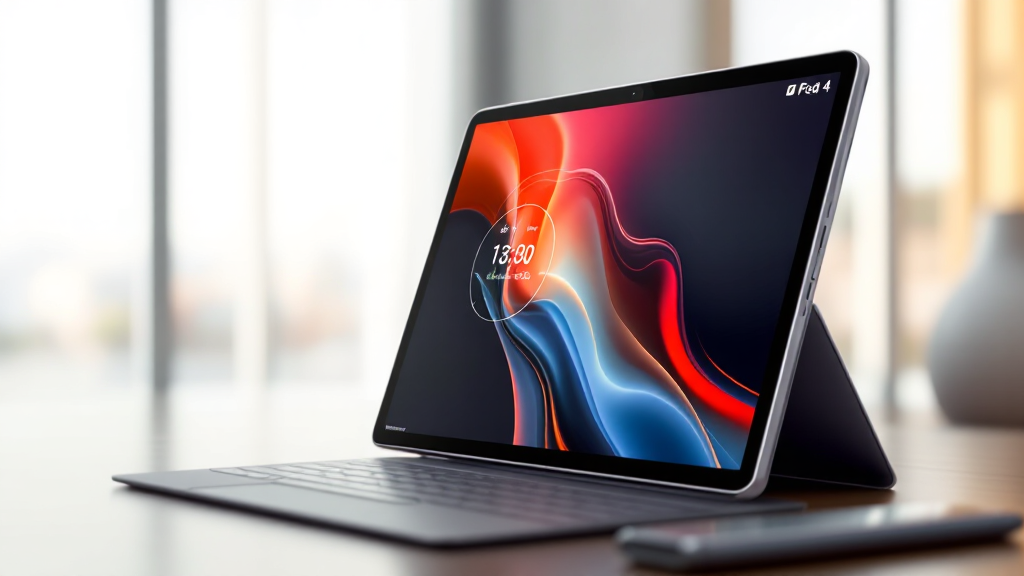
The OnePlus Pad 4 stands out for its design and performance, but it does not support mobile networks and lacks a fingerprint scanner, which limits the device's security and portability. Software updates are guaranteed for only three years.
Users have noticed that public chats with the Claude AI are now appearing in Google search results, raising concerns about privacy. This incident highlights the importance of clearly distinguishing between general access and public searchability when using AI platforms.
Apple is developing smart glasses with a strong focus on privacy, deliberately excluding features like facial recognition and cloud monitoring. The product is expected to be unveiled in 2027, with a launch planned for the end of the same year.
In One UI 9.0, Samsung introduces new lock screen security measures: after 13 unsuccessful unlock attempts, the device will be permanently locked and require a factory reset. It is recommended to regularly back up your data and ensure you have access to your Samsung and Google accounts.

 Crius
Crius