

A new AI system helps detect dangerous deepfakes
The rise in crimes involving deepfakes calls for new solutions. The RealorRender system uses artificial intelligence to accurately and transparently detect fake images, enhancing digital security.
Crius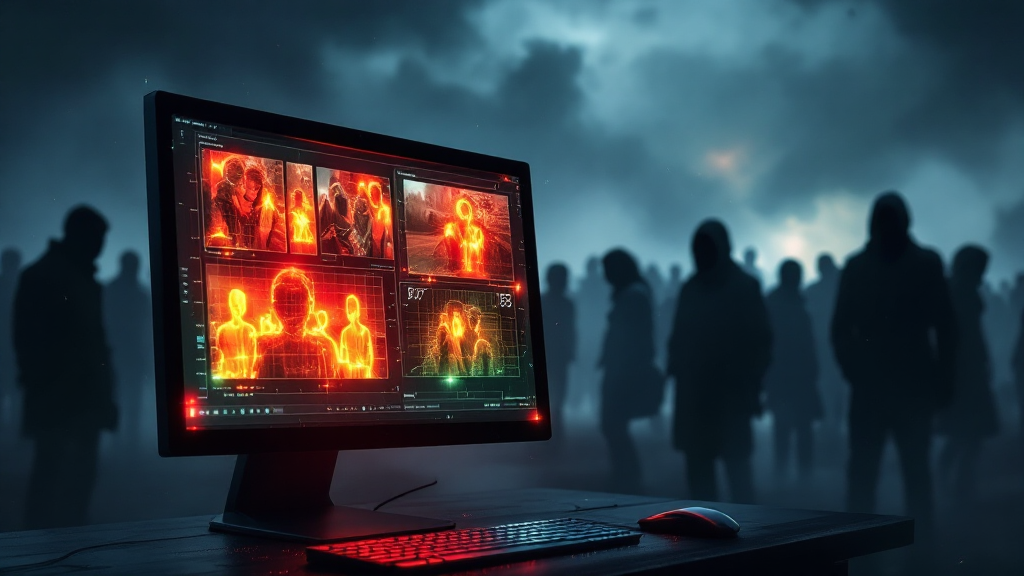
Welcome to the era of digital threats, where incidents of harassment, humiliation, grooming, sextortion, suicide, and fraud related to deepfakes are projected to exceed $1.5 billion by 2025. As it becomes increasingly difficult to distinguish between real and fake images, tackling this crisis is becoming ever more challenging.
The Scale of the Problem
In 2023, an investigation in the UK uncovered 276,149 sexual deepfakes on a single specialized website, with 96% of the images featuring women. In September of the same year, websites offering services to create nude deepfakes attracted 24 million visits worldwide.
Current Measures and Challenges
The UK authorities have announced plans to make it impossible for children to create, share, or view nude images using mobile devices. However, these measures do not address the creation of deepfakes and are largely ineffective without digital tools for their detection.
Technological Solutions
Special attention is being given to innovative developments such as RealorRender—a system created by researchers at the Fraunhofer Institute of Optronics, System Technologies and Image Exploitation (Fraunhofer IOSB) in Germany, with support from the German Federal Office for Information Security (BSI).
RealorRender not only detects deepfakes but also explains why an image is classified as authentic or AI-generated. The system’s hybrid approach combines deep learning methods with an assessment of how accurately a generative model can reproduce an image. If the system successfully clones the original image, it indicates a synthetic origin.
Effectiveness and Transparency
RealorRender achieves an accuracy rate of 85% to 91%, and in some cases even higher. A key feature of the system is the use of explainable AI (XAI) methods, which highlight the areas and structures of an image that influenced the model’s decision. Unique textures or characteristic frequency patterns can indicate a synthetic origin. For clarity, suspicious areas are marked on heatmaps, increasing the transparency of the system’s operation.
Significance for Security
For potential victims of personal, commercial, or political deepfakes, the emergence of such technologies means a higher level of protection. New detection methods offer greater accuracy compared to previous approaches and provide effective tools to combat even the most advanced fake image generators.
Outlook
The development and implementation of such systems can help reduce the number of deepfake-related crimes and enhance user safety in the digital space. Joint efforts by government agencies and technology companies are focused on preventing the spread of harmful content and protecting future generations from threats associated with artificially generated images.