The implementation of artificial intelligence in industry requires flexibility and rapid adaptation to fast-paced technological changes, while maintaining the stability and security of key processes. Companies that can quickly identify and scale effective solutions, while discarding inefficient ones, gain a competitive advantage.
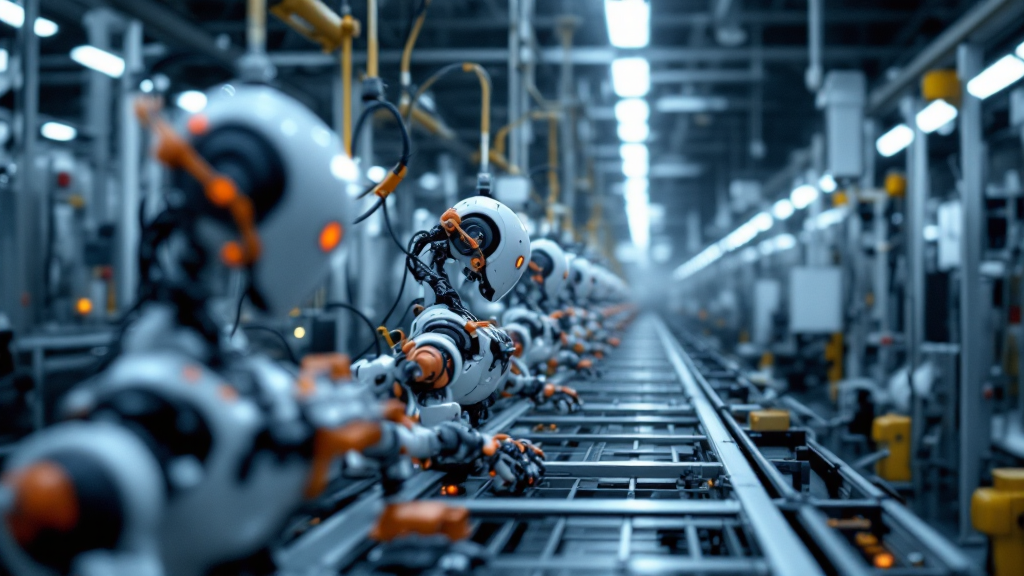
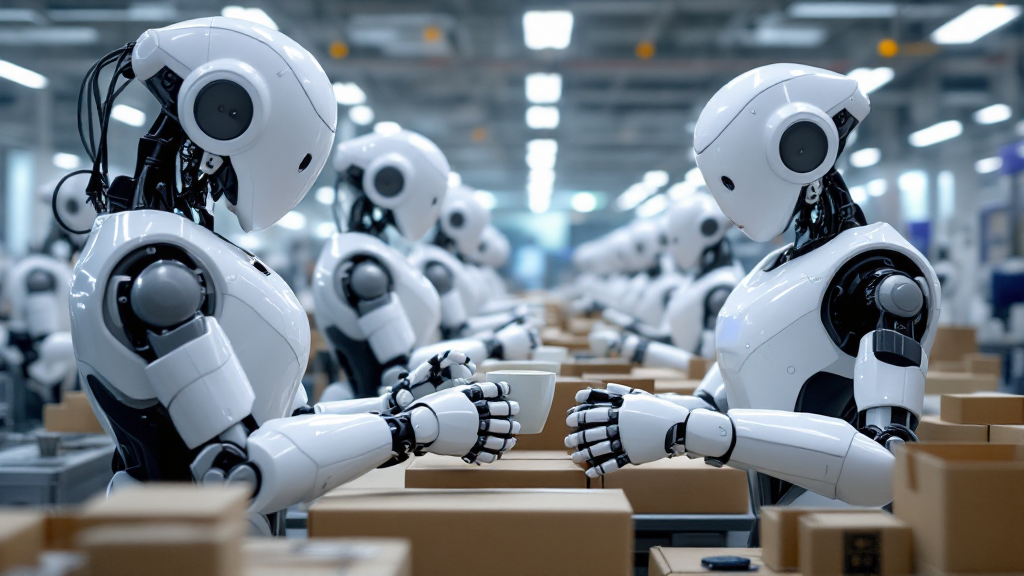
In 2025, a record number of industrial robots—600,000 units—were installed worldwide, which is 11% more than the previous year. The main driver of this growth was China, and the global market continues to expand thanks to technological advancements and a shortage of skilled labor.
The duration and quality of sleep are directly linked to the risk of developing cardiovascular, neurological, and mental health disorders. Research has shown that spending enough time in key sleep stages, especially during REM sleep, can significantly reduce the likelihood of dementia, heart disease, and other serious conditions. Regular nightly rest lasting 6 to 8 hours is considered an effective preventive measure against illnesses in adults.
The Gemini voice assistant has introduced a new "Call for me" feature, allowing it to independently make phone calls on behalf of the user—for example, to book tables or check product availability. To use this feature, you need a Pixel 11 with a US SIM card, a Google AI subscription, and your device must be set to English.
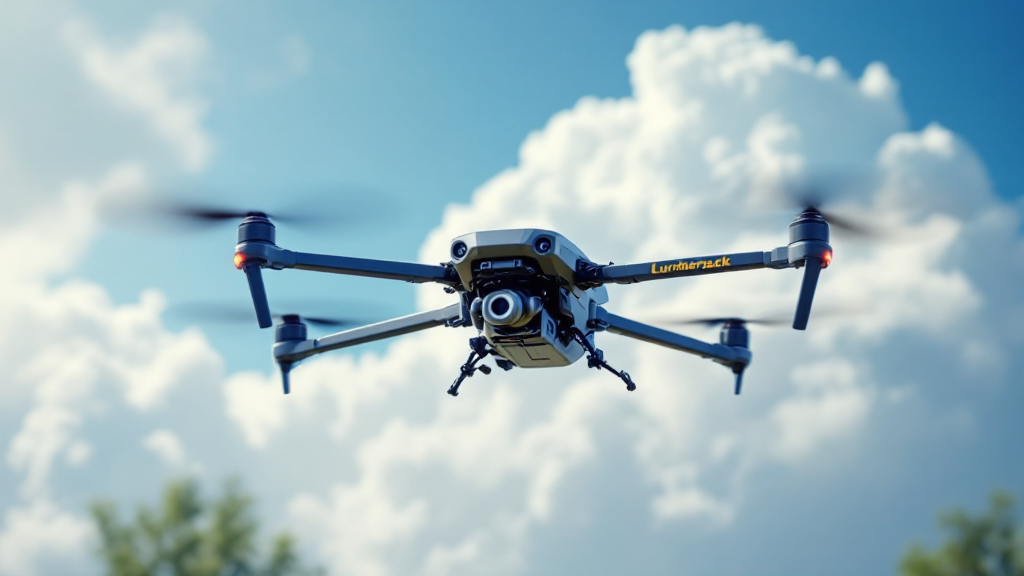
Northrop Grumman has successfully tested a new quantum navigation system for the Lumberjack drone that operates without satellite signals. The system uses highly accurate measurements of Earth's magnetic field, which increases the reliability and autonomy of drones even in the absence of GPS.
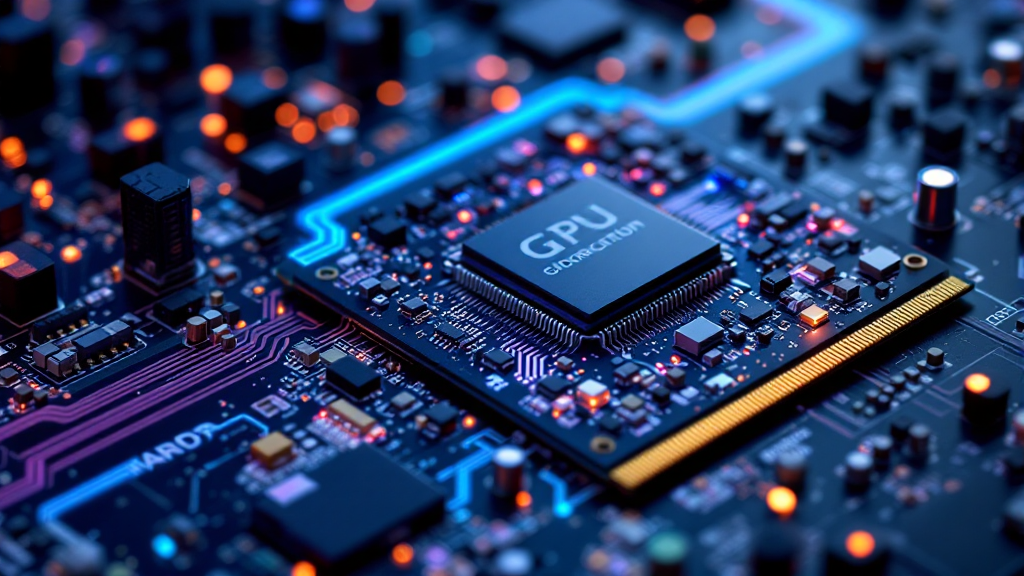
Huawei has announced the upcoming release of the Ascend 960DT chip, which offers performance comparable to Nvidia’s solutions. This development could reduce China’s reliance on foreign technologies and accelerate the country’s AI progress. The new chip has the potential to reshape the balance of power in the artificial intelligence market.
The implementation of artificial intelligence in construction can reduce costs by 17–20% and accelerate project completion by 22–25%. The analysis identifies six key processes where AI increases efficiency and highlights the industry's growing interest in these technologies.
AMD may raise prices on some of its microchips by around 10% at the end of 2026 due to increased manufacturing costs at TSMC. This could affect chips for AI, graphics cards, and chipsets, and may also potentially impact the price of Ryzen processors, although there is no official confirmation yet.
Large-scale development of infrastructure for artificial intelligence could triple the annual volume of electronic waste worldwide over the next 25 years, warns the environmental organization BAN. Experts are calling for strategies focused on repairing, reusing, and recycling equipment to prevent the e-waste problem from worsening.
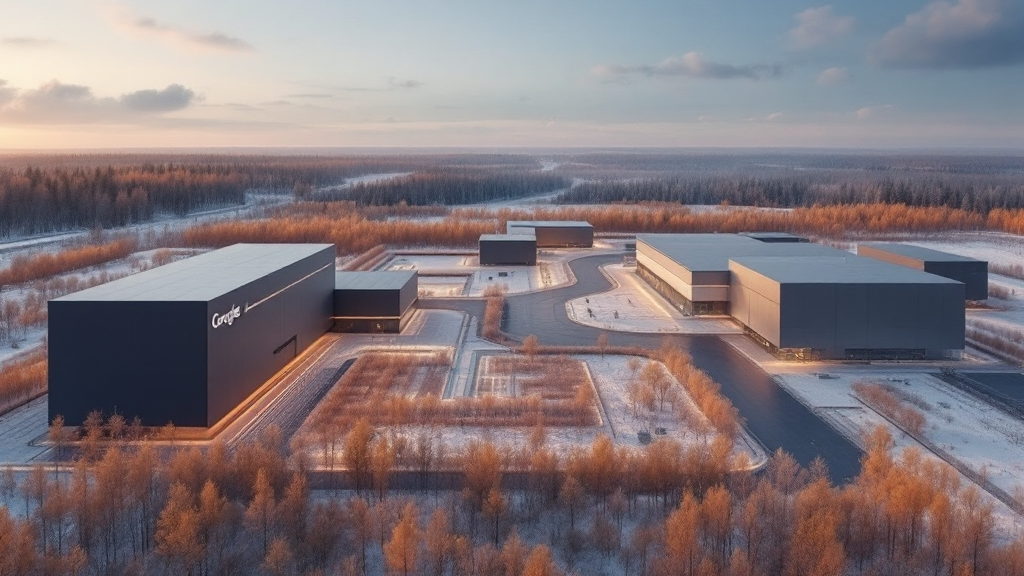
Google is investing €13 billion in the development of artificial intelligence infrastructure in Finland, including the construction of data centers and support for energy projects. The initiative is expected to create thousands of jobs and make a significant contribution to the country's economy and education sector.
Tim Cook is concluding his 15-year leadership of Apple and will transition to the role of Executive Chairman of the Board of Directors. The new CEO will be John Ternus, who will lead the company through a period of new changes and anticipated announcements.
China is actively investing in the development of humanoid robots, but their current technology is not yet advanced enough to replace humans in most jobs. Despite impressive demonstrations, these robots still lag behind industrial counterparts in terms of speed and versatility. Achieving a real breakthrough will require further advancements in artificial intelligence.
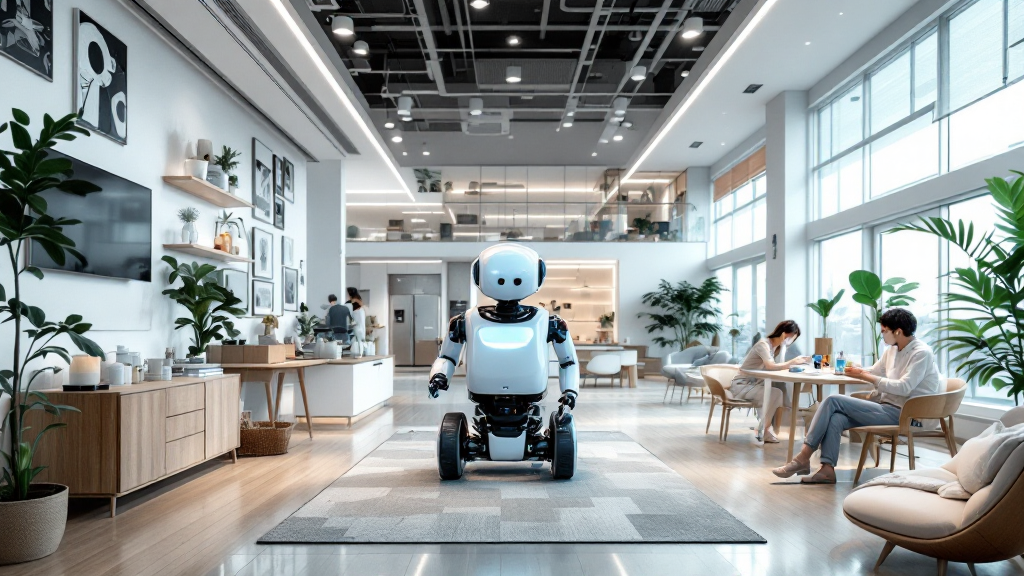
LG and Nvidia are expanding their collaboration in robotics by creating a new data center to train home robots using both real and synthetic data. The project aims to accelerate the adoption of smart robots in everyday life, but the widespread appearance of fully autonomous home assistants is not yet guaranteed.
Arm has introduced the AGI server processor featuring up to 136 Neoverse V3 cores and support for up to 6 TB of memory, designed specifically for artificial intelligence workloads. Commercial shipments are expected to begin in the coming months.
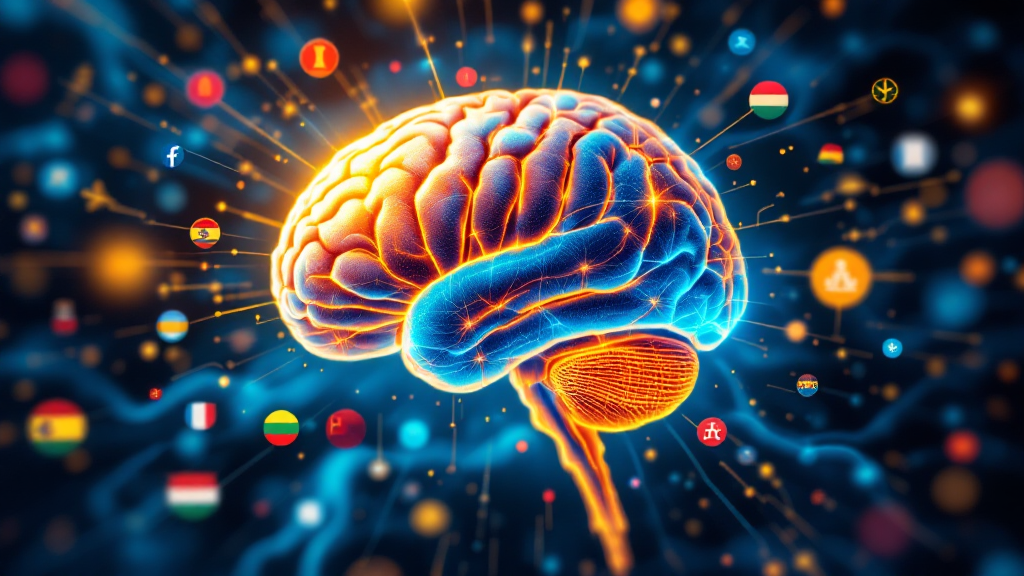
A new study has shown that speaking multiple languages can slow down brain aging: for bilingual people, the brain appears up to 6 years younger, while for those who speak four languages, it can look up to 13 years younger. This effect is even stronger if language learning begins early and proficiency is high.


 Opus
Opus