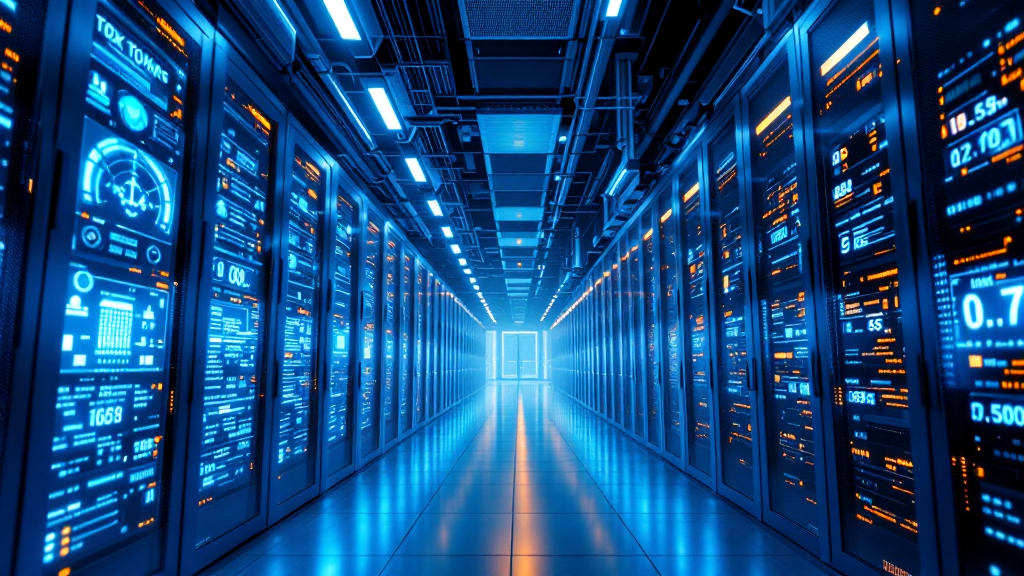
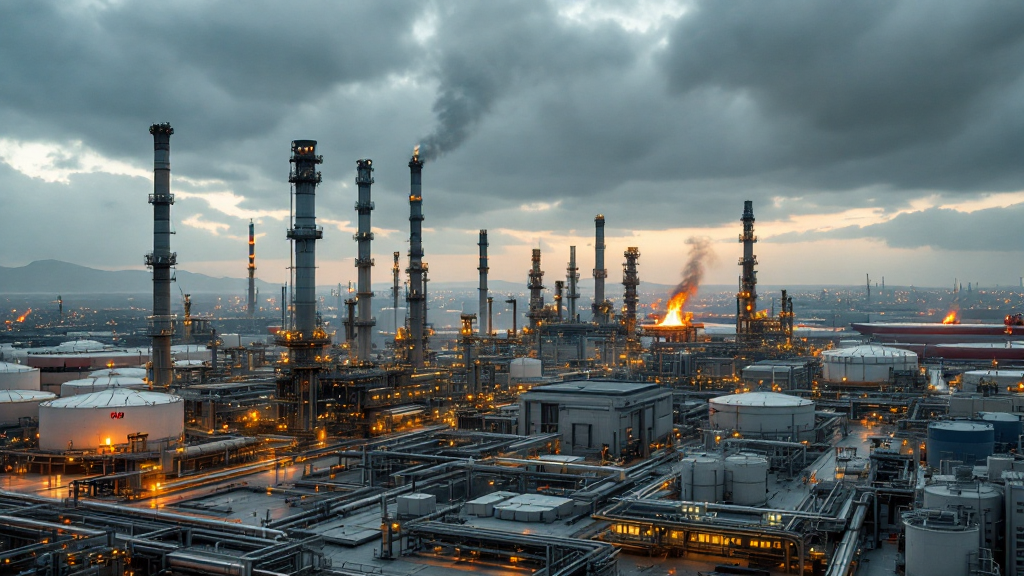
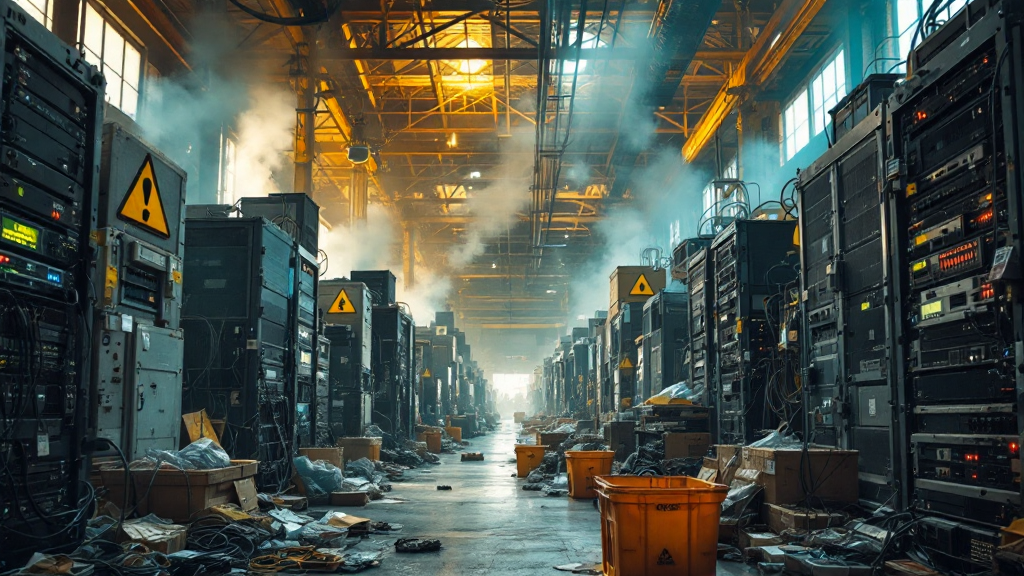
Large-scale development of infrastructure for artificial intelligence could triple the annual volume of electronic waste worldwide over the next 25 years, warns the environmental organization BAN. Experts are calling for strategies focused on repairing, reusing, and recycling equipment to prevent the e-waste problem from worsening.
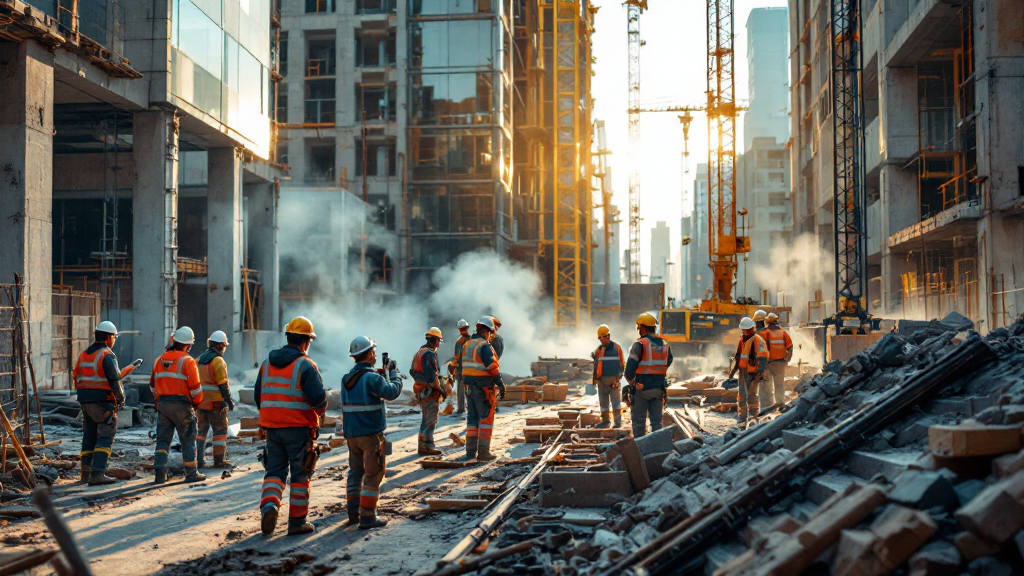
The construction industry is facing a severe shortage of qualified professionals, despite a decline in demand. Companies are implementing training programs and forming partnerships with colleges to address the workforce gap and ensure sustainable growth.
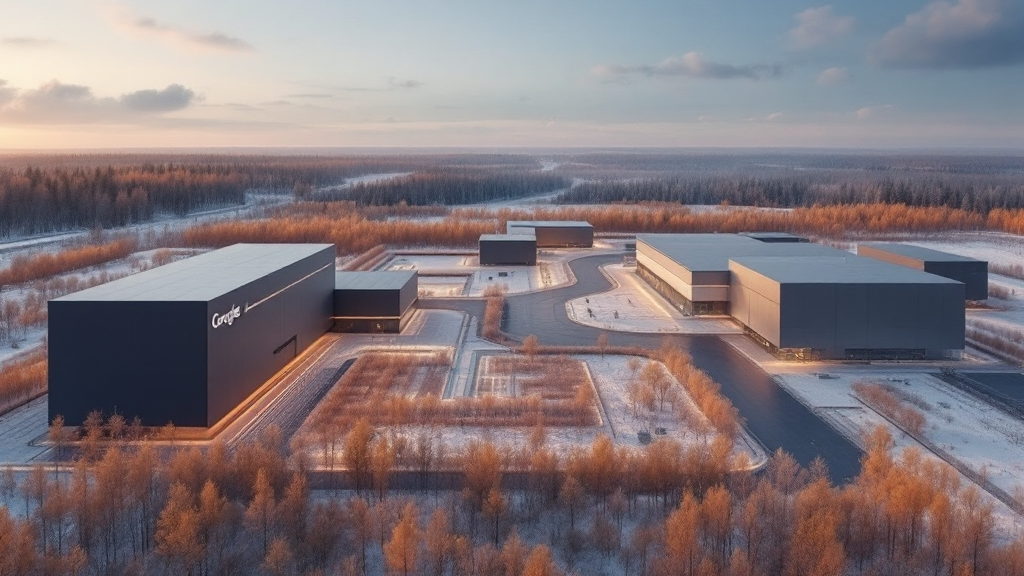
Google is investing €13 billion in the development of artificial intelligence infrastructure in Finland, including the construction of data centers and support for energy projects. The initiative is expected to create thousands of jobs and make a significant contribution to the country's economy and education sector.
The rapid growth of data center energy consumption is driving the search for new solutions. Scientists have developed a carbon nanostructure that increases the efficiency and lifespan of fuel cells, which could help reduce the strain on the power grid.
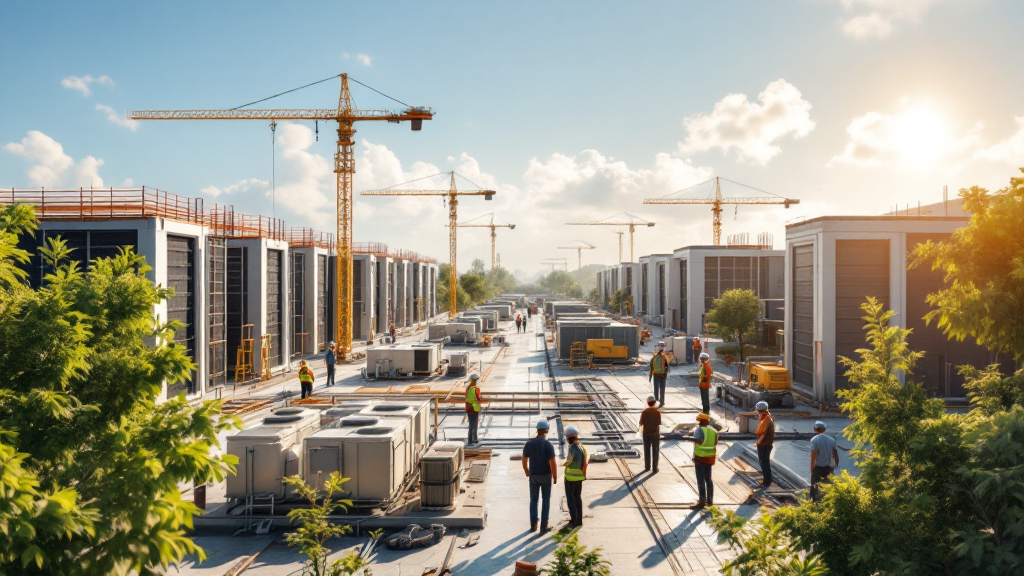
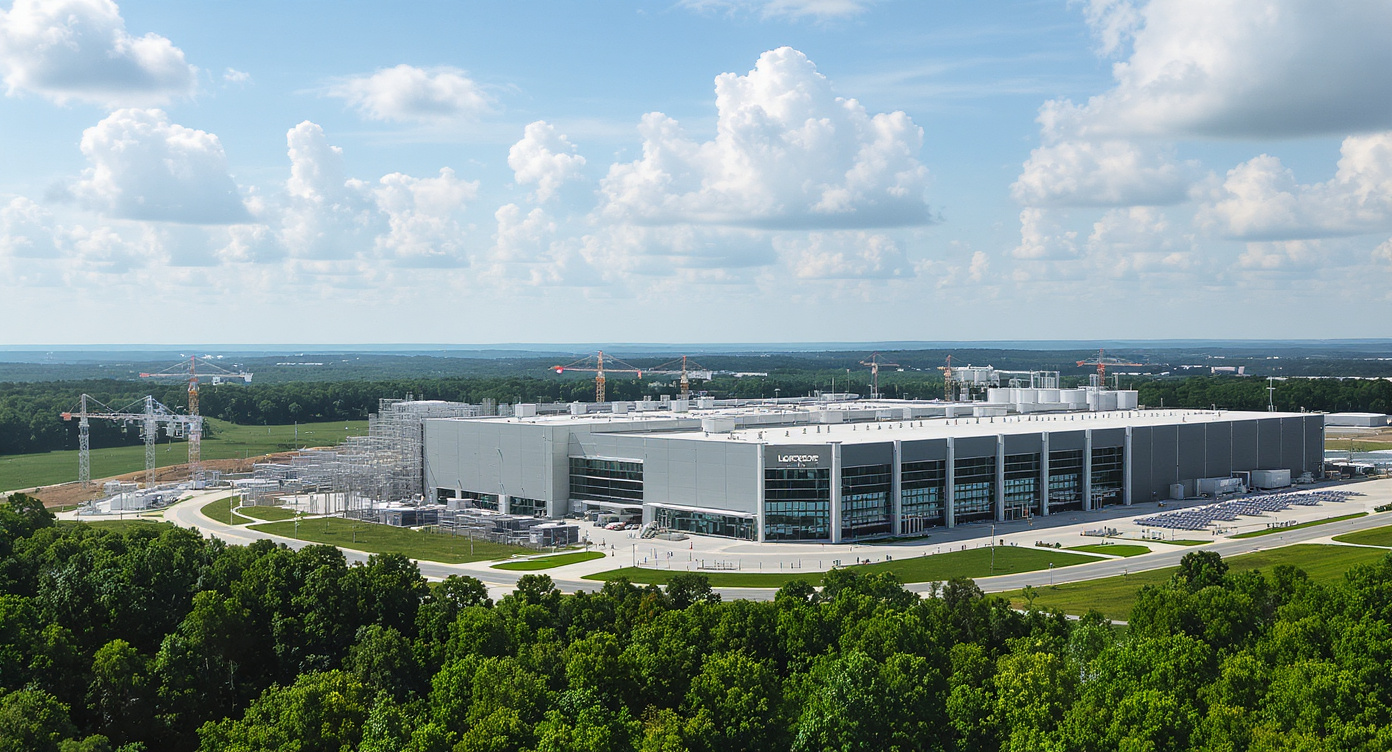
Despite the increasing number of data center construction projects, their implementation is often delayed due to challenges with permits, zoning, and equipment supply. Successful completion requires strategic planning, and the industry is placing greater emphasis on sustainability and energy efficiency.
Google plans to increase its capital expenditures to $205 billion by 2026 to expand its computing capacity amid growing demand for cloud and AI services. Despite these large-scale investments, demand continues to outpace supply.
Despite supply disruptions and geopolitical instability, global demand for liquefied natural gas remains strong, driven by the growth of data centers and the advancement of AI. Baker Hughes has exceeded expectations in both revenue and profit, and the long-term outlook for the LNG market remains positive.
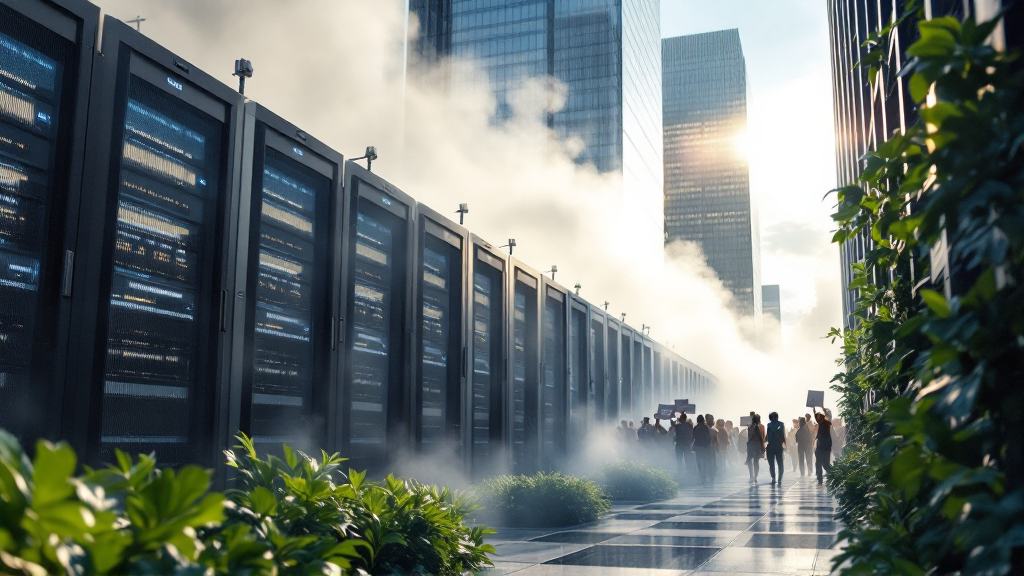
The rapid growth in the number of data centers in the United States is leading to a sharp increase in electricity and water consumption, creating challenges for infrastructure and the environment. This is prompting new restrictions and legislative measures at the regional level.
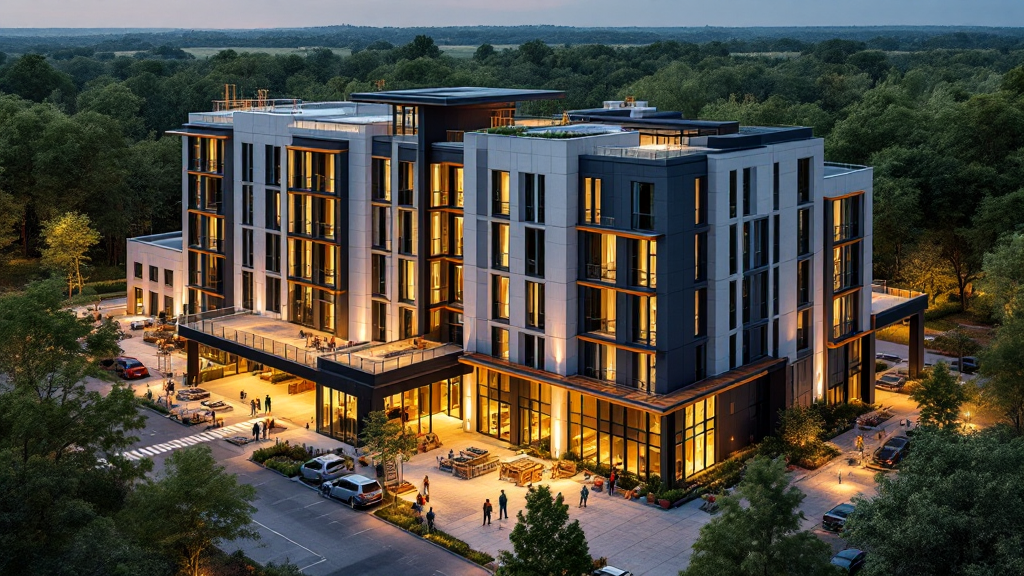
Active construction of data centers in the United States is driving demand for extended-stay hotels, especially in regions with major infrastructure projects. However, the long-term sustainability of this demand depends on market development and demographic trends.
The rapid growth in the number of data centers is increasing the strain on the U.S. power grid, sparking debates about how to supply their energy needs. Small modular nuclear reactors are being considered as a promising solution to provide sustainable and environmentally friendly power for data processing centers.
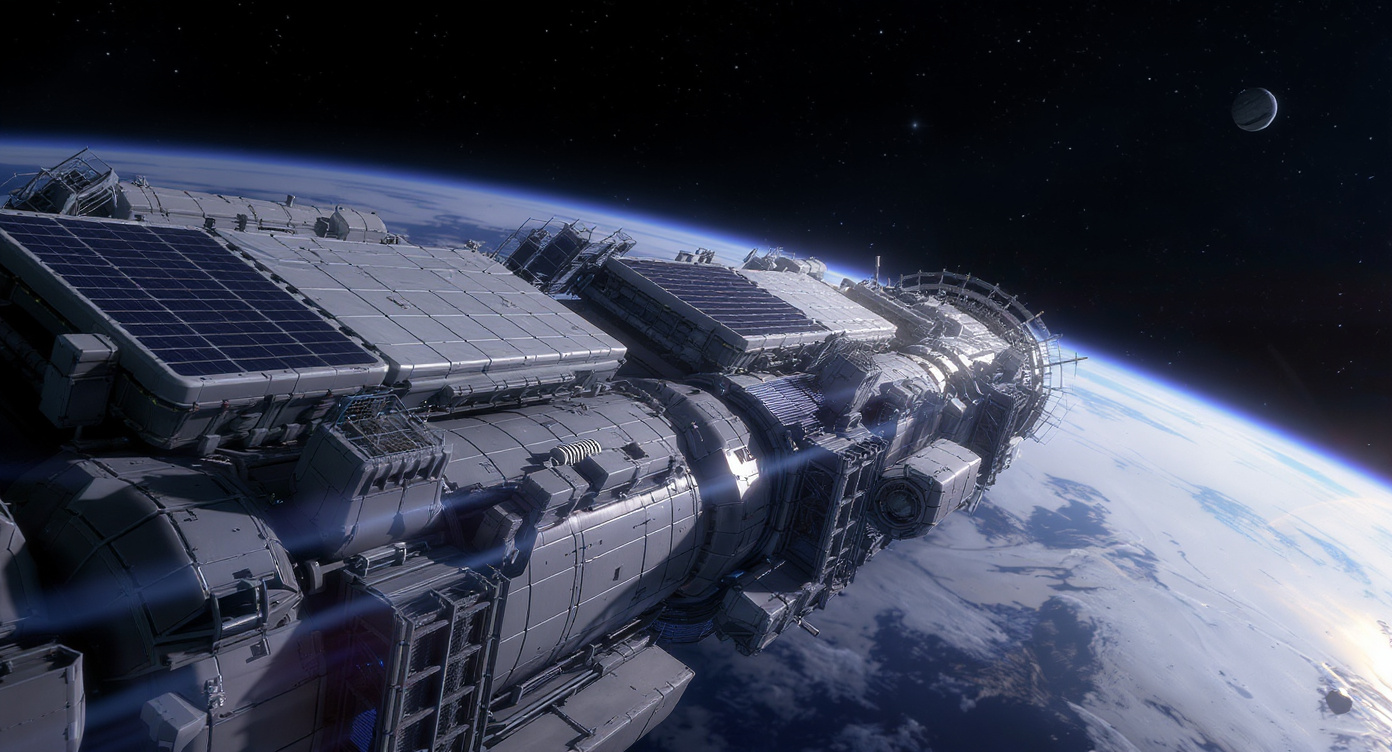
Nvidia is expanding its partner network in the field of autonomous transportation and entering the orbital data center market, offering new solutions for automakers and space infrastructure providers. The company is intensifying competition with Tesla and SpaceX by introducing open AI platforms and specialized chips designed for data processing in orbit.
Рост спроса на искусственный интеллект приводит к дефициту и подорожанию жестких дисков: крупные компании заранее резервируют большие объемы, оставляя меньше ресурсов для розничного рынка. Ожидается, что высокая стоимость и ограниченная доступность HDD сохранятся из-за продолжающегося расширения инфраструктуры ИИ.
Chinese scientists have developed an innovative cooling technology based on the soluble barocaloric effect, which can deliver high energy efficiency and zero carbon emissions. This solution has the potential to become a promising alternative for cooling data centers and residential buildings.
Leading technology companies are considering placing data centers in orbit as an alternative to land-based facilities. The project is attracting investment, but faces technical and environmental challenges.

 Natura