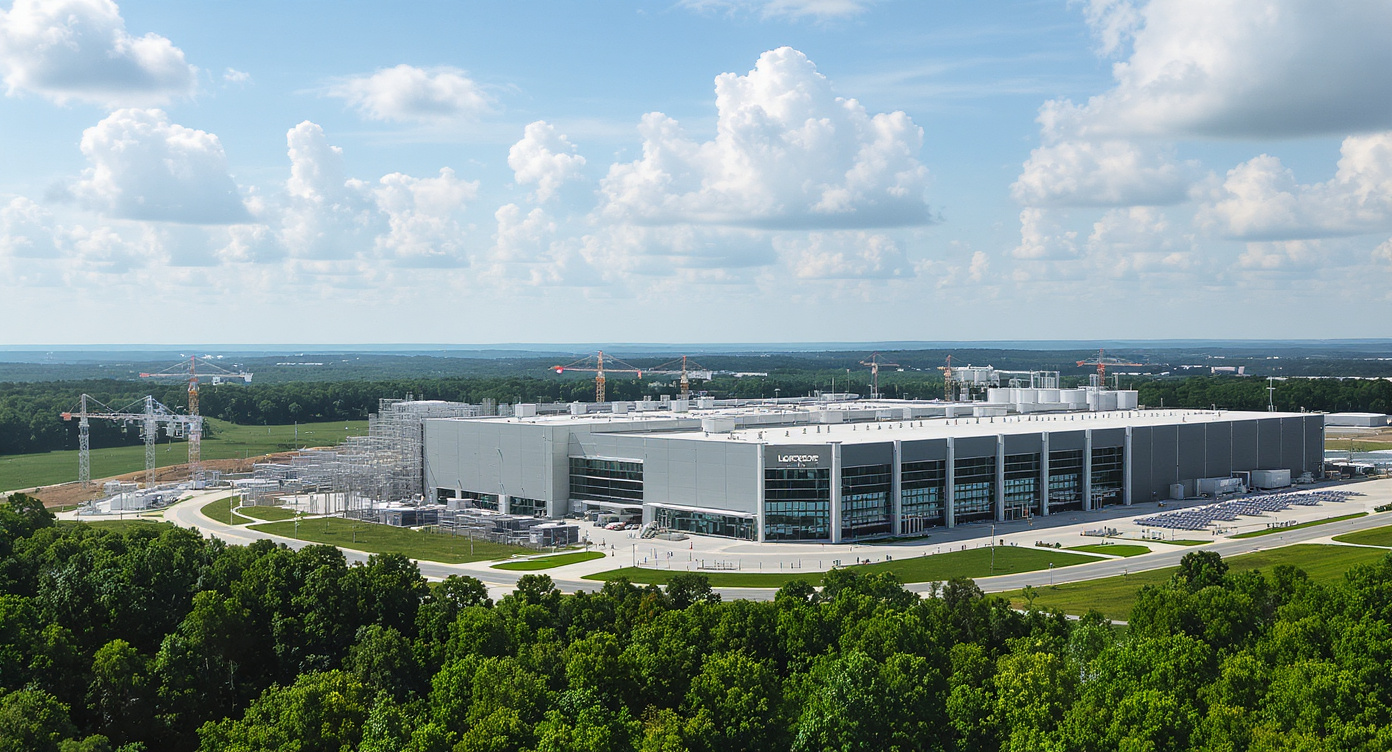
Despite the increasing number of data center construction projects, their implementation is often delayed due to challenges with permits, zoning, and equipment supply. Successful completion requires strategic planning, and the industry is placing greater emphasis on sustainability and energy efficiency.
The rapid growth in the number of data centers is increasing the strain on the U.S. power grid, sparking debates about how to supply their energy needs. Small modular nuclear reactors are being considered as a promising solution to provide sustainable and environmentally friendly power for data processing centers.
Chinese scientists have developed a new alloy capable of reaching ultra-low temperatures without the use of the rare helium-3 isotope. This breakthrough could simplify the creation of compact quantum and cryogenic systems, reducing infrastructure requirements and expanding opportunities for the advancement of cutting-edge technologies.
Tests have shown that the Apple M5 Max chip performs significantly more efficiently and stably in the MacBook Pro 16 than in the 14-inch model, delivering a noticeable boost in both CPU and GPU performance.
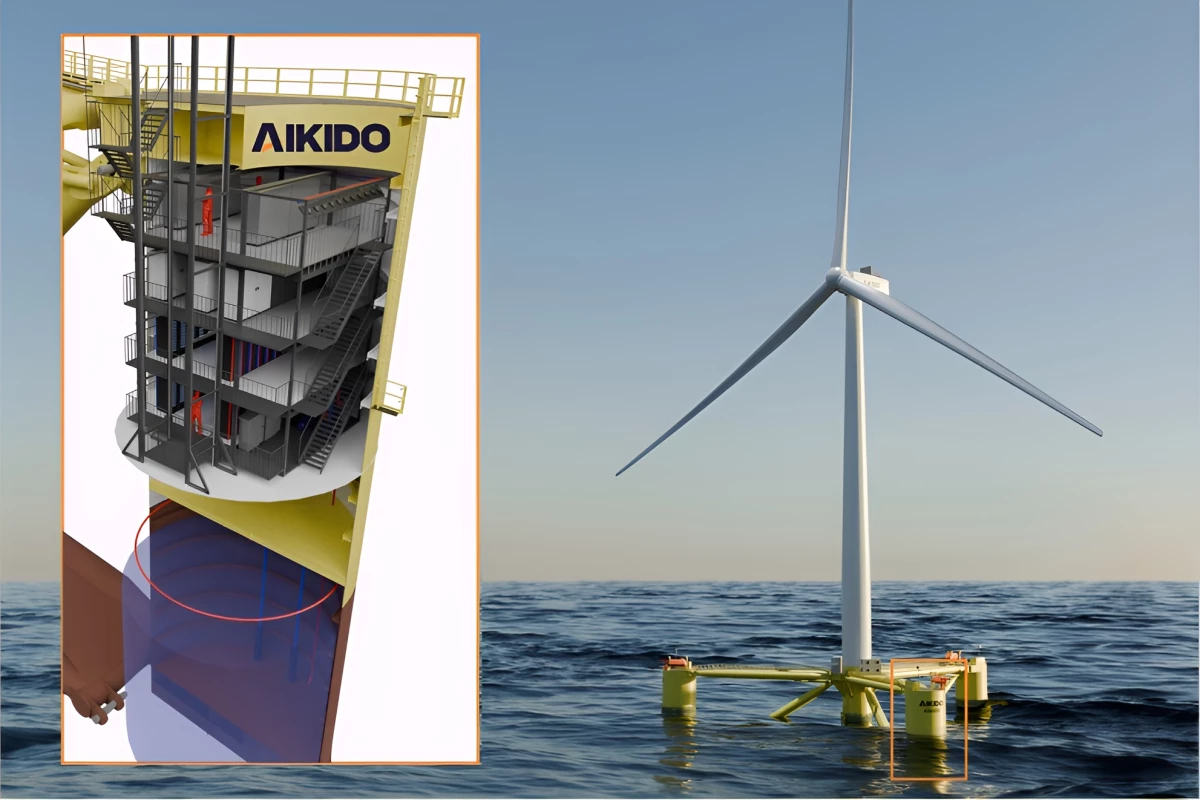
As AI energy consumption increases, engineers are seeking sustainable solutions for data centers. Aikido Technologies offers autonomous floating platforms equipped with wind power and seawater cooling, minimizing the load on power grids and reducing environmental impact.
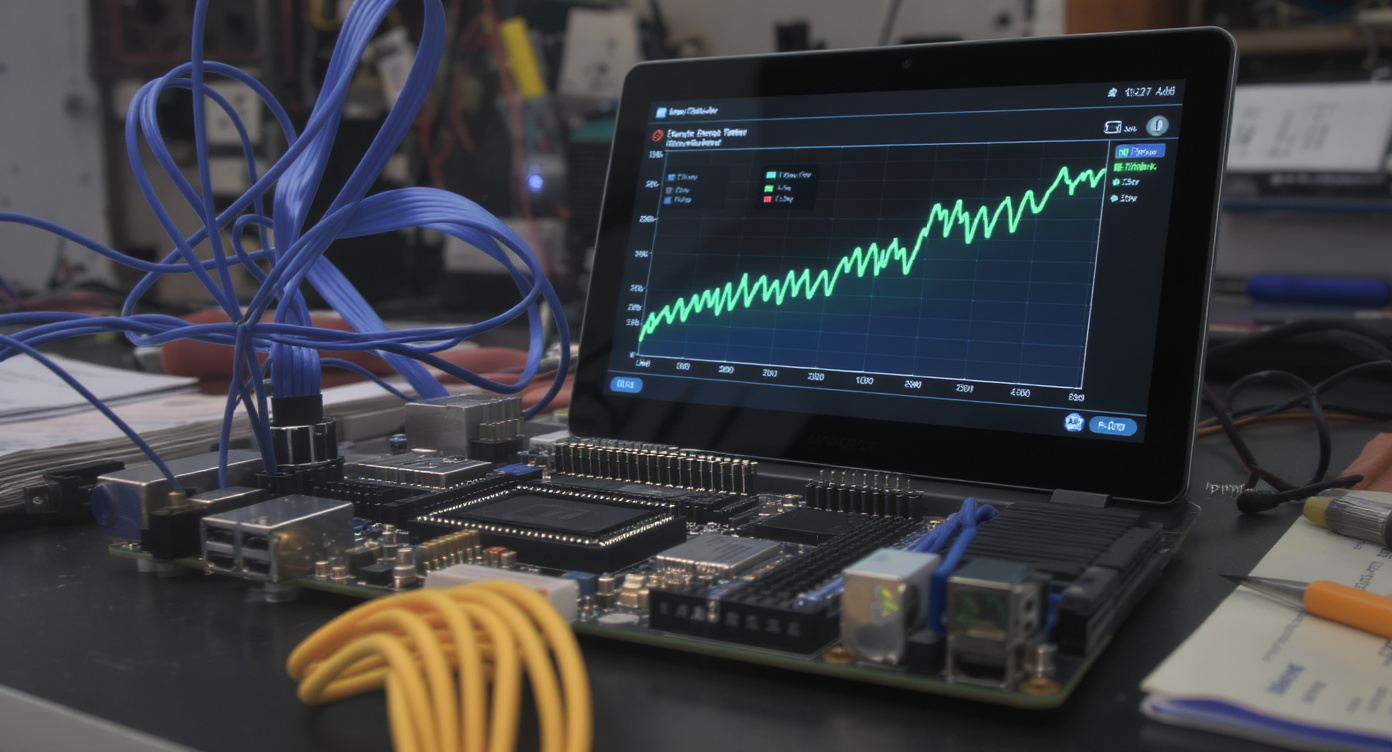
Users note that the RP2350 microcontroller from Raspberry Pi can be significantly overclocked to boost performance, but it still falls short compared to modern processors. Extreme overclocking may also lead to accelerated chip wear.
Chinese scientists have developed an innovative cooling technology based on the soluble barocaloric effect, which can deliver high energy efficiency and zero carbon emissions. This solution has the potential to become a promising alternative for cooling data centers and residential buildings.
Leading technology companies are considering placing data centers in orbit as an alternative to land-based facilities. The project is attracting investment, but faces technical and environmental challenges.
A new study has shown that persistent cooling south of Greenland is linked to a weakening of the Atlantic Meridional Overturning Circulation, which could significantly impact the climate of Europe and North America.

 Aedis
Aedis