At Southern Illinois University, researchers have developed a method to convert plastic and plant waste into a protein-rich food product using genetically modified yeast. The project is currently at the proof-of-concept stage and requires further research to assess its safety and practical applications.
In 2022, a photon with record-breaking energy from a gamma-ray burst was detected on Earth—something that, according to current physical models, should not have been possible. To explain this phenomenon, astrophysicists proposed a new model that takes into account unusual effects at extreme energy levels.
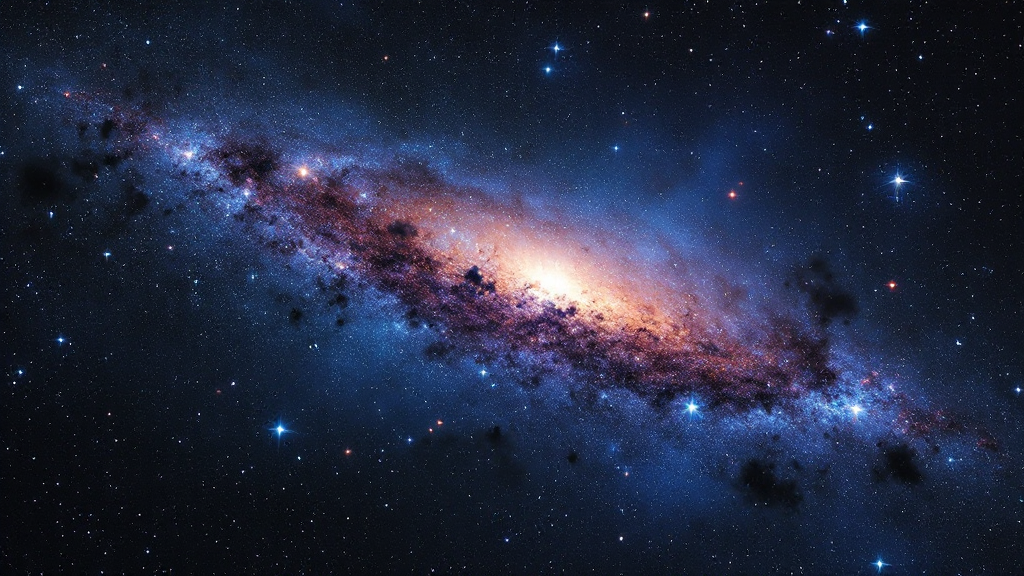
Recent studies using the Hubble Telescope have revealed that the Milky Way merged with other galaxies in the past, which significantly influenced its structure and evolution.
A study of wintering at an Antarctic station revealed that constant close contact within a small group does not always improve relationships and can actually increase stress. These findings are important for preparing future space missions and other extreme environments.
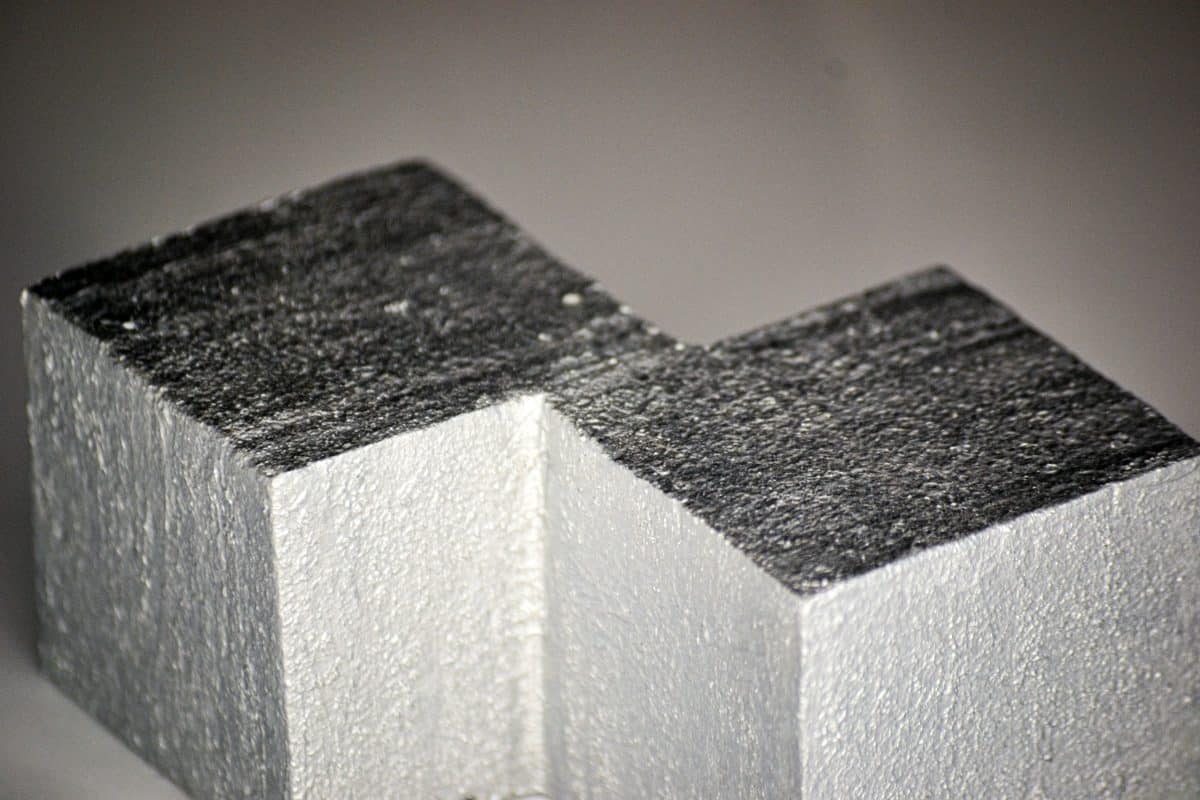
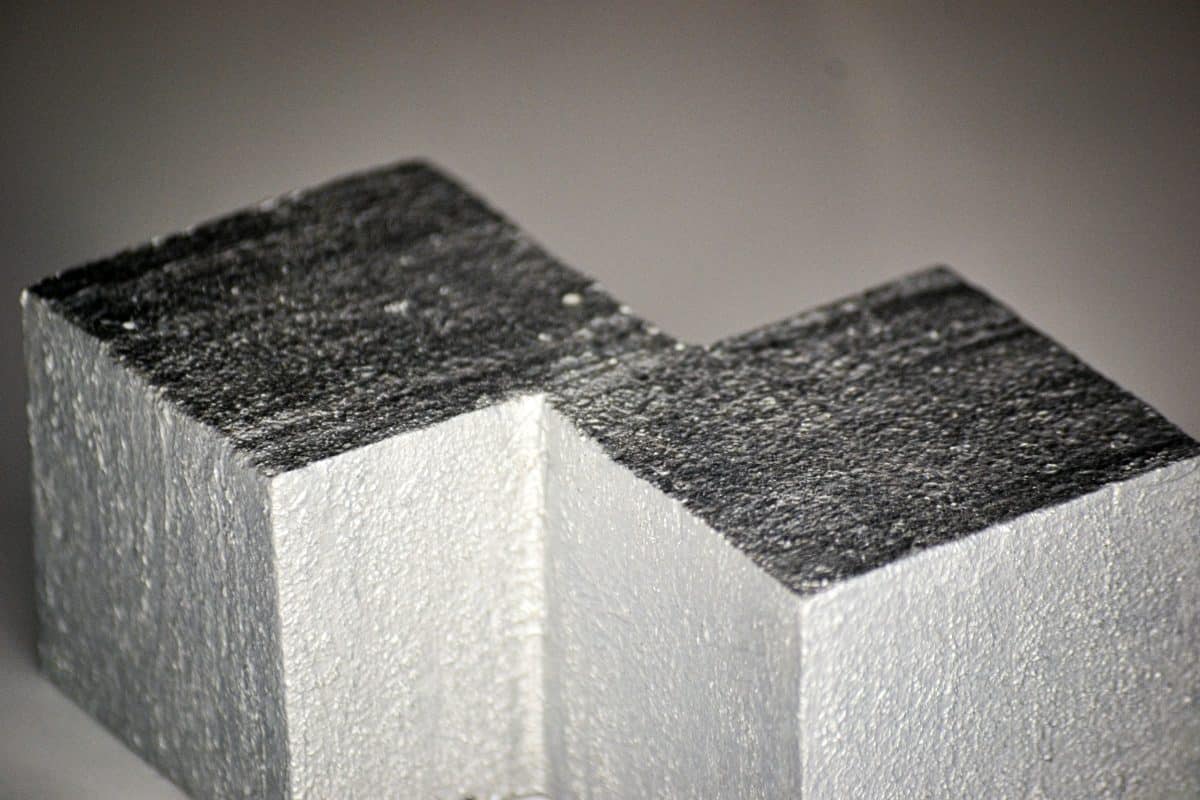
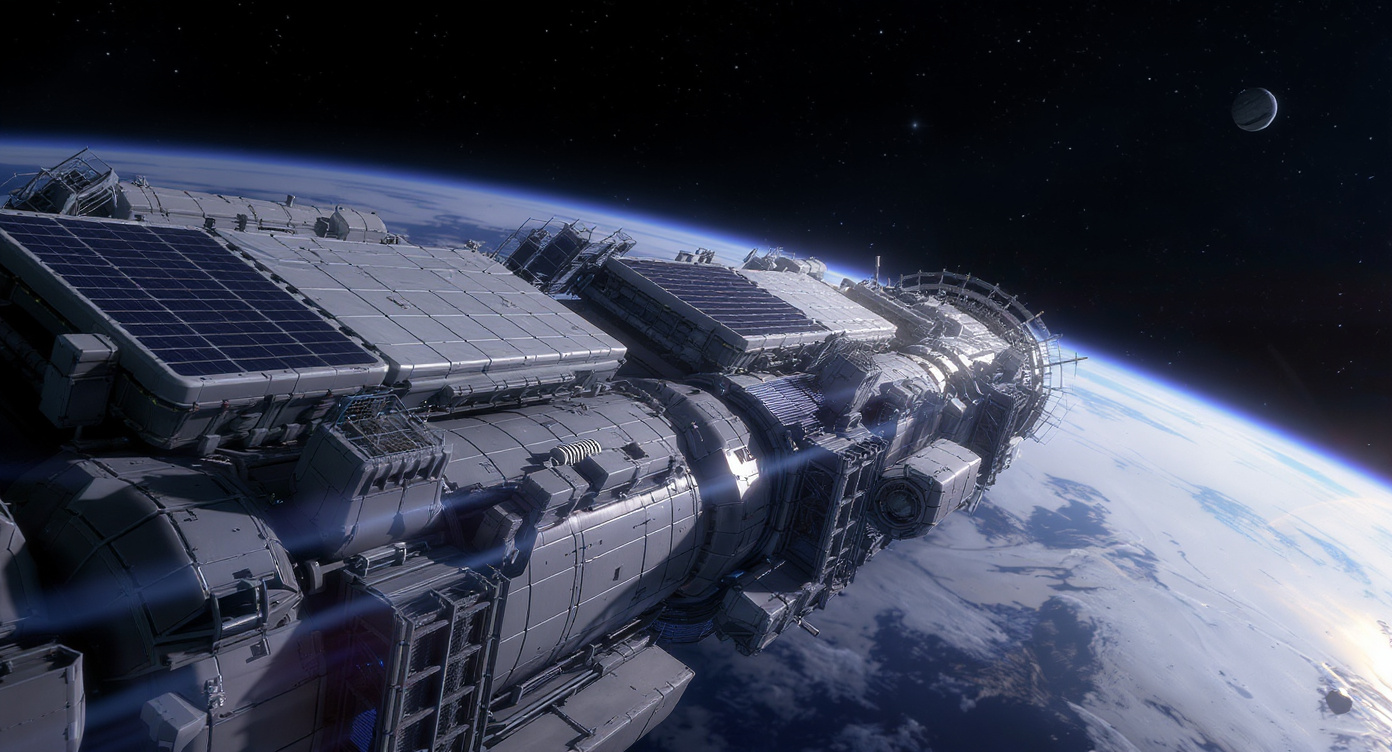
In the conditions of outer space vacuum, metal parts can spontaneously bond together without heating due to the destruction of their protective oxide layer. This phenomenon poses serious challenges for spacecraft and requires special protective measures.
В вакууме космоса металлические детали могут самопроизвольно свариваться без нагрева, что представляет угрозу для космической техники. Для предотвращения этого инженеры используют специальные покрытия и смазки.
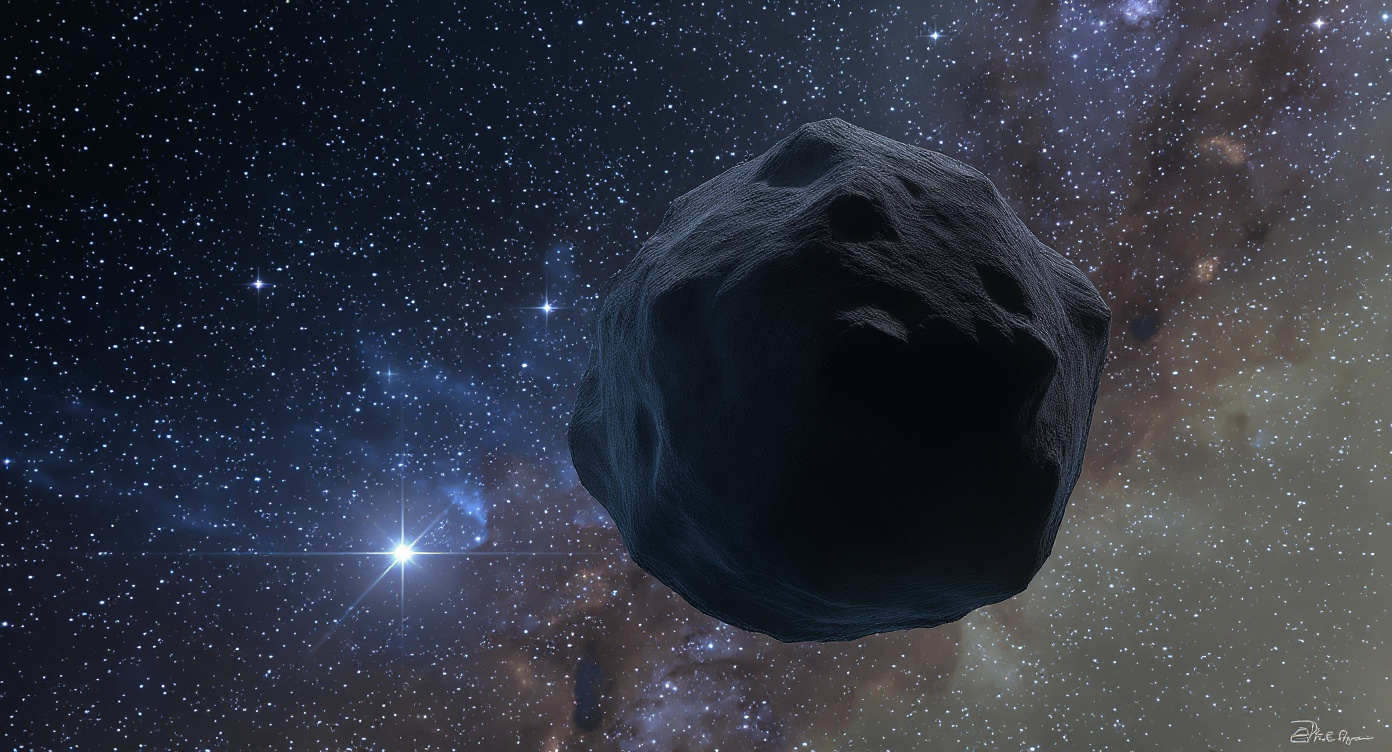
Studies of the asteroid Ryugu have revealed the presence of all the nucleobases that make up DNA and RNA, strengthening the hypothesis that key components for life could have been delivered to Earth from space. This discovery supports the idea that essential molecules for life can form outside our planet.
Nvidia is expanding its partner network in the field of autonomous transportation and entering the orbital data center market, offering new solutions for automakers and space infrastructure providers. The company is intensifying competition with Tesla and SpaceX by introducing open AI platforms and specialized chips designed for data processing in orbit.
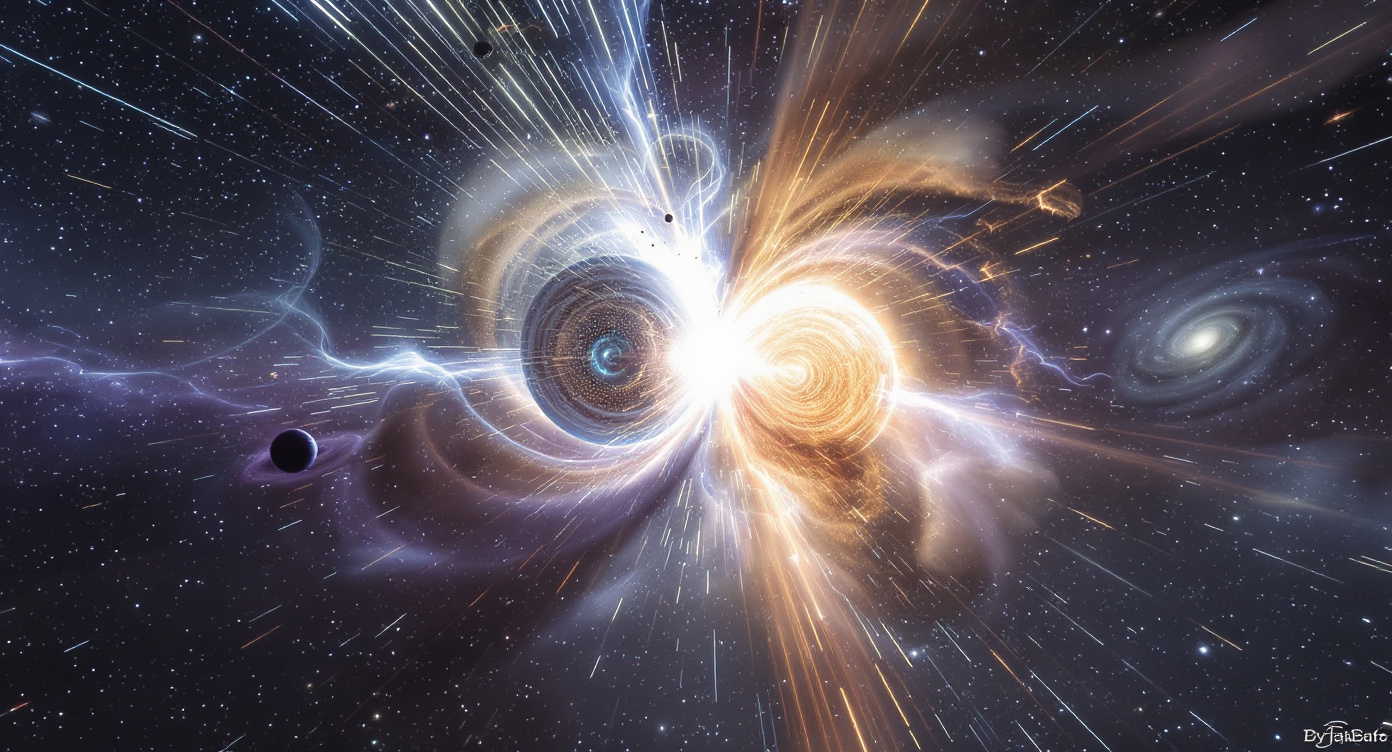
Astronomers have detected a powerful gamma-ray burst caused by the merger of neutron stars in a distant galaxy. This event sheds light on the origin of heavy elements such as gold and platinum in the universe.
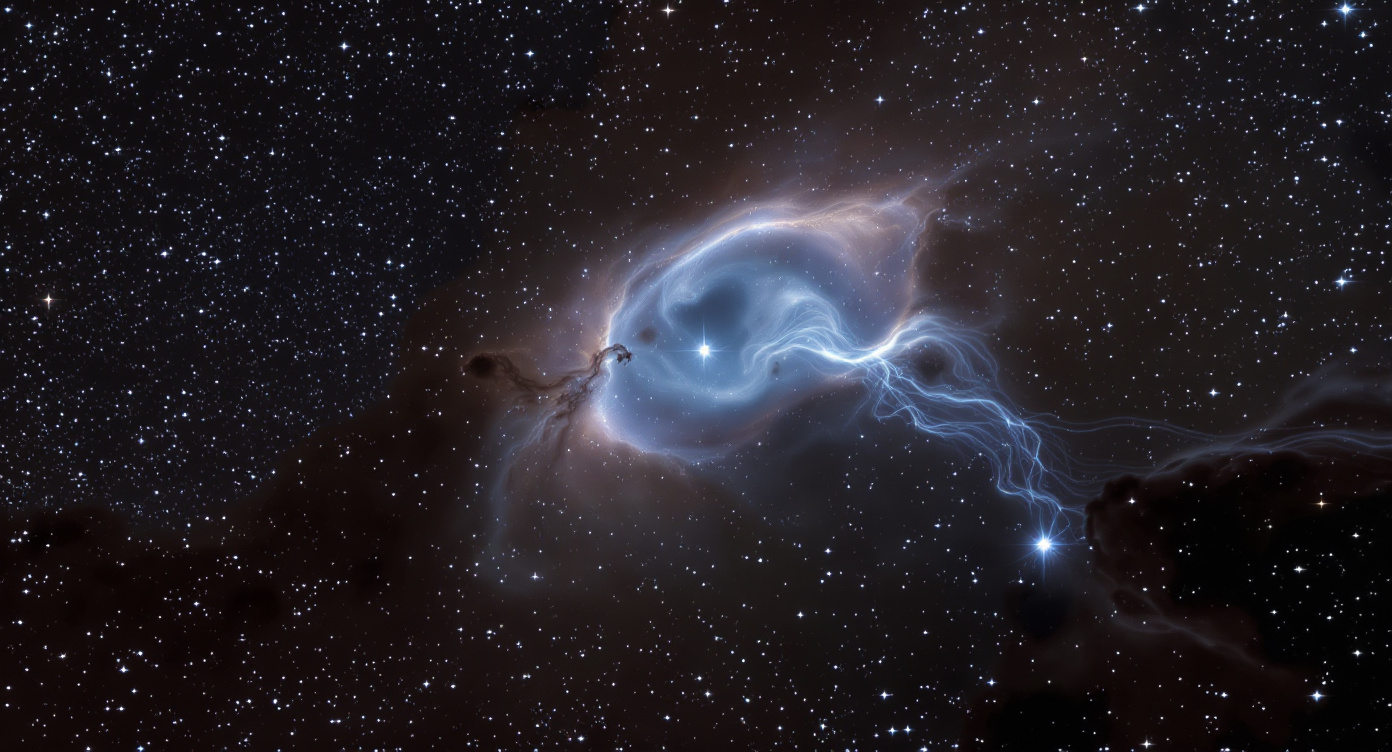
New images of the Cat's Eye Nebula, captured by the Hubble and Euclid telescopes, reveal its intricate structure and dynamic nature. This data will help astronomers gain a deeper understanding of such cosmic objects.
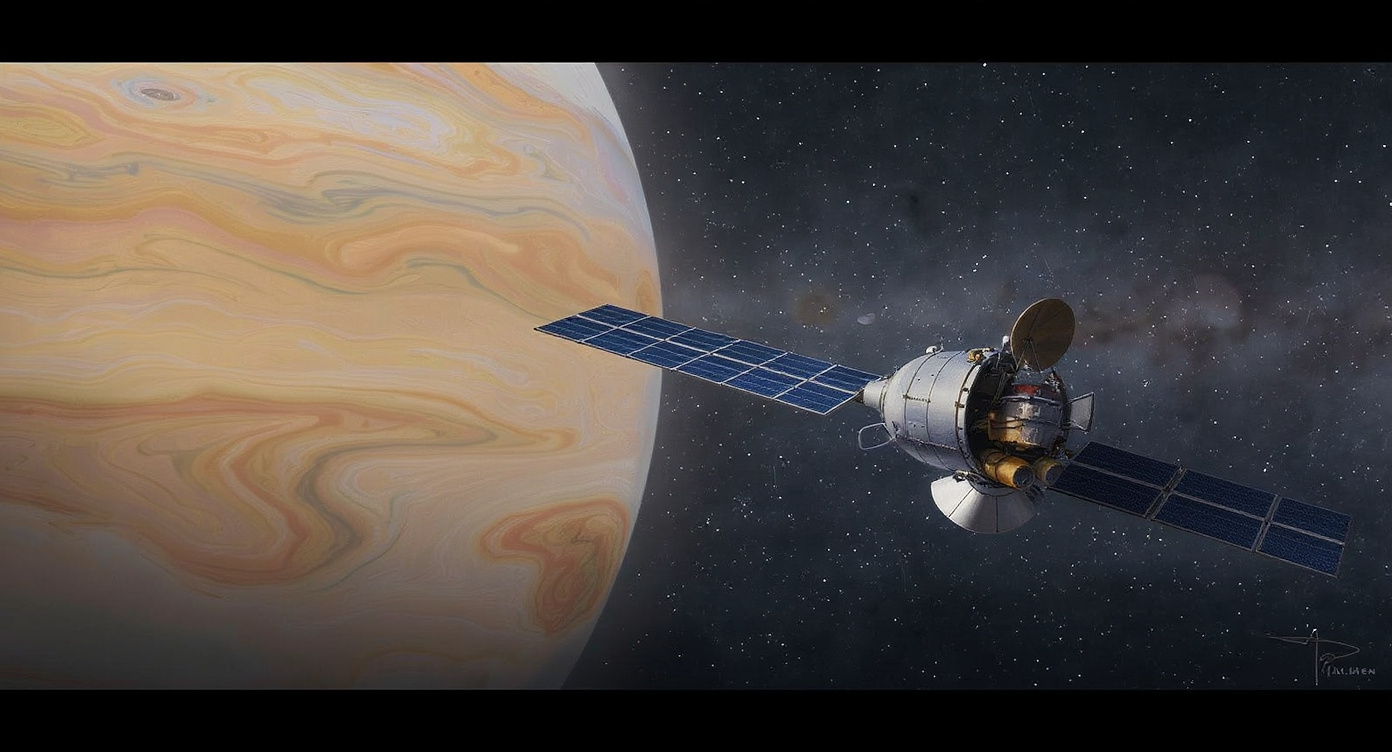
The European Space Agency has released the first images of the interstellar comet 3I/ATLAS, captured by the Juice spacecraft on its way to Jupiter. This data will provide new insights into the structure and origin of this rare object.
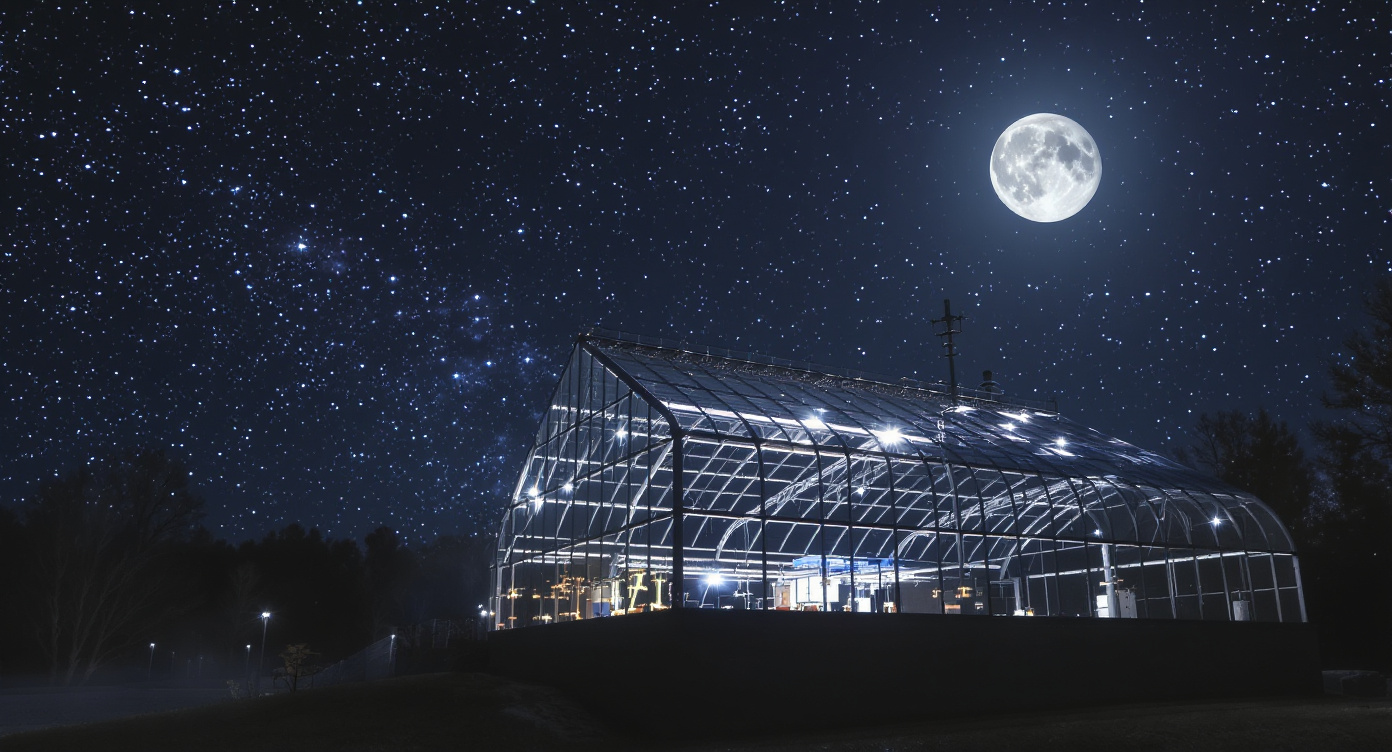
Engineers at the University of California have developed a device capable of generating energy at night by harnessing the temperature difference between the ground and outer space. This technology could provide ventilation for greenhouses and buildings without the need for fuel.
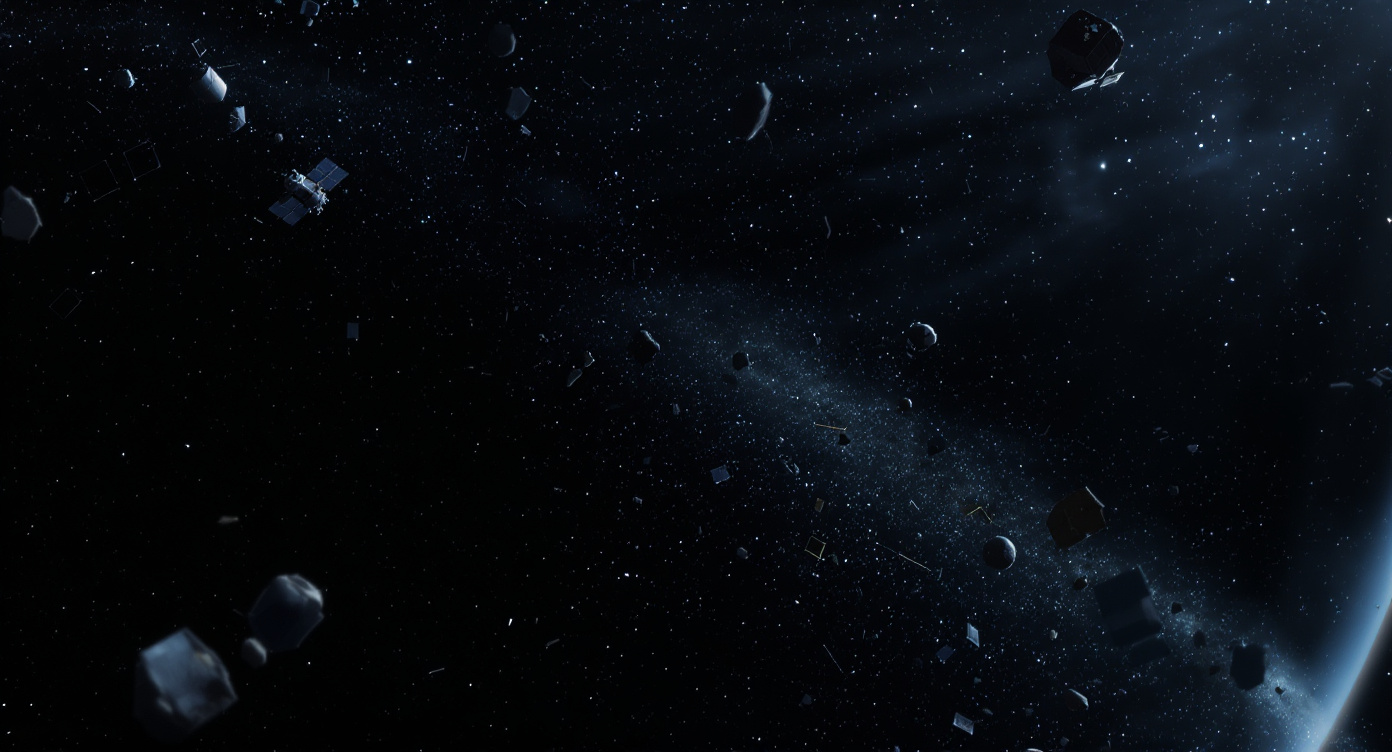
The European Space Agency is developing an innovative OMLET laser system designed to alter the trajectories of space debris and enhance orbital safety. The project is currently in its early stages of implementation.
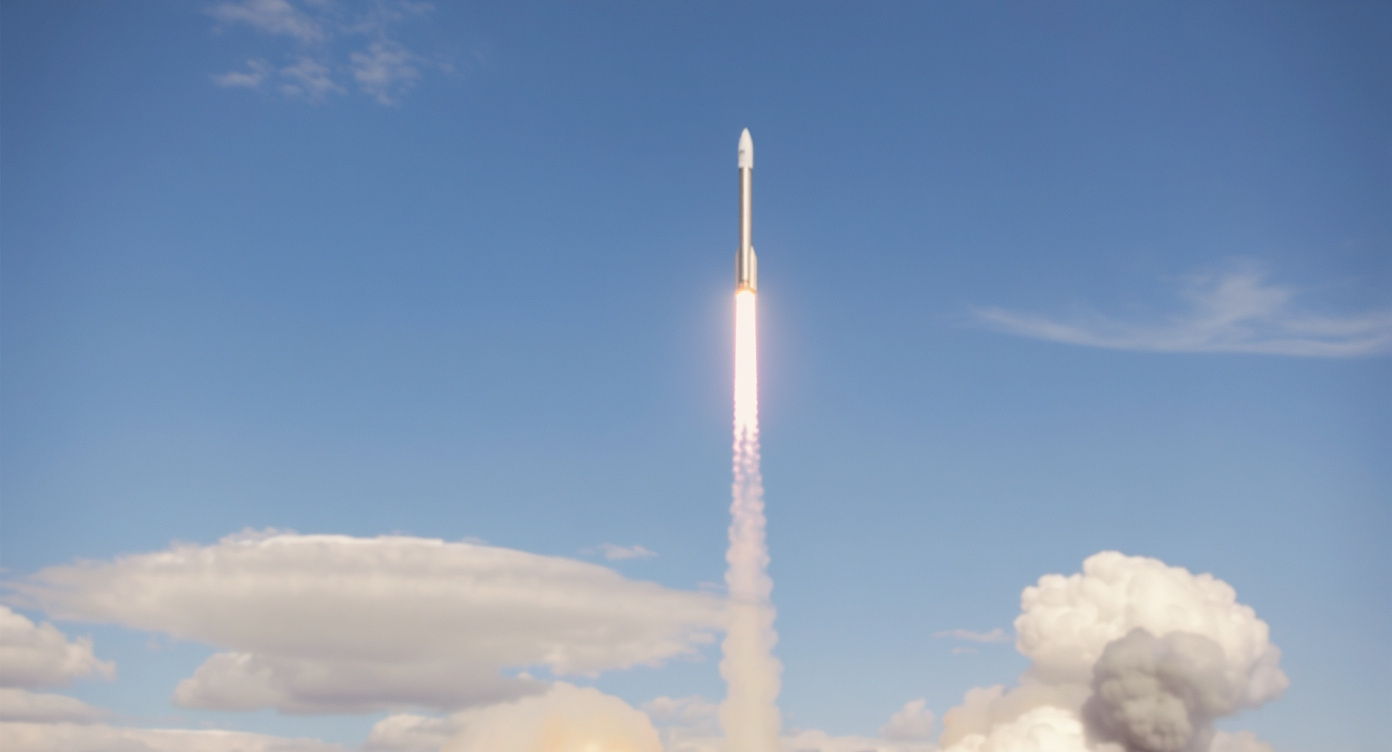
The Chinese Smart Dragon-3 rocket has successfully placed seven satellites into orbit, including Pakistan's PRSC-EO2. This achievement marks an important milestone in the development of space cooperation between the two countries. The new satellite will enhance Pakistan's capabilities in Earth observation and natural resource monitoring.
China has successfully recovered the first stage of a reusable launch vehicle from the sea for the first time, marking an important step toward a crewed lunar mission by 2030 and the development of its own reusable rocket technologies.

 Cursus