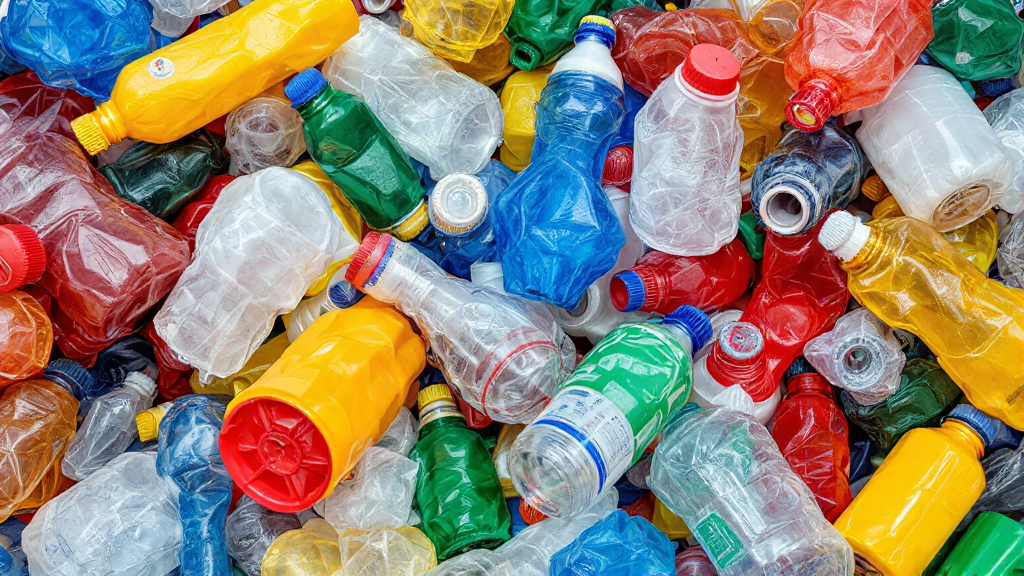
At Southern Illinois University, researchers have developed a method to convert plastic and plant waste into a protein-rich food product using genetically modified yeast. The project is currently at the proof-of-concept stage and requires further research to assess its safety and practical applications.
American researchers have developed a technology that transforms plastic waste into protein-rich food using genetically modified yeast. While widespread adoption is still a long way off, this method opens up new possibilities for recycling plastics and producing food products.
Researchers from Sweden have developed a fully biodegradable material based on yeast for 3D printing architectural and interior components. This new material produces no waste, can be easily customized in terms of color and texture, and completely decomposes in the environment after use.
The study found that yeast in flowers helps bumblebees locate nectar more quickly by making it easier for them to find collection openings. However, this process harms the plants by depriving them of pollination.
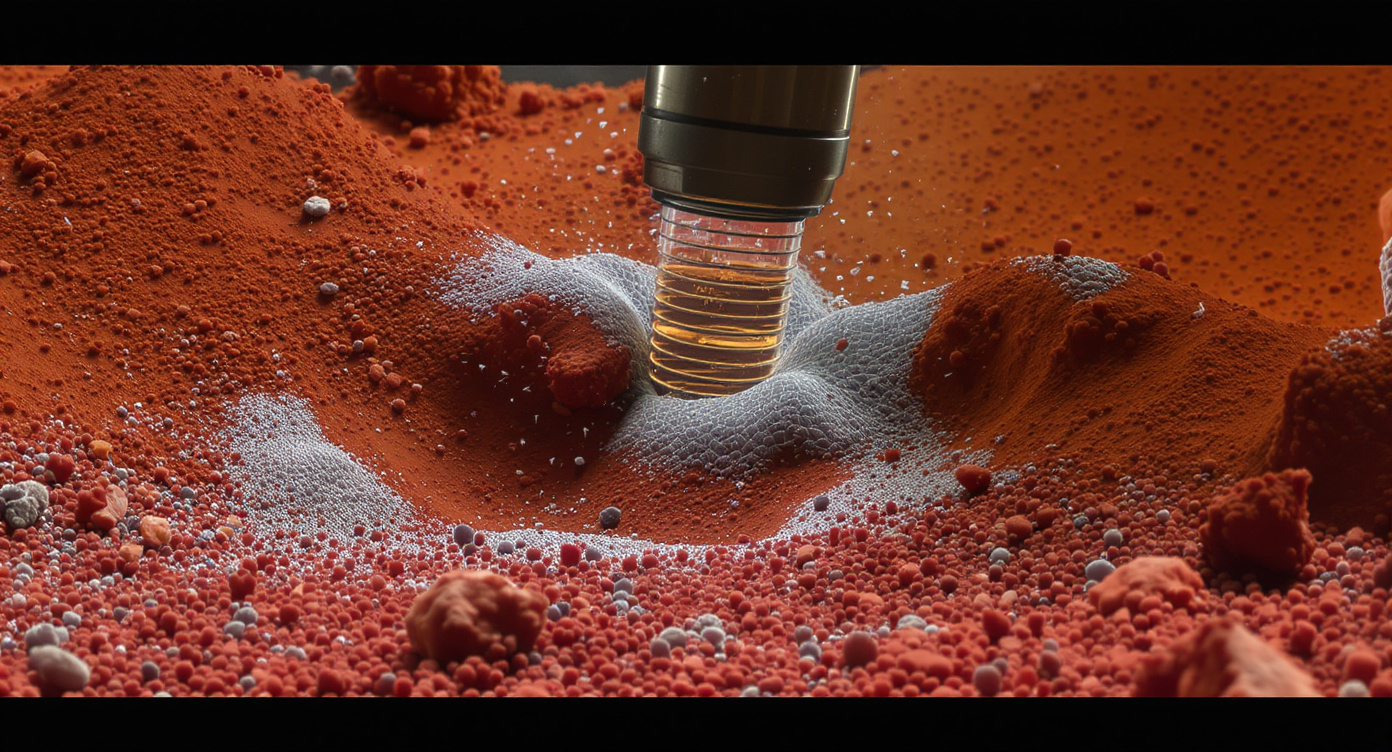
The study revealed that ordinary baker's yeast can survive in conditions that mimic the Martian environment, thanks to a unique stress response mechanism. This discovery is significant for future space exploration.

 Cursus