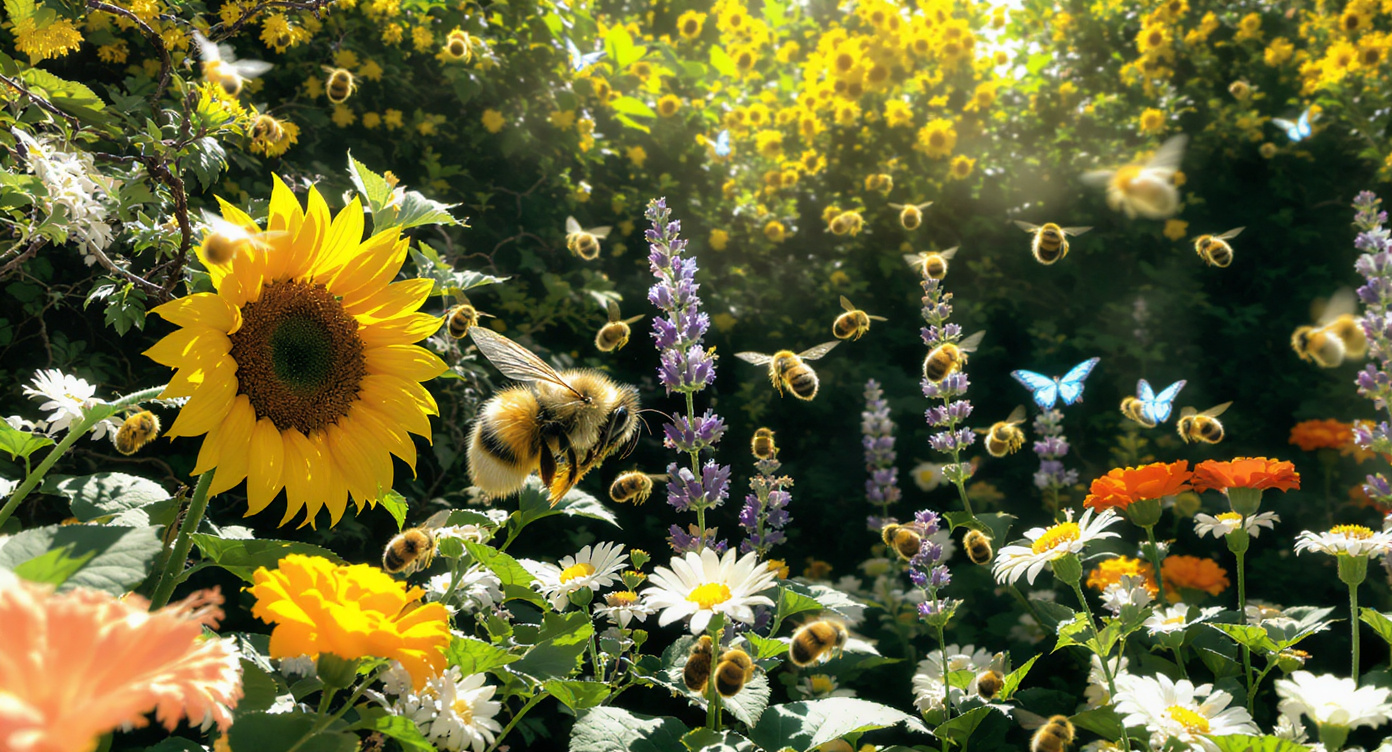
A new study has shown that glyphosate reduces foraging activity in honey bees and may disrupt the chemical balance in their brains. This could negatively affect hive health and highlights the need for further research.
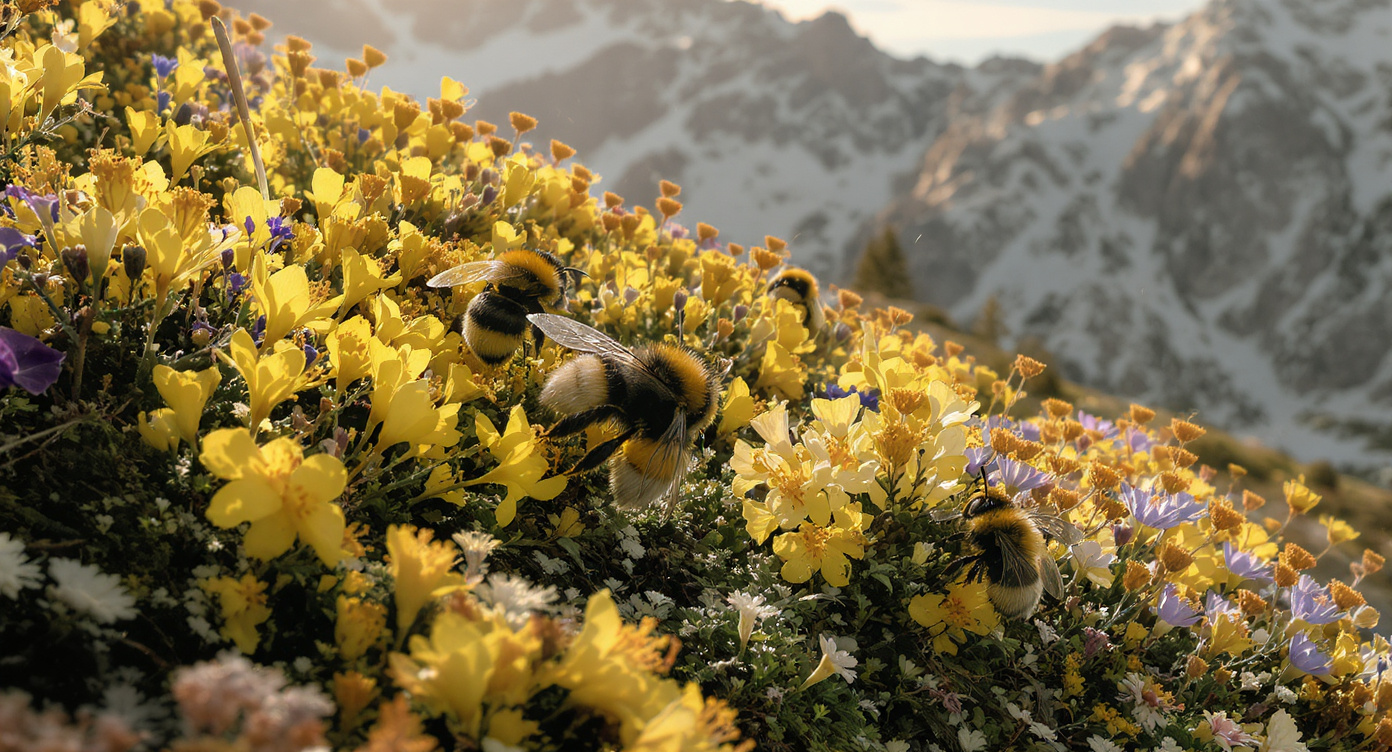
A new study has revealed that there are more than 26,000 species of wild bees on Earth—about a quarter more than previously thought. It may take several more decades to fully describe all these species.
The study found that yeast in flowers helps bumblebees locate nectar more quickly by making it easier for them to find collection openings. However, this process harms the plants by depriving them of pollination.
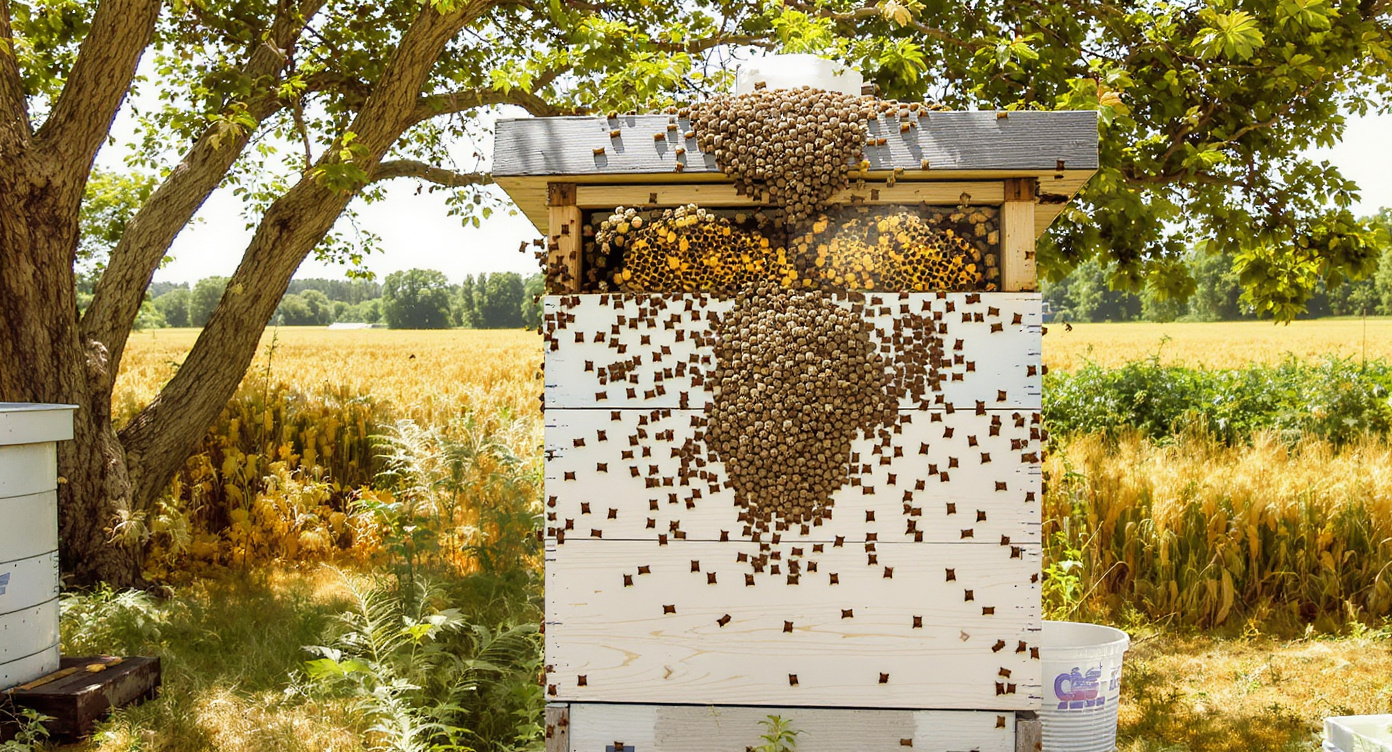
A new study has shown that extreme heat can disrupt the temperature regulation in beehives and reduce the size of bee colonies, posing a threat to pollination and agriculture. Scientists recommend measures to reduce heat stress and help maintain stable bee populations.
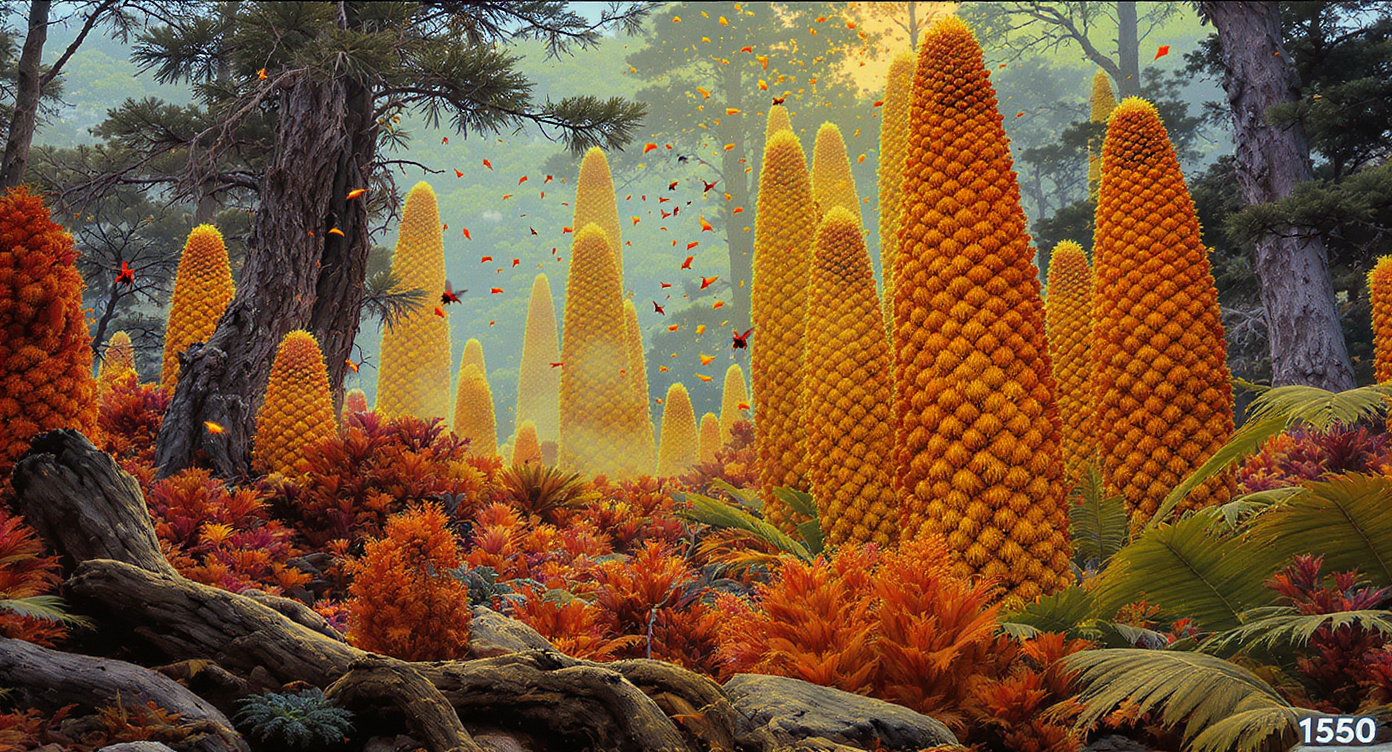
Long before the appearance of bright colors and fragrances, plants attracted insects using heat signals. A new study has shown that ancient cycads used infrared radiation to communicate with their pollinators.

 Natura