A new study has revealed that there are more than 26,000 species of wild bees on Earth—about a quarter more than previously thought. It may take several more decades to fully describe all these species.
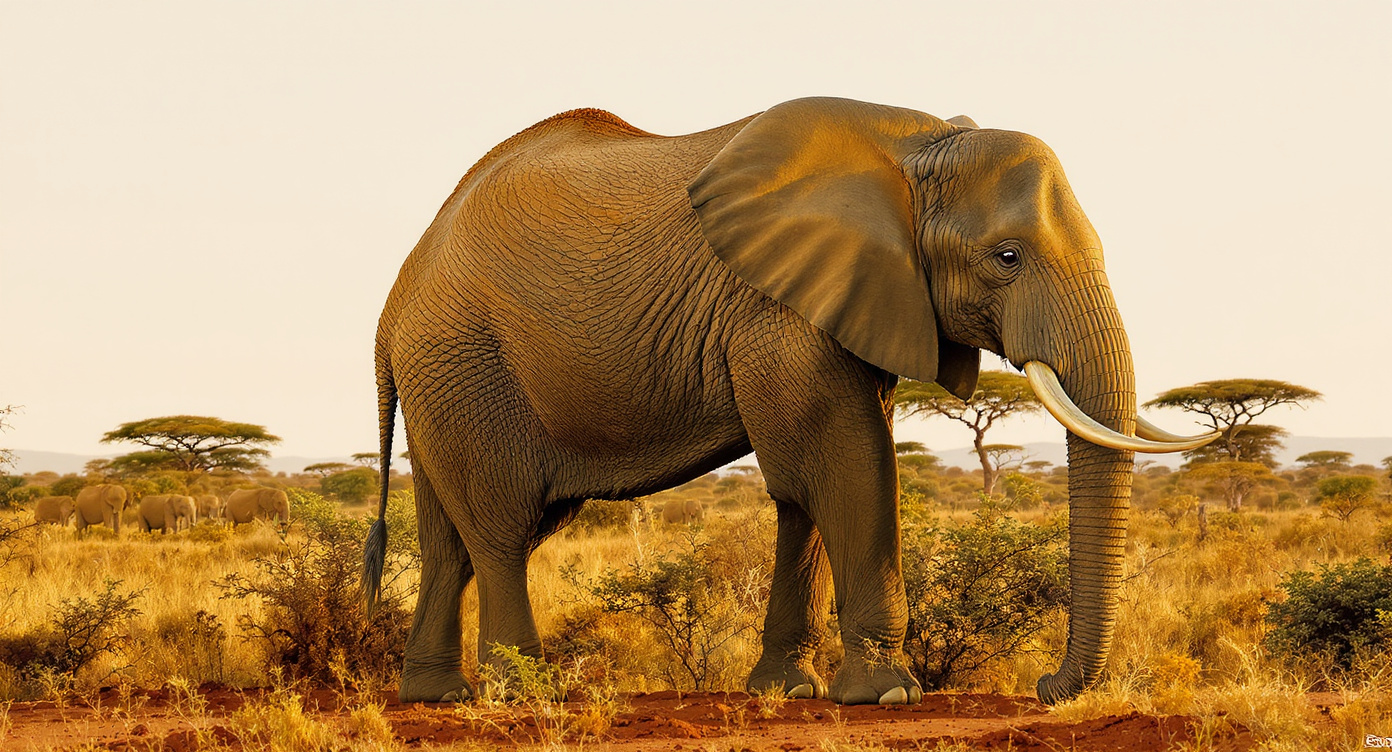
The study revealed that the unique structure of the bristles on an elephant's trunk gives it exceptional tactile sensitivity. These features are inspiring scientists to develop new sensory technologies for robots.
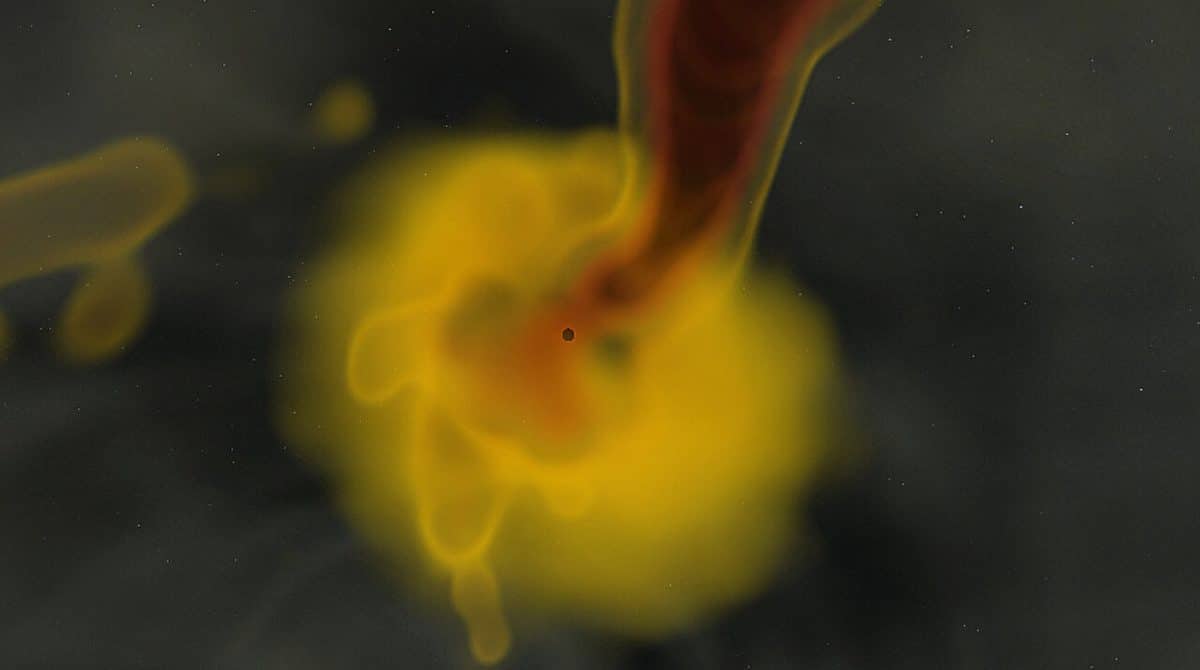
A new study has shown that magnetic fields play a crucial role in the formation of black holes with unusual masses and spin rates, helping to explain the mysterious observations made in 2023. This mechanism opens up new possibilities for studying extreme objects in the Universe.
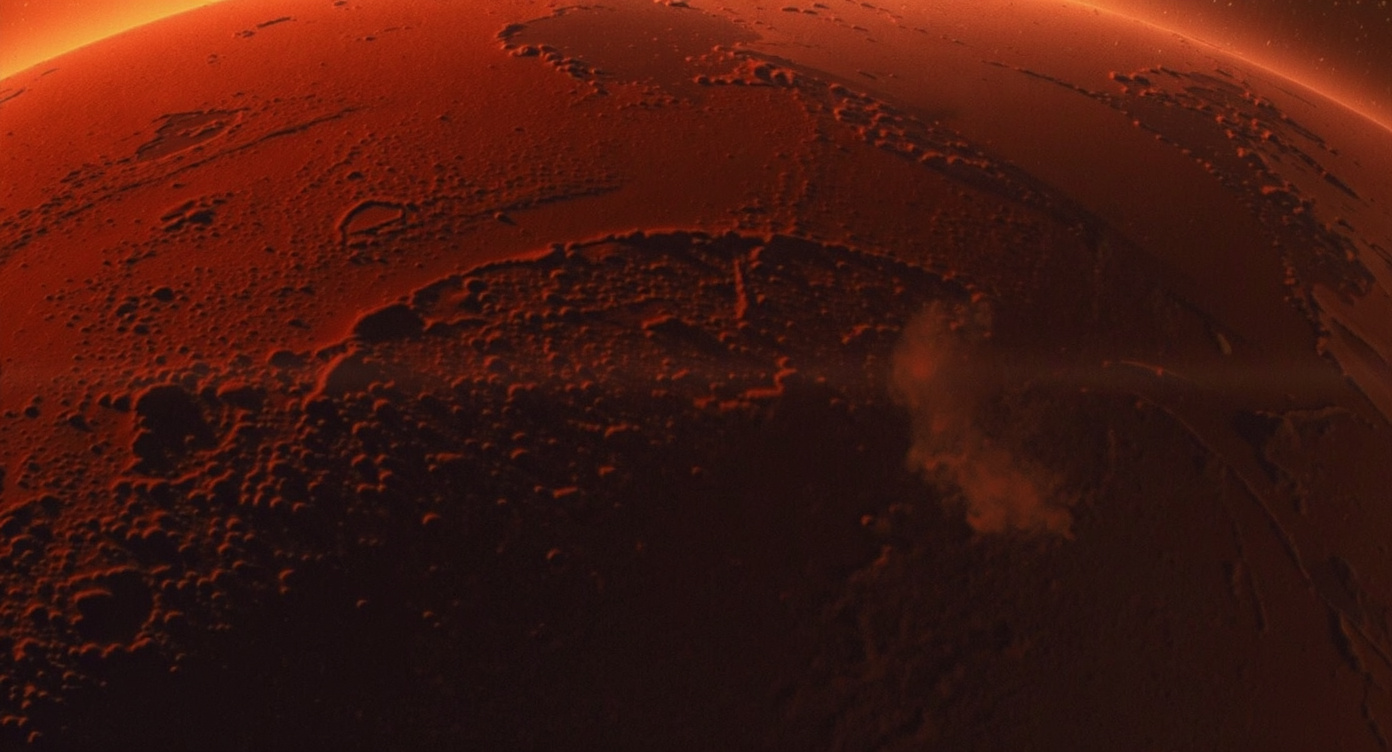
A new study suggests that microscopic channels filled with liquid salty water may exist beneath the surface of Mars, potentially providing an environment where life adapted to extreme conditions could theoretically survive.
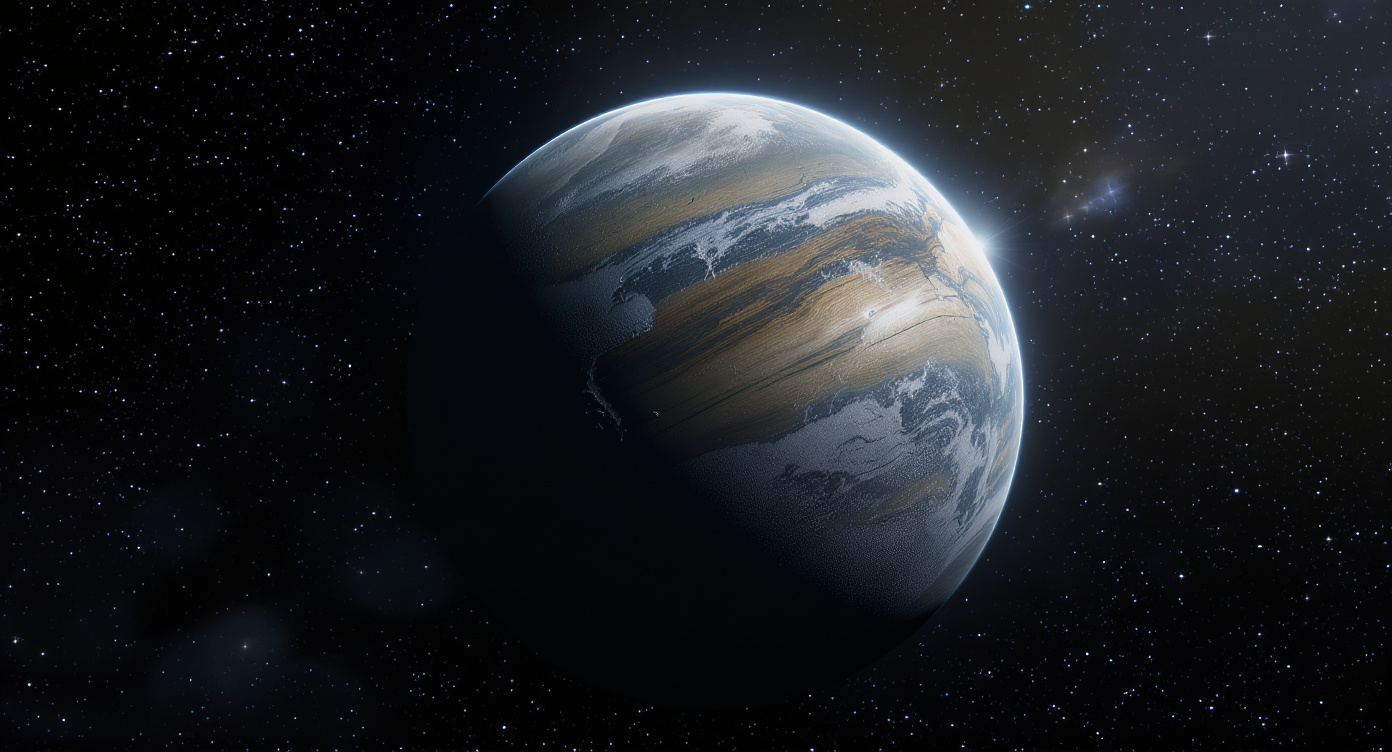
Scientists have proposed a new hypothesis about the origin of Mercury: it may have formed after a collision between two similarly sized protoplanets. This model explains Mercury's unusual structure, but leaves open questions about the composition of its surface.


 Cursus