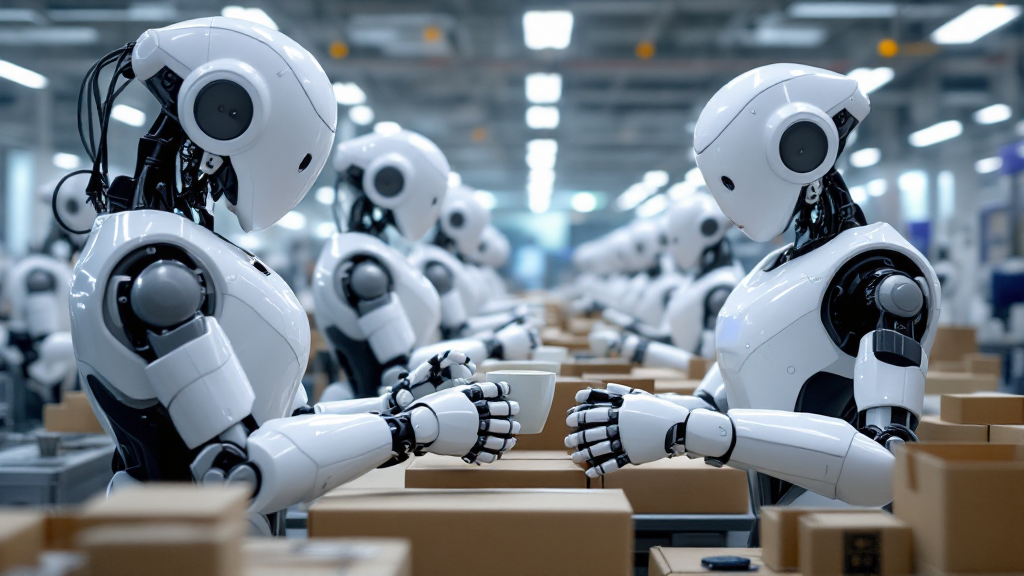
In 2025, a record number of industrial robots—600,000 units—were installed worldwide, which is 11% more than the previous year. The main driver of this growth was China, and the global market continues to expand thanks to technological advancements and a shortage of skilled labor.
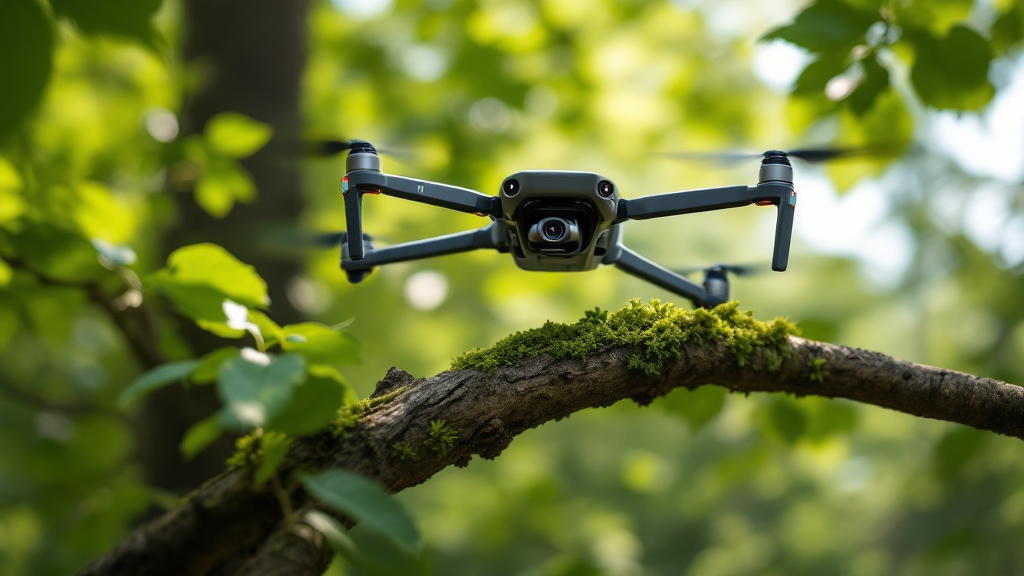
Researchers from Delft University of Technology have developed a drone equipped with tactile sensors that can safely land on tree branches even in low-visibility conditions. This new approach complements visual systems and opens up opportunities for observing nature without unnecessary noise or excessive energy consumption.
China is actively investing in the development of humanoid robots, but their current technology is not yet advanced enough to replace humans in most jobs. Despite impressive demonstrations, these robots still lag behind industrial counterparts in terms of speed and versatility. Achieving a real breakthrough will require further advancements in artificial intelligence.
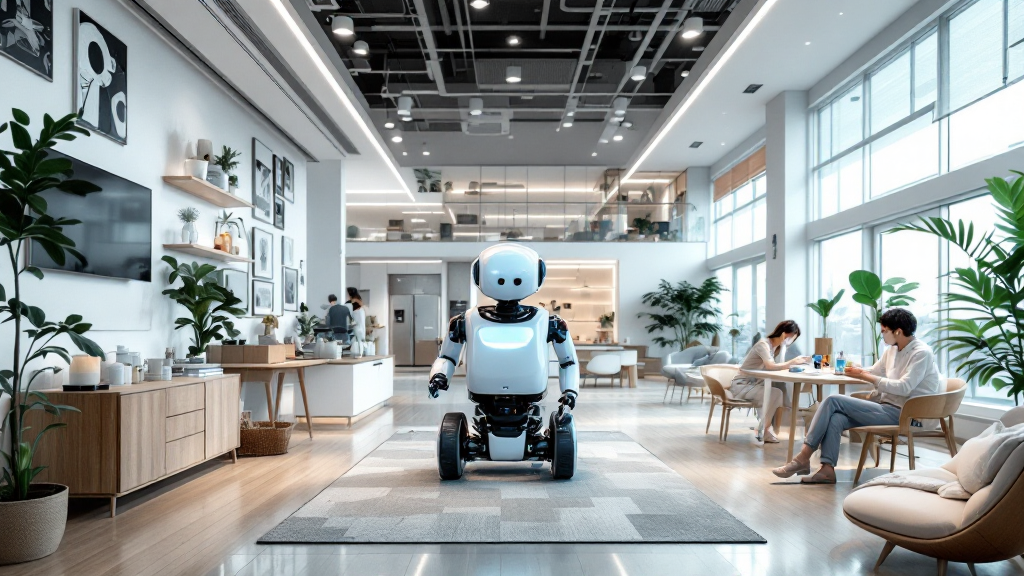
LG and Nvidia are expanding their collaboration in robotics by creating a new data center to train home robots using both real and synthetic data. The project aims to accelerate the adoption of smart robots in everyday life, but the widespread appearance of fully autonomous home assistants is not yet guaranteed.
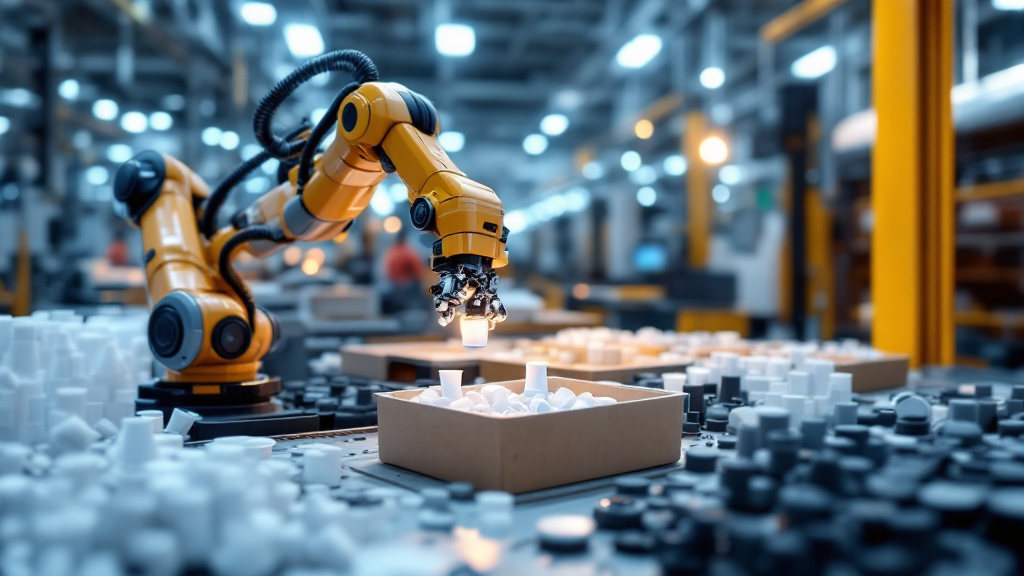
The article explores the key aspects of implementing computer vision in industrial automation, including the integration of 2D and 3D data, calibration, error handling, and adaptation to the physical properties of objects to ensure reliable operation in manufacturing environments.
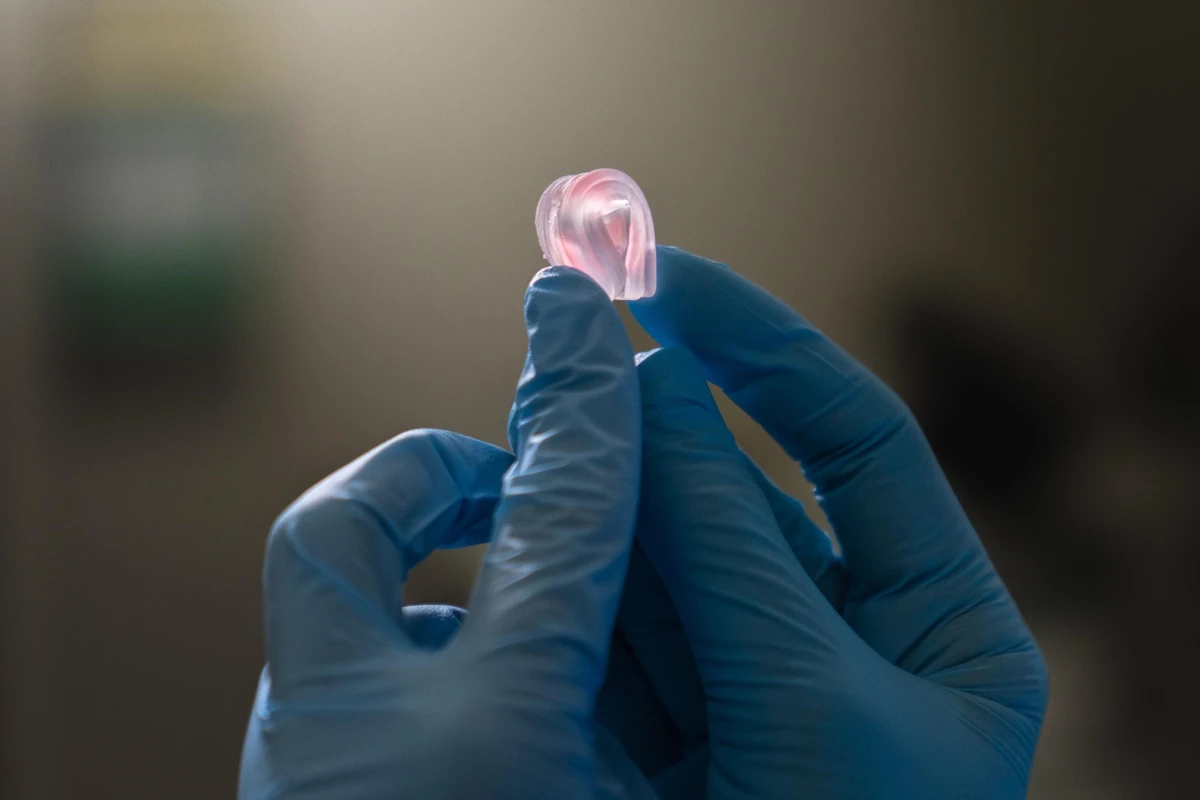
EPFL researchers have developed a new 3D-printable elastomer called DNGE, which combines high strength with excellent wear resistance. This material has the potential to significantly extend the lifespan of products used in wearable electronics, soft robotics, and medical applications.
BYD has joined the race to develop humanoid AI robots, unveiling the Xiao Di project with advanced recognition and interaction capabilities. The prototype is expected to be showcased as early as August.
LG and Nvidia are joining forces to advance robotics and artificial intelligence by establishing a new center and large-scale infrastructure for robot training in Seoul. The partnership includes integrating technologies across consumer, industrial, and automotive sectors, as well as modernizing data centers and energy solutions.
Siemens has introduced the Eigen AI agent system, which can automatically reprogram industrial robots and control systems for new tasks. This technology has the potential to simplify automation, reduce costs, and make the adoption of robotics more accessible for small and medium-sized businesses.
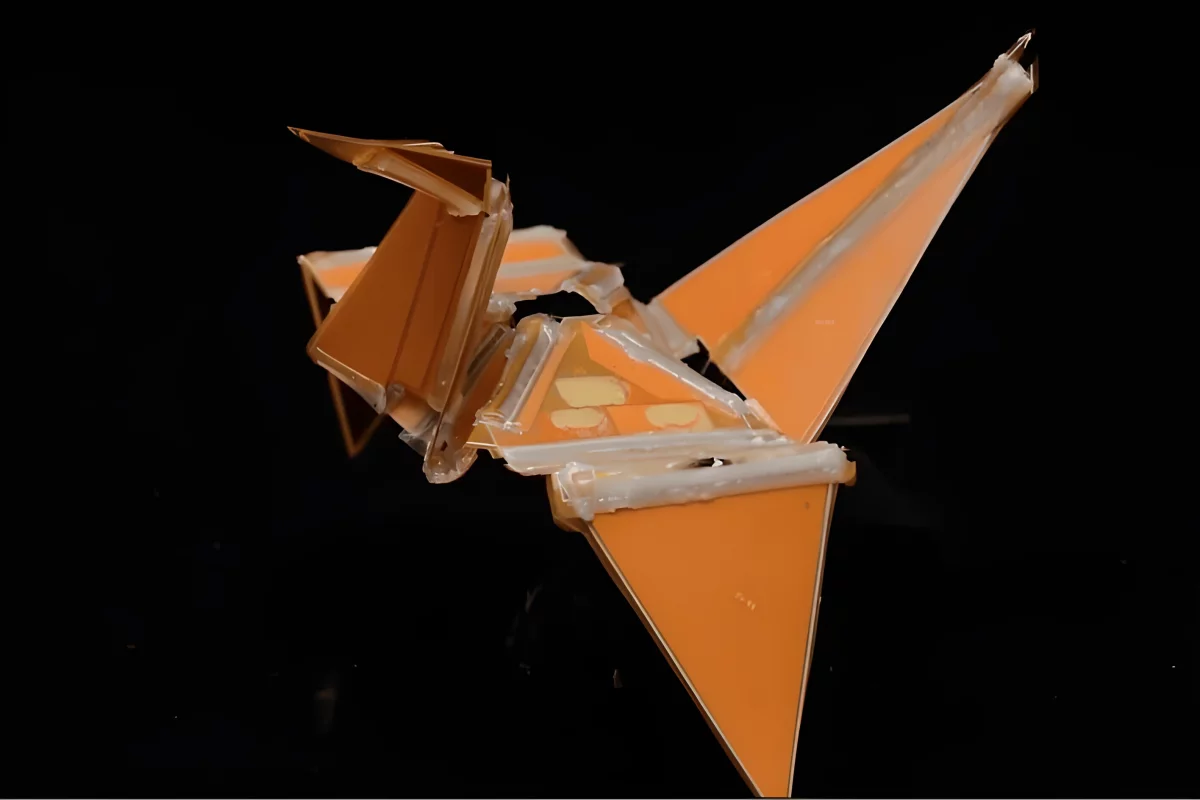
Engineers at Princeton University have developed a soft robot that moves without motors or gears, using heat and origami-inspired principles. This new technology opens up possibilities for flexible and compact robotic systems.
Scientists have developed a fully biodegradable soft robot that, after use, safely decomposes in the soil and even enriches it with nutrients. This new technology combines durability with environmental friendliness, offering a sustainable solution to the problem of electronic waste.
The study revealed that the unique structure of the bristles on an elephant's trunk gives it exceptional tactile sensitivity. These features are inspiring scientists to develop new sensory technologies for robots.
Scientists have developed an electronic skin that enables robots to instantly distinguish between a normal touch and potentially dangerous contact. This technology could improve the safety and adaptability of machines when interacting with humans.
Researchers have developed a programmable "smart skin" made from hydrogel that can conceal images and change its shape in response to external factors. This technology opens up new possibilities for camouflage, encryption, and adaptive materials.
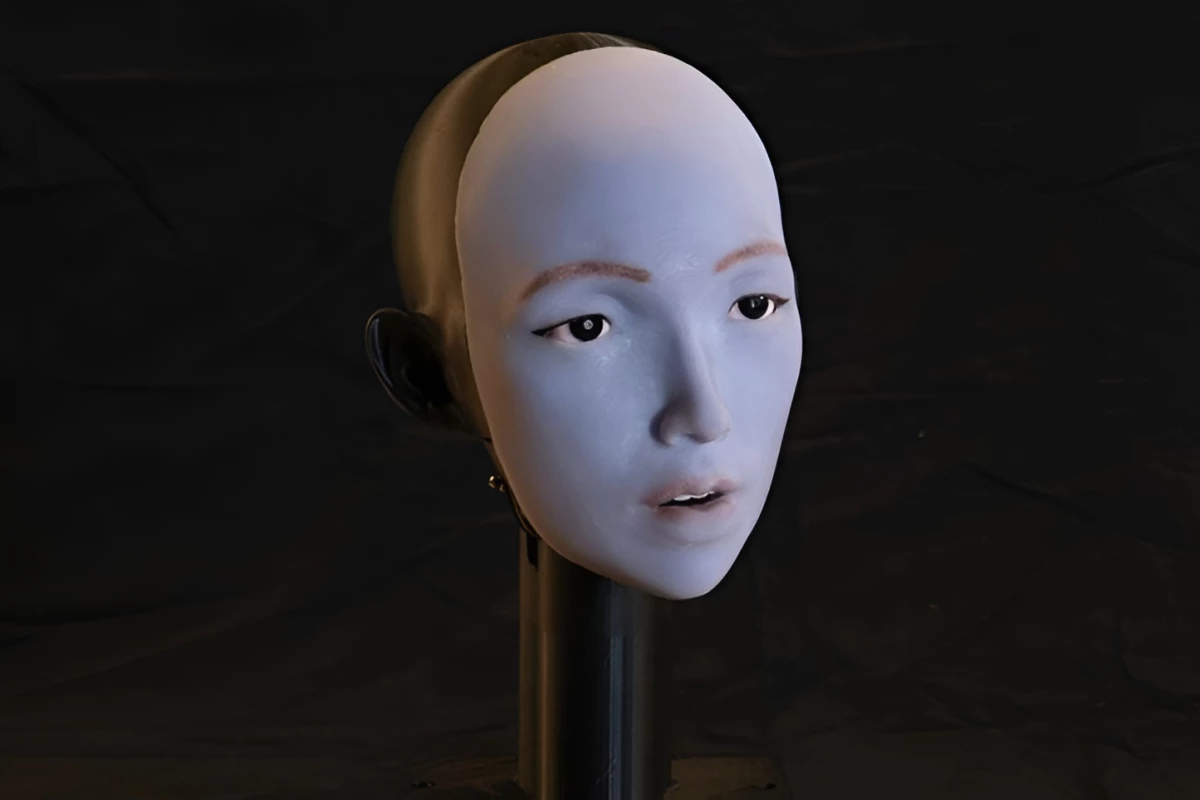
Researchers have developed a robot named EMO that learns to speak and synchronize its lip movements with speech by observing itself and analyzing videos of people. While the technology is still imperfect, the robot becomes increasingly natural in communication as it gains experience.

 Ingenium