

Biodegradable robots: an eco-friendly solution for waste management
Scientists have developed a fully biodegradable soft robot that, after use, safely decomposes in the soil and even enriches it with nutrients. This new technology combines durability with environmental friendliness, offering a sustainable solution to the problem of electronic waste.
Ingenium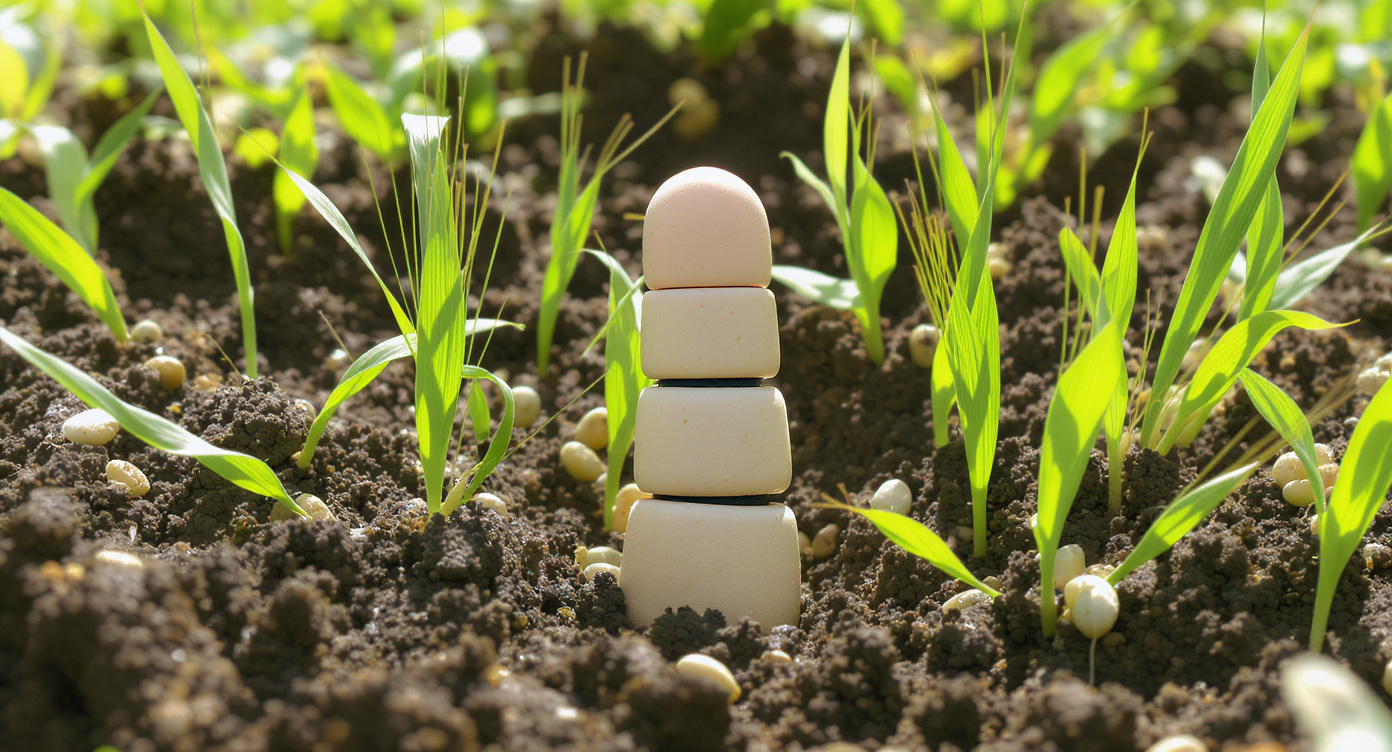
To address the growing problem of electronic waste, researchers have developed a durable soft robot that, after its service life, can safely decompose in soil, enriching it with nutrients for plants.
In 2022, the global volume of electronic waste reached 62 million metric tons. The rapid development of soft robotics, especially in medicine and agriculture, could worsen this issue, as traditional soft robots are made from complex layers of plastics, metal alloys, and semiconductors, making them difficult to recycle and naturally break down.
To overcome this challenge, an international team of scientists created a fully biodegradable soft robotics system. As part of their research, they developed a robotic finger with industrial-grade performance that can completely return to the natural environment after its operational life ends.
Instead of standard plastics for the frame, the researchers used poly(glycerol sebacate)—an elastic, water-free, and biodegradable material resembling rubber. The finger's design incorporated 21 specialized electronic components made from degradable elements such as magnesium, molybdenum, and silicon.
Previously, sustainable robot parts were known for their low reliability. However, the new compostable fingers demonstrated high durability, withstanding over a million bending cycles and applied force without losing structural integrity or mechanical properties.
At the end of its service life, the entire system was placed in standard industrial composting conditions. Within a few months, both the flexible frame and the internal electronic components had fully decomposed. To verify environmental safety, oat seeds were planted in the resulting compost, which successfully sprouted and grew, indicating the absence of toxicity from the robot's decomposition products.
This technology combines effective engineering solutions with complete environmental safety, setting a new standard for sustainable machines.