Students from Eindhoven University of Technology have developed a prototype of a solar-powered mobile clinic designed for remote and hard-to-reach areas. Stella Juva is equipped with state-of-the-art medical equipment and is currently being tested in Africa to provide access to healthcare without the need for infrastructure or emissions.
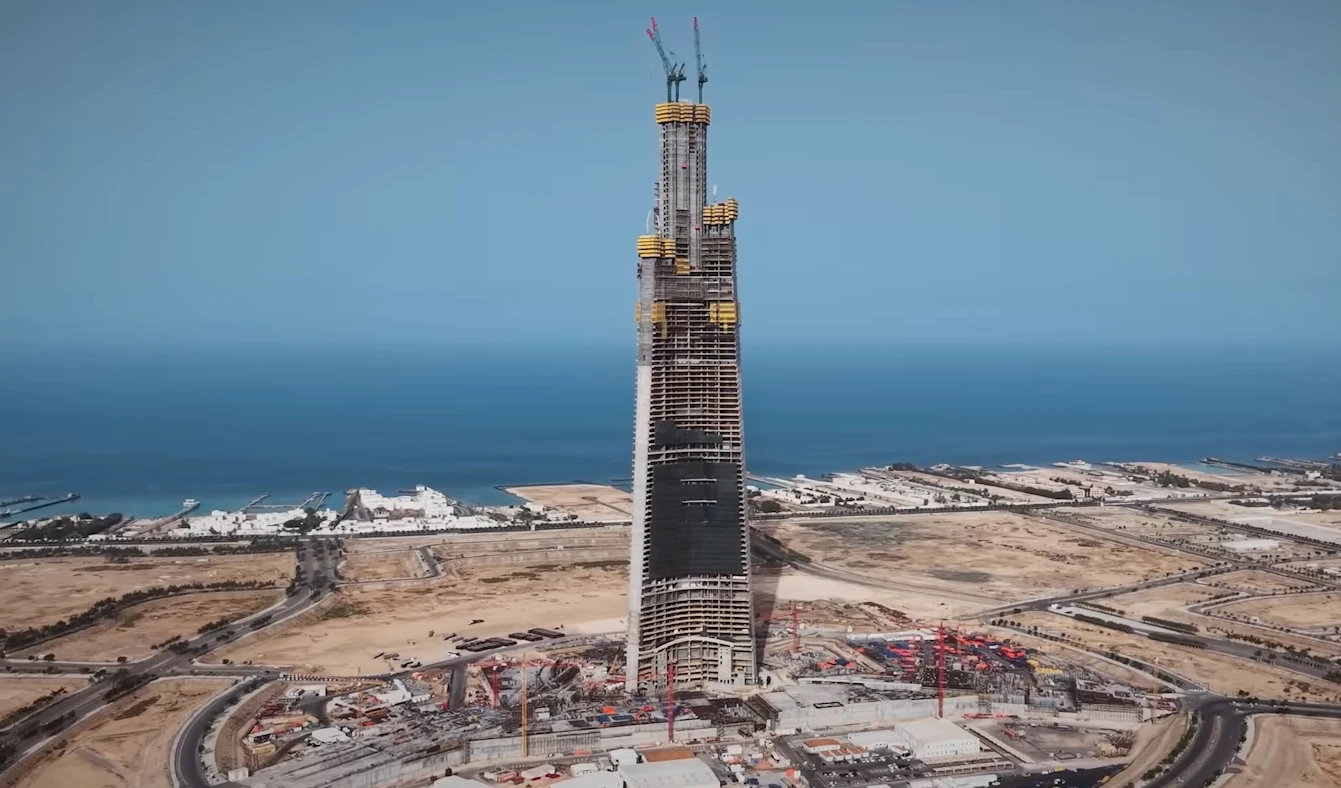
Construction of the JEC Tower in Saudi Arabia is ongoing; it has already reached 430 meters in height and 107 floors, making it one of the tallest buildings in the world. Once completed in 2028, the building is expected to surpass all existing skyscrapers in height.
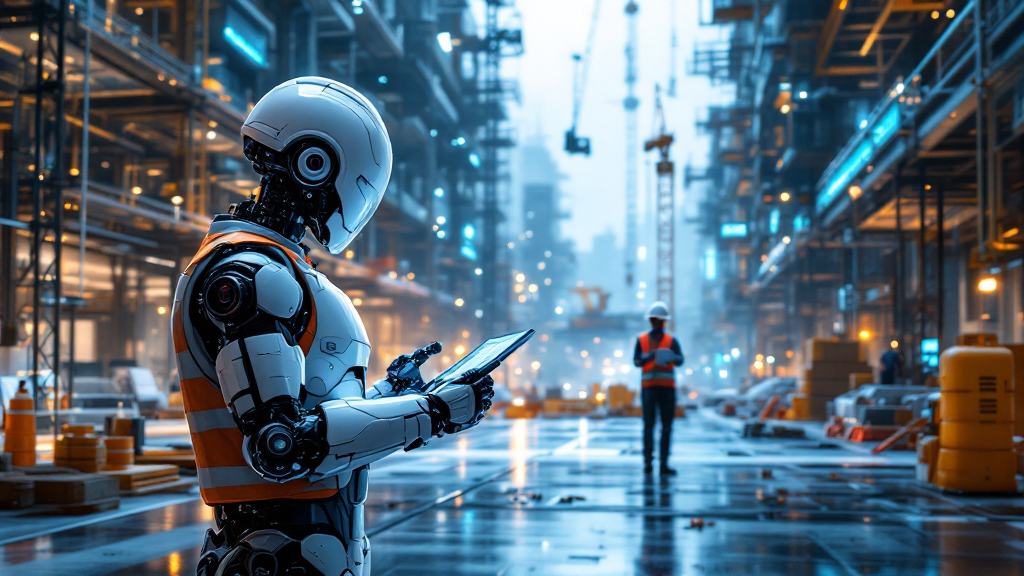
Artificial intelligence is significantly transforming optimization and automation methods in architecture, engineering, and construction, boosting productivity and efficiency across the industry. By 2030, AI is expected to automate up to 50% of non-productive tasks. However, the key will remain the integration of these technologies into end-to-end processes and the development of unique competitive advantages.
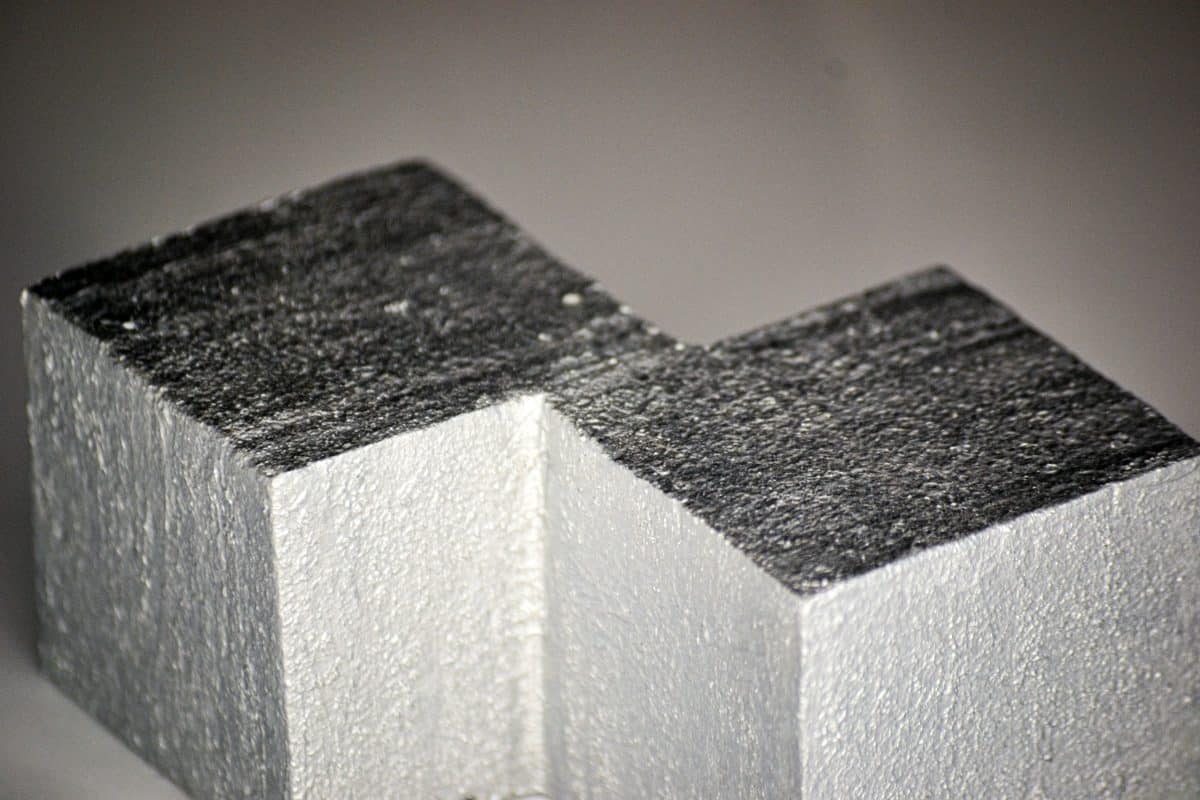
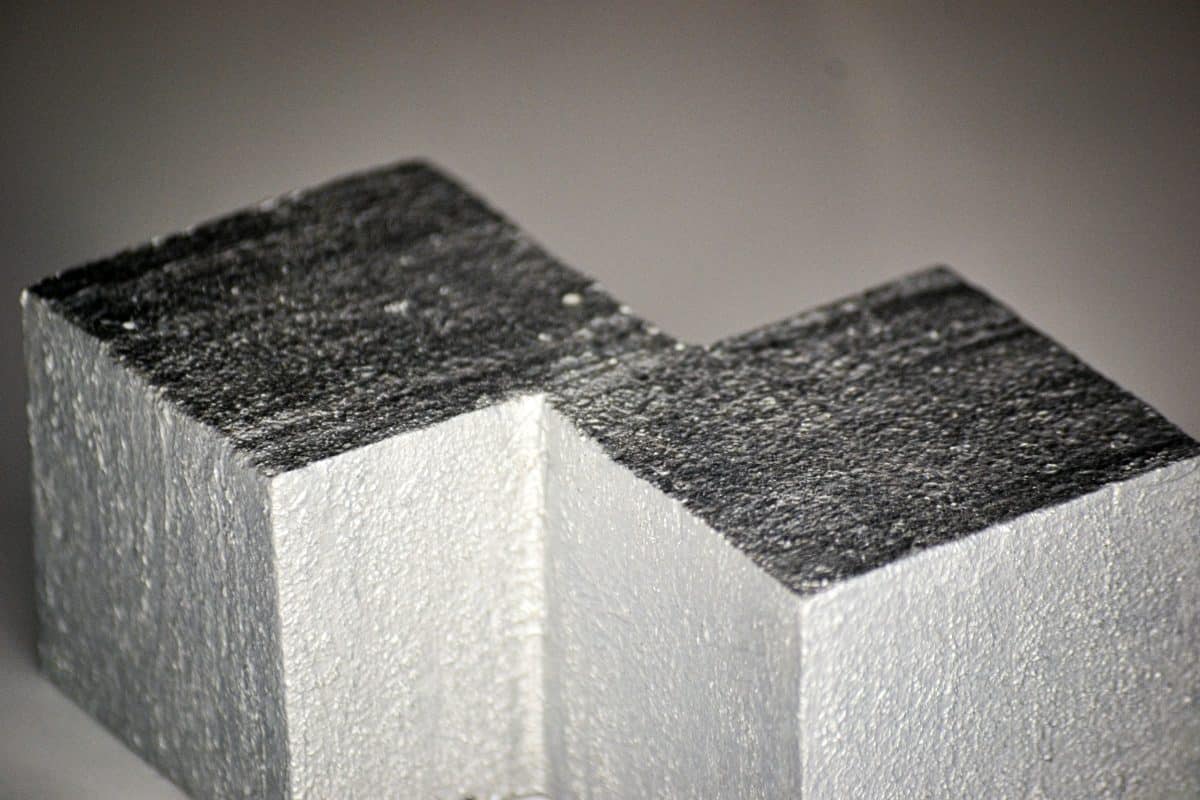
In the conditions of outer space vacuum, metal parts can spontaneously bond together without heating due to the destruction of their protective oxide layer. This phenomenon poses serious challenges for spacecraft and requires special protective measures.
В вакууме космоса металлические детали могут самопроизвольно свариваться без нагрева, что представляет угрозу для космической техники. Для предотвращения этого инженеры используют специальные покрытия и смазки.
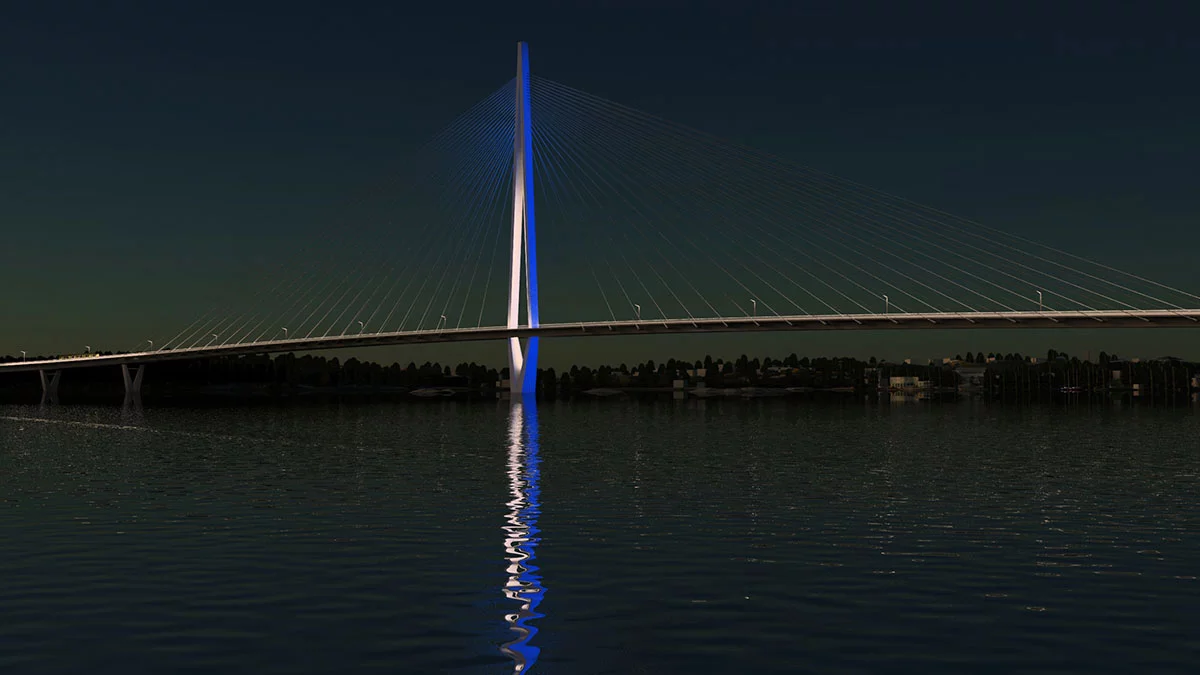
Finland has opened the country's longest bridge designed exclusively for pedestrians, cyclists, and trams. The bridge connects the eastern suburbs of Helsinki with the city center and will become an important part of the urban transport infrastructure.
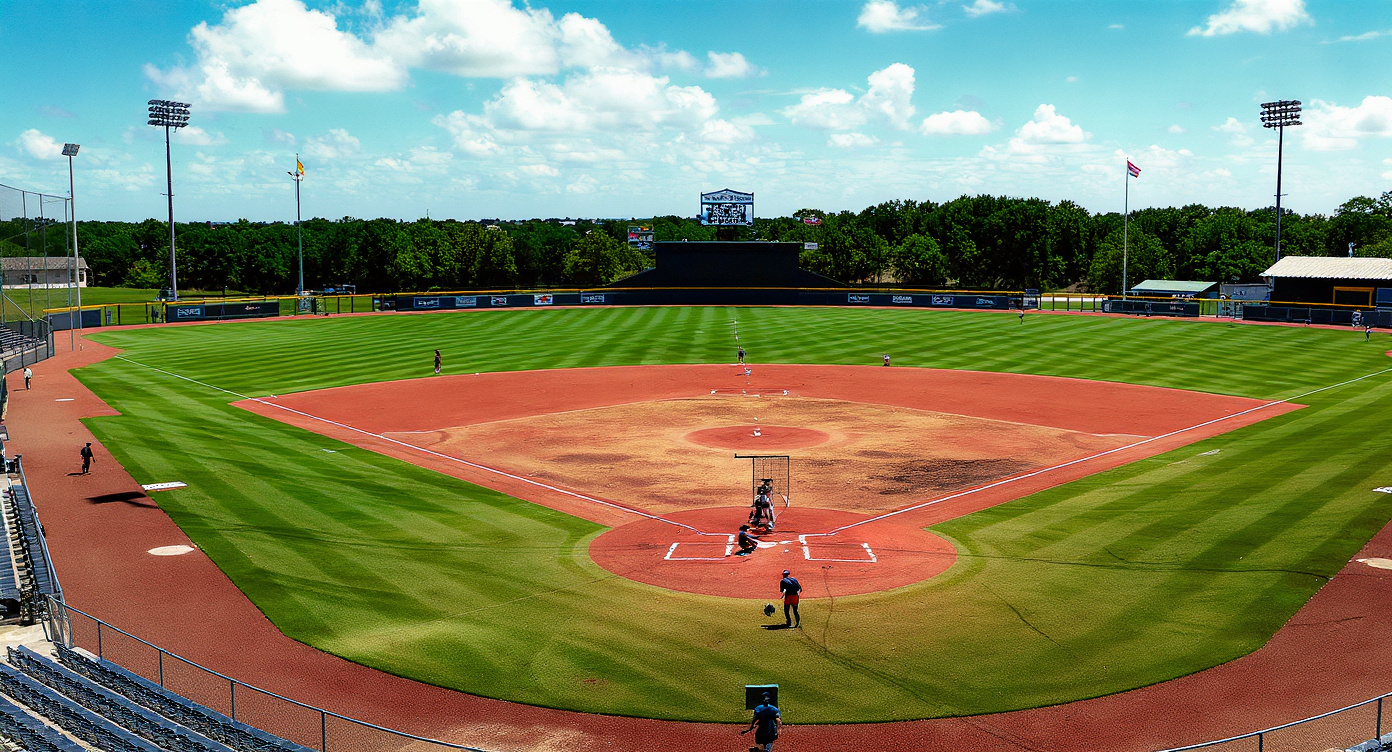
A new study has shown that the torpedo-shaped bat, despite its popularity following the Yankees' record-breaking game, does not increase the distance a ball travels compared to traditional bats. However, its design may make swinging more comfortable for players.
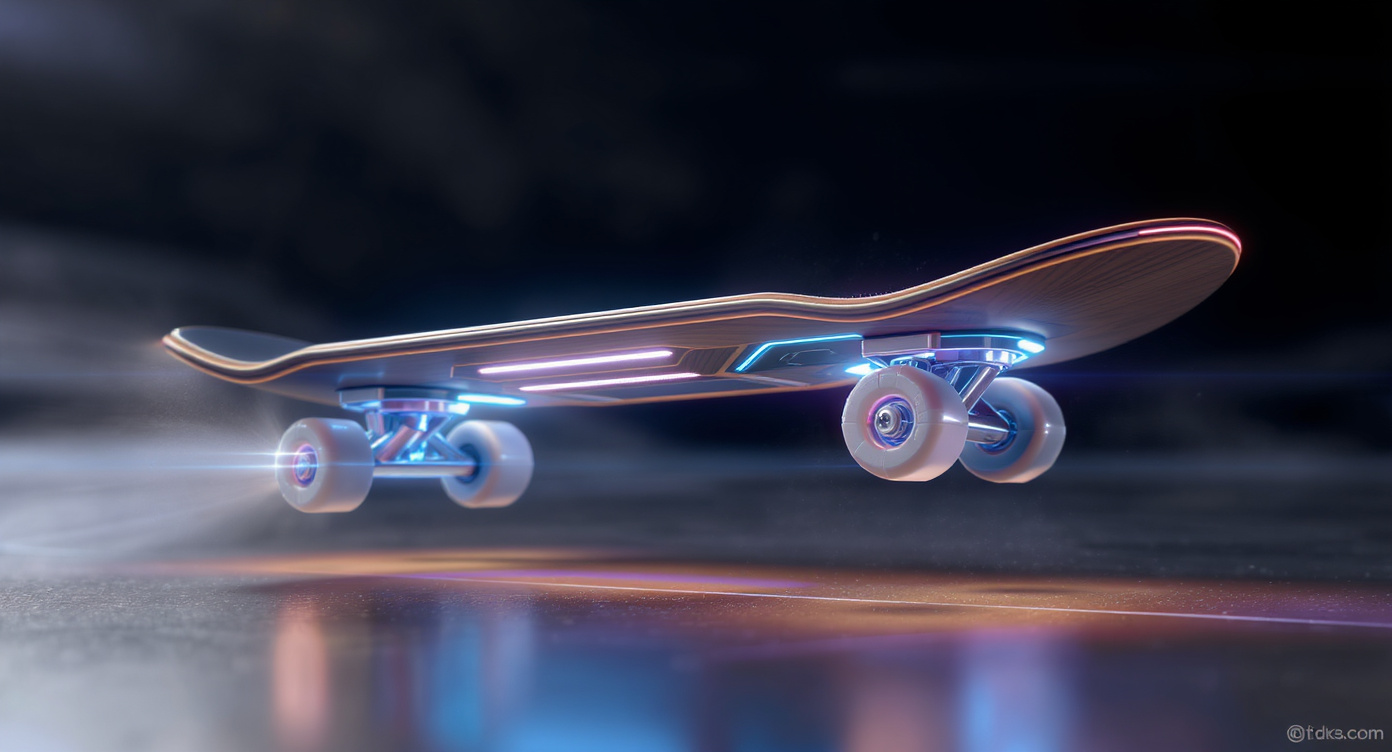
British inventor Colin Furze has created the Magboard—a skateboard with a magnetic levitating deck that offers a smoother ride and innovative control. The project explores new possibilities for application.
Scientists have developed a fully biodegradable soft robot that, after use, safely decomposes in the soil and even enriches it with nutrients. This new technology combines durability with environmental friendliness, offering a sustainable solution to the problem of electronic waste.
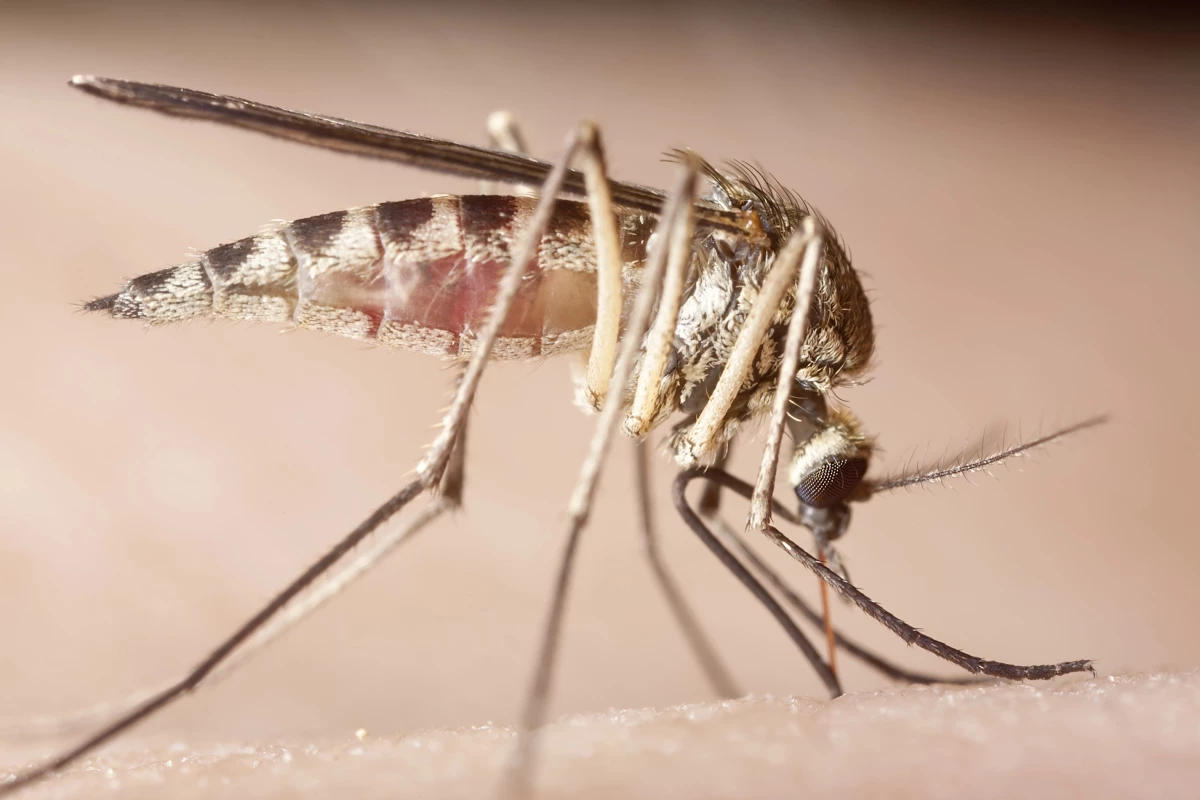
Researchers have proposed using mosquito proboscises as ultra-fine nozzles for 3D printing, enabling the creation of more intricate and miniature objects in an eco-friendly and affordable way. This biomaterial can be reused multiple times, and after disposal, it naturally decomposes in the environment.
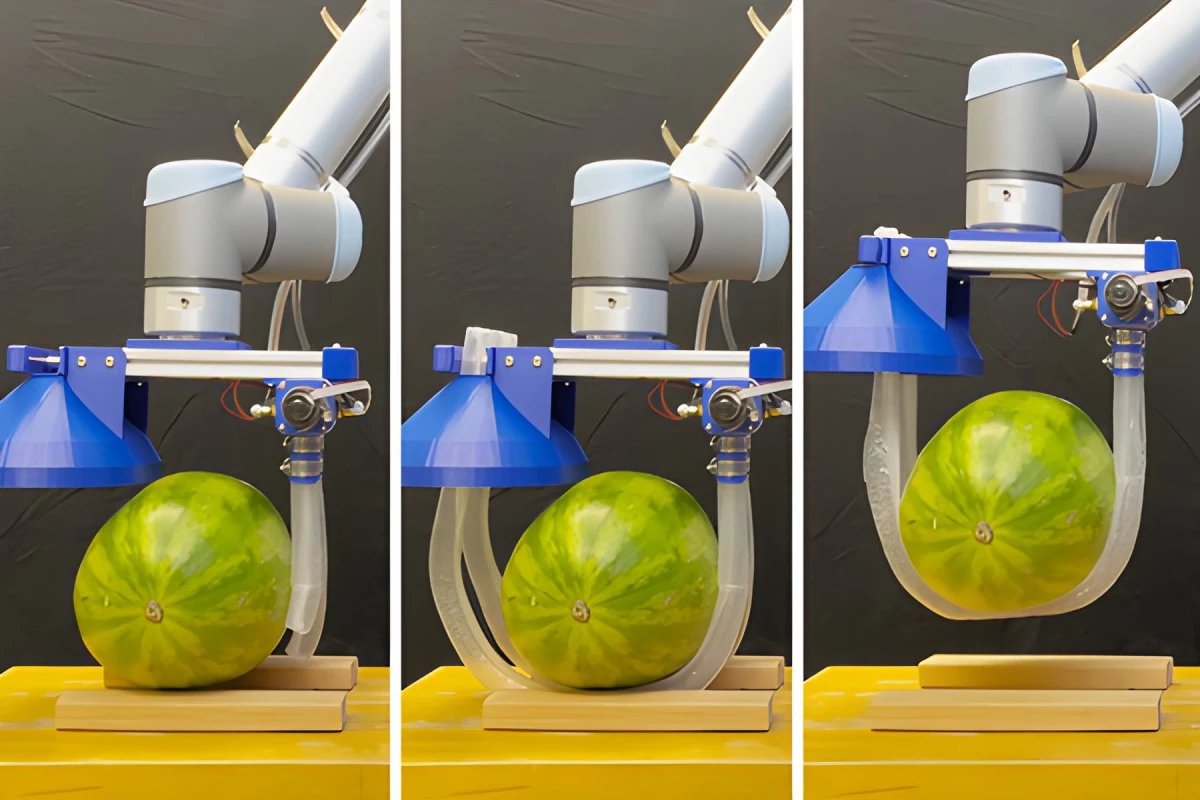
Engineers from MIT and Stanford have developed a robot with flexible tentacles capable of delicately grasping and moving both fragile and heavy objects. This new system is particularly promising for assisting in patient care and could also be applied in other fields.
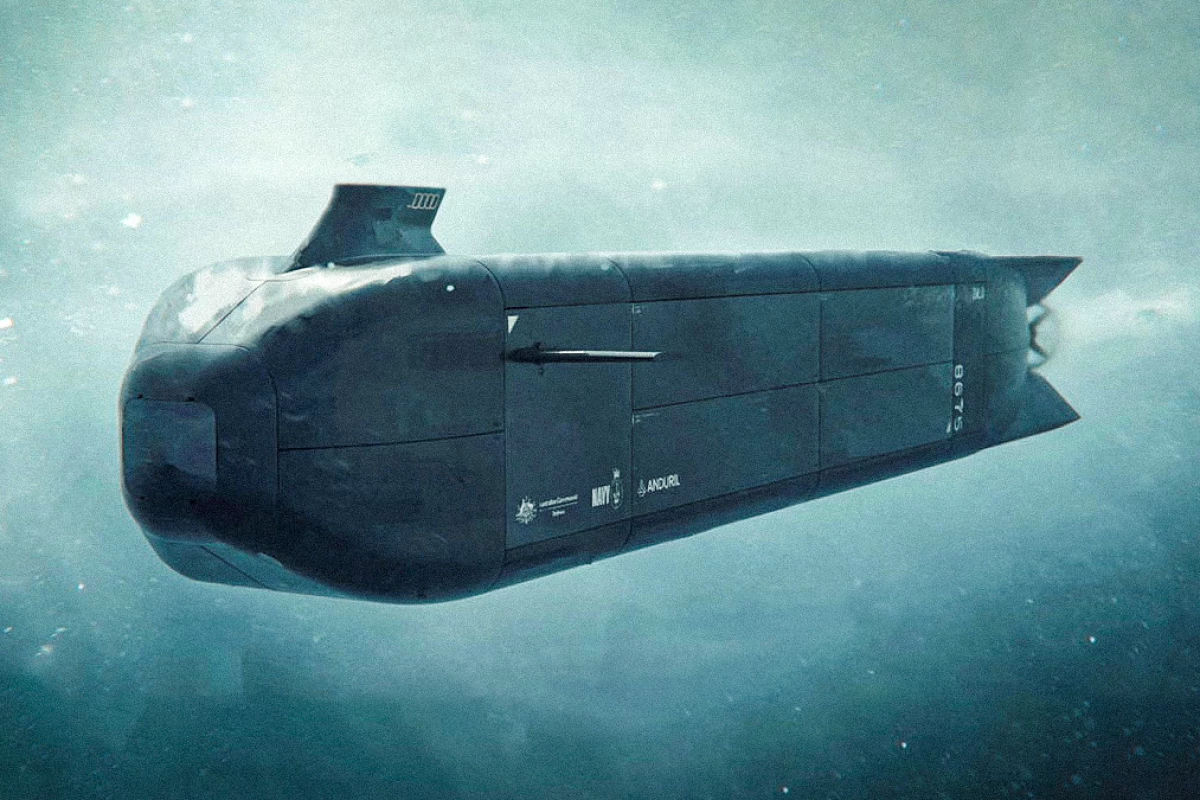
Robotic submarines are becoming a key component of modern navies, and their stealth depends directly on reducing noise. The SPHYDA project is exploring new technologies and digital modeling to minimize the acoustic signature of autonomous vehicles, which is crucial for both military operations and the protection of the marine environment.
Engineers from the United States have developed an artificial neuron that operates at low voltage and closely mimics biological cells. This innovation paves the way for energy-efficient computers and new biointerfaces.

 Ingenium