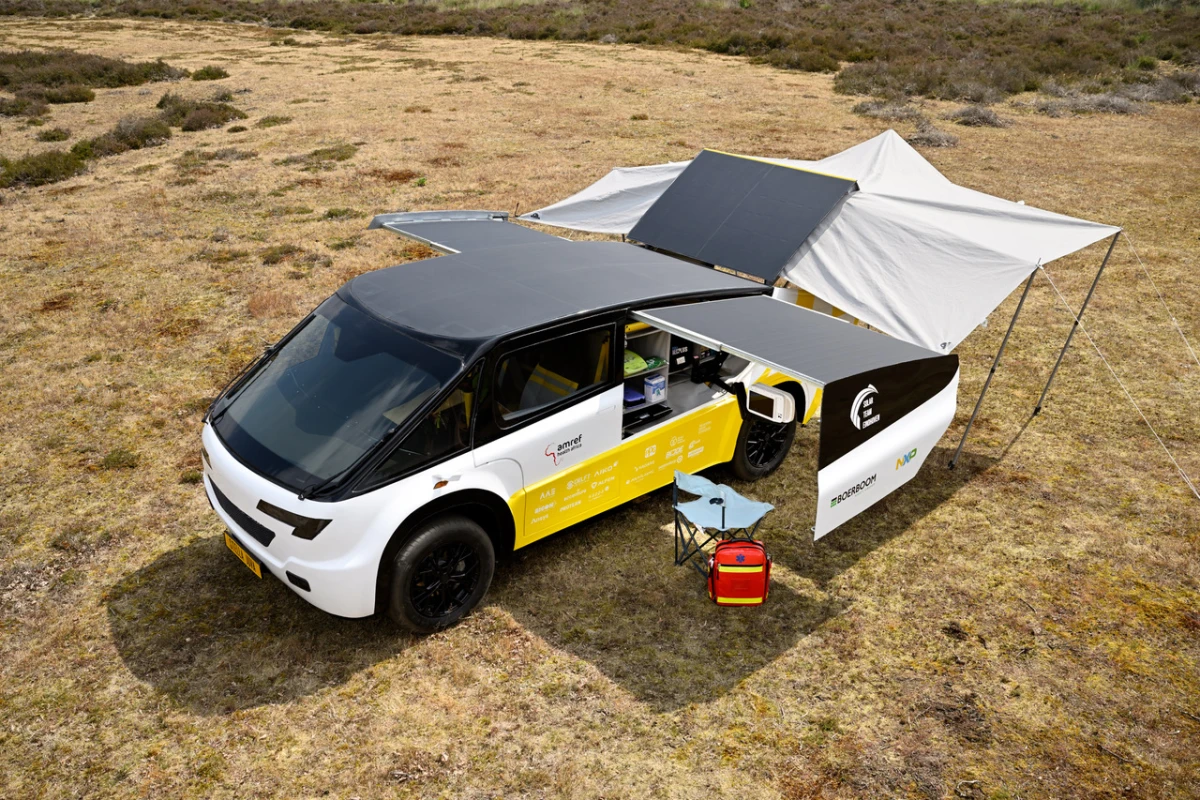
Students from Eindhoven University of Technology have developed a prototype of a solar-powered mobile clinic designed for remote and hard-to-reach areas. Stella Juva is equipped with state-of-the-art medical equipment and is currently being tested in Africa to provide access to healthcare without the need for infrastructure or emissions.
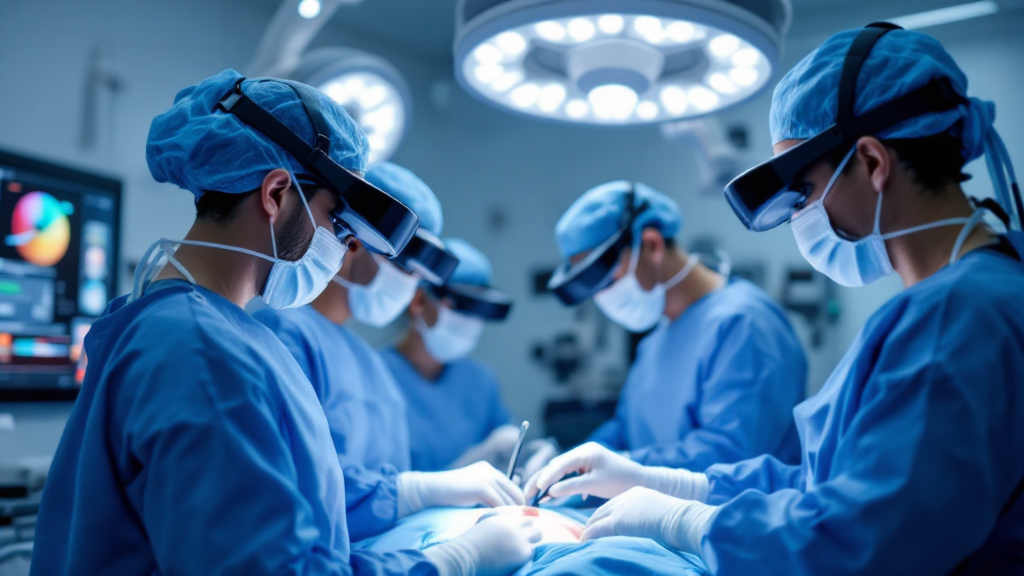
A new study has shown that using the Apple Vision Pro headset can speed up certain surgical procedures and reduce the workload on doctors. However, these results are preliminary and require further large-scale research.
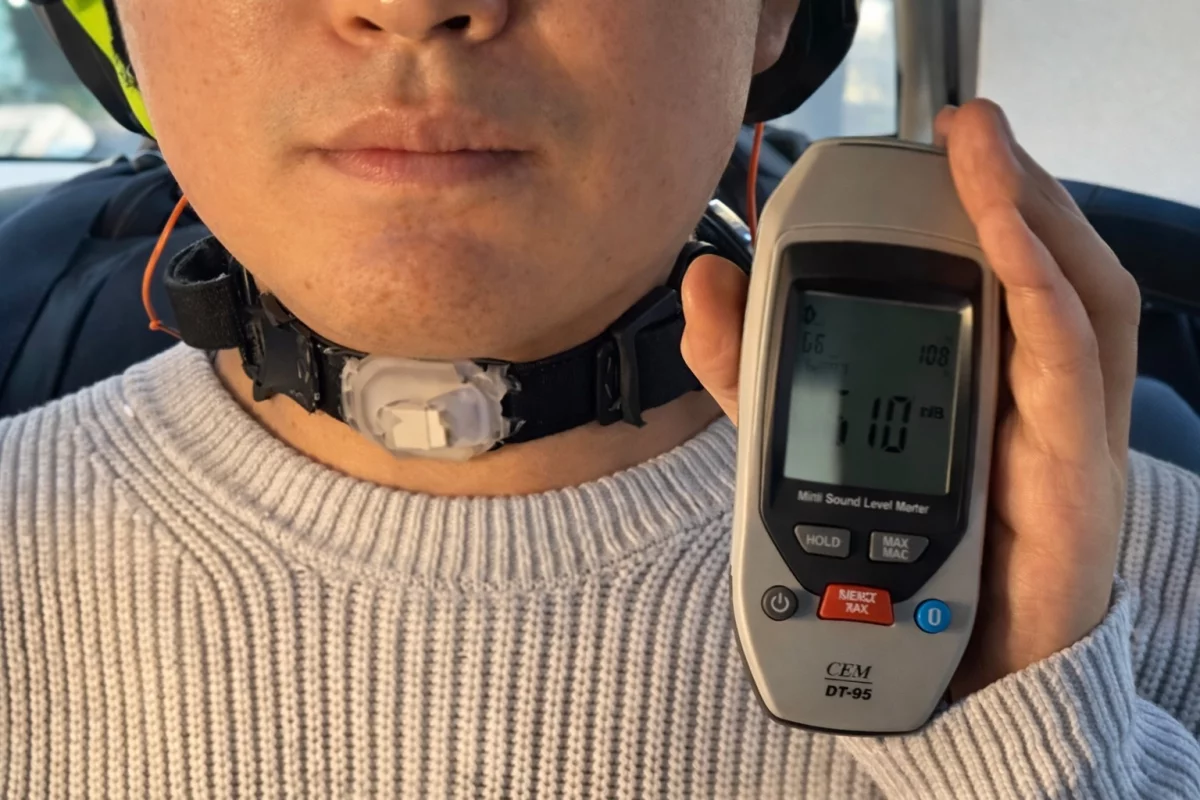
South Korean researchers have developed a silicone collar that detects neck movements when words are mouthed silently and, using AI, converts them into speech that closely resembles the user's own voice. This technology could be used in medicine and in extremely noisy environments where traditional microphones are ineffective.
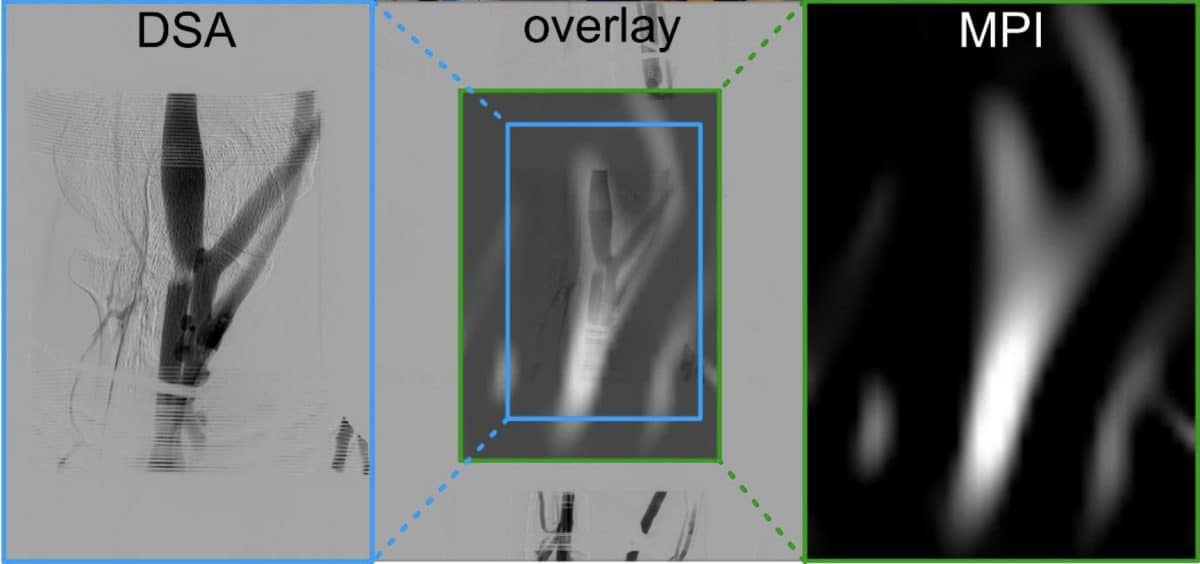
For the first time, magnetic particle tomography has been tested on a human—a technology that enables safe monitoring of blood flow without the use of X-ray radiation. This method could become a new tool for vascular medicine and expand the possibilities of real-time diagnostics.
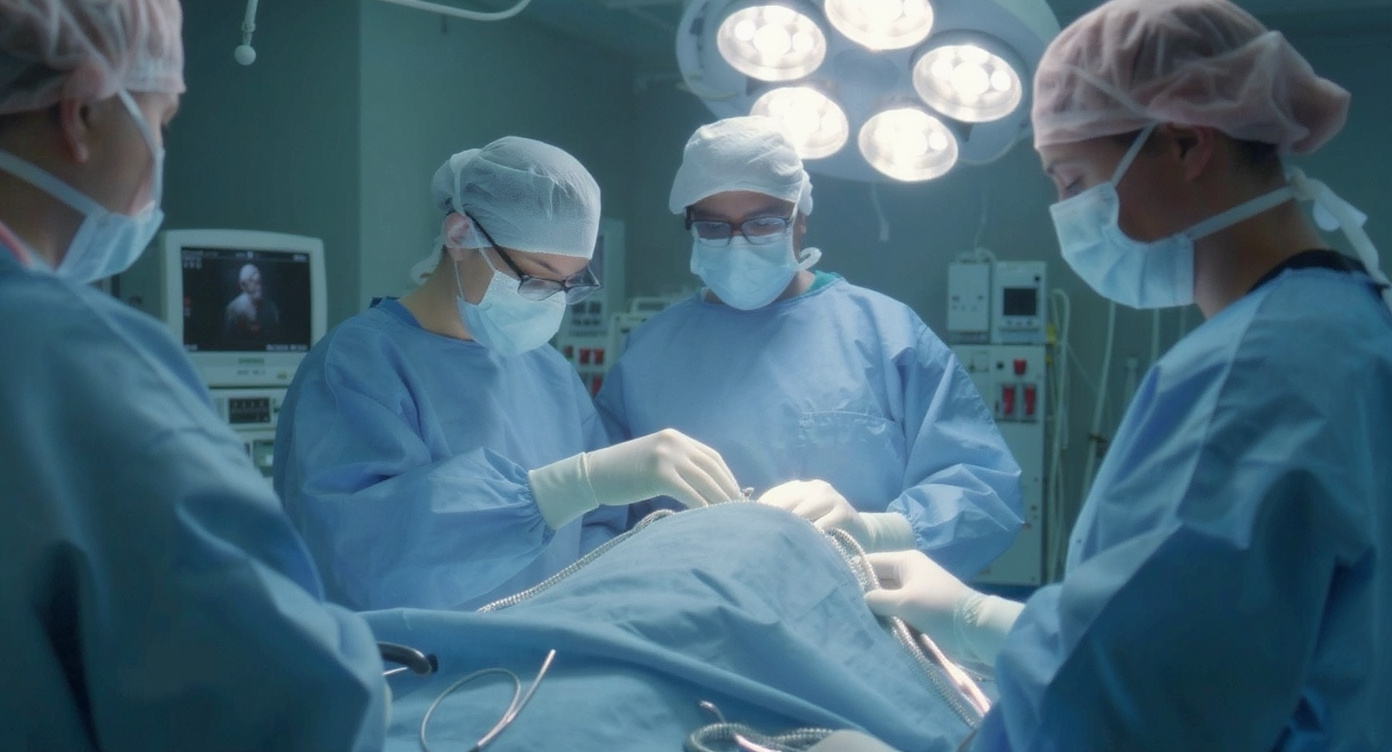
For the first time, a case has been documented in which a patient survived for 48 hours without lungs thanks to an artificial lung system, while awaiting a double transplant. This experience opens up new possibilities for saving lives in cases of acute lung injury.
Japanese researchers have developed an AI system capable of detecting acromegaly from photographs of the back of the hand and a clenched fist, without using facial images. This approach helps protect patient privacy and could speed up the diagnosis of rare diseases, especially in regions with limited medical resources.
Brown bears are able to maintain their muscle strength even after months of hibernation thanks to unique cellular mechanisms. Studying these processes could help develop new ways to combat muscle atrophy in humans.
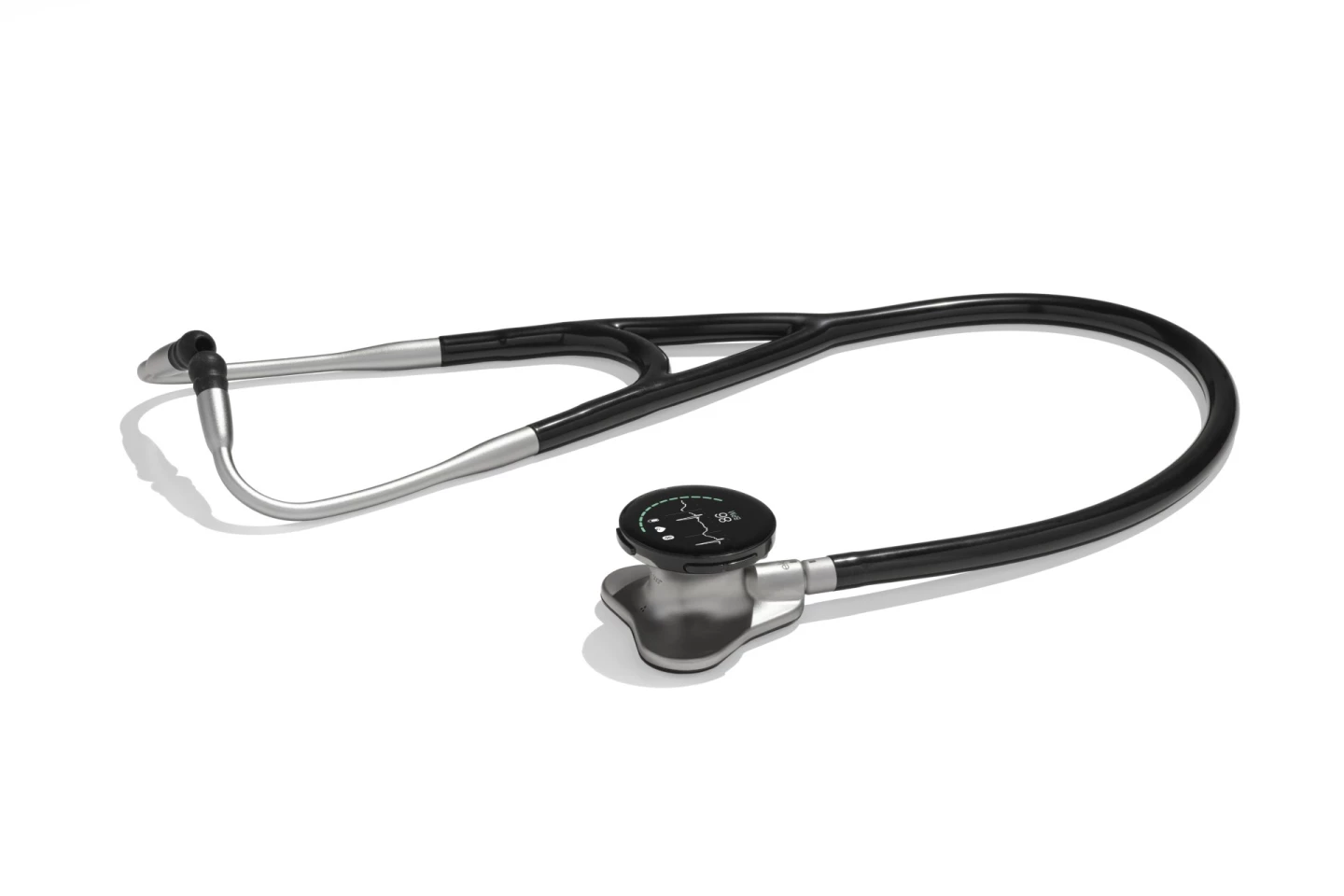
A new study has shown that an artificial intelligence-powered stethoscope can detect heart valve diseases with a sensitivity of over 92%, which is twice as high as that of a conventional device. The technology also helps increase patient engagement and requires further testing.
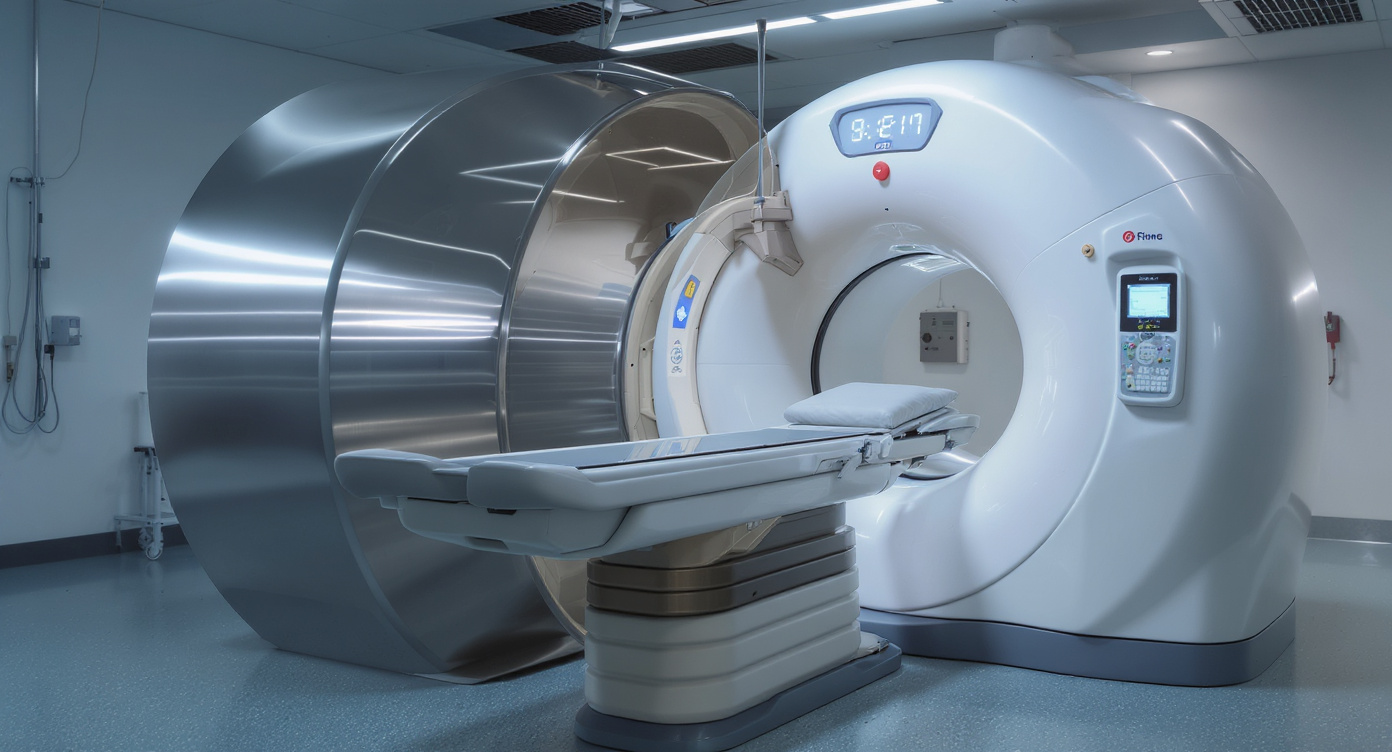
At the University of Michigan, researchers have developed the AI system Prima, which analyzes brain MRI scans and delivers a diagnosis within seconds with an accuracy of up to 97.5%. This technology can assess the urgency of medical intervention and has the potential to significantly reduce the workload for doctors by speeding up and improving the quality of neurological disease diagnostics.
A new study reveals that frequent fire burns played a role in human evolution by promoting the development of unique genetic adaptations for tissue healing and fighting infections. These findings help explain the differences in burn responses between humans and animals.
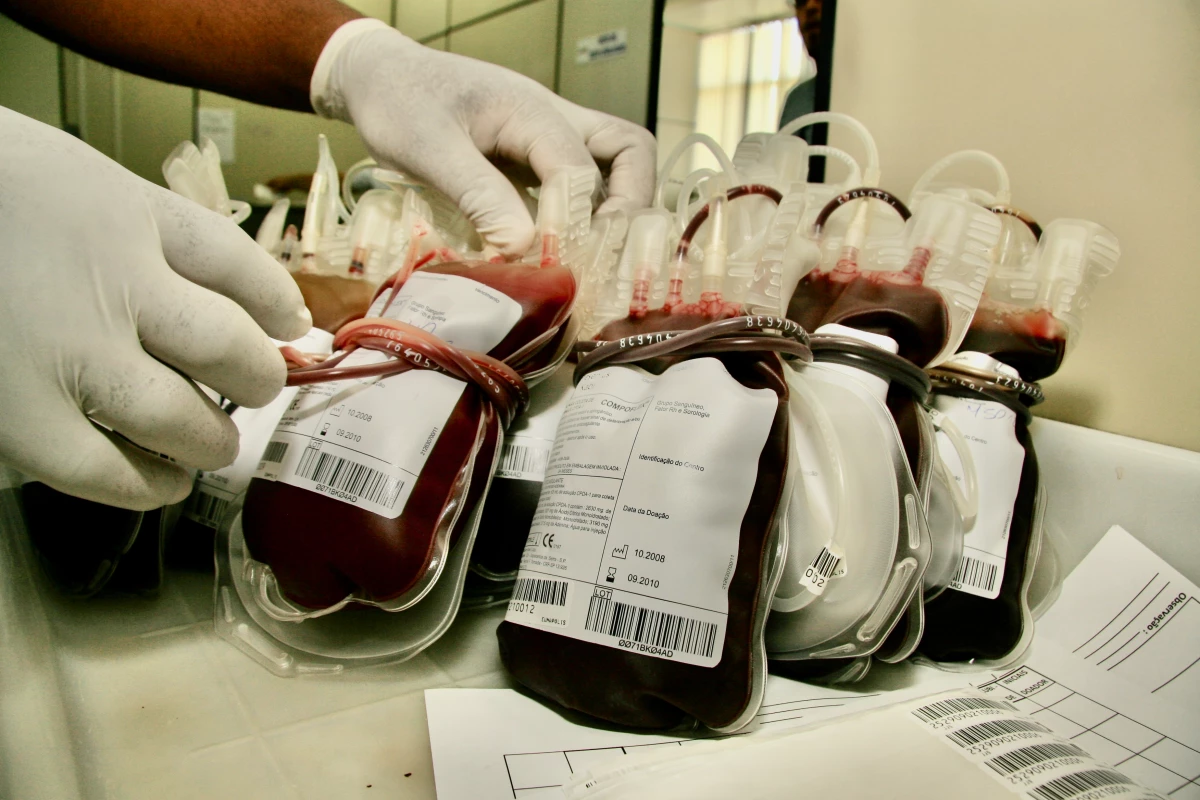
American researchers have developed a compact device that allows for quick and accurate assessment of donor blood quality before transfusion. This technology helps identify individual differences and predict the effectiveness of treatment.
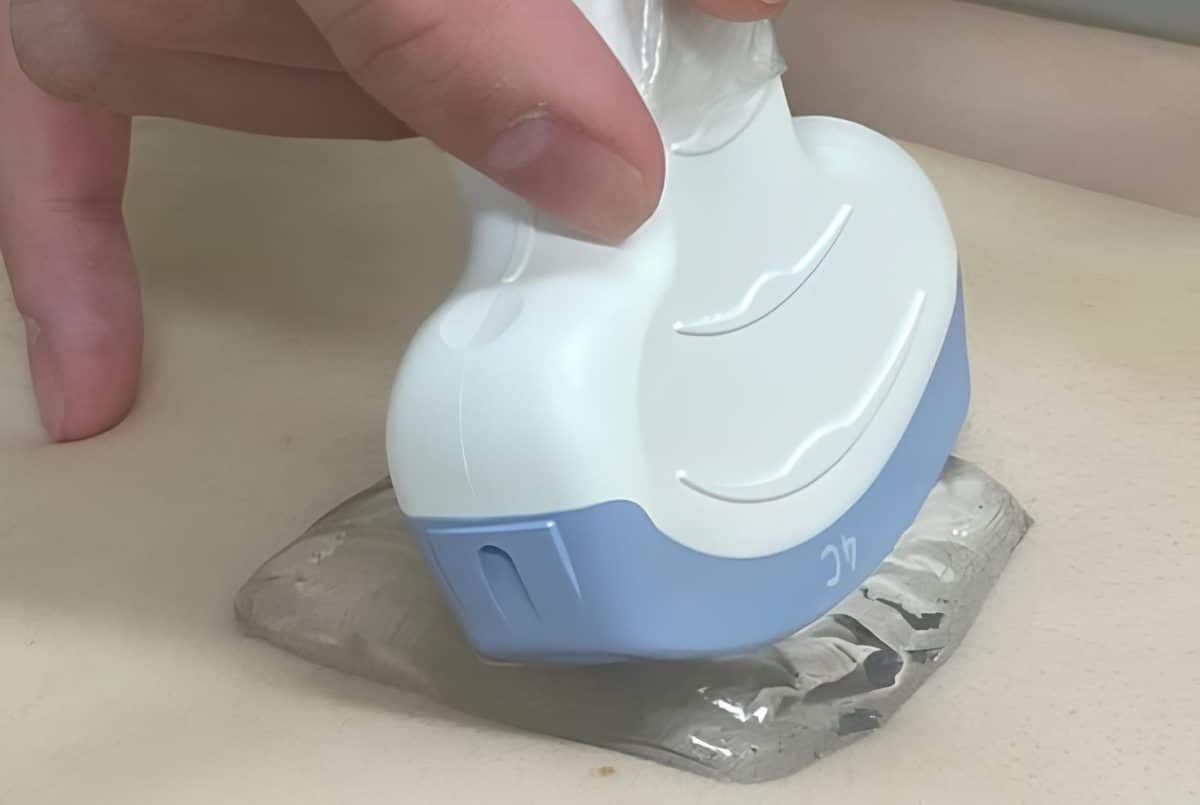
Japanese researchers have developed an innovative ultrasound pad that replaces the traditional gel, offering greater comfort for patients and convenience for doctors without compromising image quality. This new product is made from natural materials and could make ultrasound procedures more accessible and pleasant.
Scientists have discovered compounds in roasted coffee beans that slow the absorption of sugar into the bloodstream and are more effective than some diabetes medications. This finding could lead to the development of new functional foods and supplements.
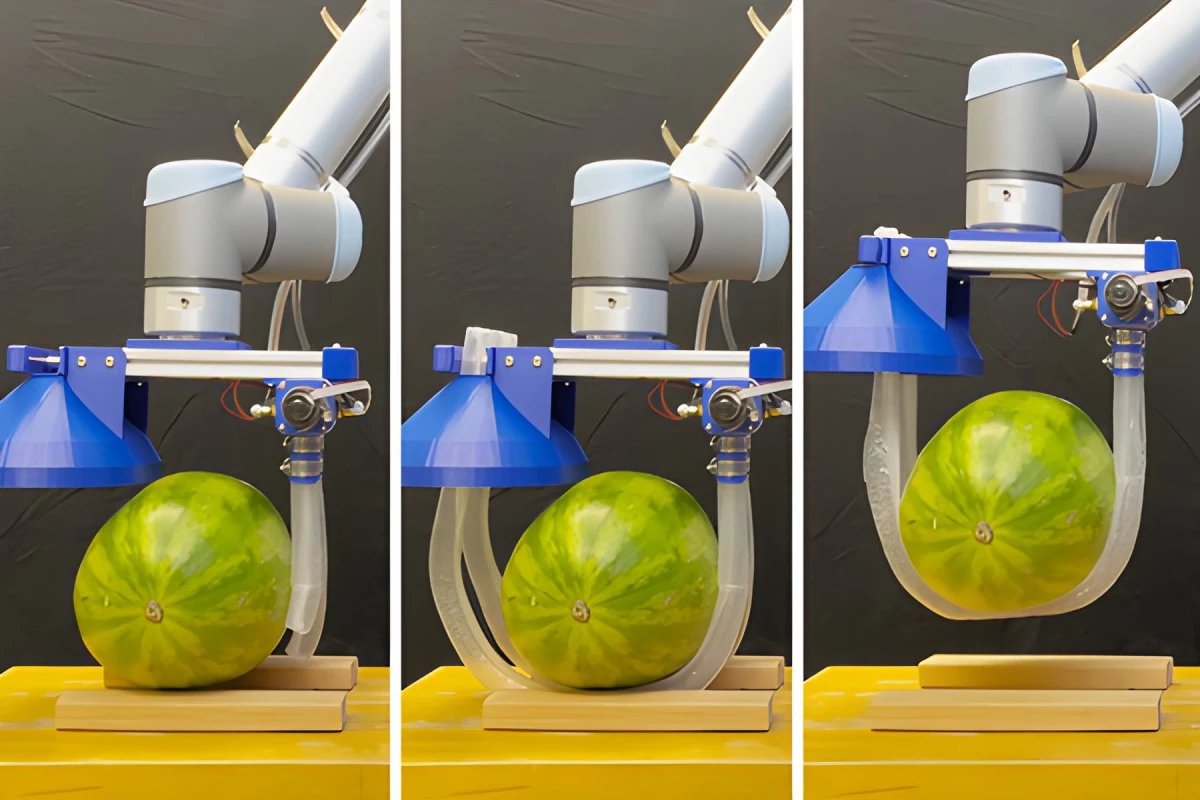
Engineers from MIT and Stanford have developed a robot with flexible tentacles capable of delicately grasping and moving both fragile and heavy objects. This new system is particularly promising for assisting in patient care and could also be applied in other fields.
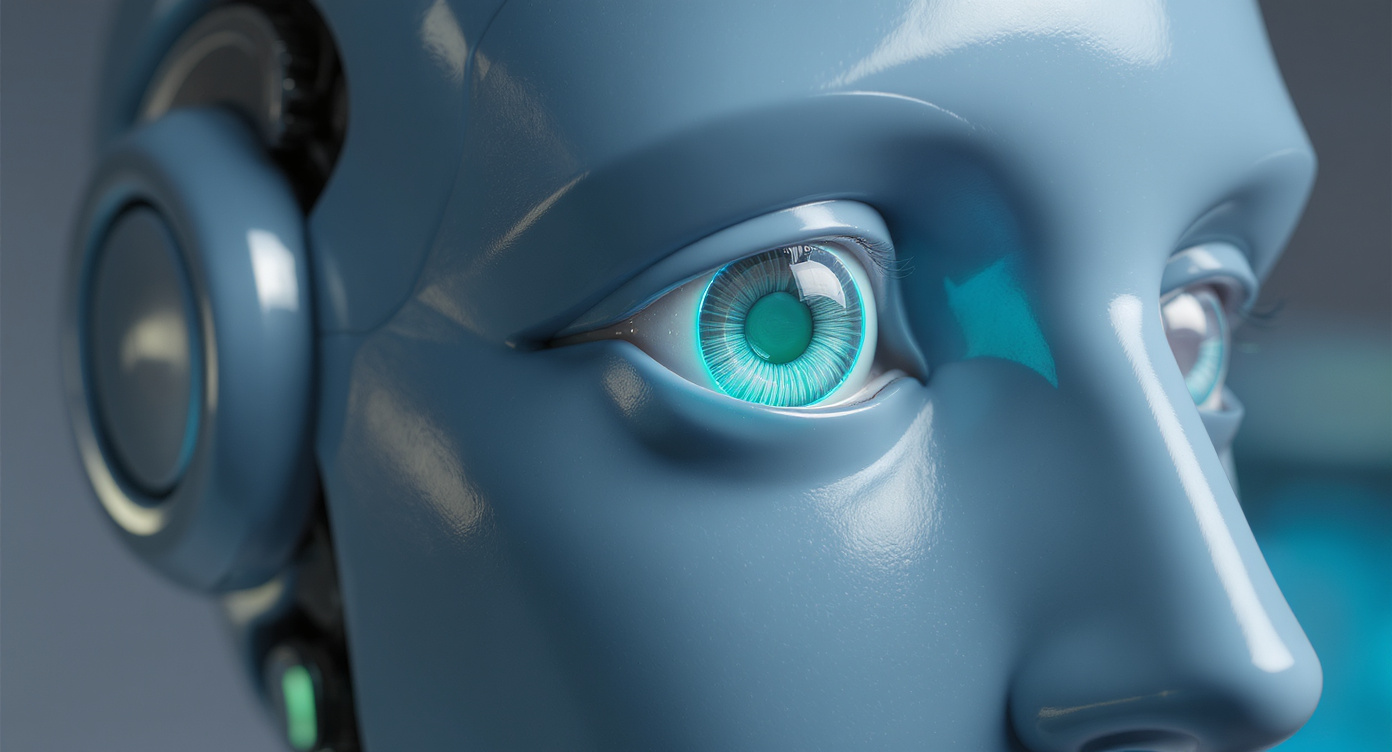
Scientists have developed a soft hydrogel lens called PHySL that can focus using light alone, without any electronics. This breakthrough opens up new possibilities for soft robotics and medical devices. The biomimetic technology makes robots more flexible and safer for interacting with living organisms.

 Ingenium