

AI has learned to detect acromegaly from photos of hands
Japanese researchers have developed an AI system capable of detecting acromegaly from photographs of the back of the hand and a clenched fist, without using facial images. This approach helps protect patient privacy and could speed up the diagnosis of rare diseases, especially in regions with limited medical resources.
Salus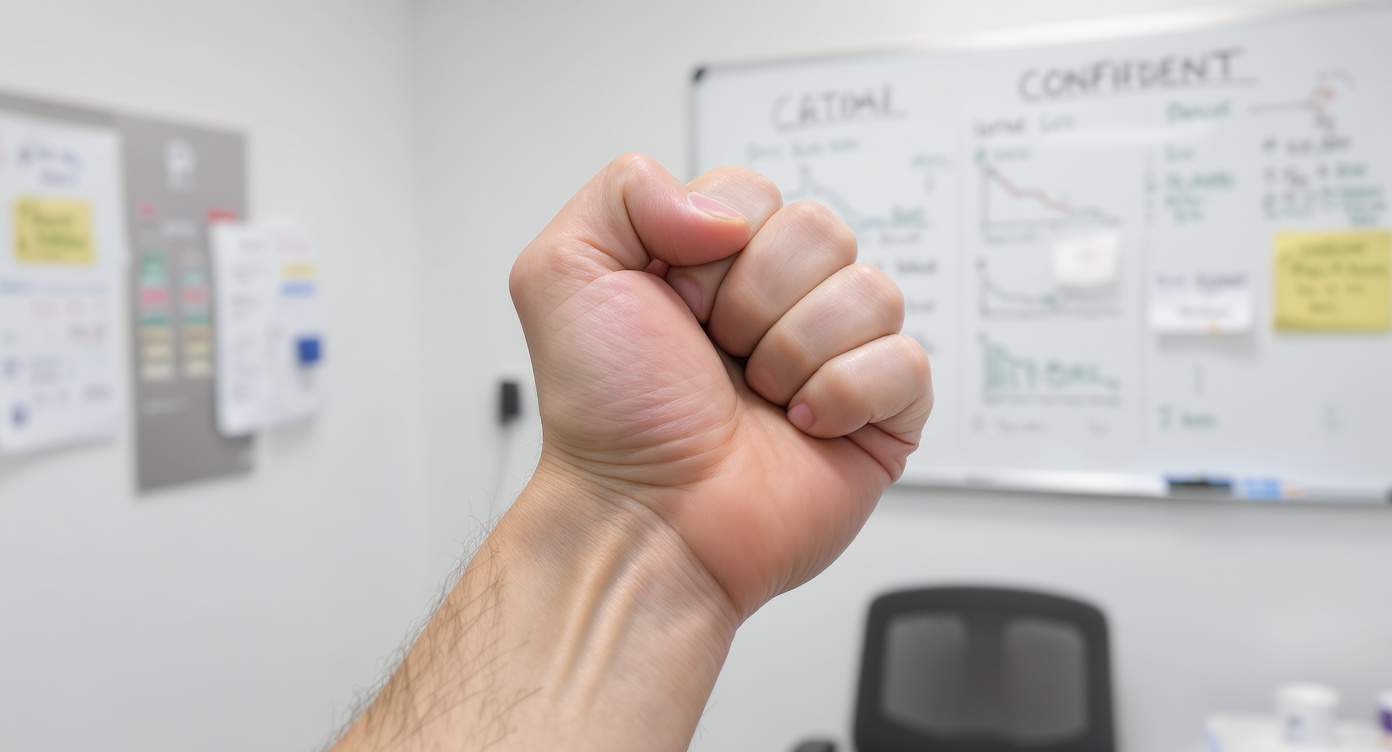
Researchers from Kobe University have developed an artificial intelligence system capable of detecting a rare endocrine disorder—acromegaly—using photographs of the back of the hand and clenched fist. This approach eliminates the need for facial images, helping to protect patient privacy while maintaining high diagnostic accuracy. The technology is expected to assist doctors in referring patients to specialists more quickly and to improve access to medical care in regions with limited resources.
Features of the Disease
Acromegaly is a rare condition that typically manifests in middle age. It is caused by excessive production of growth hormone, leading to enlargement of the hands and feet, changes in facial features, and abnormal growth of bones and internal organs. The disease develops slowly, often over many years, which makes early detection challenging. Without treatment, acromegaly can result in serious complications and reduce life expectancy by about 10 years. Diagnosis can take up to a decade due to the rarity of the disease and its gradual progression.
Advantages of the New Approach
Analysis of existing studies has shown that many artificial intelligence systems use facial photographs to detect diseases, but this raises concerns about confidentiality. To address this issue, the researchers focused on analyzing the hands, as acromegaly often presents with visible changes in this area. To further protect personal data, only images of the back of the hand and clenched fist were used, avoiding palm images since palm lines are unique and could reveal a person's identity.
The study involved 725 patients from 15 medical institutions in Japan, who provided more than 11,000 images for training and testing the artificial intelligence model.
Results and Prospects
The developed AI model demonstrated high sensitivity and specificity in detecting acromegaly from hand images, outperforming experienced endocrinologists when analyzing the same photographs. This result was achieved without using facial features, making the approach more practical for disease screening.
The researchers plan to adapt the system to identify other diseases that manifest as visible changes in the hands, such as rheumatoid arthritis, anemia, and clubbing of the fingers.
Role in Clinical Practice
In real-world clinical practice, diagnosis is based not only on hand images but also on medical history, laboratory tests, and physical examination. The developers see their tool as an auxiliary resource for physicians, capable of complementing clinical expertise, reducing the likelihood of diagnostic errors, and enabling earlier intervention.
Further development of this technology could lead to the creation of medical infrastructure for comprehensive examinations and referral of patients with suspected hand-related diseases to specialists. It may also support non-specialist doctors in regional medical centers and help reduce healthcare disparities.