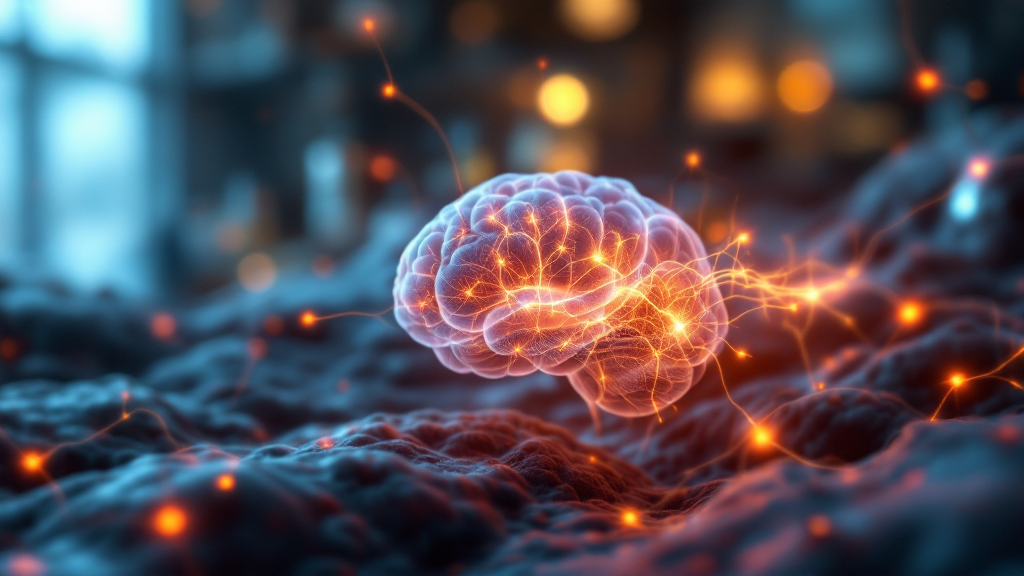
A new study has shown that the front and back regions of the brain develop from different types of stem cells, challenging previous beliefs. This discovery has made it possible, for the first time, to grow brainstem neurons in the laboratory and opens up new opportunities for researching and treating serious diseases.
Just a few minutes of vigorous physical activity each day can significantly reduce the risk of developing serious illnesses, including diabetes, dementia, and heart disease. Even short bursts of activity, such as brisk walking or climbing stairs, provide noticeable health benefits.
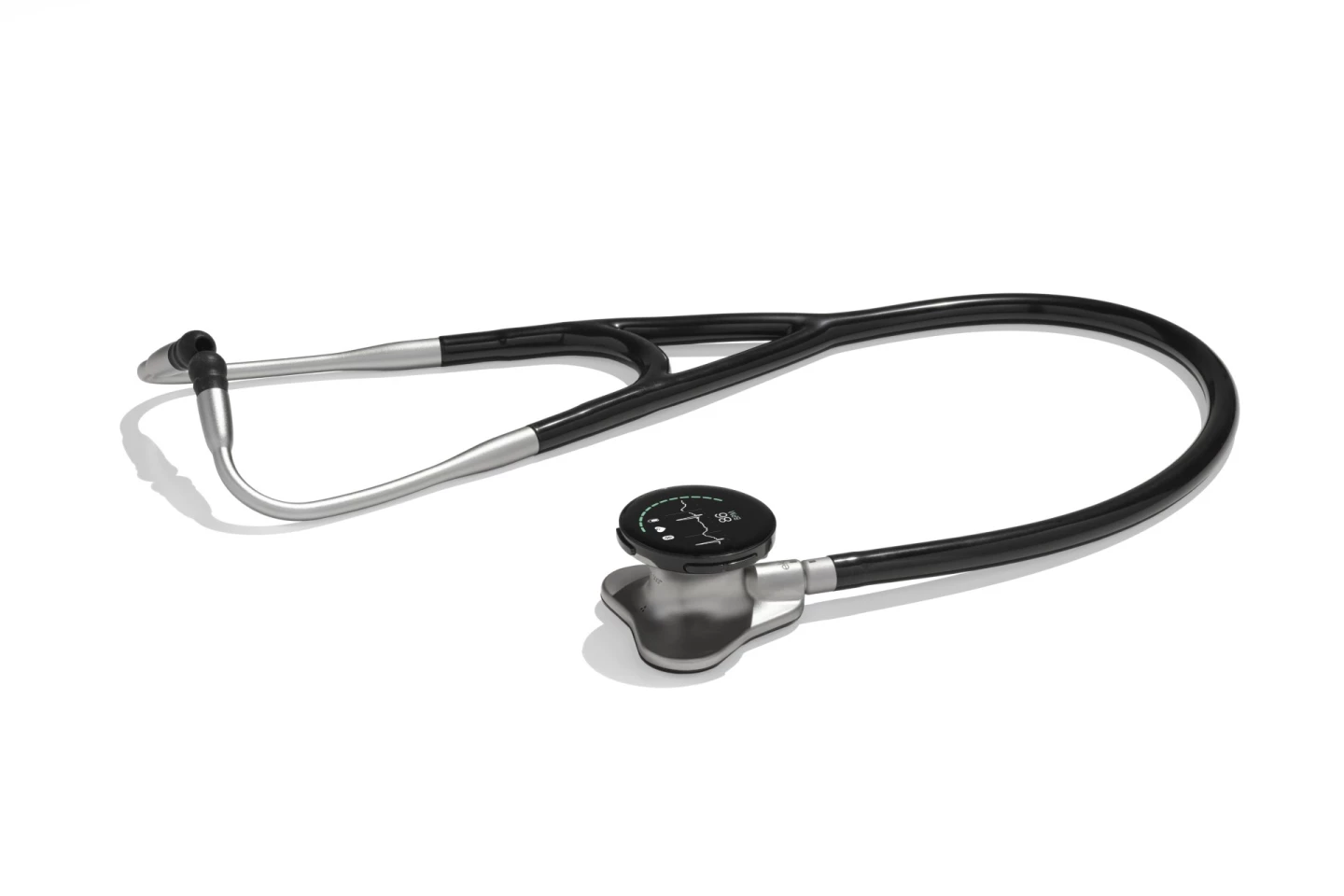
A new study has shown that an artificial intelligence-powered stethoscope can detect heart valve diseases with a sensitivity of over 92%, which is twice as high as that of a conventional device. The technology also helps increase patient engagement and requires further testing.
A new study has shown that oysters can reduce disease rates in blue crabs by consuming the infectious stages of their parasites. This highlights the important role biodiversity plays in protecting marine ecosystems.
A study has shown that due to deforestation and the decline in wild animal populations, mosquitoes are increasingly feeding on human blood, which raises epidemiological risks.
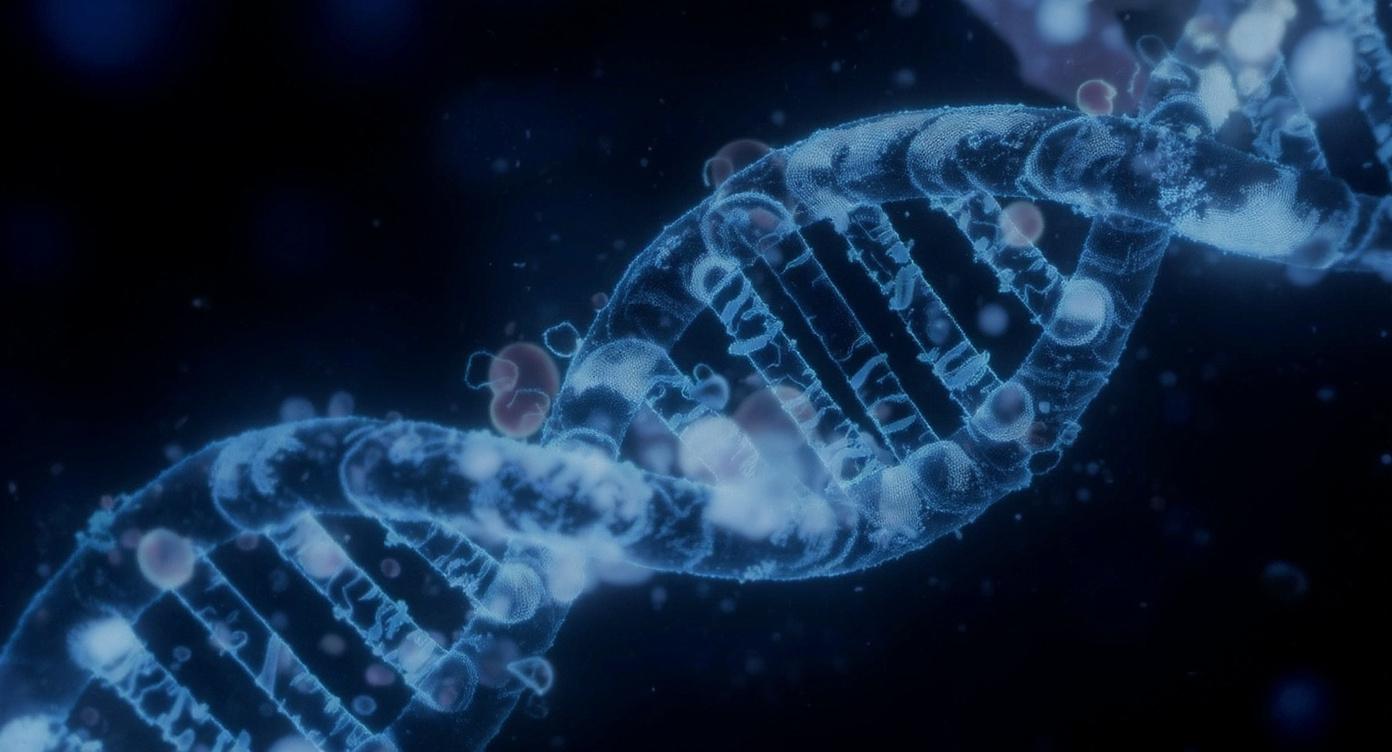
Scientists have developed the V2P artificial intelligence system, which not only detects harmful genetic mutations but also predicts diseases associated with them. This technology speeds up diagnostics and opens new possibilities for personalized medicine.

 Cursus