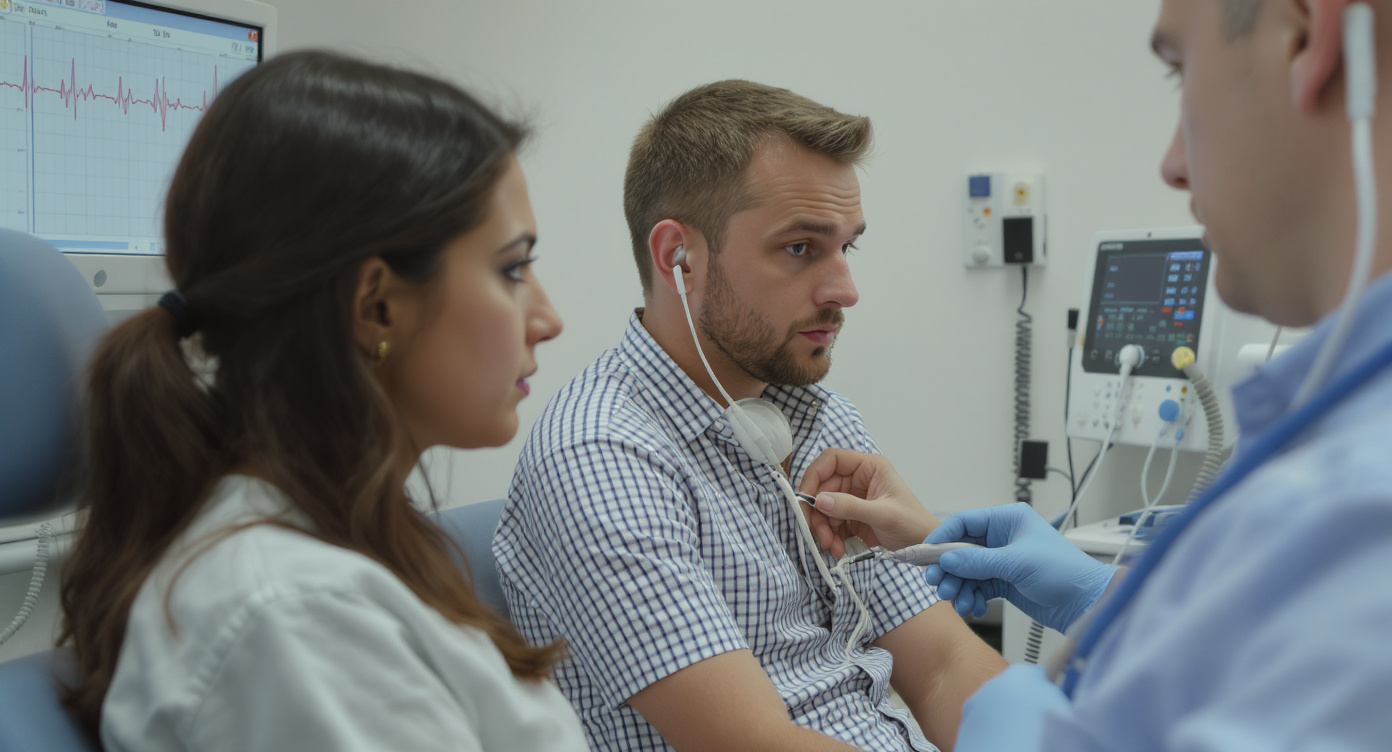
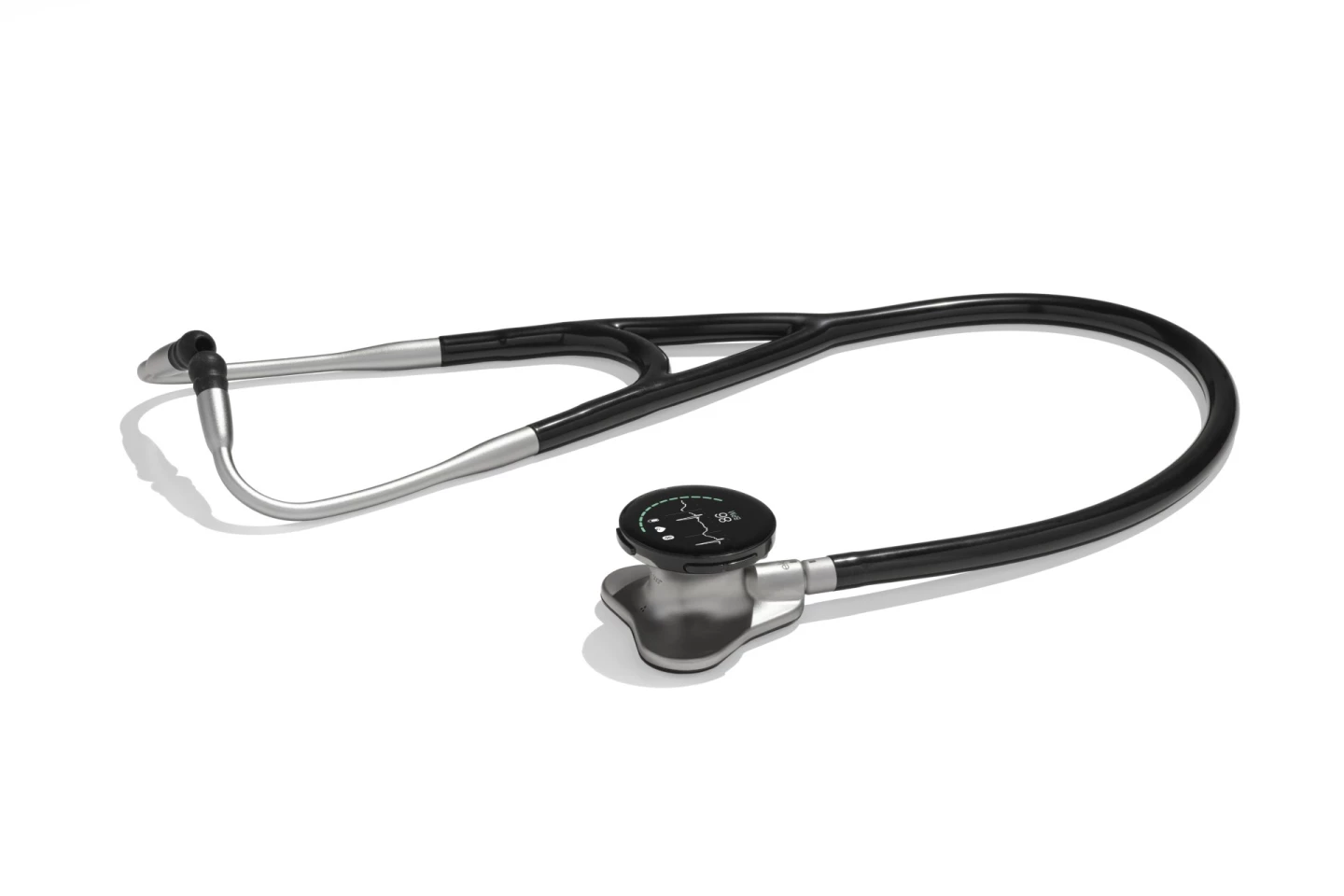
A new study has shown that an artificial intelligence-powered stethoscope can detect heart valve diseases with a sensitivity of over 92%, which is twice as high as that of a conventional device. The technology also helps increase patient engagement and requires further testing.
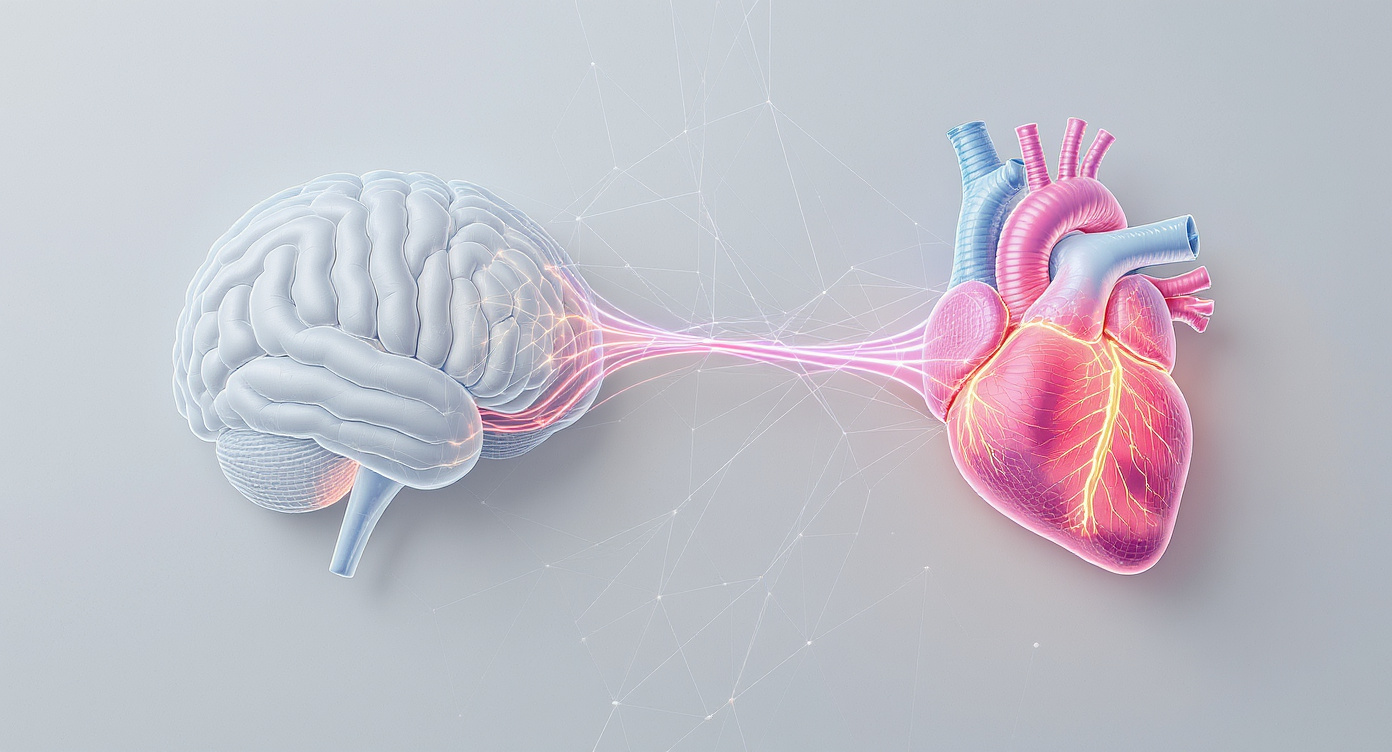
Scientists have developed a biodegradable implant that restores the connection between the heart and brain after surgery, preventing scarring and preserving organ function. This technology has the potential to significantly improve patient recovery following cardiac surgery.
Regular consumption of foods rich in polyphenols—such as berries, tea, coffee, and nuts—has been linked to improved heart health and a slower increase in cardiovascular risk with age. New research confirms the protective properties of these plant compounds and highlights the importance of including them in your daily diet.
A new study has shown that gender-affirming hormone therapy in transgender individuals affects the heart's electrical activity, bringing it closer to the typical values associated with their gender identity. These changes are considered physiological, but caution is advised when prescribing other medications that may influence heart rhythm.

 Salus
Salus