Studies have shown that dogs and humans share similar biological markers of aging, opening up new opportunities for longevity research. Habits that promote healthy aging in people are likely beneficial for dogs as well.
Finnish researchers have developed a productive life index that takes into account both paid and informal work. Their study revealed that the period of full working capacity is significantly shorter than the average life expectancy, highlighting the true economic burden of an aging population.
Short but intense sprints trigger significant molecular changes associated with improved metabolic health and slower aging, surpassing the effects of moderate exercise. The study highlights the importance of exercise intensity in disease prevention.
Arginine plays an important role in supporting the immune system and protein synthesis, and its deficiency can increase the risk of developing cancer and viral infections. Studies show that adequate intake of arginine helps strengthen the body's defenses and may be beneficial for the prevention and treatment of various diseases.
Despite the popularity of high-protein foods, research shows that for most sedentary adults, reducing protein intake may actually be more beneficial and contribute to longevity. The optimal amount of protein depends on age and level of physical activity.
A new study has shown that exceptional memory in older adults cannot be explained solely by a low genetic risk for Alzheimer's disease. Other biological, behavioral, and social factors also play an important role in maintaining cognitive health.
A two-year study found that omega-3 fatty acid supplements did not improve memory or cognitive function in older adults at risk for Alzheimer's disease. Taking fish oil did not slow age-related changes in the brain compared to a placebo.
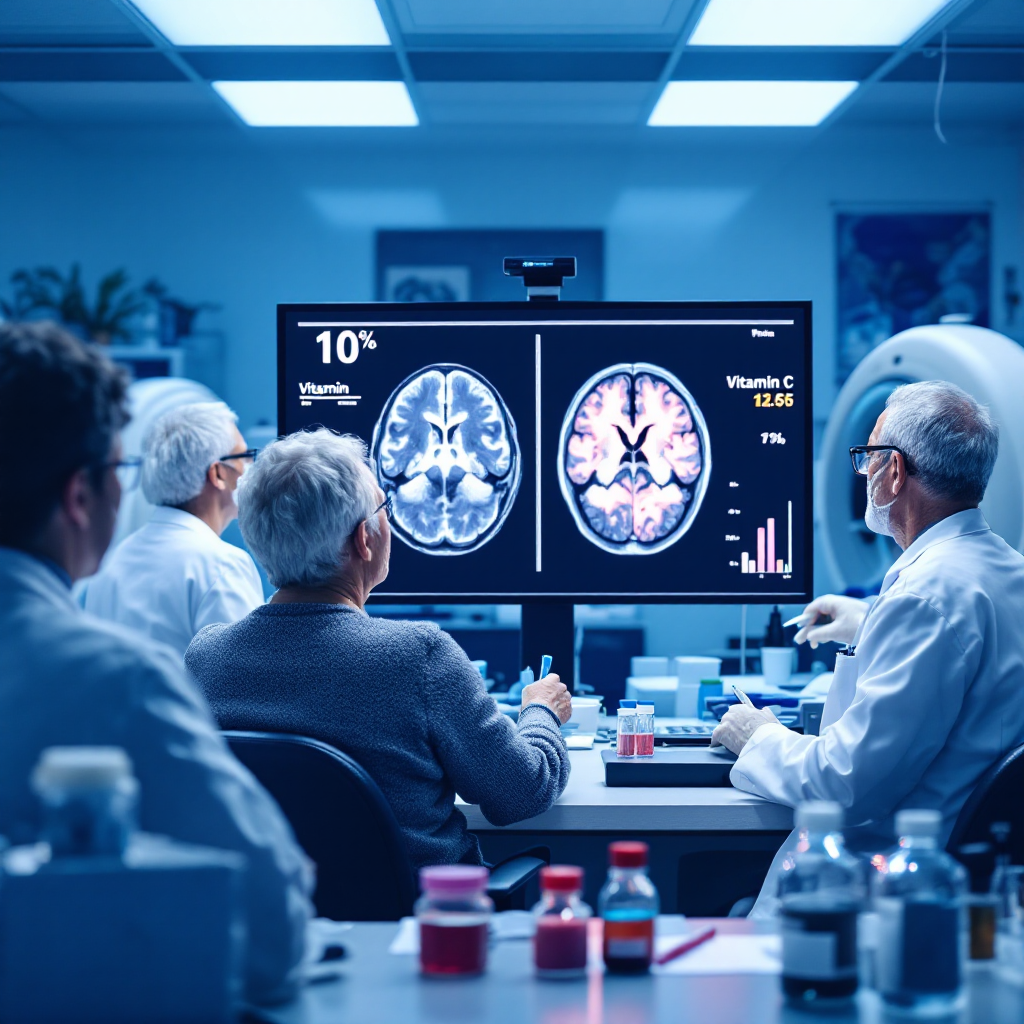
A study among elderly individuals has revealed a link between low blood vitamin C levels and a reduction in brain gray matter volume, as well as decreased connectivity in key brain networks. These findings highlight the importance of a balanced diet for maintaining cognitive health in older age.
American biotechnologists have, for the first time, restored youthful characteristics in aged human liver cells using epigenetic reprogramming. The company is preparing for clinical trials to confirm the effectiveness of this method and to expand its use for treating liver diseases and rejuvenating other tissues.
American scientists have developed an experimental nasal spray that reduces neuroinflammation and restores cognitive function in age-related brain changes. In animal studies, the drug demonstrated improved memory and good tolerability. The next step is clinical trials in humans.
A large-scale study has shown that using hearing aids reduces the risk of developing dementia, especially when the devices are highly effective. High-quality hearing correction provides the greatest protection for the cognitive health of older adults.
A new study has found that hidden internal stress accelerates memory loss in older Chinese Americans. Since this factor can potentially be addressed, researchers recommend developing culturally sensitive strategies to support emotional and cognitive health.
Long-term studies have shown that some people over the age of 80 maintain memory and mental sharpness at a level comparable to much younger individuals. Examining their brains and lifestyles helps us understand the mechanisms behind resilience to dementia and may lead to new strategies for preventing age-related cognitive decline.
A new study has shown that among elderly people with a genetic predisposition to Alzheimer's disease, a high intake of meat may be associated with a lower risk of dementia. This highlights the importance of tailoring dietary recommendations to individual genetic profiles.
The combination of excess abdominal fat and low muscle mass significantly increases the risk of mortality in people over 50. Simple measurement methods can help identify this condition and allow timely steps to improve health.


 Cursus