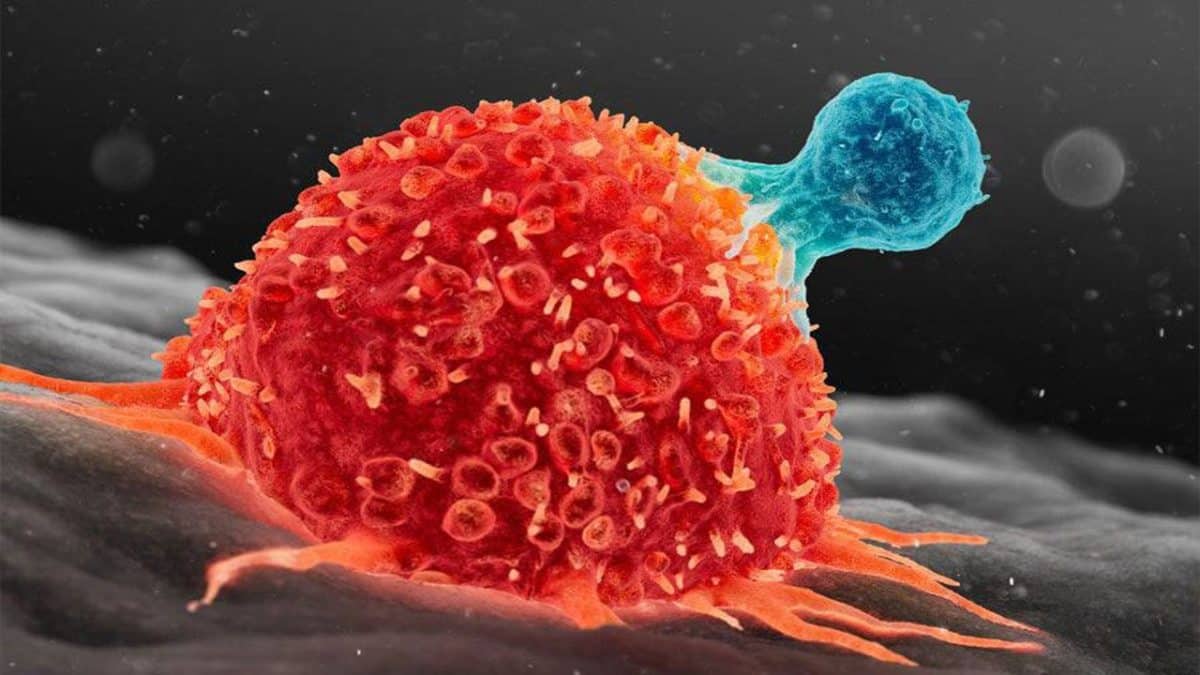
The United States has approved the first direct-acting drug for the treatment of late-stage pancreatic adenocarcinoma, one of the most aggressive forms of cancer. The new medication has demonstrated a twofold improvement in survival rates compared to standard chemotherapy.
British scientists have developed a vaccine against tetanus and diphtheria that can be stored without refrigeration. This innovation will help provide protection against infections in regions with hot climates and unreliable electricity supplies.
Scientists have developed a new technology for anti-cancer vaccines that harnesses immunity formed after COVID-19 to fight tumors. This method has already demonstrated effectiveness in experiments and is currently undergoing clinical trials.
Studies indicate that changing cancer therapy before a relapse occurs can improve treatment effectiveness and slow the development of tumor resistance. However, this approach requires further clinical validation.
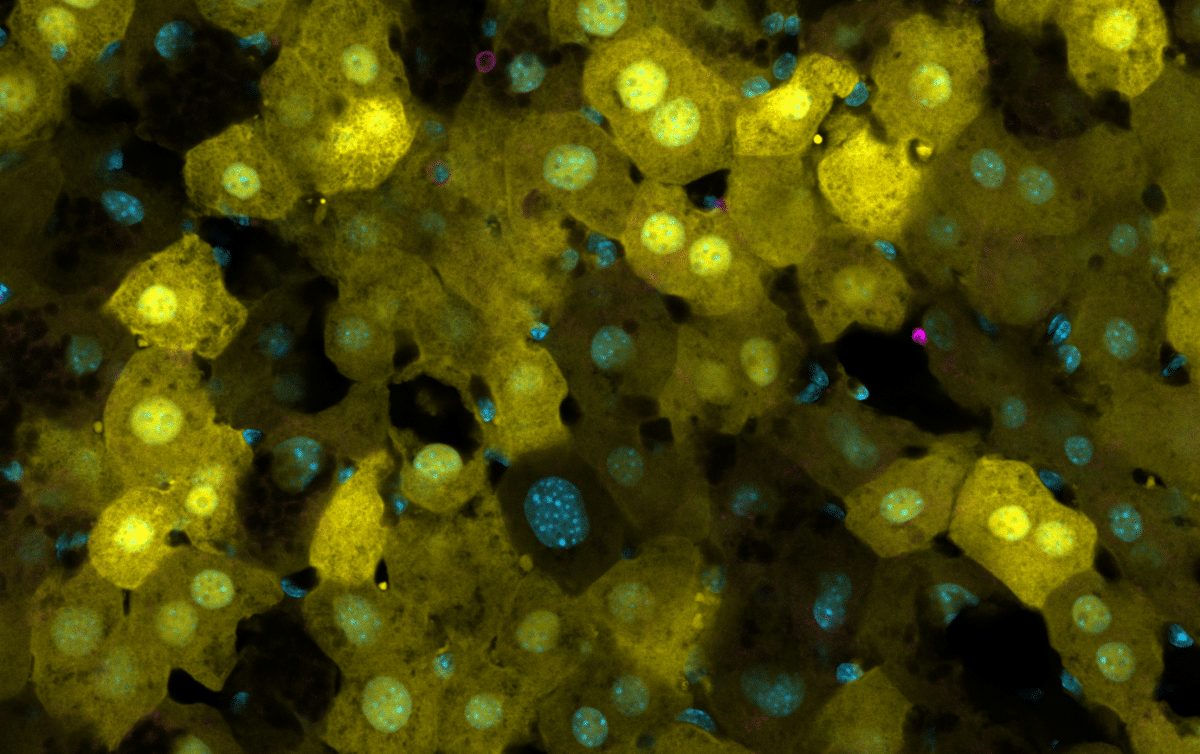
American biotechnologists have, for the first time, restored youthful characteristics in aged human liver cells using epigenetic reprogramming. The company is preparing for clinical trials to confirm the effectiveness of this method and to expand its use for treating liver diseases and rejuvenating other tissues.
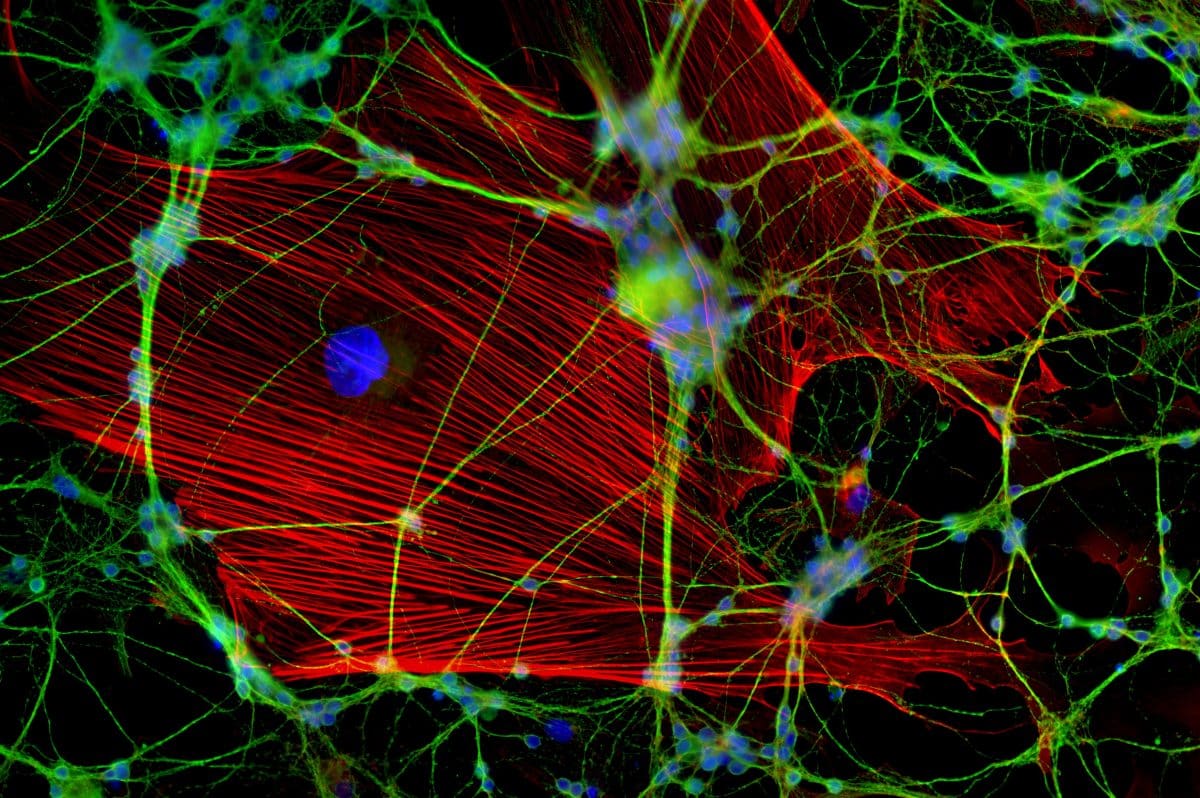
American scientists have developed an experimental nasal spray that reduces neuroinflammation and restores cognitive function in age-related brain changes. In animal studies, the drug demonstrated improved memory and good tolerability. The next step is clinical trials in humans.
For the first time, the technology of epigenetic cell rejuvenation, previously tested successfully on animals, is moving into clinical trials in humans. The new drug ER-100 could pave the way for restoring retinal cell function and treating age-related eye diseases.
An international team of researchers has identified three already approved drugs that may be effective for the treatment or prevention of Alzheimer's disease. Large-scale clinical trials are needed to confirm their benefits.
An analysis of clinical studies has shown that intermittent fasting does not lead to greater weight loss in adults with excess body weight compared to traditional diets. When choosing a weight loss method, it is important to consider an individual approach.
The largest analysis of studies on alternative treatments for autism has found no convincing evidence of their effectiveness or safety. Most of these methods remain insufficiently researched and require further investigation.


 Salus
Salus