Recent studies indicate that sugar substitutes such as sorbitol are not always safer than regular sugar and may cause unwanted metabolic effects. Choosing alternatives requires an individual approach and consideration of each person's metabolic characteristics.
A new study has shown that regular coffee consumption is associated with a reduced risk of cirrhosis, liver cancer, and other liver diseases. The protective effect was observed even with just 1–2 cups per day, but was most pronounced with 3–4 cups.
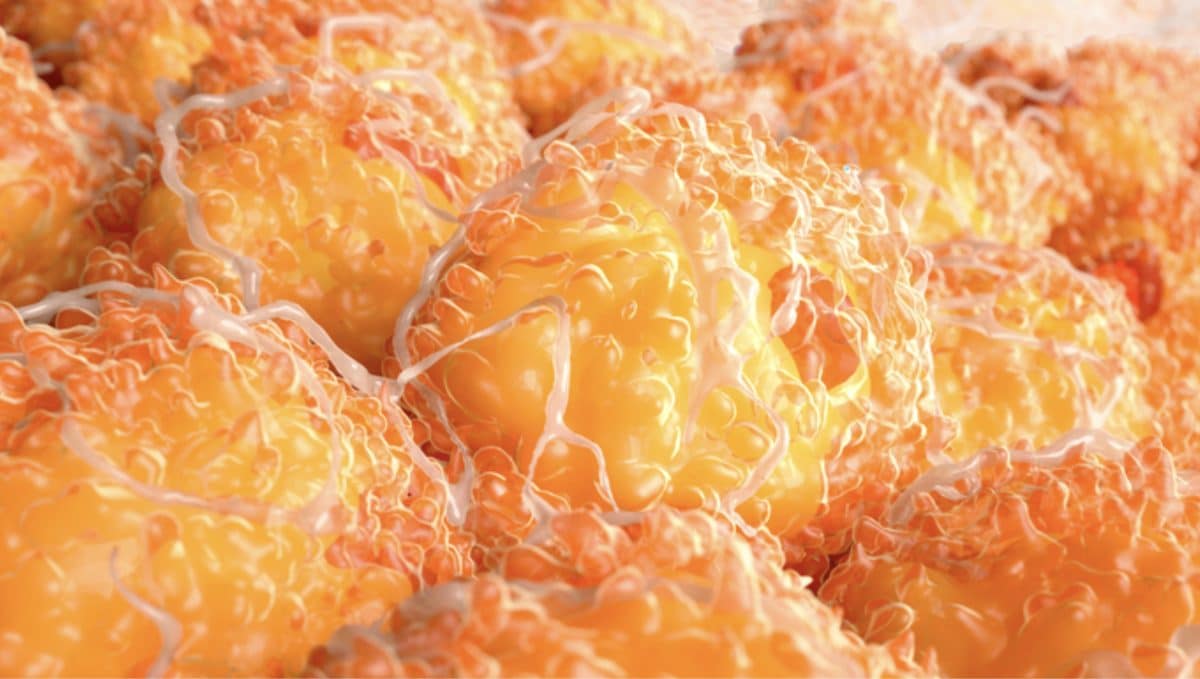
Adipose tissue is essential for metabolism and hormonal balance, and its loss or dysfunction can lead to diabetes and other diseases. Recent studies highlight the importance of protecting fat cells to maintain metabolic health.
A new study has shown that regular coffee consumption is associated with a lower risk of cirrhosis, liver cancer, and mortality from liver diseases. The positive effect was observed even with just one or two cups a day. However, coffee does not replace other preventive measures and may not be suitable for everyone.
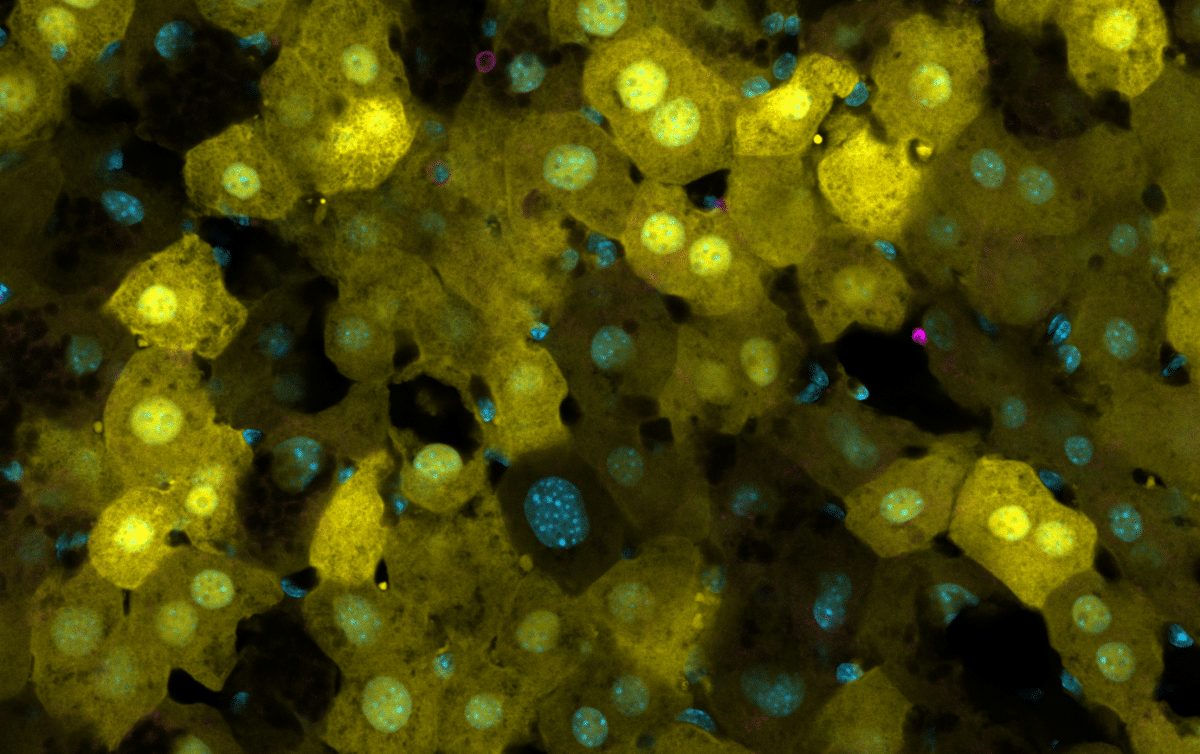
American biotechnologists have, for the first time, restored youthful characteristics in aged human liver cells using epigenetic reprogramming. The company is preparing for clinical trials to confirm the effectiveness of this method and to expand its use for treating liver diseases and rejuvenating other tissues.
A new study has shown that pigeons navigate using Earth's magnetic field with the help of immune cells in their liver, which act as an internal compass and send signals to the brain. This discovery reveals a previously unknown mechanism of bird navigation.
A new study has found that vitamin B3 (niacin) can reduce the activity of a key gene associated with the development of fatty liver disease, opening up new possibilities for effective treatment of this widespread condition.
Engineers at MIT have developed a method for introducing liver cells encapsulated in protective gel particles, enabling the formation of mini-organs directly inside the body. This technology could reduce the need for liver transplants and provide support for patients with chronic liver failure.
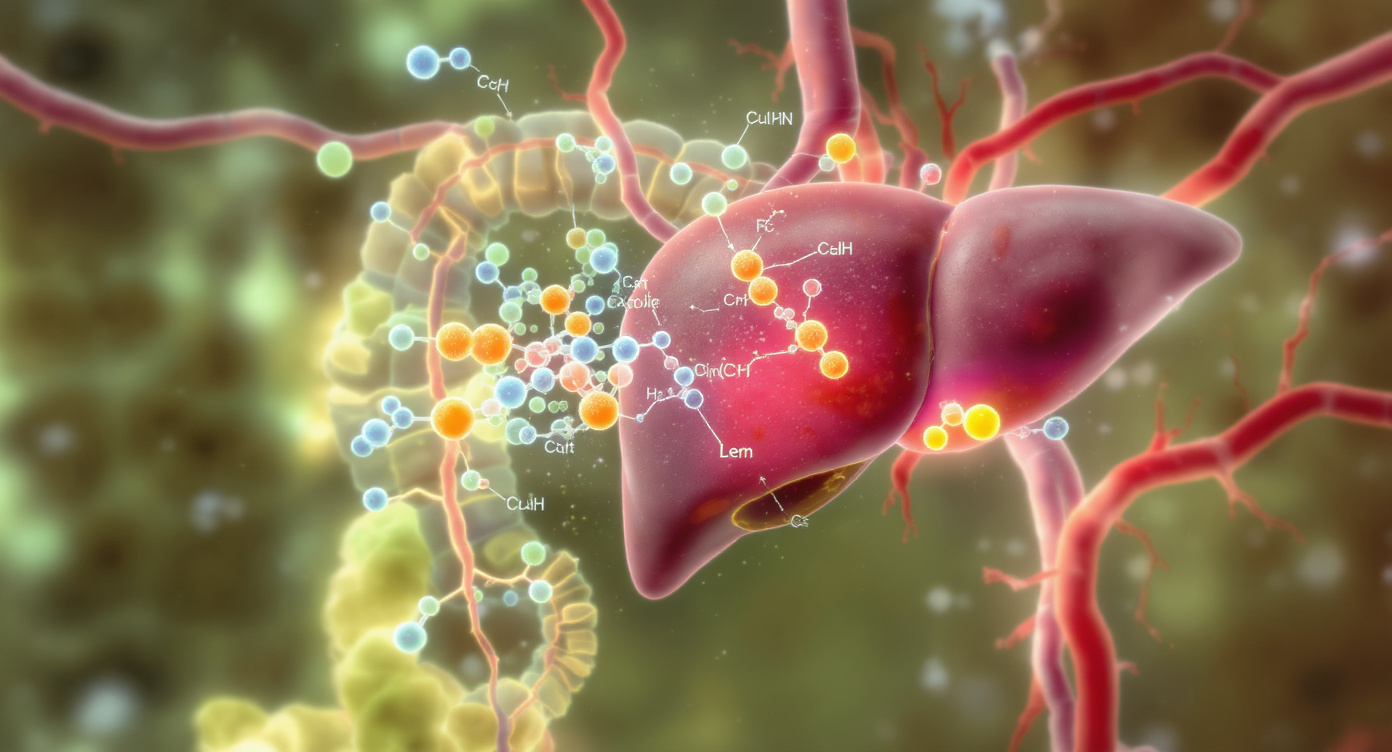
Scientists have identified molecules produced by the gut that influence metabolism and blood sugar levels through the liver. This discovery could lead to new approaches in the treatment of obesity and type 2 diabetes.
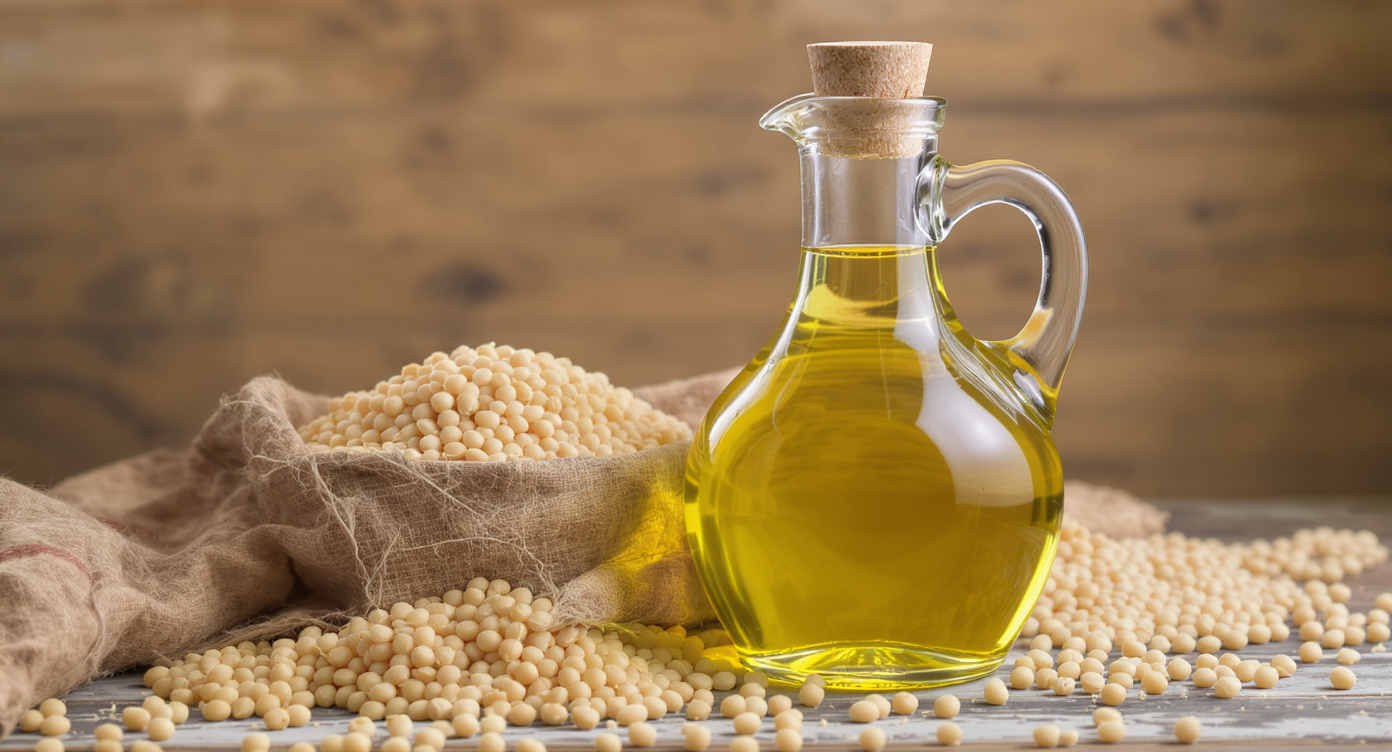
Recent studies have shown that the consumption of soybean oil may contribute to the development of obesity in mice, with genetic factors playing a key role in this process. These findings highlight the importance of a personalized approach to nutrition and the need for further research into the effects of common vegetable oils on health.
A new study has found that young people with obesity already show brain damage biomarkers typically associated with aging, especially when choline levels are low. This may indicate an early risk of cognitive impairment and highlights the importance of proper nutrition for brain health.
A new study has shown that the risk of developing certain types of cancer depends not so much on the total amount of body fat, but rather on where it is distributed in the body. Visceral and liver fat are considered especially dangerous.

 Salus
Salus