

Mini-liver Injection: A New Chance Without Transplantation
Engineers at MIT have developed a method for introducing liver cells encapsulated in protective gel particles, enabling the formation of mini-organs directly inside the body. This technology could reduce the need for liver transplants and provide support for patients with chronic liver failure.
Salus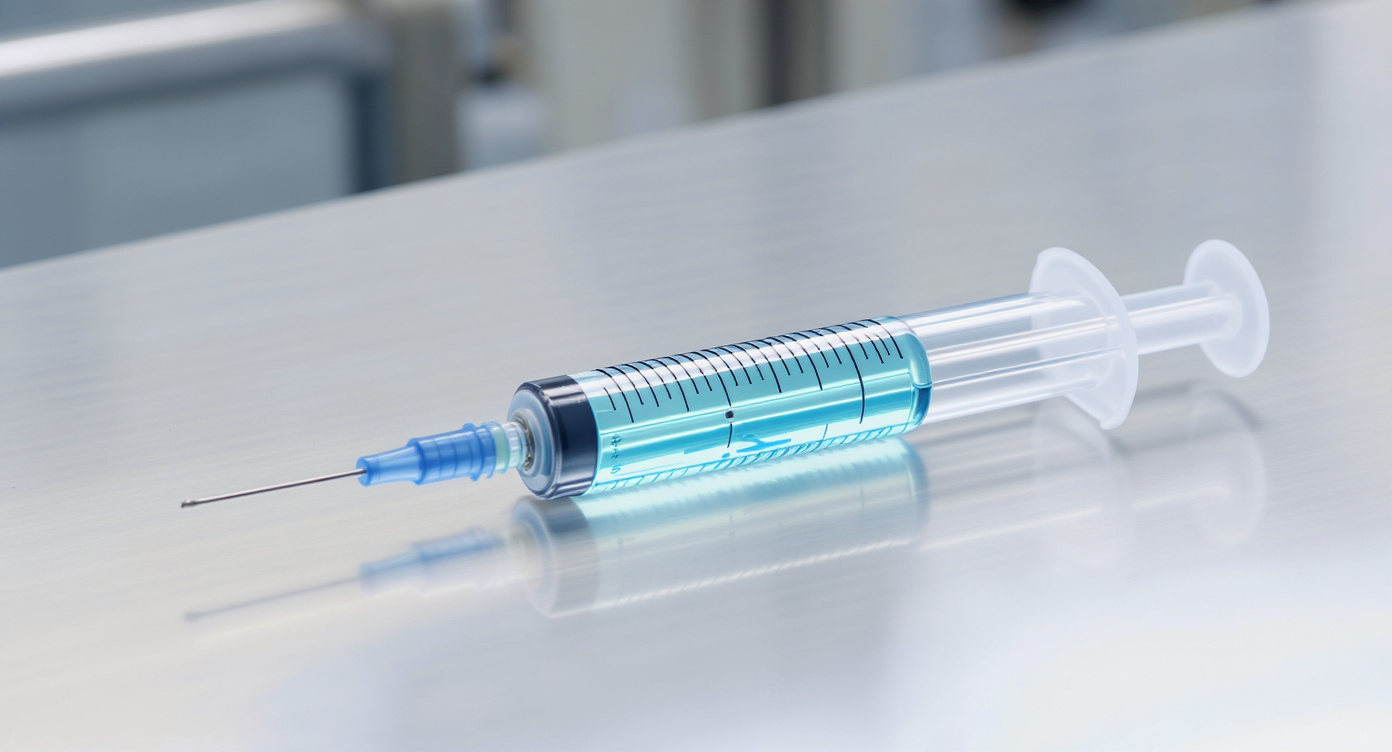
Engineers at the Massachusetts Institute of Technology have developed a new method for introducing liver cells together with protective gel particles, enabling the formation of functional “satellite livers.” This technology could potentially reduce the need for complex organ transplant surgeries in the future.
The Problem of Donor Organ Shortage
For patients with chronic liver failure, a donor organ transplant is often the only available treatment option. However, due to the limited number of donors and the risks associated with surgery, many patients are left without viable alternatives. Introducing healthy liver cells is considered a less invasive approach, but such cells typically fail to survive because they lack a suitable structure for attachment.
A New Injectable Method
To address this issue, researchers have created an injectable system that allows mini-organs to grow directly inside the body. The method involves mixing human liver cells with microscopic hydrogel spheres. The resulting mixture can be easily administered using a standard syringe, and once inside the tissue, it quickly forms a stable structure.
With the help of standard ultrasound equipment, doctors can precisely inject this mixture into accessible areas, such as abdominal fat tissue, without affecting the damaged liver. After injection, the gel spheres create a supportive environment that encourages blood vessels to grow into the new cell cluster, supplying it with oxygen and nutrients.
Laboratory Test Results
In experiments on mice, the formed “satellite livers” functioned for two months, producing essential proteins and enzymes. At this stage, the technology still requires the use of drugs to prevent the body from rejecting the new cells. Nevertheless, the syringe-based procedure could become an important support for patients awaiting a donor organ and may change the approach to treating end-stage organ failure.