MIT researchers have developed a compact lidar chip based on silicon photonics that offers a wide field of view and low interference without any moving parts. This technology has the potential to significantly enhance sensors for autonomous vehicles and other complex applications.
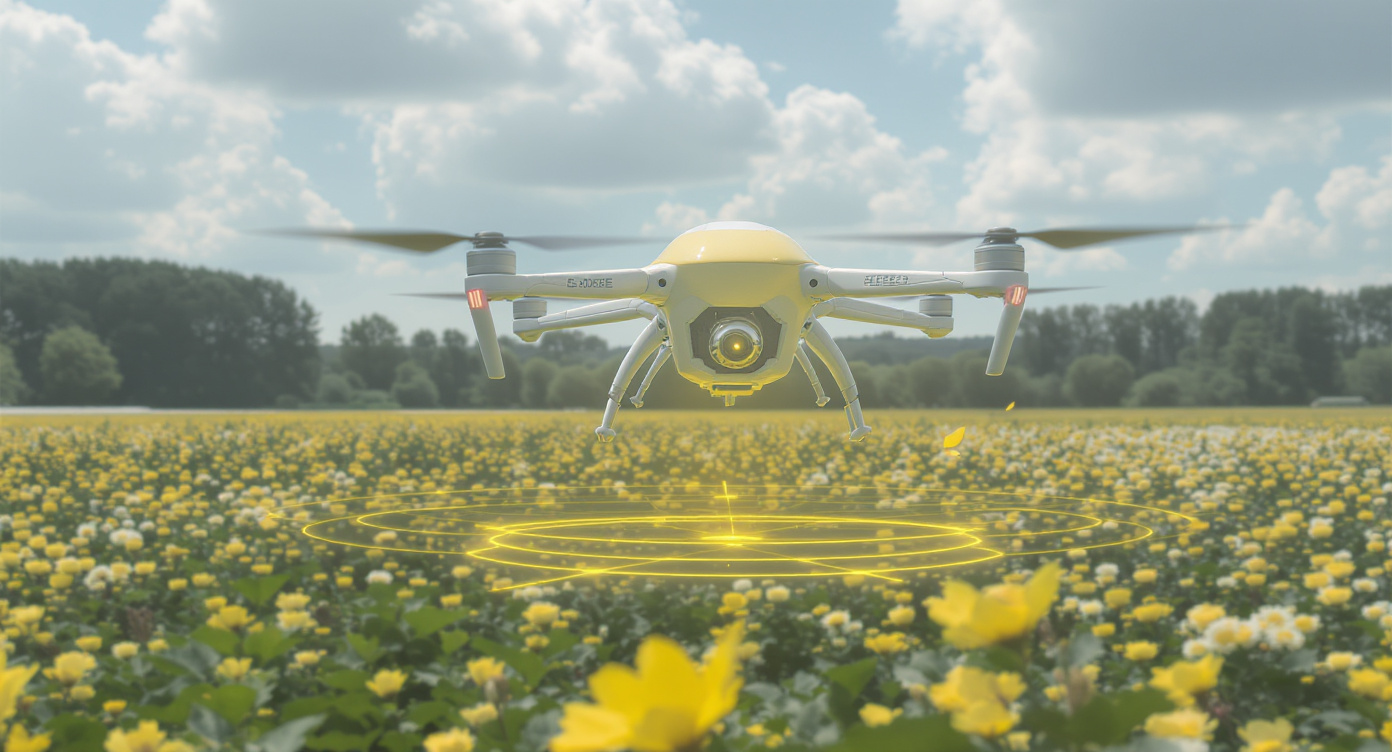
Inspired by the way honeybees navigate, researchers have created a lightweight drone system that can find its way home without relying on GPS, using only minimal memory and visual landmarks. This breakthrough holds promise for applications in agriculture, industry, and robotics research.
A new study has shown that pigeons navigate using Earth's magnetic field with the help of immune cells in their liver, which act as an internal compass and send signals to the brain. This discovery reveals a previously unknown mechanism of bird navigation.
The study showed that bumblebees are able to distinguish complex rhythms and abstract temporal patterns, despite having a simple brain and lacking advanced hearing. This discovery offers new insights into the cognitive abilities of insects.
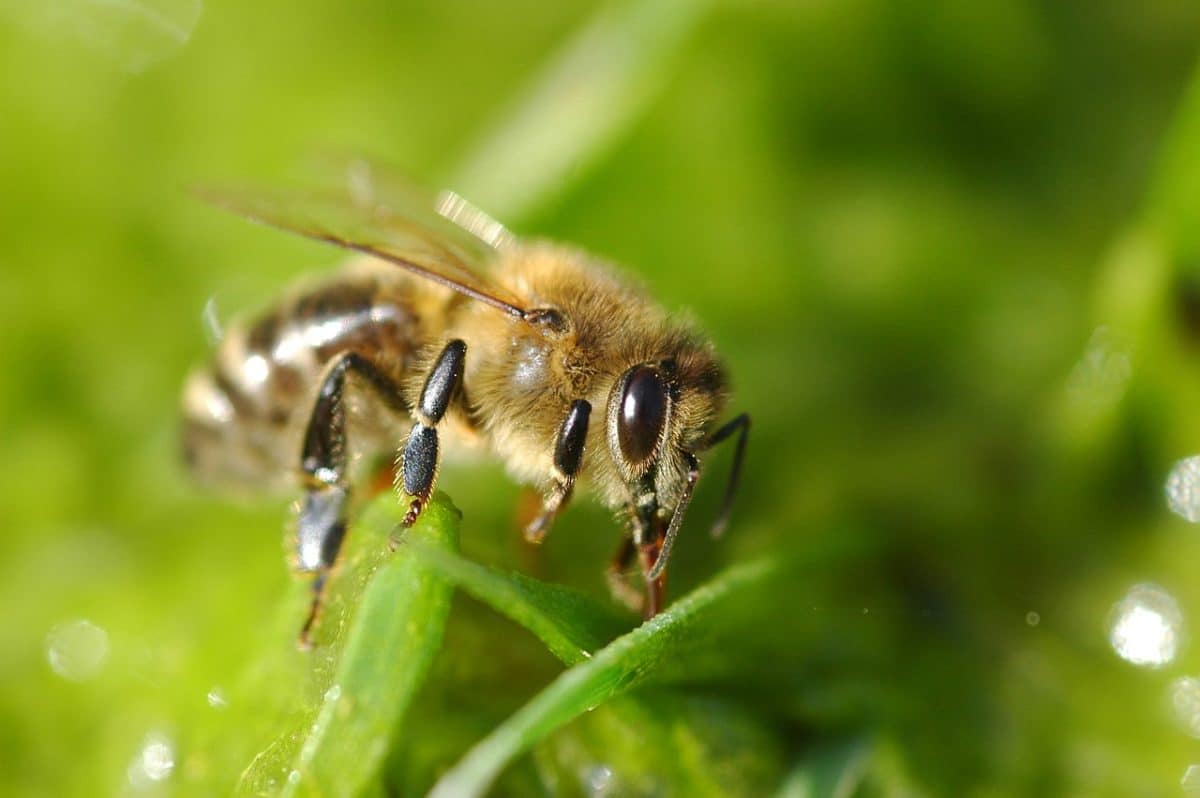
A new study has shown that honeybees remember their individual flight routes with remarkable accuracy, surpassing their ability to communicate information through the waggle dance. Each bee uses its own unique navigation style, and their spatial memory is far more complex than previously believed.
The Perseverance rover has used a new technology for the first time that allows it to independently determine its exact location on Mars by comparing its own photos with orbital images. This advancement speeds up navigation and reduces delays when moving across the planet's surface.
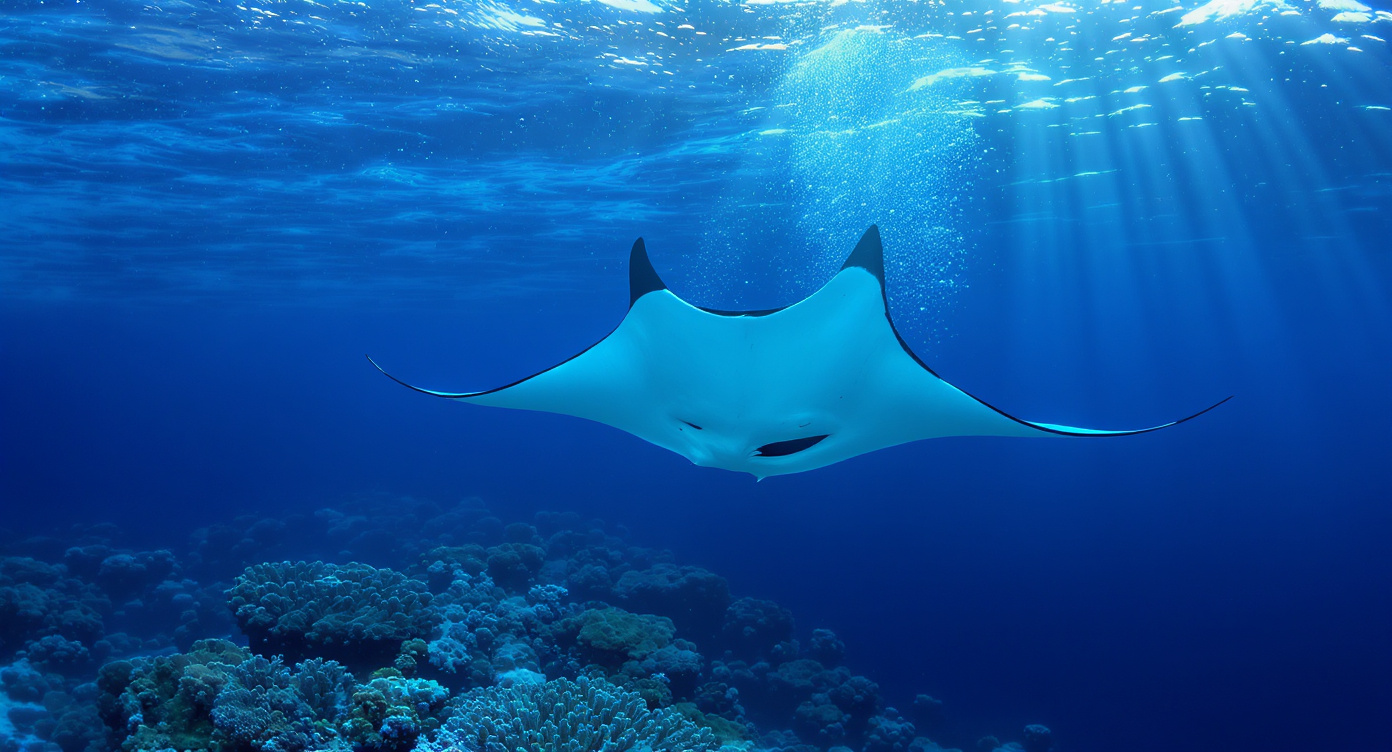
Studies have shown that oceanic manta rays dive into deep waters not for hunting, but to recalibrate their “maps” of the ocean and navigate in open waters. These findings help us understand how migratory species cross vast distances and highlight the importance of preserving little-studied deep-sea ecosystems.


 Ingenium