In October, Apple will introduce new smart home devices, including an updated HomePod mini, Apple TV 4K, and a HomePad hub with Siri AI support. The new products will feature a unique design, user recognition, and enhanced home management capabilities.
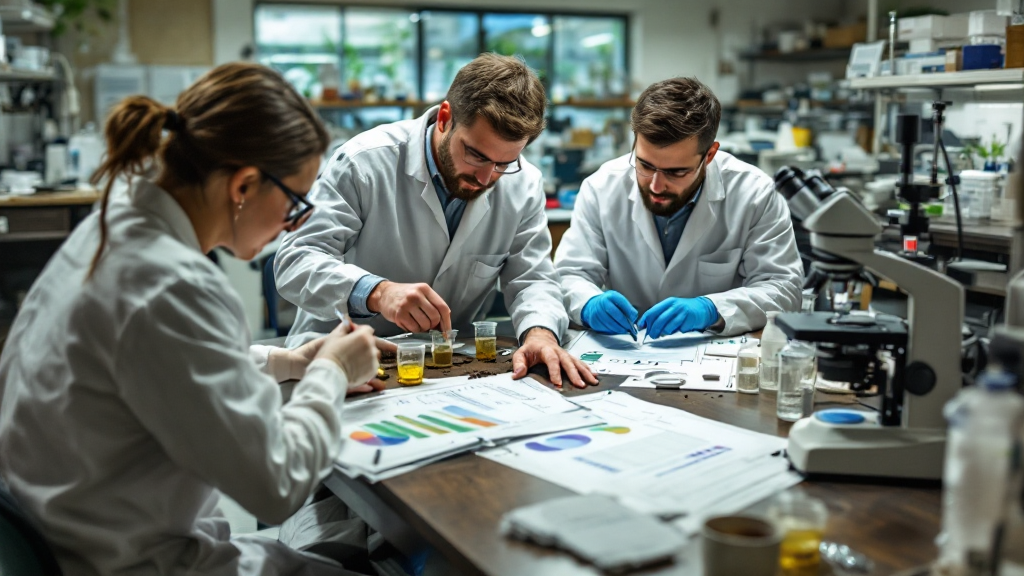
Scientists have developed a more accessible and cost-effective method for determining biologically active phosphorus in soil, which is linked to microbial activity. This new approach will help study soil fertility more efficiently and make better use of limited phosphorus resources in agriculture.
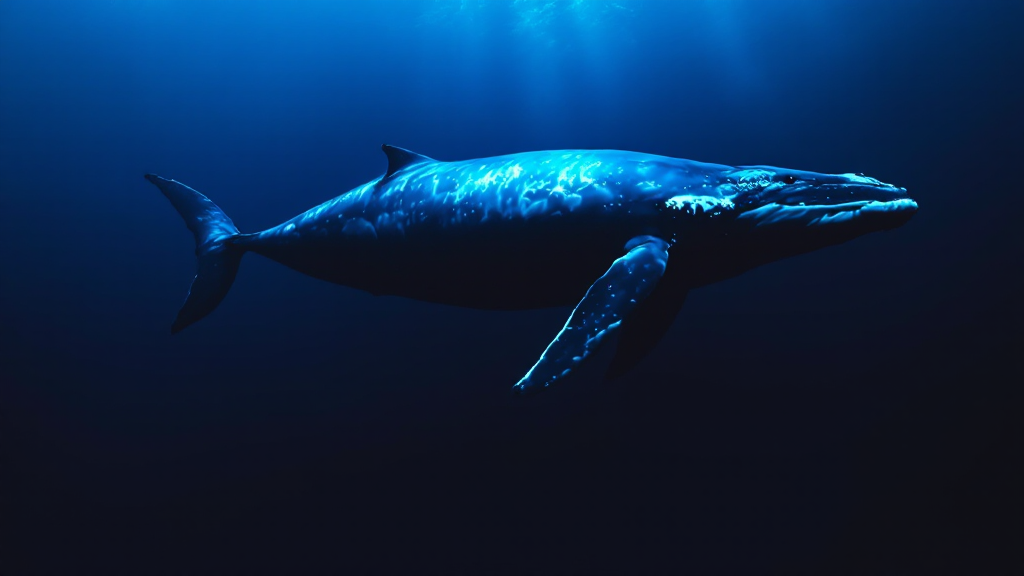
Due to warming and the reduction of ice cover, large groups of baleen whales have begun to migrate en masse to the coast of East Greenland, where they now spend the summer and consume up to a million tons of fish and krill. The study notes that these changes are creating new food chains and transforming the Arctic ecosystem.
Modern TMS systems have become indispensable for logistics, but their closed nature increases dependence on major providers and drives up costs. This article explores the advantages of open solutions, the role of artificial intelligence, and the prospects for creating a neutral infrastructure accessible to all market participants.
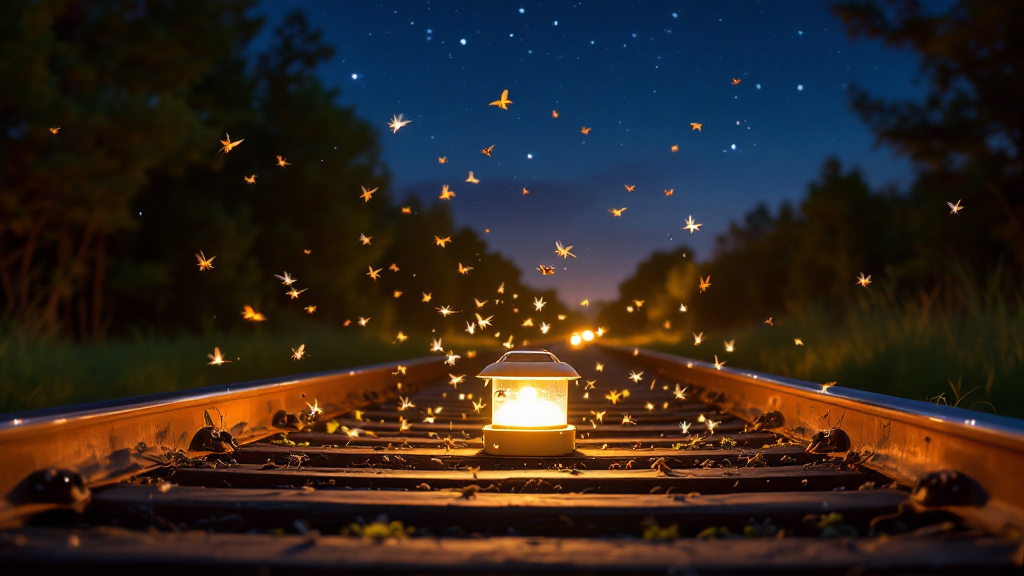
A study in Germany found that streetlights with warm light attract nearly half as many nocturnal insects compared to cold lamps, reducing insect deaths caused by artificial lighting. This approach could help preserve insect populations and support ecosystems.
Despite the rising prices of the PlayStation 5, Sony continues to position the console as an affordable alternative to gaming PCs and is focusing on digital sales. The company believes that shifting to digital versions will increase profits and help keep the cost of the future PlayStation 6 under control.
In South Australia, the koala population is rapidly increasing, which could lead to environmental issues. A new study proposes a humane strategy for population control to help maintain ecological balance.
In Spain, tests are underway for the MARMOK-A-5 device, which converts the energy of ocean waves into electricity for residential homes. The technology shows promise but still requires further development before it can be widely implemented.
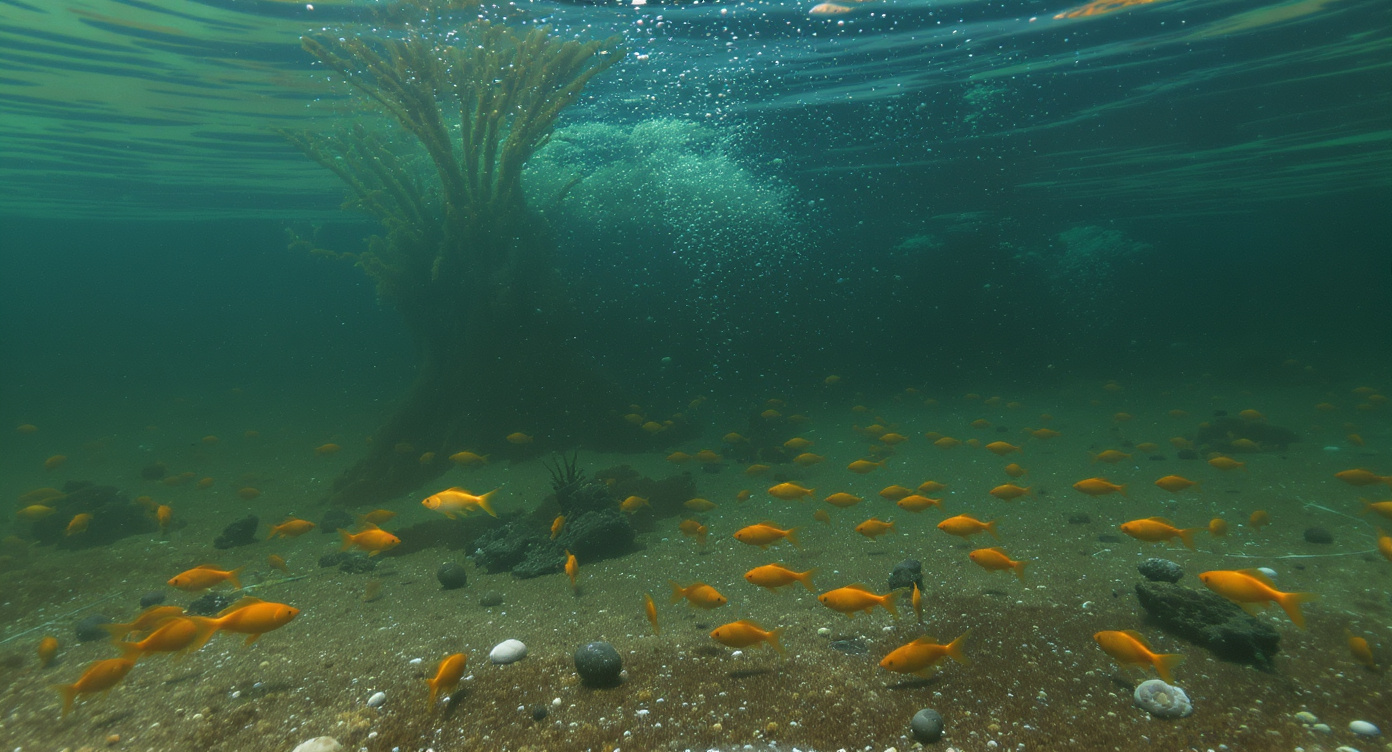
The introduction of goldfish into freshwater lakes leads to ecosystem destruction: water quality deteriorates, algae disappear, and the populations of native animals decline. Scientists urge that aquarium owners be informed about the harm caused by releasing these fish into the wild.
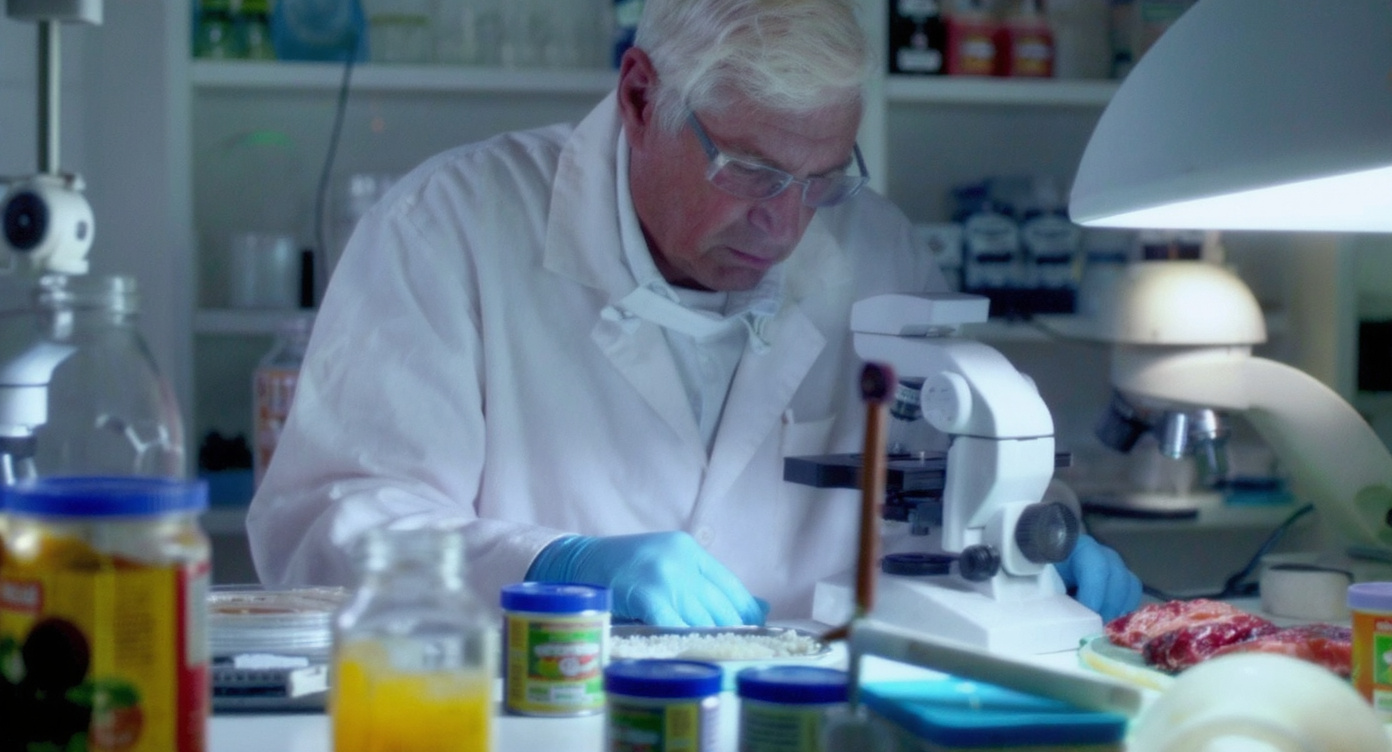
Scientists studied old canned salmon to track changes in parasites in the fish over 42 years and assess the health of Alaska's marine ecosystems. This approach helps to understand long-term trends in the ocean and the impact of environmental factors on food chains.
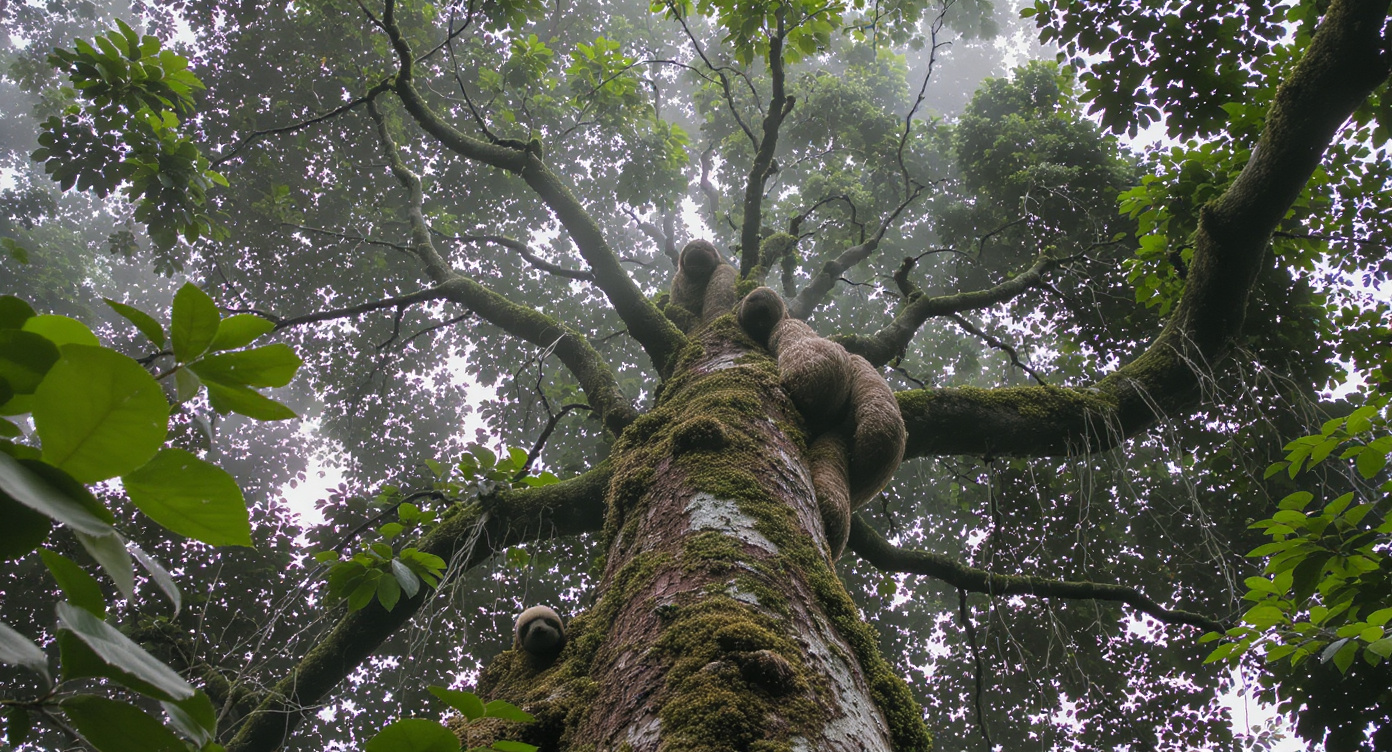
In the cloud forests of Costa Rica, researchers have discovered that sloths, margays, and other mammals use the canopies of certain trees as communal toilets. This finding changes our understanding of animal behavior and their communication within tropical ecosystems.
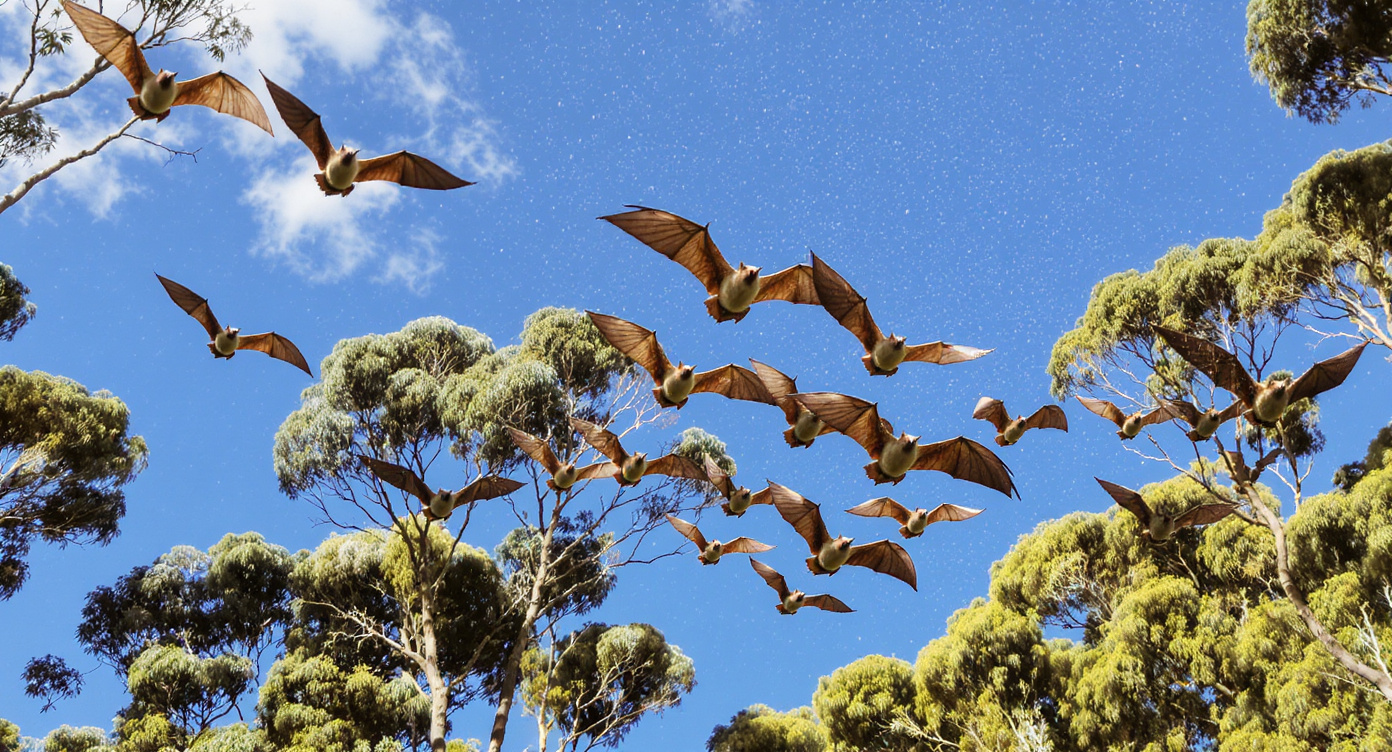
Australian flying foxes, once considered pests, help generate millions of new trees each year and contribute hundreds of millions of dollars to the country's economy. Research highlights their crucial role in forest restoration and the importance of protecting these animals.
Samsung adds AirDrop support to the Quick Share feature on Galaxy S26 series devices, expanding file sharing capabilities across different platforms. The update will first roll out in South Korea, and will later become available in other regions as well.
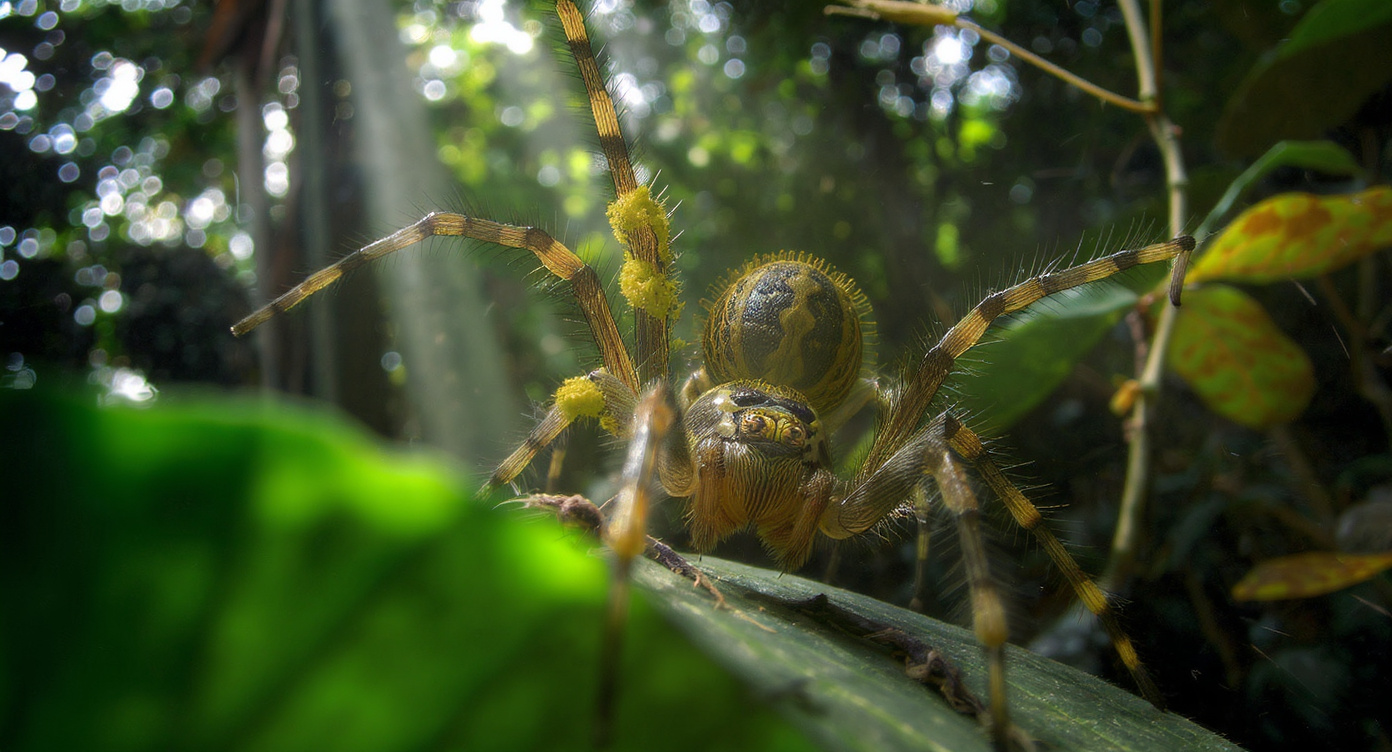
Archaeologists have described a new species of spider that disguises itself as a victim infected by a parasitic fungus in order to avoid predators. This discovery broadens our understanding of mimicry in the animal kingdom.
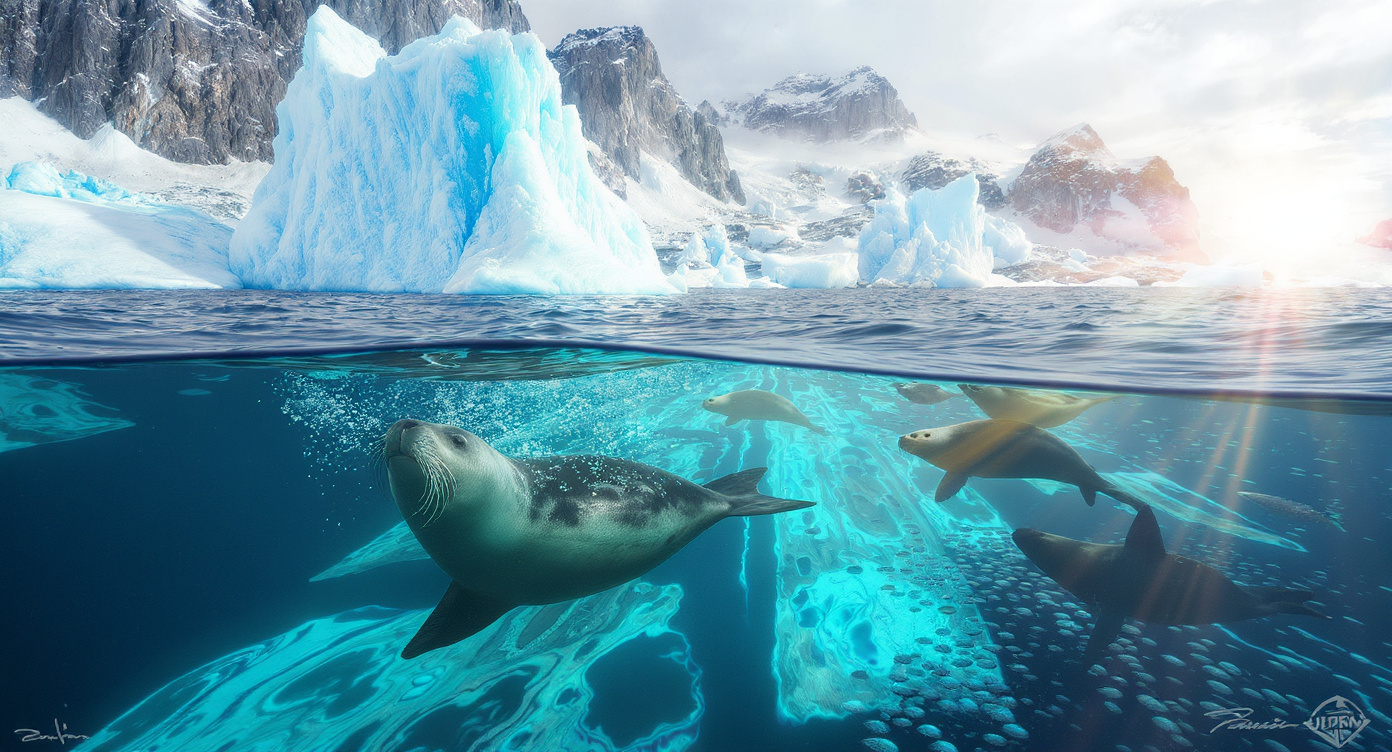
The rapid melting of Greenland's glaciers is causing the loss of rich feeding grounds for ringed seals, forcing them to switch to less nutritious food and search for new habitats. This change affects their physical condition and chances of survival.


 Crius
Crius