Slowing of the major Atlantic Ocean current could intensify storms along the California coast and reduce snowfall in Greenland. A new study highlights how changes in the ocean can impact extreme weather events and water resources across different continents.
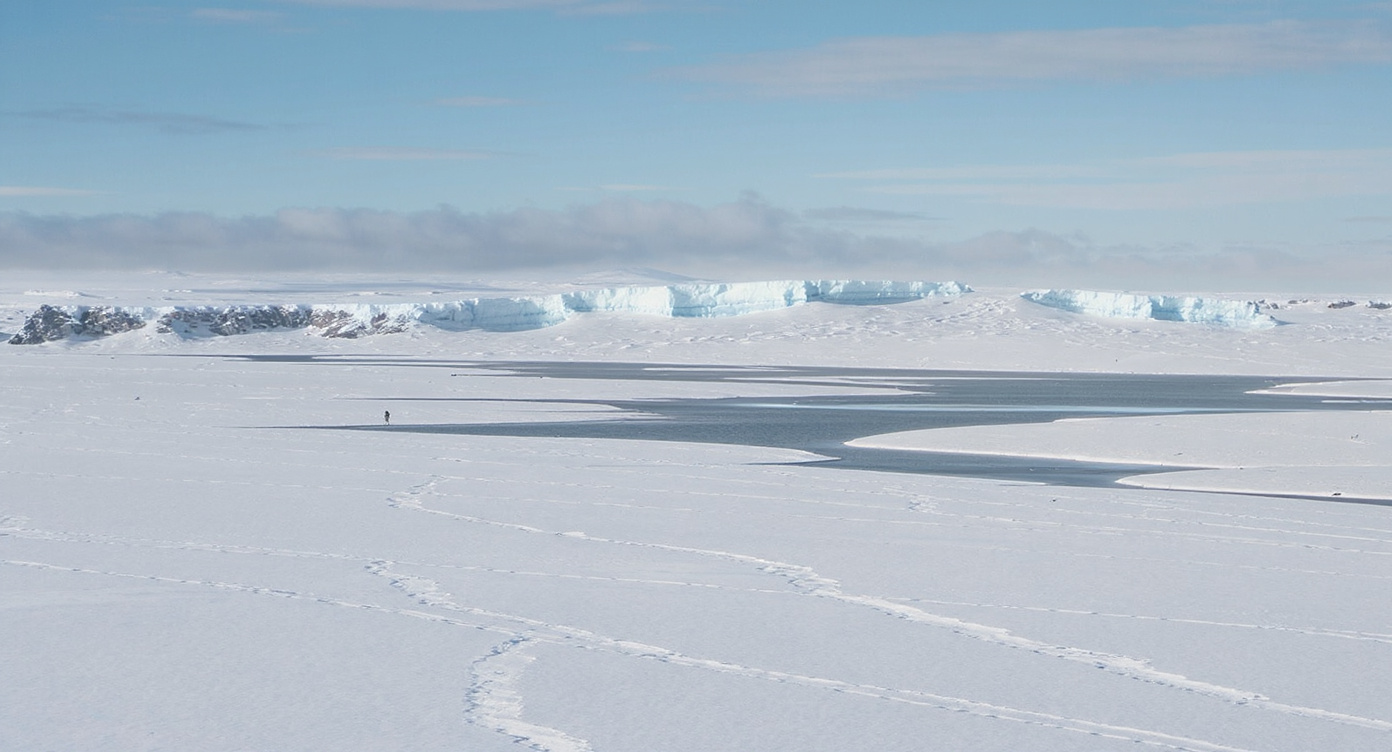
A new study has revealed that the Prudhoe Dome ice cap in Greenland completely melted about 7,000 years ago due to a slight warming. This data helps scientists make more accurate predictions about the risks of ice melt and future sea level rise.
A new study has shown that warming in the United States is uneven: different regions are experiencing changes in extreme temperatures, not just in average values. This calls for tailored approaches to adaptation and climate policy.
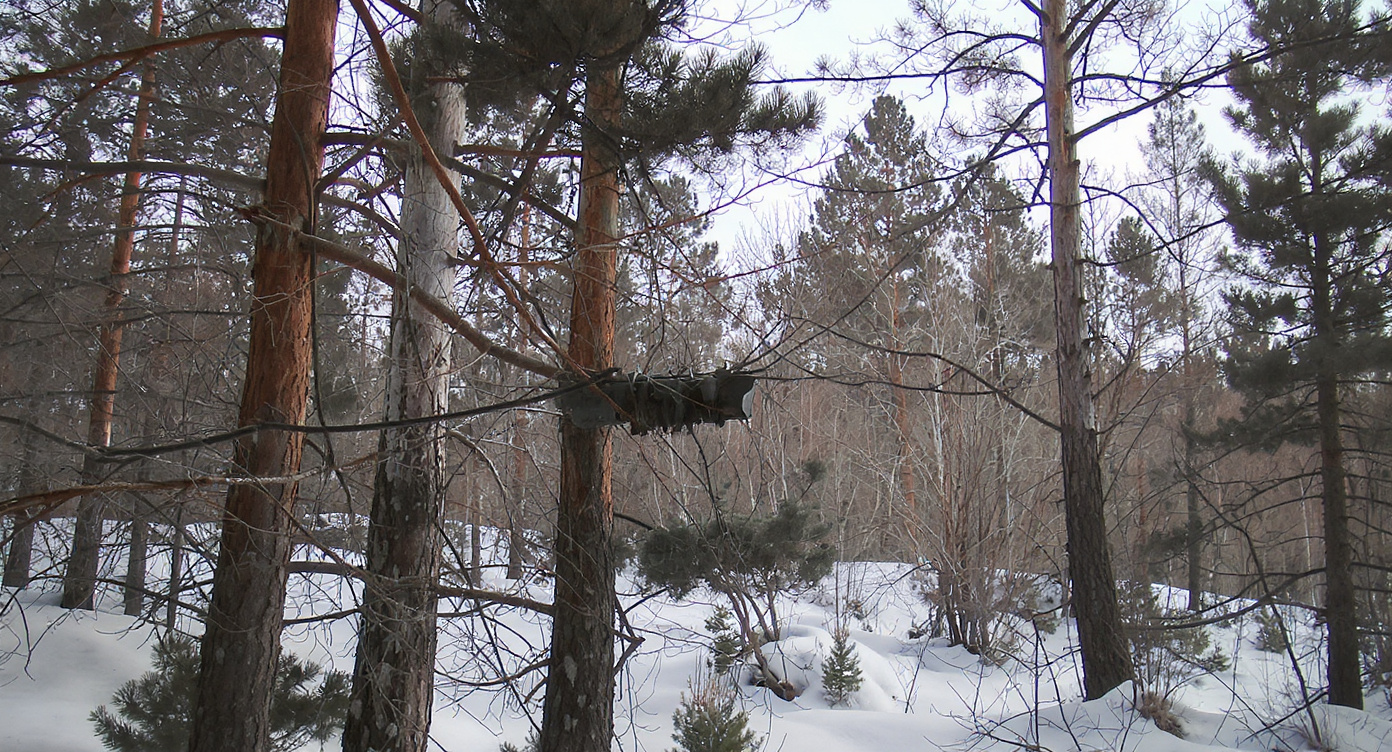
Scientists have discovered that the position of fir branches changes depending on moisture levels: when there is enough moisture, the branches rise, but during drought, they droop. This makes it possible to visually assess water stress in forests using ordinary camera traps, which simplifies ecosystem monitoring in the context of climate change.
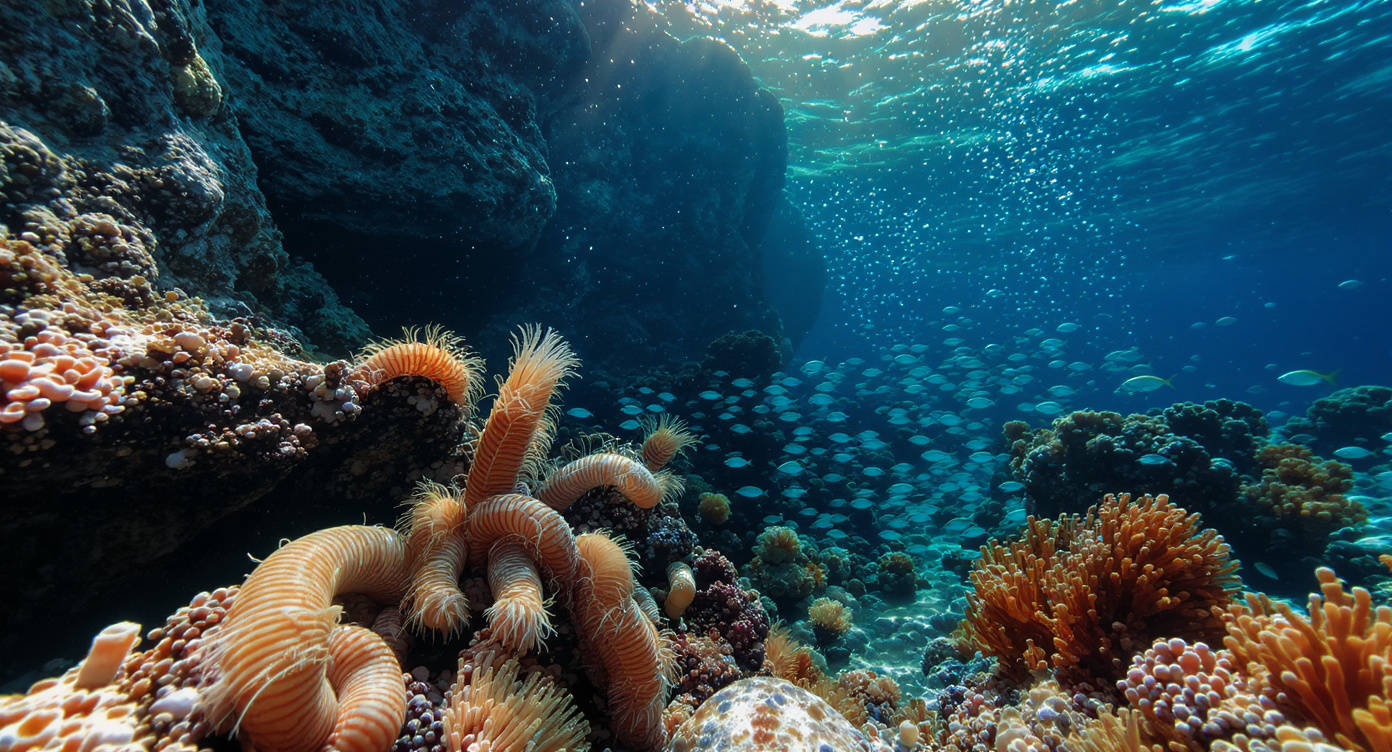
Research organizations are launching a large-scale project to study and catalog European marine annelids, aiming to accelerate the discovery of new species and deepen our understanding of biodiversity. The collected data will be made available to scientists worldwide for further research.
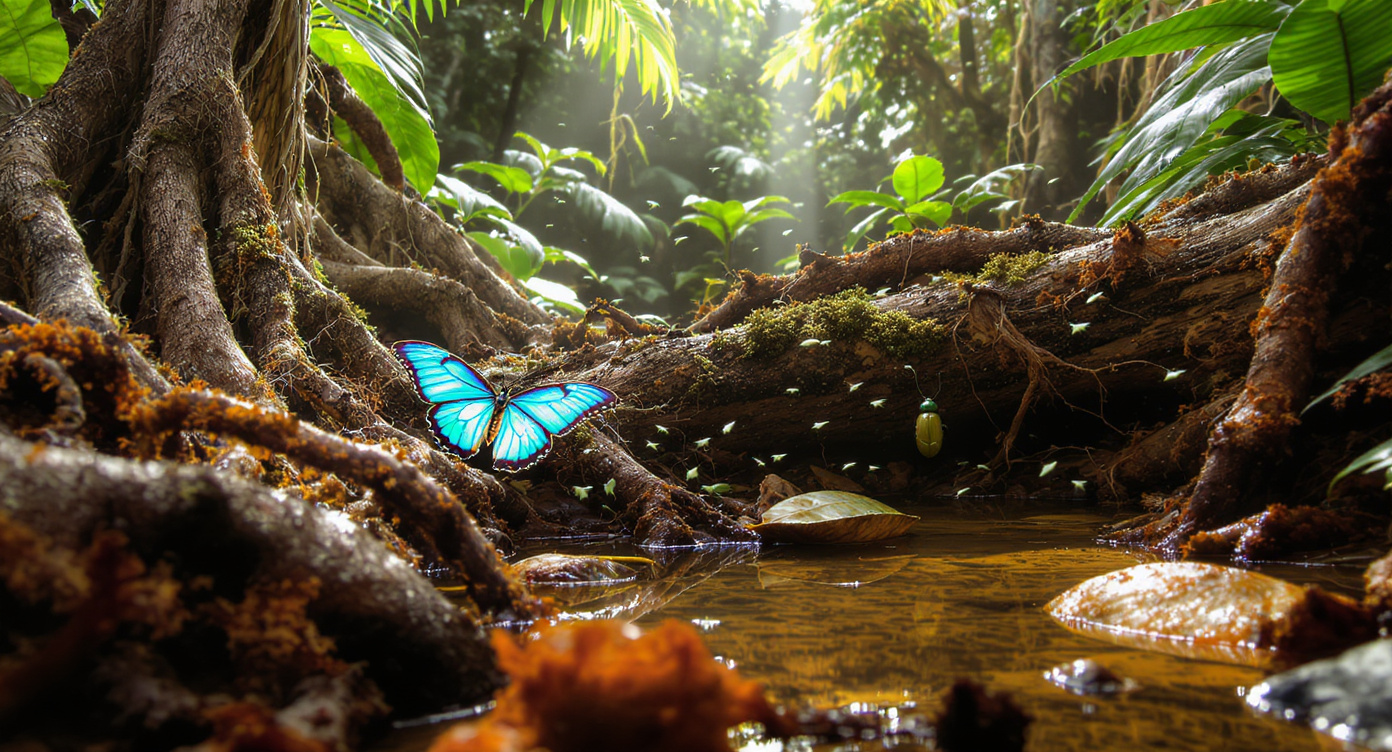
A new study has shown that tropical insects have a limited ability to adapt to rising temperatures caused by climate change. This could threaten up to half of the species in regions such as the Amazon and impact entire ecosystems.
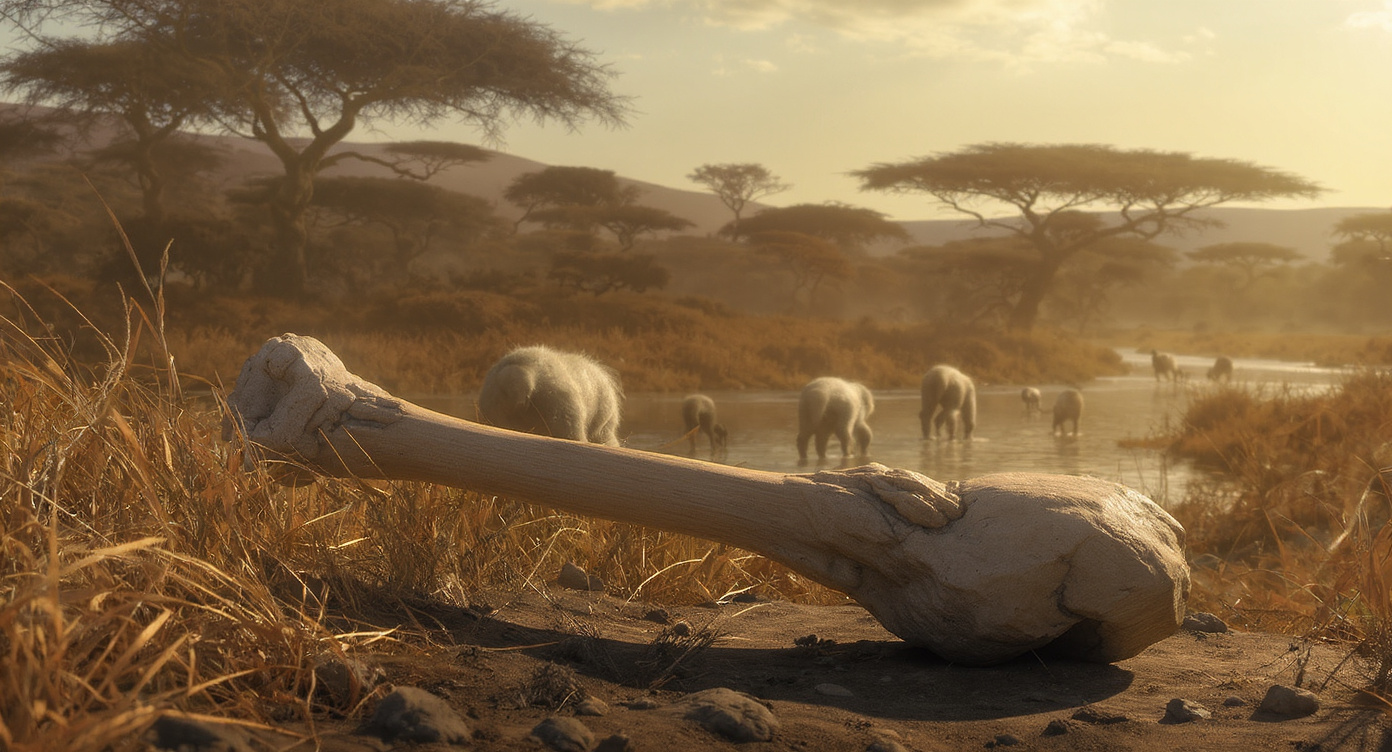
The discovery of a femur belonging to an ancient female hominin in Bulgaria could reshape our understanding of human origins, suggesting a possible European origin for the first upright-walking beings. Analysis of the find revealed features indicative of bipedal movement, making Graecopithecus one of the earliest known bipeds.
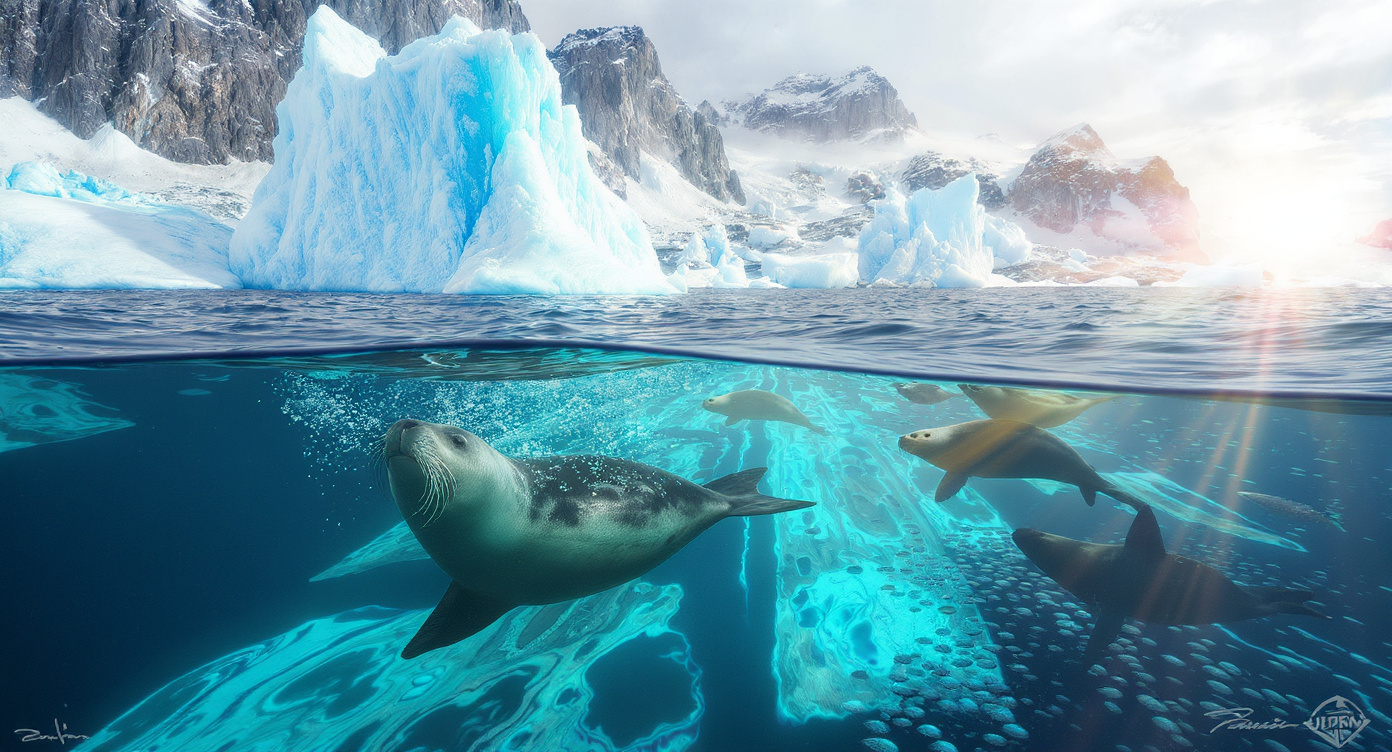
The rapid melting of Greenland's glaciers is causing the loss of rich feeding grounds for ringed seals, forcing them to switch to less nutritious food and search for new habitats. This change affects their physical condition and chances of survival.
A new study has found that despite global warming, the rate of change in ecosystems is slowing down, which is linked to the loss of biodiversity and environmental degradation. This may indicate a weakening of nature’s ability to recover.
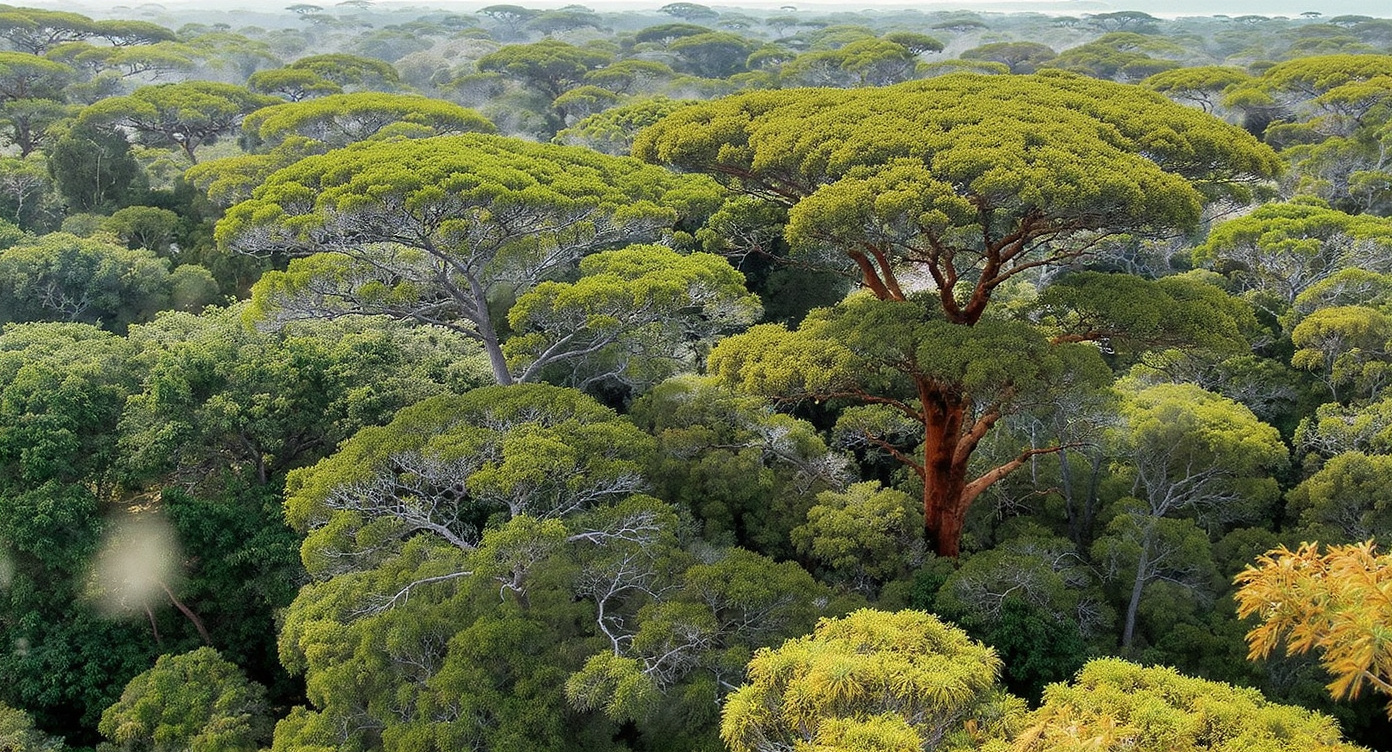
A global study has shown that in the world’s forests, fast-growing tree species are displacing slower-growing ones that are crucial for maintaining ecosystem stability. This shift could lead to a decline in biodiversity and forest resilience, as well as reduce their ability to withstand climate change.
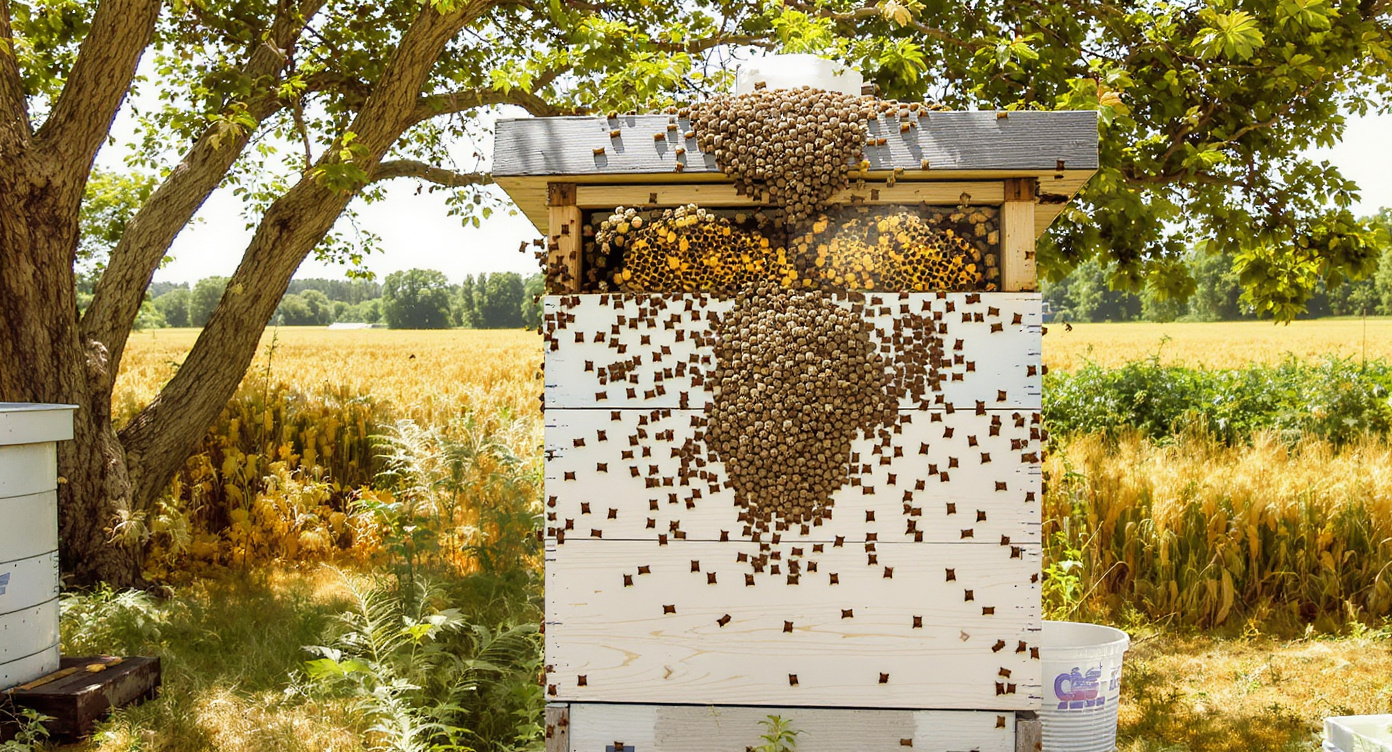
A new study has shown that extreme heat can disrupt the temperature regulation in beehives and reduce the size of bee colonies, posing a threat to pollination and agriculture. Scientists recommend measures to reduce heat stress and help maintain stable bee populations.
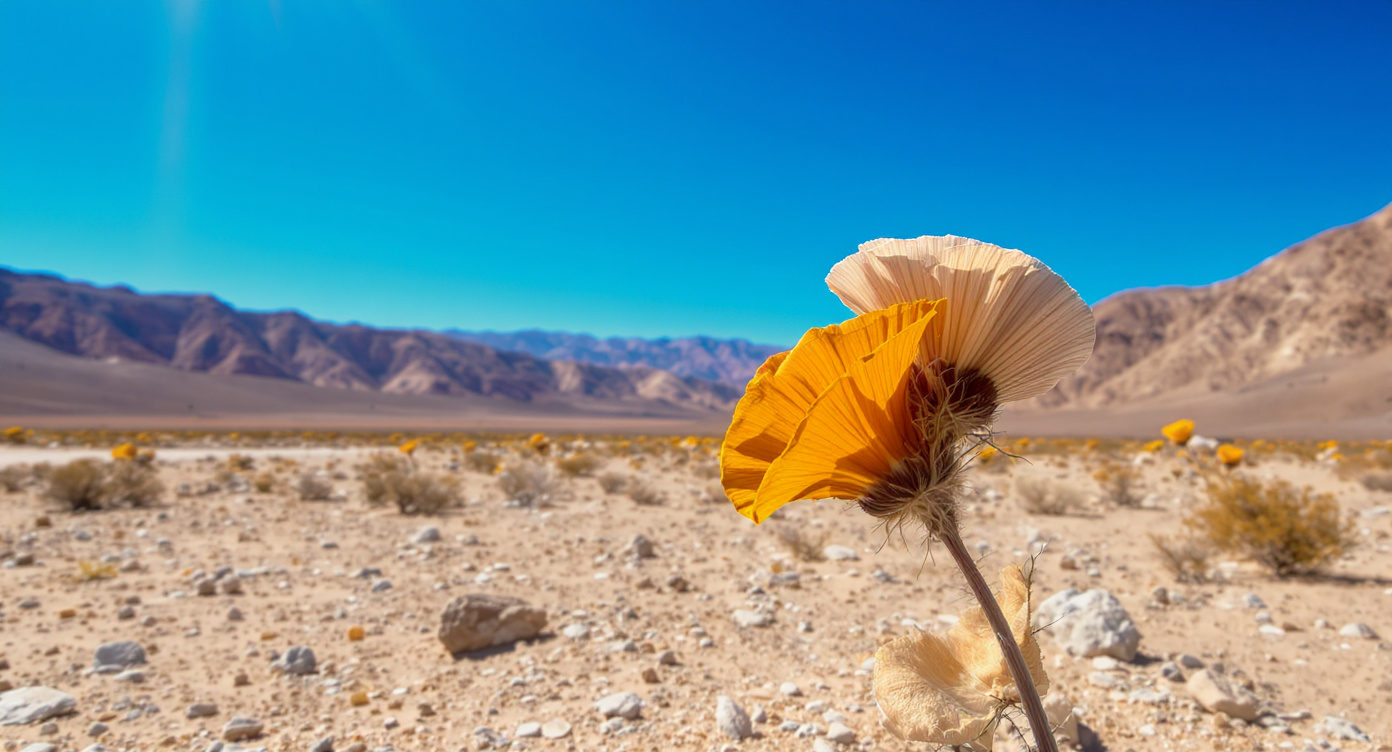
The plant Tidestromia oblongifolia can actively grow even in extreme heat thanks to its unique adaptation mechanisms. Studying its resilience may help develop new agricultural crops for the future in the context of global warming.
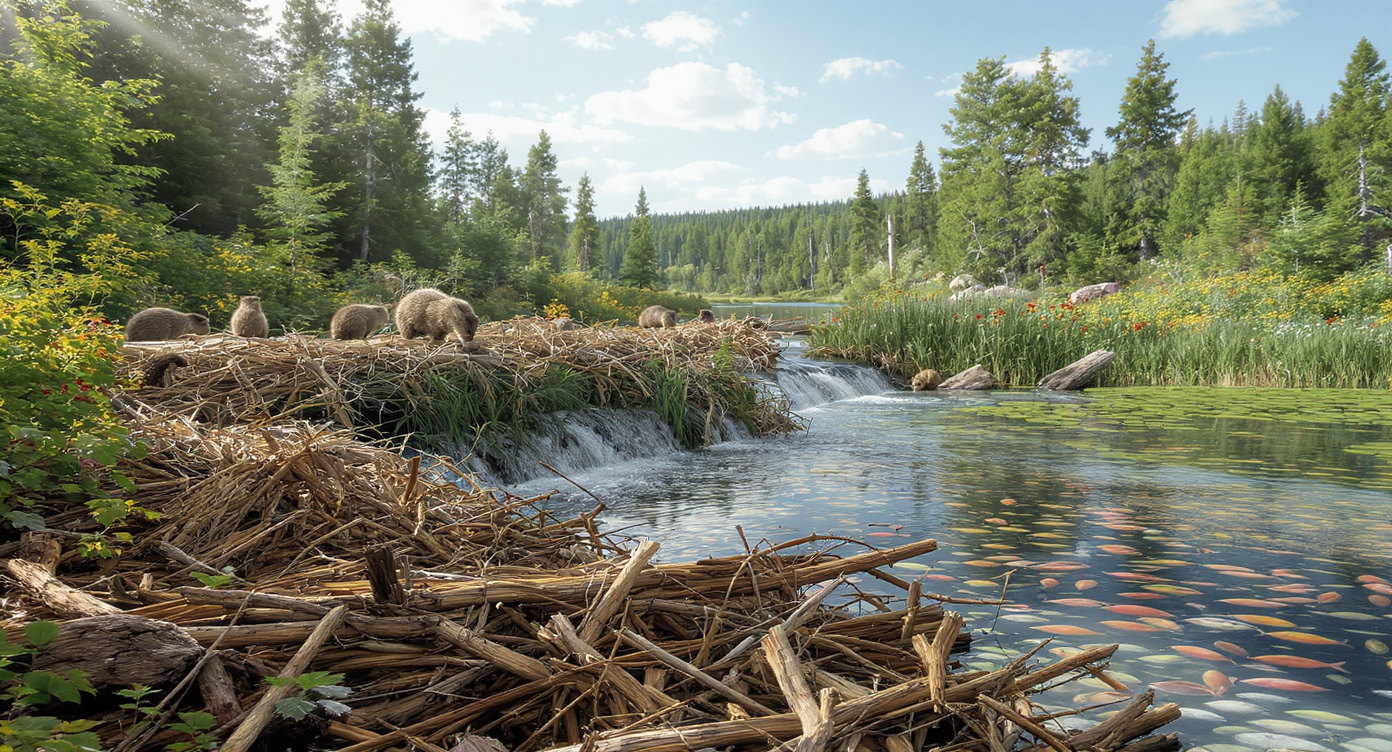
Beavers play a crucial role in restoring ecosystems by helping to conserve water, lower temperatures, and prevent wildfires. Their engineering solutions inspire people to create similar structures that support biodiversity.
Scientists are discussing the reasons behind the disappearance of the Flores people. Possible factors include climate change, a decline in prey populations, competition with predators, and the arrival of Homo sapiens. A definitive answer has yet to be found.


 Natura