Geneticists have discovered traces of two ancient species in the DNA of modern humans—species that existed before the emergence of Homo sapiens. These findings broaden our understanding of the complex history of interbreeding between human ancestors and other hominids.
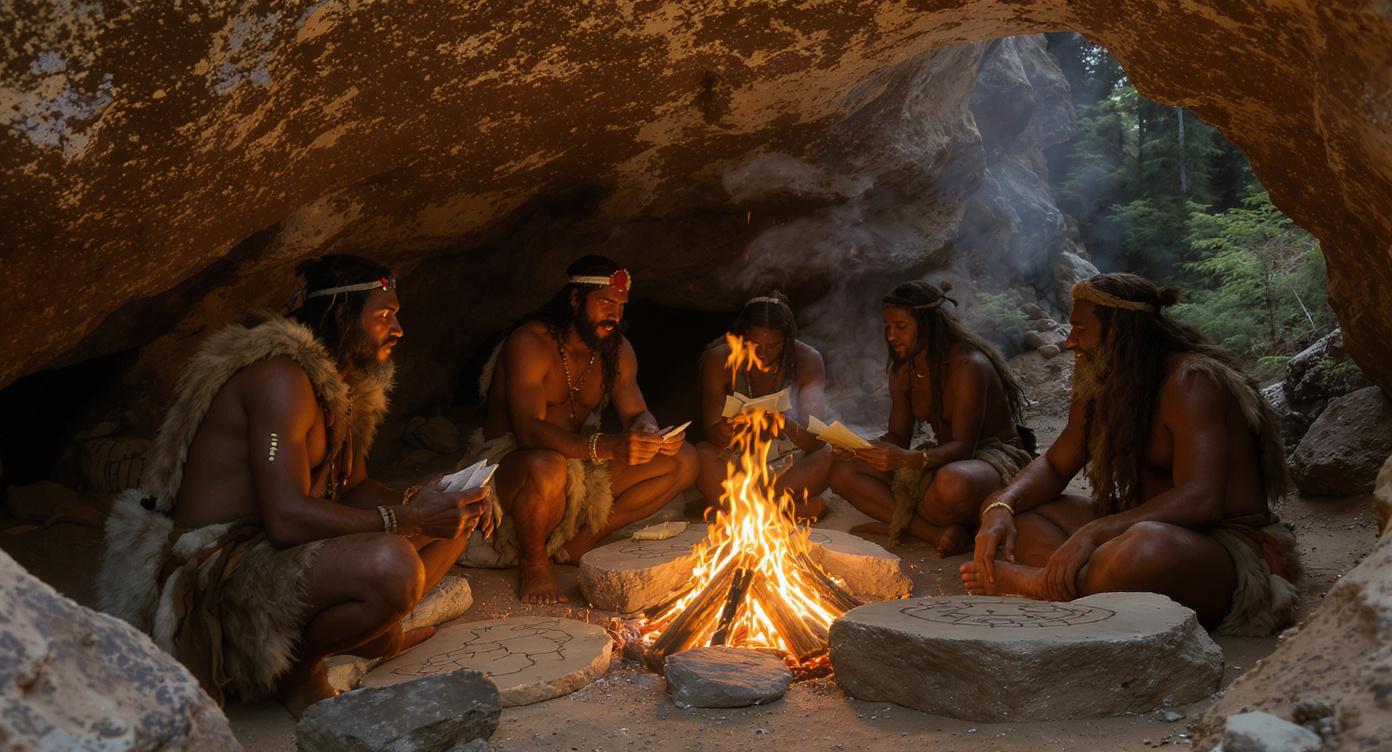
A new study shows that the disappearance of Neanderthals and the success of Homo sapiens in Europe were influenced not only by climate or competition, but by a complex combination of factors, including social connections. Interconnected populations and well-developed networks of interaction helped people share resources and overcome crises, which played a crucial role in their survival.
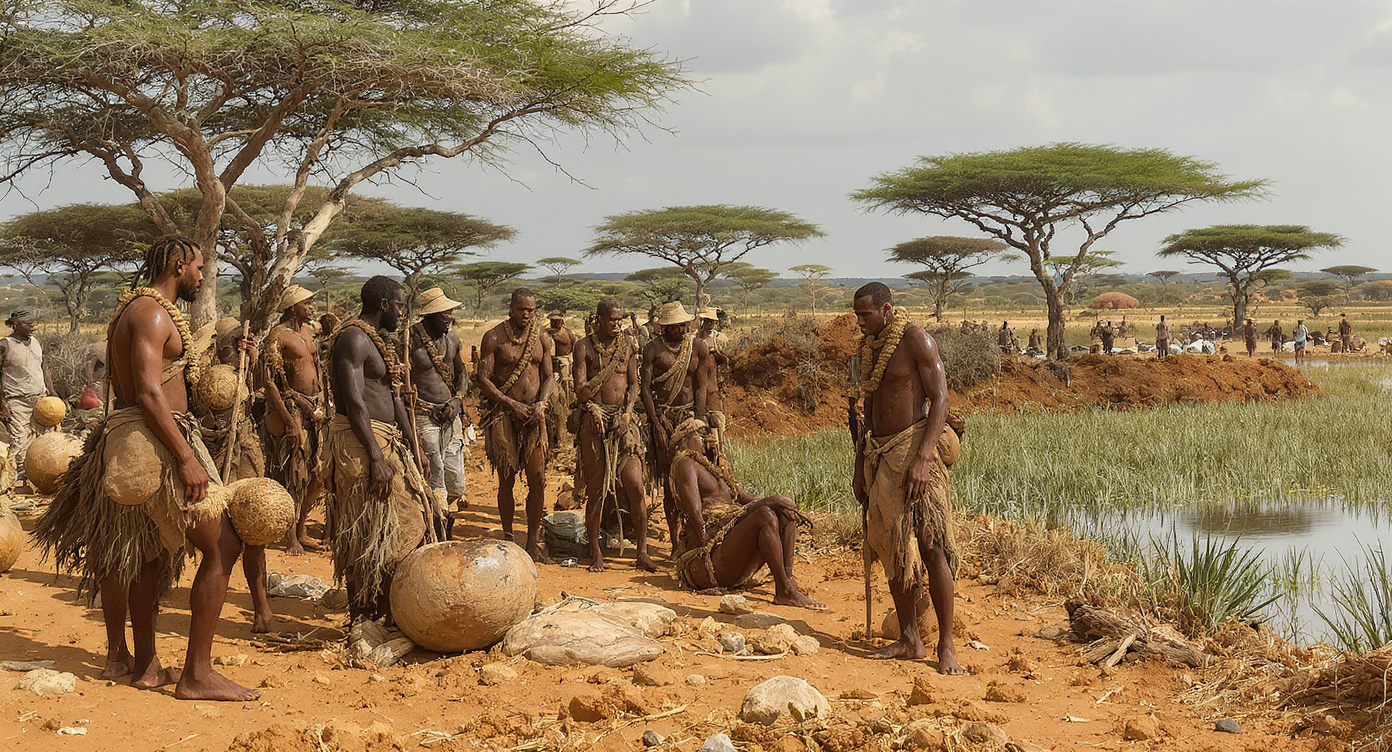
A new study shows that the risk of malaria infection significantly influenced the settlement patterns of ancient humans in Africa, alongside climate factors. Malaria shaped the demographic structure of populations, dividing groups and determining their choice of habitats.
Scientists are discussing the reasons behind the disappearance of the Flores people. Possible factors include climate change, a decline in prey populations, competition with predators, and the arrival of Homo sapiens. A definitive answer has yet to be found.
A new study suggests that the disappearance of Neanderthals may have been the result of gradual assimilation with Homo sapiens, rather than wars or catastrophes. Even infrequent but regular contact led to the near-complete absorption of Neanderthals into the population of modern humans.


 Cursus