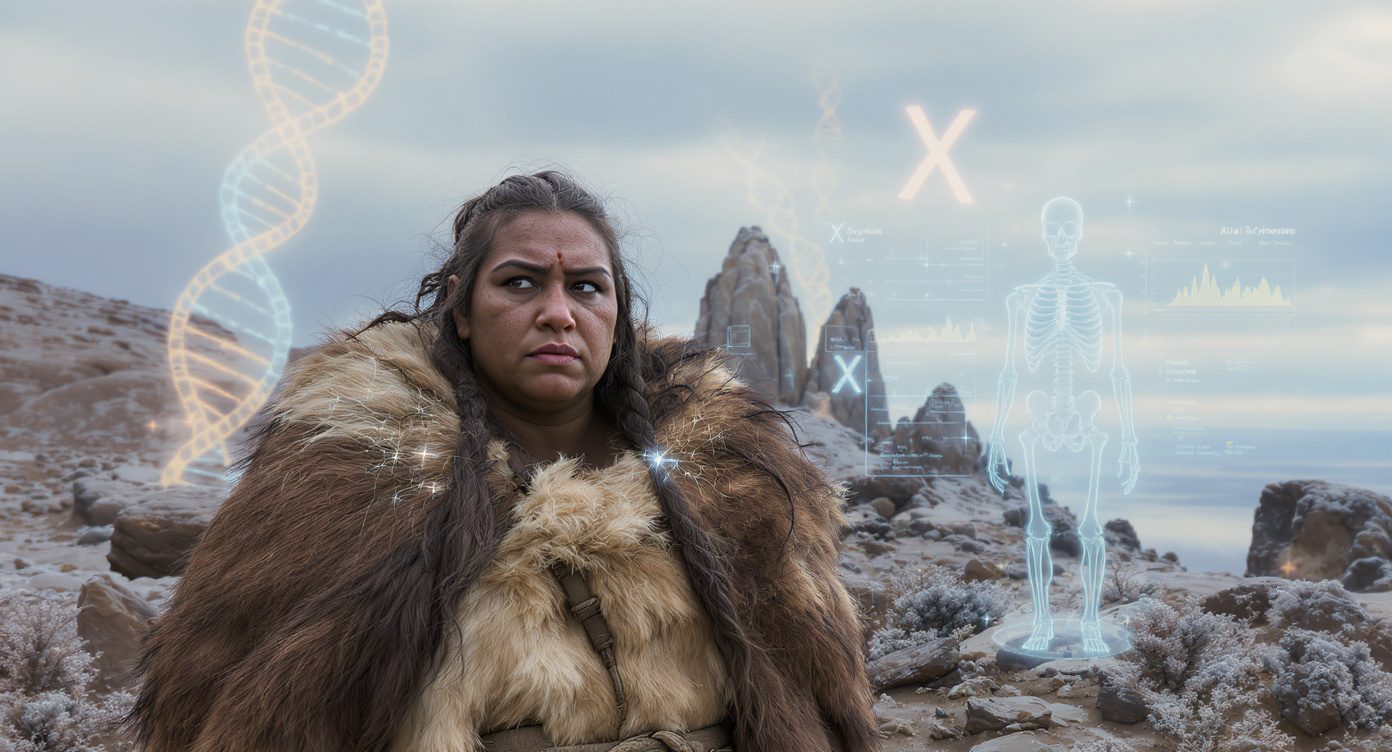
Geneticists have discovered traces of two ancient species in the DNA of modern humans—species that existed before the emergence of Homo sapiens. These findings broaden our understanding of the complex history of interbreeding between human ancestors and other hominids.
American geneticists have discovered that the absence of Neanderthal genes on the X chromosome in modern humans is not due to biological incompatibility, but rather to the mating preferences of ancient people. The study showed that Neanderthal men more often formed unions with Homo sapiens women, while hybrid men rarely left descendants, which influenced the genetic makeup of future generations.
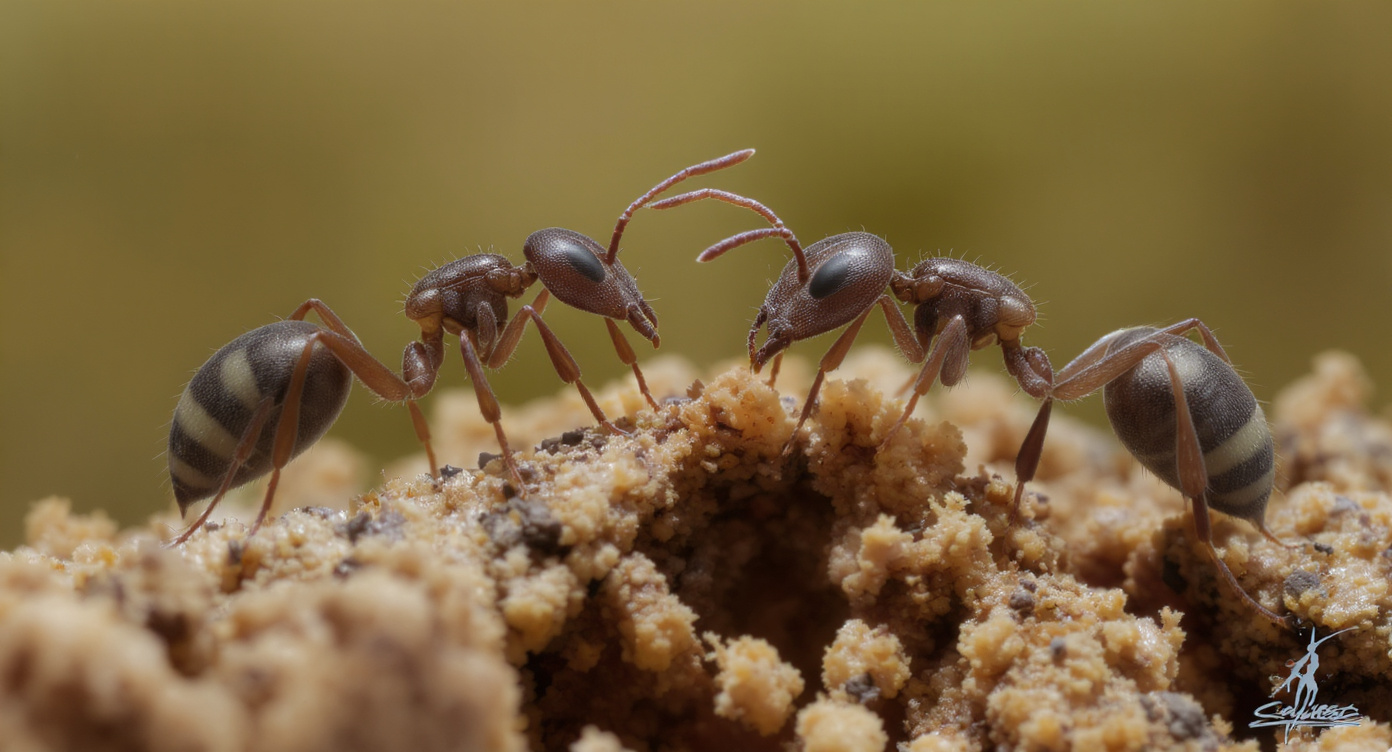
Iberian harvester ants have been found to possess a unique method of reproduction: queens are able to produce clones of males from another species, ensuring the survival of their colony. This unusual symbiosis reveals new aspects of insect evolution.

 Cursus