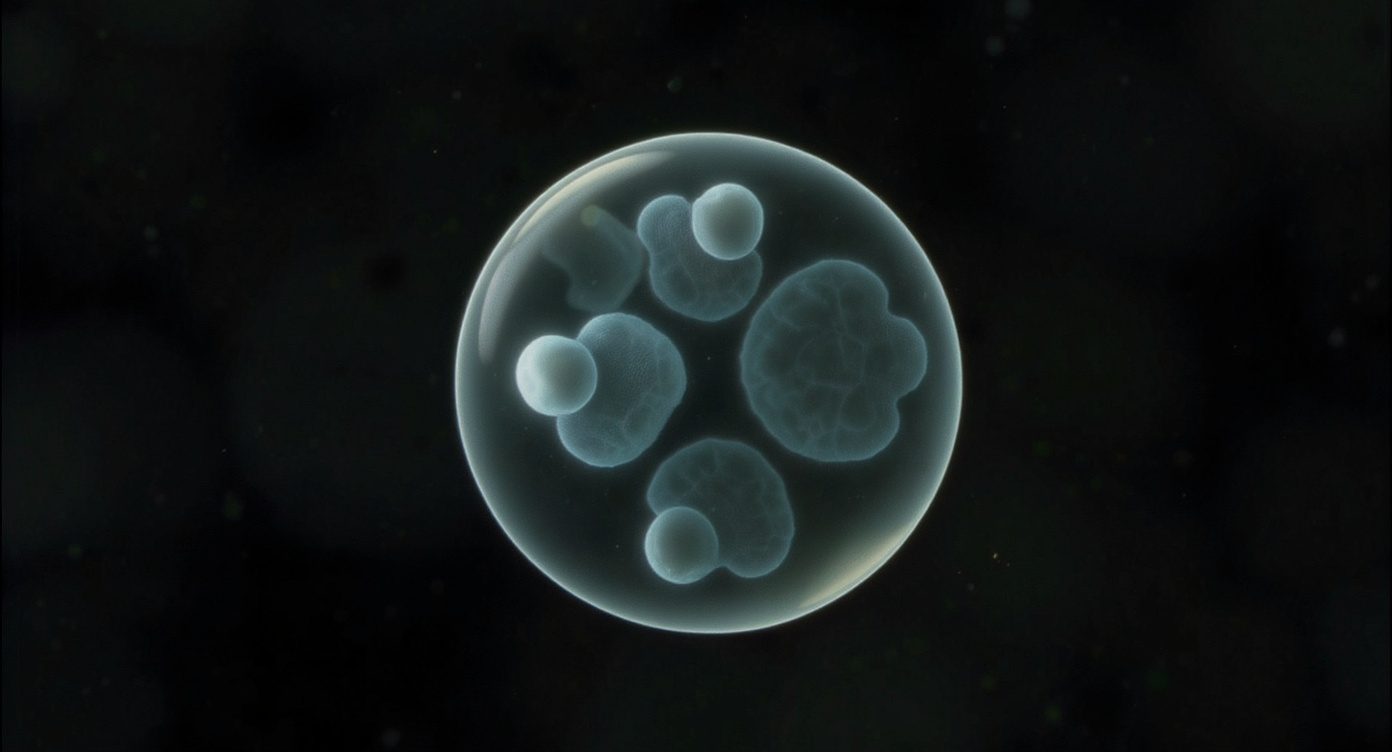
A new study has, for the first time, described the composition of microRNA in dolphin milk and revealed similarities between these molecules and the microRNA found in terrestrial mammals. This discovery will help deepen our understanding of the role milk plays in the development of offspring across different species.
Geneticists have discovered traces of two ancient species in the DNA of modern humans—species that existed before the emergence of Homo sapiens. These findings broaden our understanding of the complex history of interbreeding between human ancestors and other hominids.
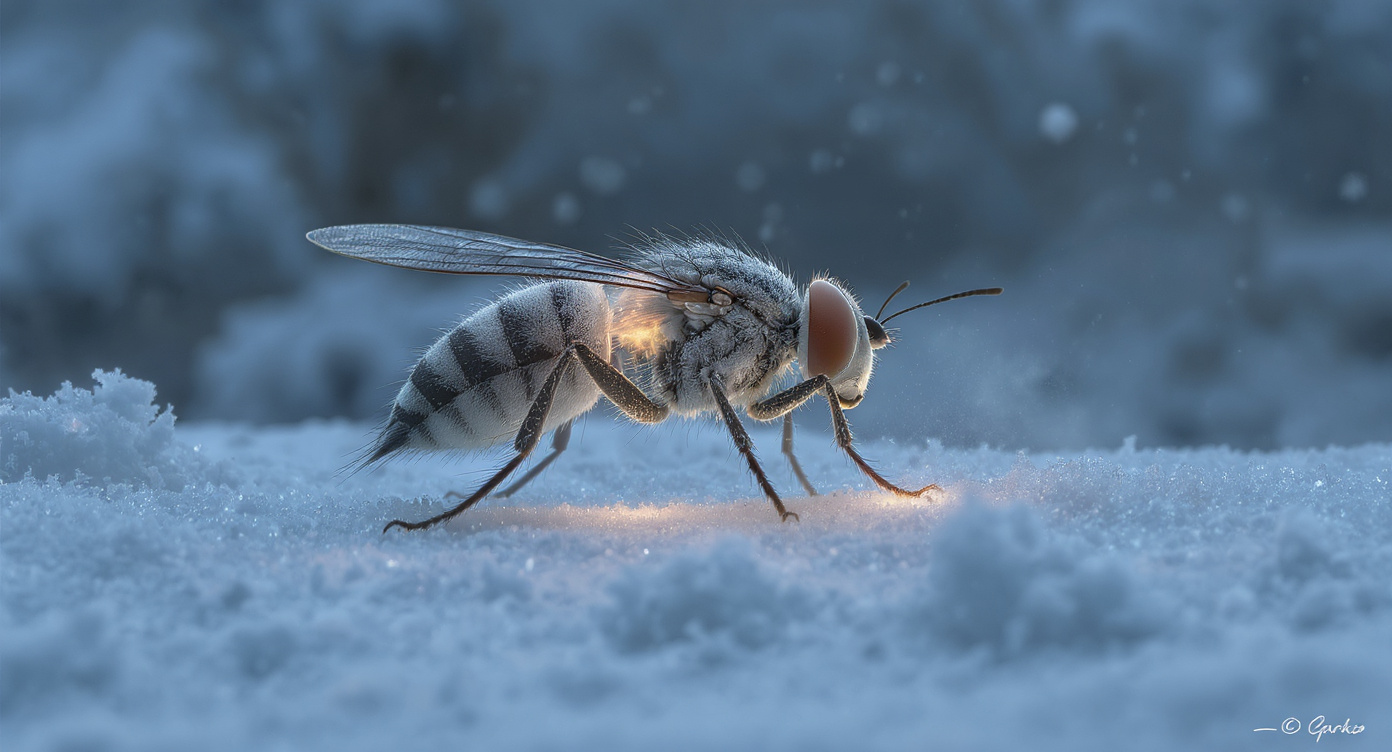
Scientists have decoded the genome of the snow fly Chionea alexandriana and discovered how this insect remains active at subzero temperatures. The fly combines internal heating, the production of antifreeze proteins, and reduced sensitivity to oxidative stress, which allows it to survive and move across snow even at –7°C.
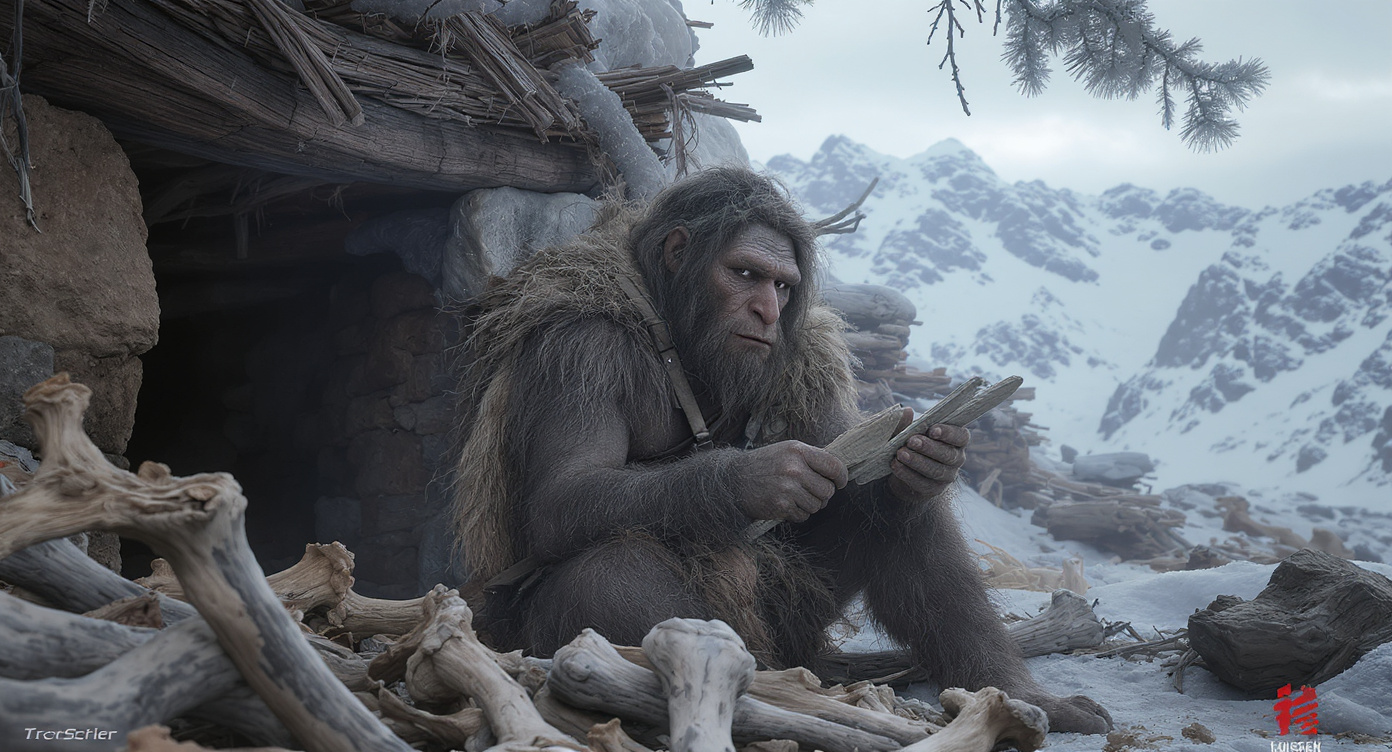
Genetic analysis of the Neanderthal from Denisova Cave revealed that Siberian populations lived in small, isolated groups, which accelerated the accumulation of mutations. The study also found evidence of gene exchange with Denisovans and significant differences between eastern and western Neanderthals.
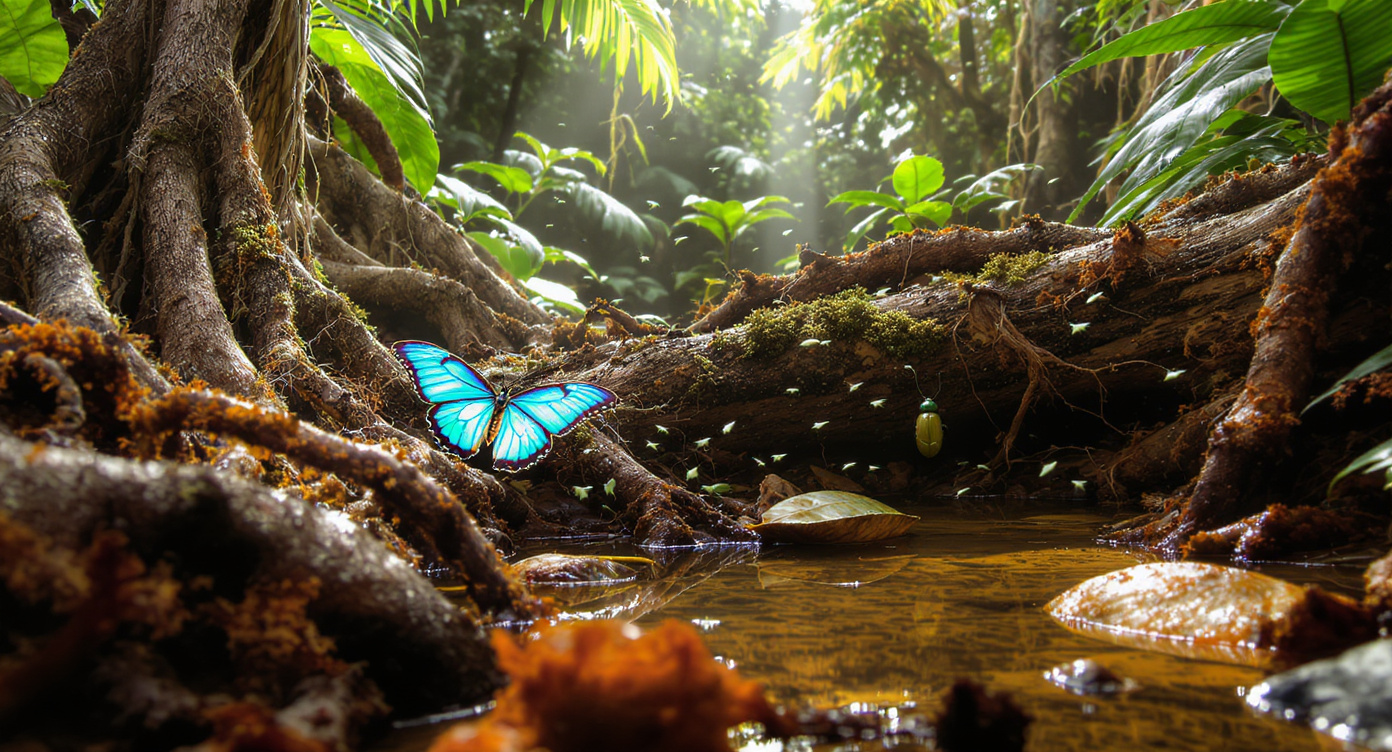
A new study has shown that tropical insects have a limited ability to adapt to rising temperatures caused by climate change. This could threaten up to half of the species in regions such as the Amazon and impact entire ecosystems.
Scientists have decoded the genome of a bacterium found in an ice cave that is 5,000 years old and discovered that it is resistant to eight classes of modern antibiotics. This finding confirms that mechanisms of drug resistance were developing in nature long before the advent of medicine.
An international team of geneticists has discovered that Sudanese Copts developed genetic resistance to malaria in just 1,000 years thanks to intermixing with local tribes. The study demonstrates how quickly natural selection can alter the genome of an entire population.
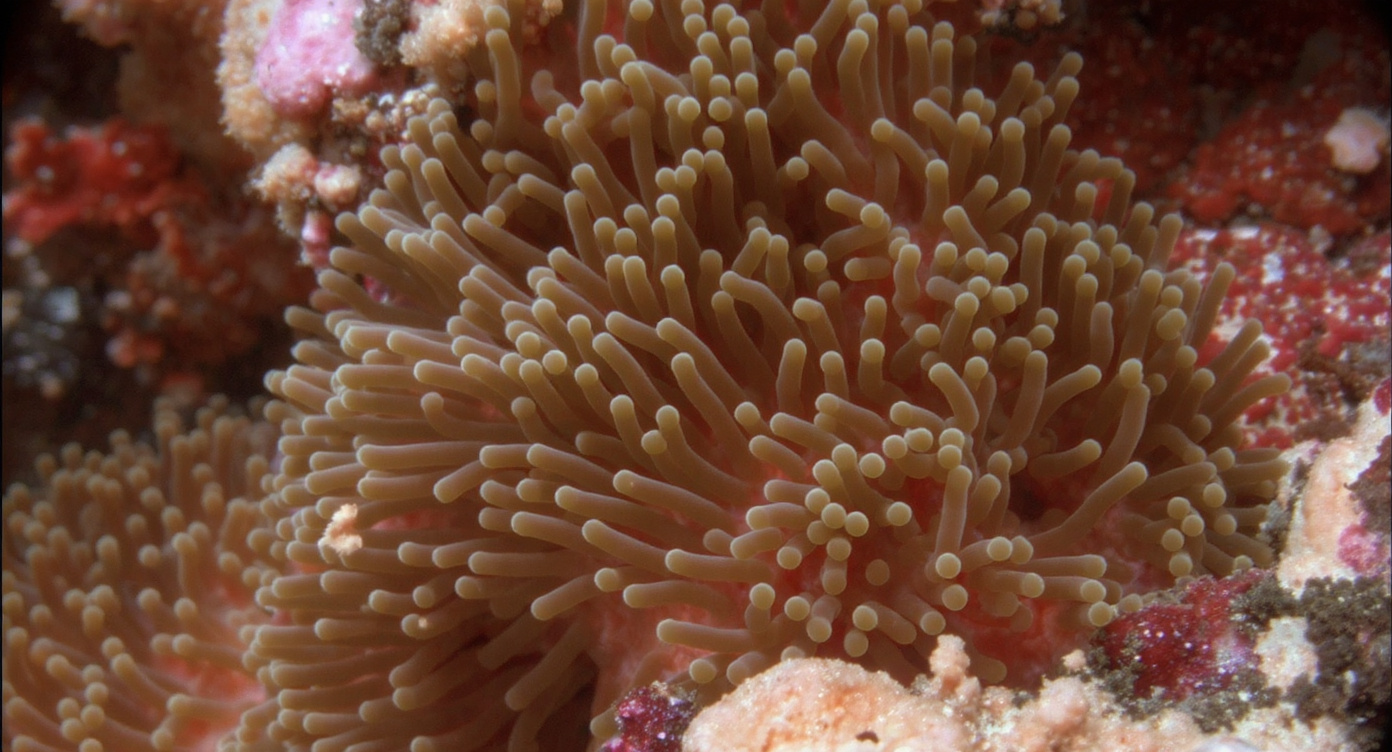
A new study has revealed that the sea anemone possesses a complex system of genetic regulation, comparable to that found in insects and mammals. This challenges the previous belief that its genetic mechanisms are primitive.
Scientists have discovered that the genetic mechanism originally responsible for the development of the cloaca was repurposed by evolution to form fingers in terrestrial animals. This finding changes our understanding of the origins of limbs.
Scientists have discovered previously unknown large fragments of extrachromosomal DNA, called Inocles, in the oral microbiome. These fragments may influence the health of teeth and gums. Their role and functions are yet to be fully understood.


 Cursus