A new study has shown that inherited genetics influence not only the risk of developing cancer, but also how tumors form. These findings highlight the importance of a personalized approach to diagnosis and treatment.
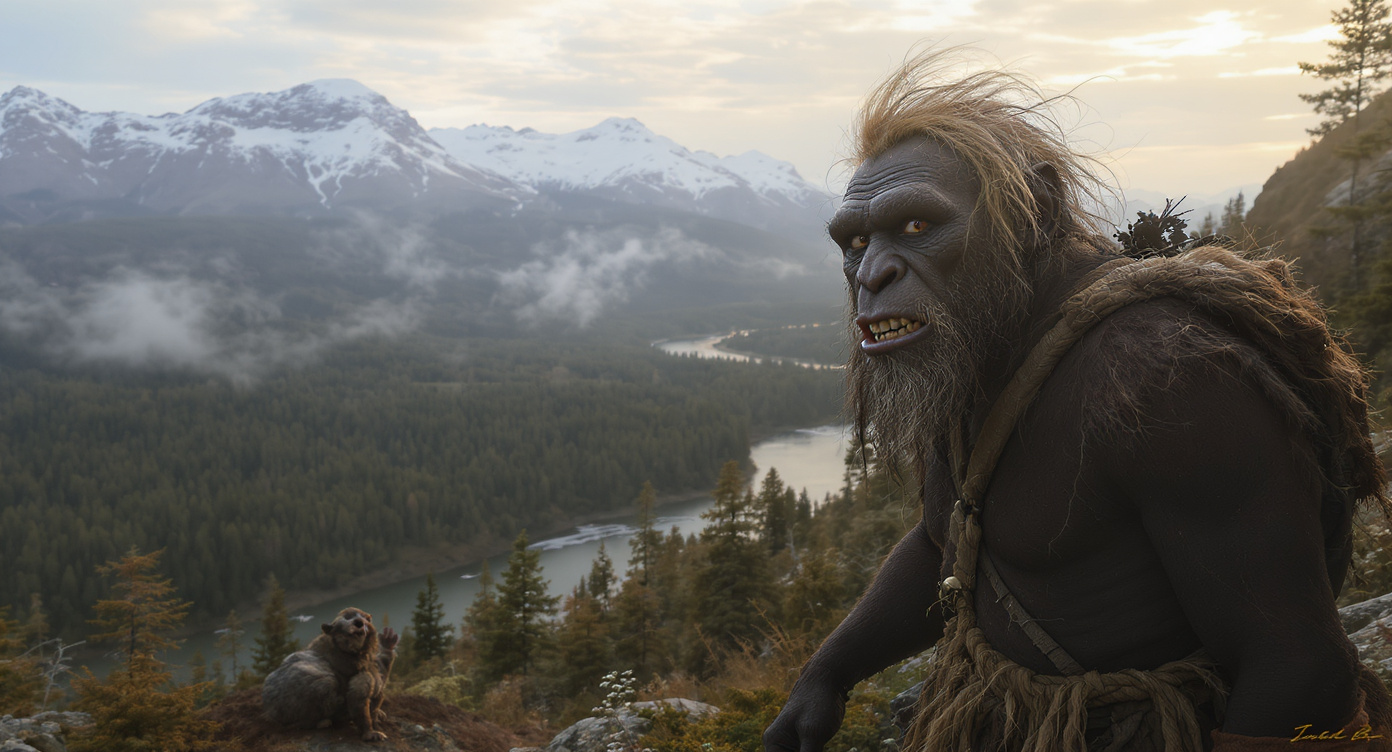
A new study of ancient Homo erectus teeth has revealed a genetic link between this species, Denisovans, and modern humans, shedding light on the evolution and interactions of ancient populations.
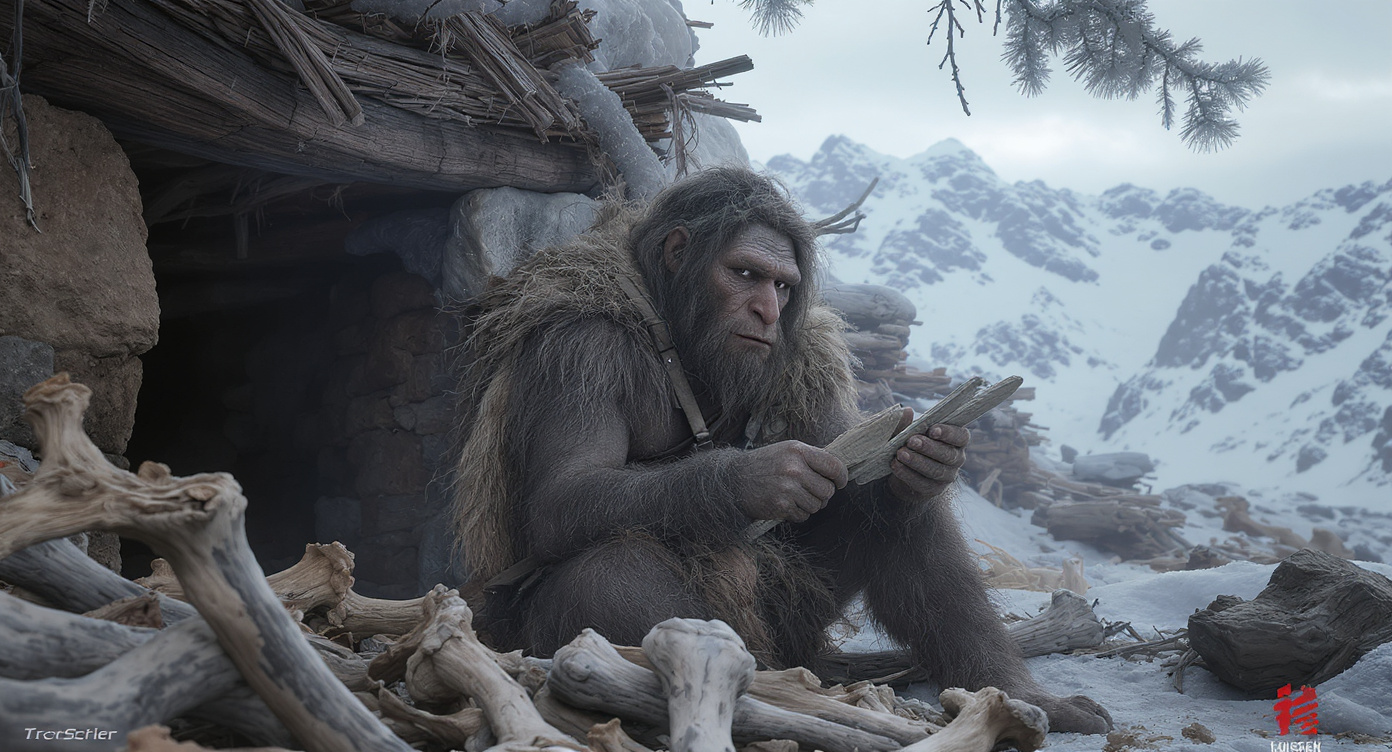
Genetic analysis of the Neanderthal from Denisova Cave revealed that Siberian populations lived in small, isolated groups, which accelerated the accumulation of mutations. The study also found evidence of gene exchange with Denisovans and significant differences between eastern and western Neanderthals.
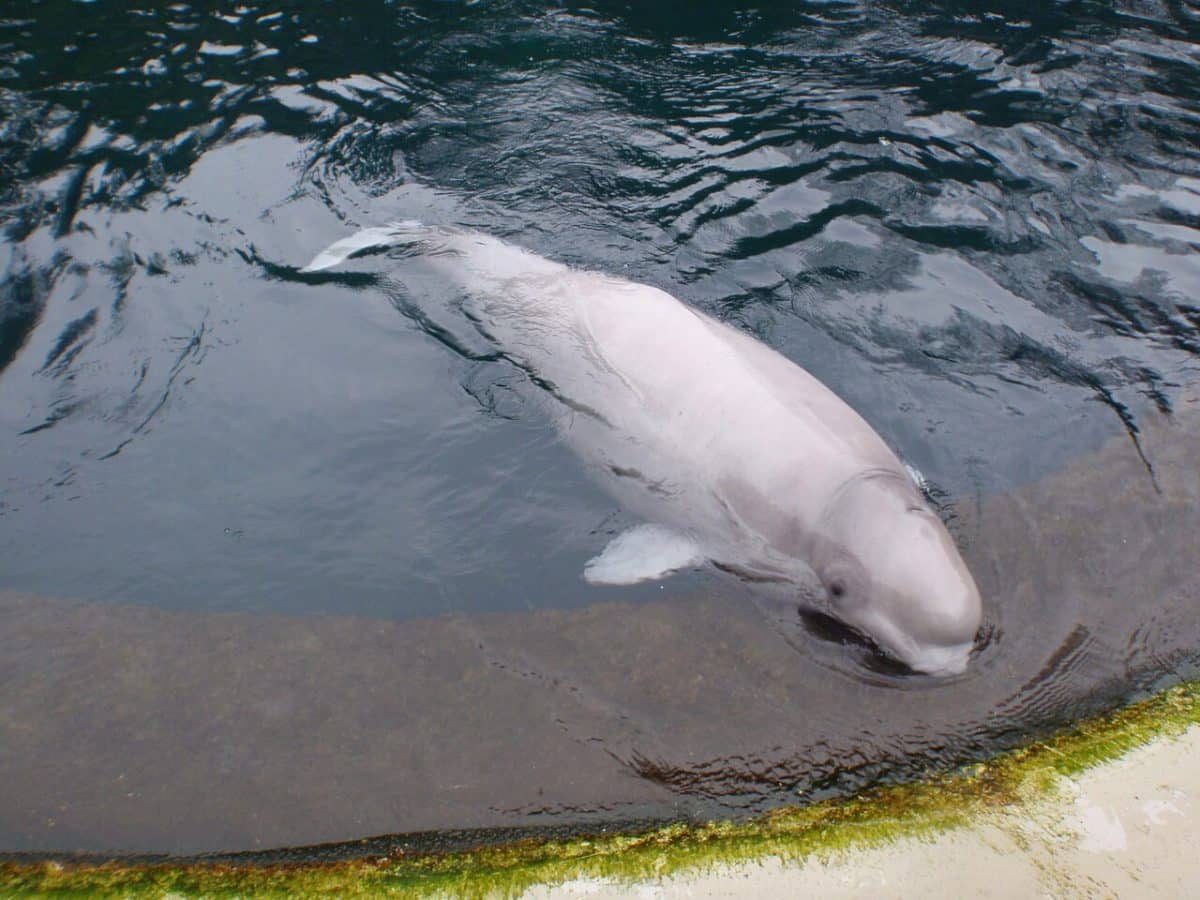
American scientists have discovered that partner switching among beluga whales helps small populations maintain genetic diversity and reduces the risks of inbreeding, thereby supporting the long-term survival of the species.
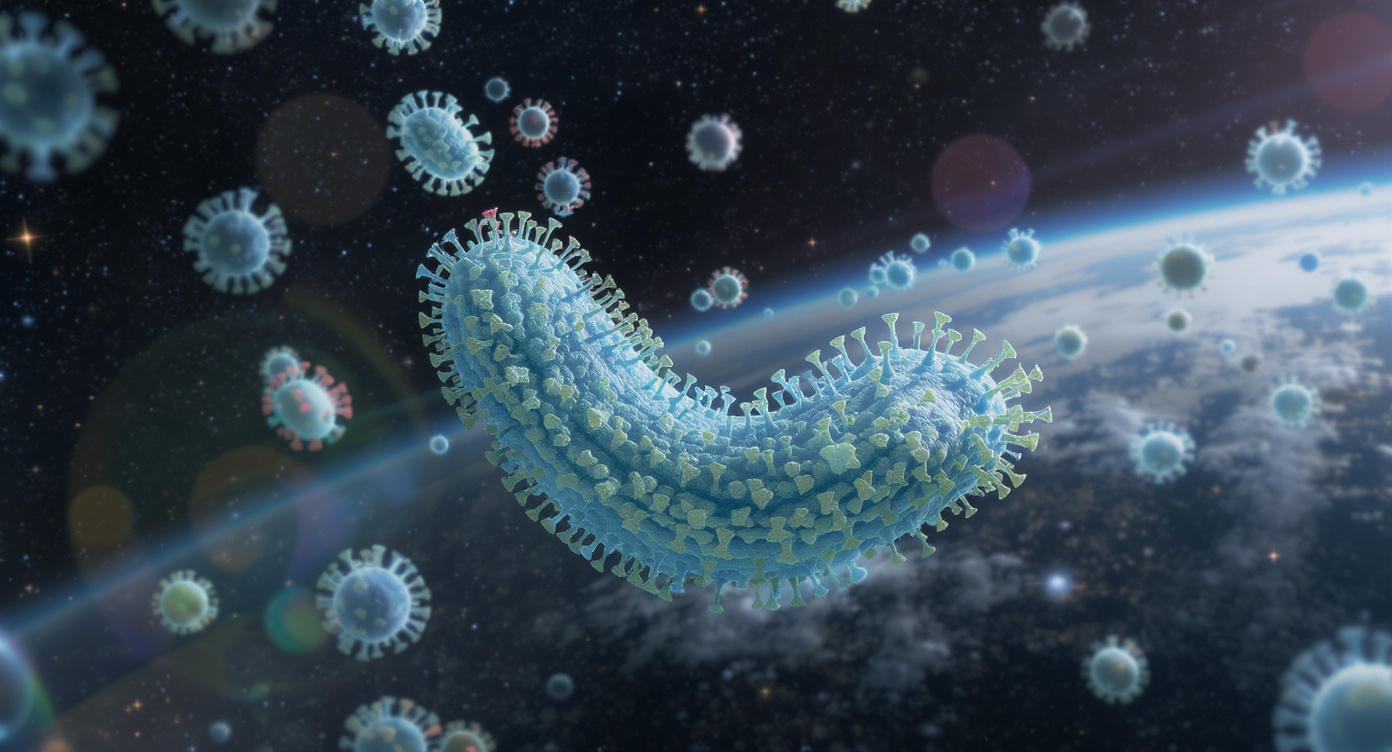
American scientists have discovered that the microgravity conditions on the ISS help bacteriophage viruses acquire mutations that allow them to effectively destroy bacteria resistant to antibiotics. These experiments open up new possibilities for developing drugs against superbugs.

 Cursus