American researchers have developed a capsule inspired by origami that gradually releases medication over several days. This technology could improve the effectiveness of treatment and make it easier for patients with chronic illnesses to take their medications.
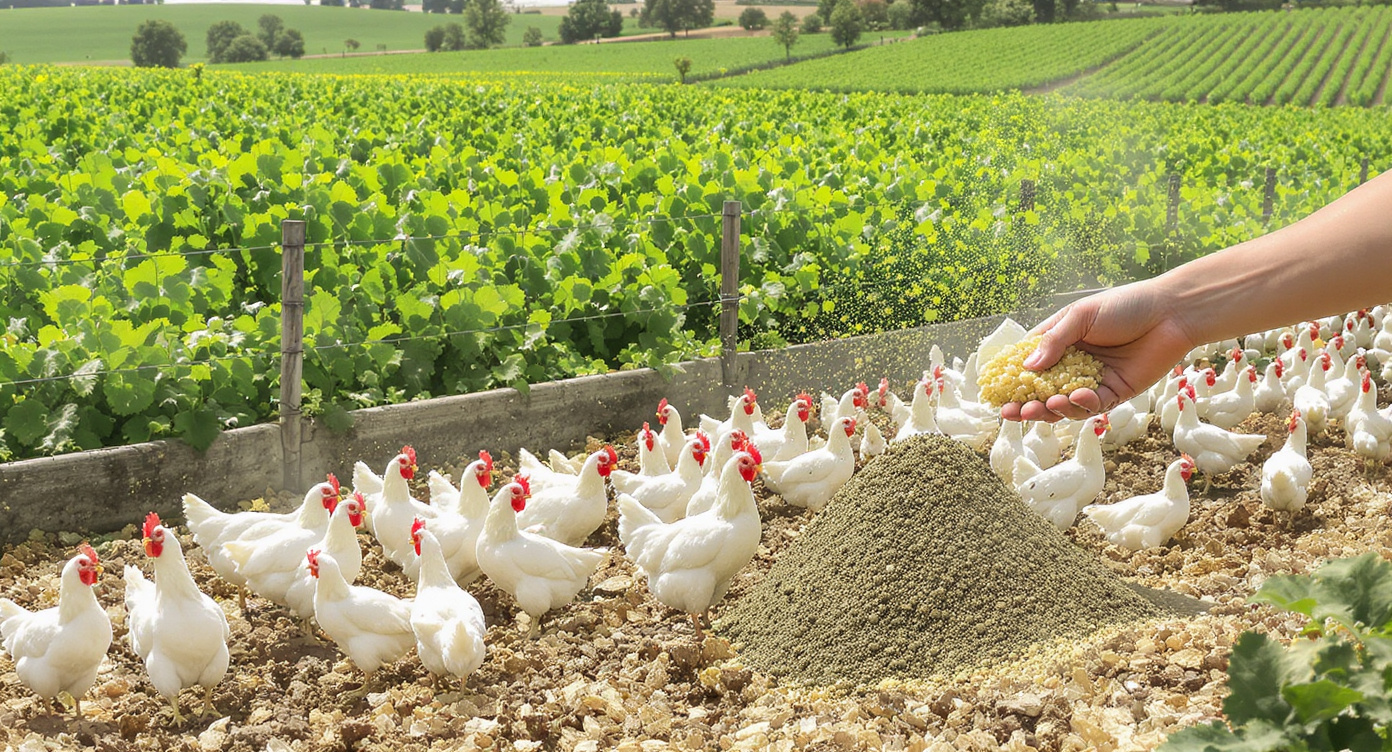
Grape pomace can serve as an effective and environmentally friendly alternative to antibiotics in poultry farming, promoting bird growth and health without the risk of developing antibiotic-resistant bacteria. Research shows that adding grape pomace improves the microbiome, reduces inflammation, and enhances product quality.
Scientists have decoded the genome of a bacterium found in an ice cave that is 5,000 years old and discovered that it is resistant to eight classes of modern antibiotics. This finding confirms that mechanisms of drug resistance were developing in nature long before the advent of medicine.
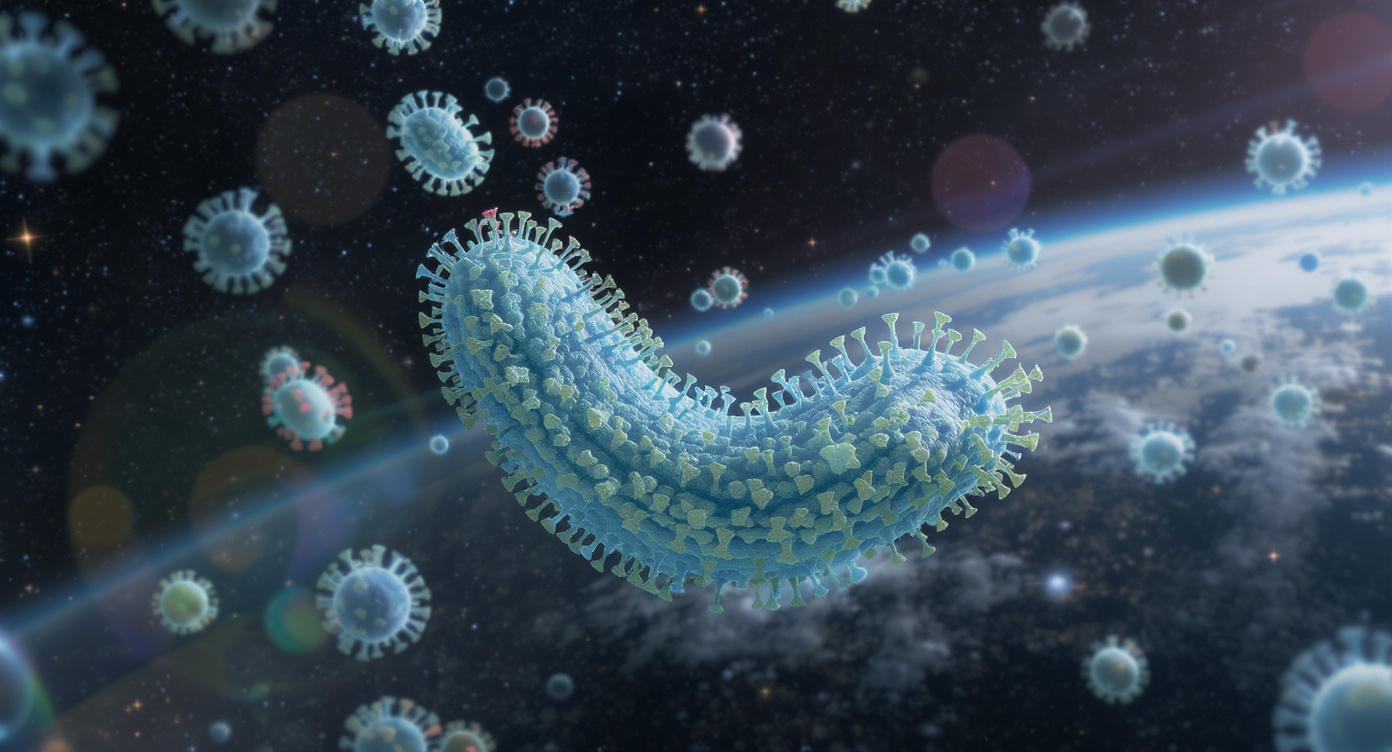
American scientists have discovered that the microgravity conditions on the ISS help bacteriophage viruses acquire mutations that allow them to effectively destroy bacteria resistant to antibiotics. These experiments open up new possibilities for developing drugs against superbugs.
Researchers have discovered that the veterinary antibiotic cephaloridine can stimulate gut bacteria to produce compounds that slow down aging in animals. This finding could change the approach to developing life-extending drugs that target the gut microbiome.
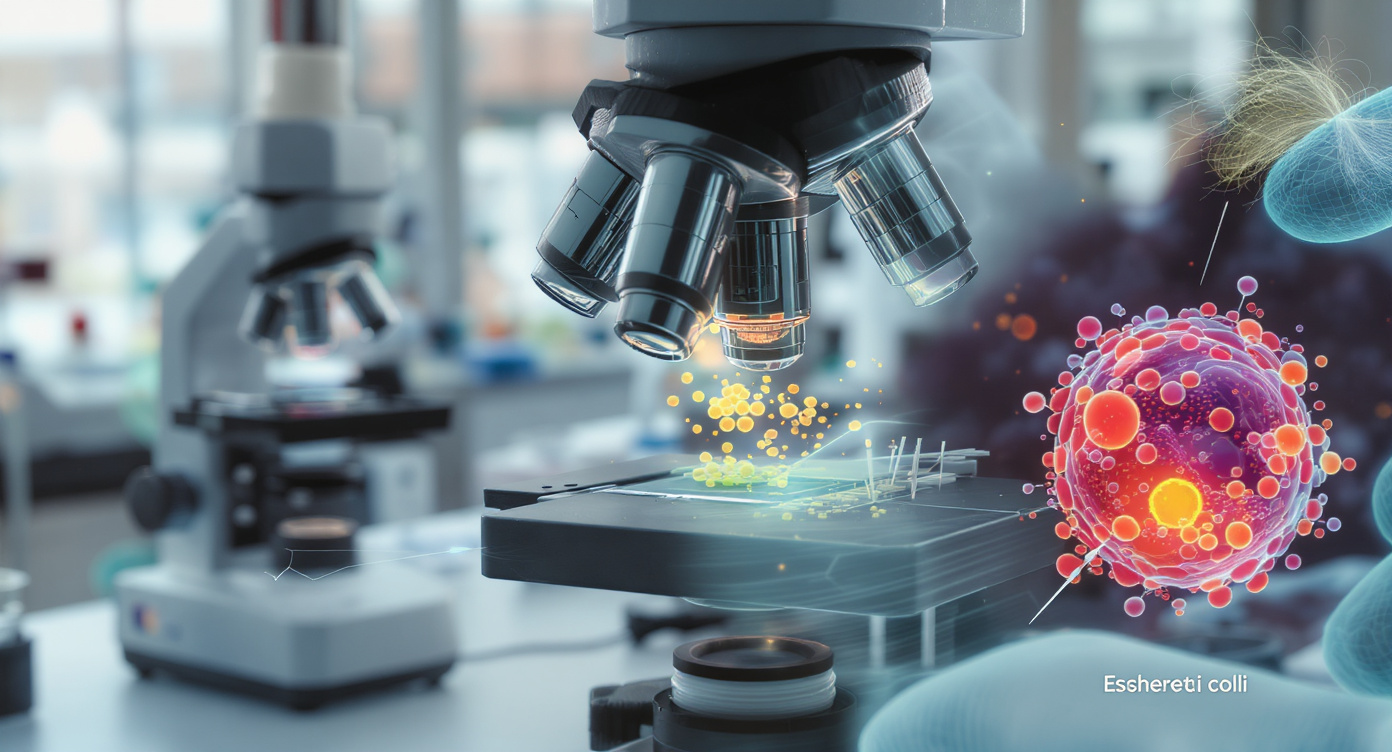
British scientists have, for the first time, provided a detailed look at how an antibiotic destroys the protective structures of bacteria using a specialized microscope. This discovery will aid in developing new ways to combat resistant infections.


 Salus
Salus