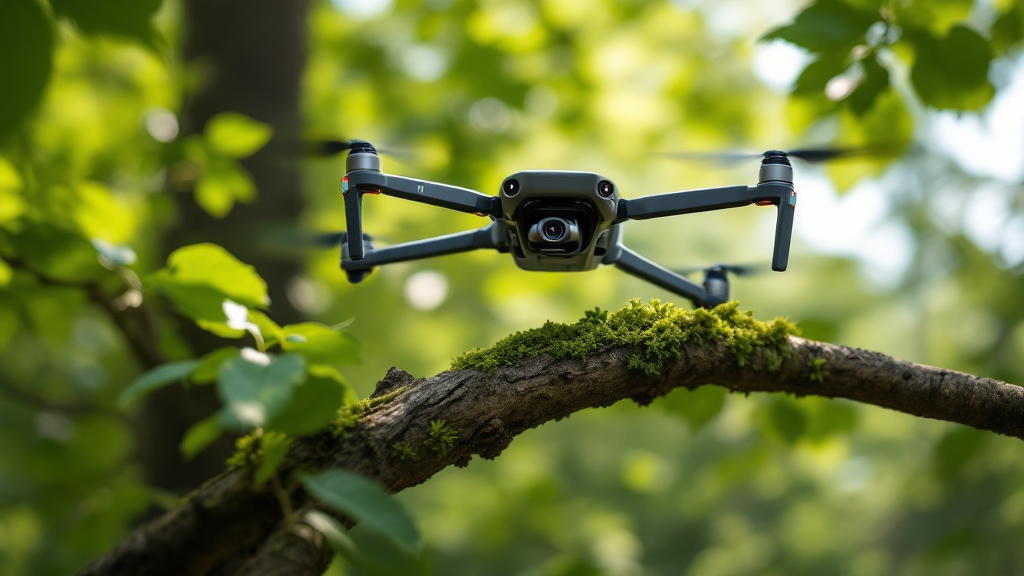
Researchers from Delft University of Technology have developed a drone equipped with tactile sensors that can safely land on tree branches even in low-visibility conditions. This new approach complements visual systems and opens up opportunities for observing nature without unnecessary noise or excessive energy consumption.
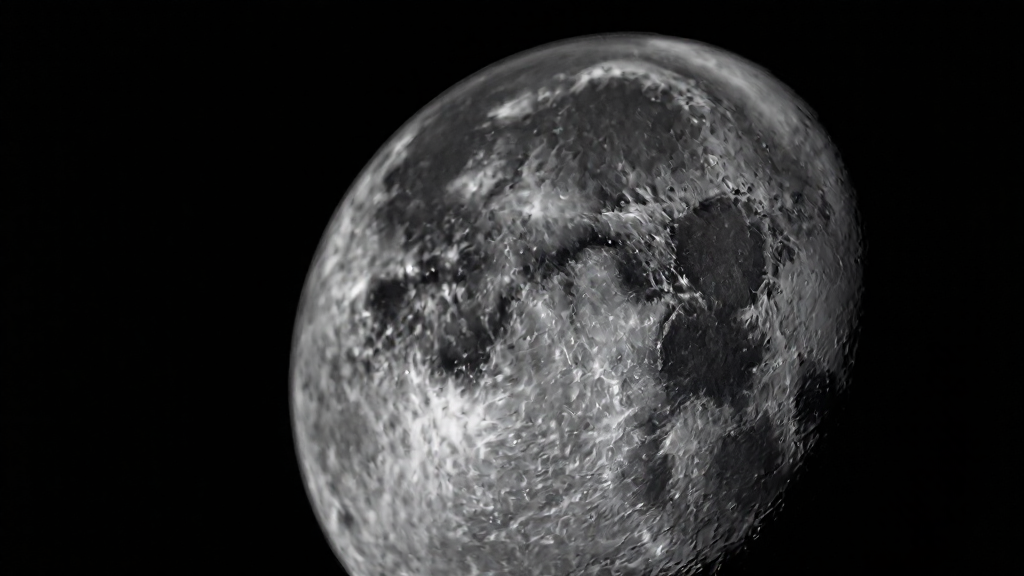
Astronomers have discovered a new large crater on the Moon, measuring 222 meters in diameter, which appeared in 2024. Studying this crater could provide valuable insights into collisions involving large objects and help in planning future lunar missions.
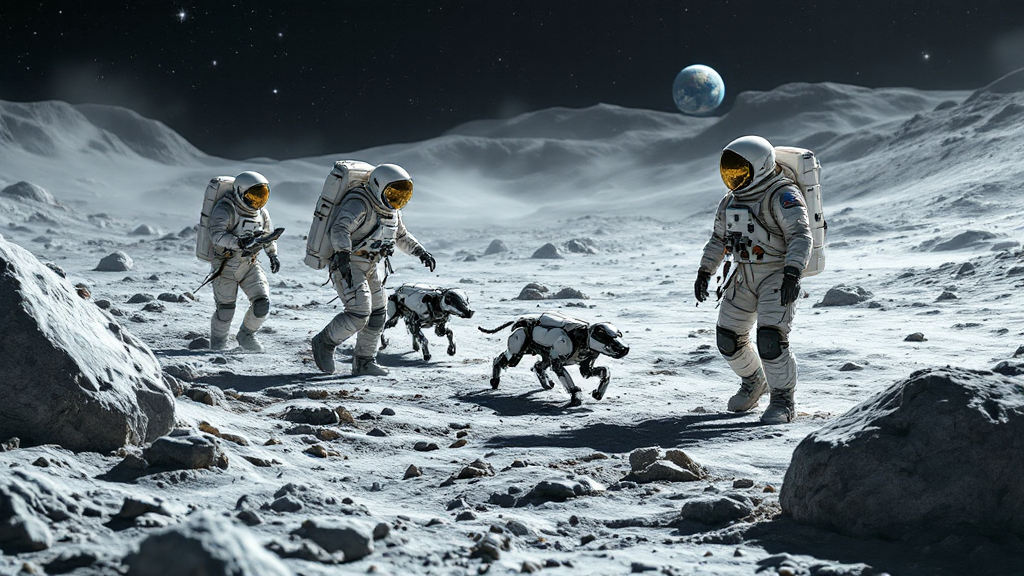
Chinese engineers propose using robot dogs at lunar bases to handle dangerous and routine tasks, as well as to provide emotional support for the crew. These machines could patrol the area, collect samples, maintain infrastructure, and help people cope with isolation.
The Arctic permafrost holds vast reserves of organic carbon, which can be released into the ocean as it thaws and influence the climate. Recent studies show that only a portion of this carbon turns into greenhouse gases, while most of it remains on the ocean floor. This finding is crucial for predicting future climate changes.
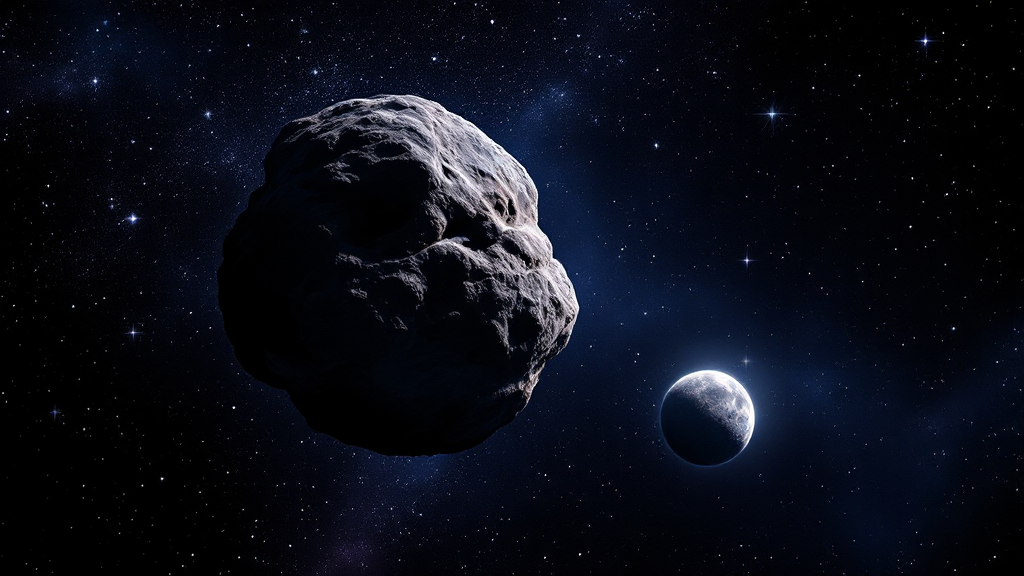
Astronomers have, for the first time, determined that asteroid 44 Nysa is composed of three distinct parts, making it unique among known asteroids. The origin of such a structure remains a mystery.
A pilot route of the innovative Monocab transport system has started operating on the university campus. The project aims to develop flexible railway infrastructure and test new technical solutions for future implementation on abandoned lines.
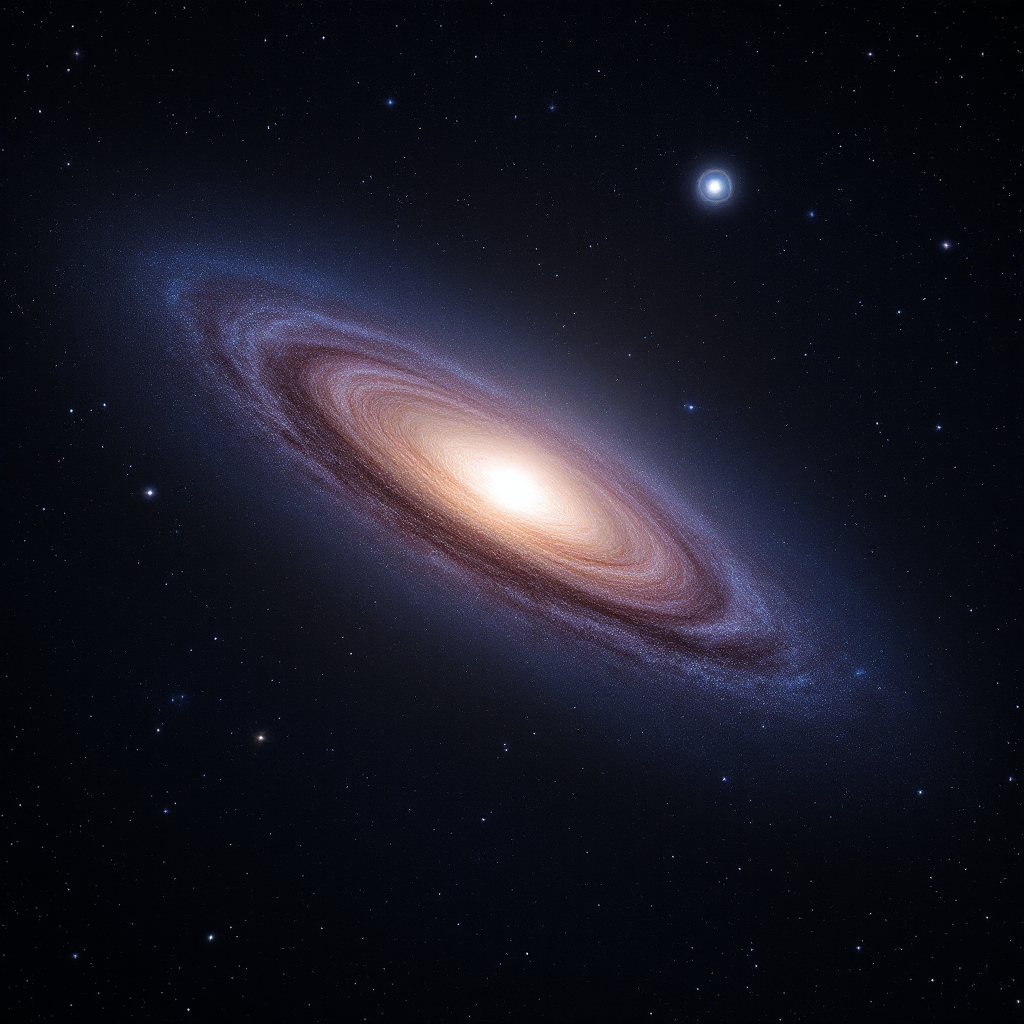
Astronomers have discovered a new pulsar, PSR J0125−5854, located about 3,200 light-years from Earth. This object rotates more slowly than previously known pulsars and may possibly be part of a binary system with a white dwarf.
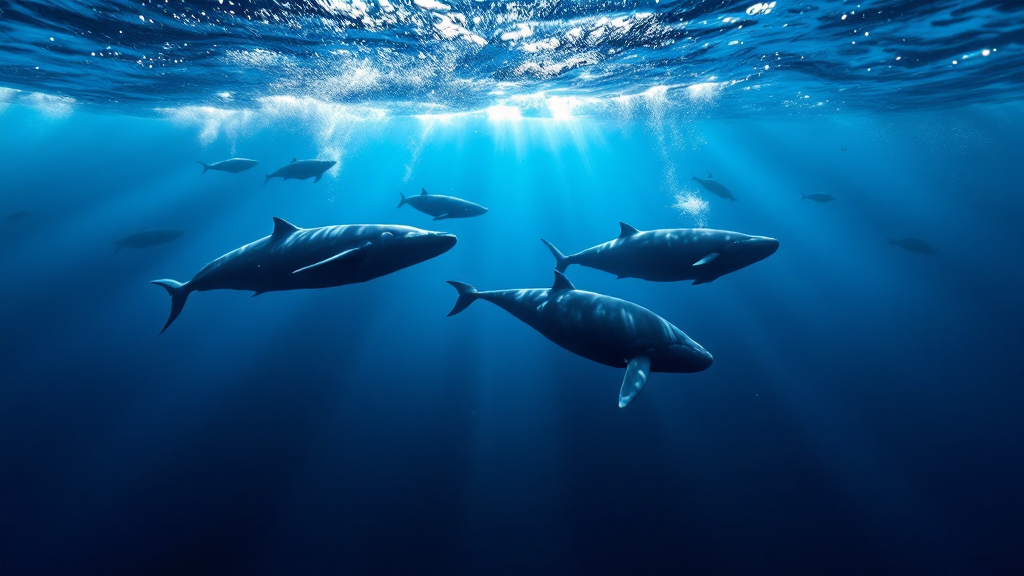
Scientists have discovered three previously unknown genotypes of Helicobacter bacteria in pygmy sperm whales, which may be linked to diseases of their gastrointestinal tract. This finding raises important questions about the impact of bacterial infections on the health of marine mammals and the overall state of ocean ecosystems.
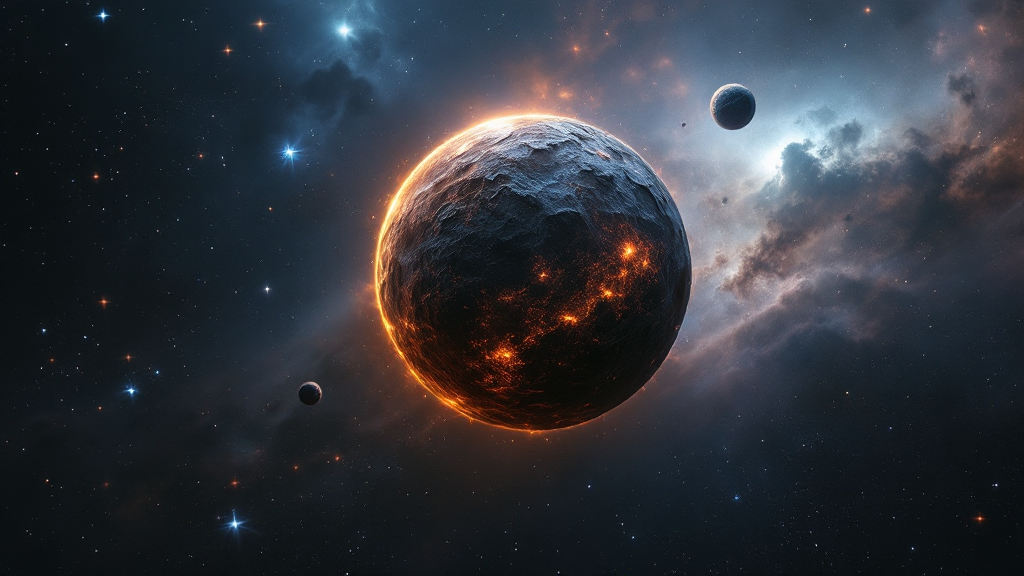
Астрономы впервые обнаружили атмосферу у экзопланеты, похожей на Землю и находящейся в обитаемой зоне. Планета LHS 1140 b может быть пригодна для жизни, но её состав и наличие океанов пока остаются неясными.
Astronomers have discovered a new pulsar, PSR J0125−5854, located about 3,200 light-years from Earth. This object rotates more slowly than previously known pulsars and may be part of a binary system with a white dwarf.
Researchers have developed a compact device that can reproduce various scents in virtual reality, enhancing the sense of presence and making the VR experience more realistic. Testing has shown that adding aromas significantly increases user immersion.
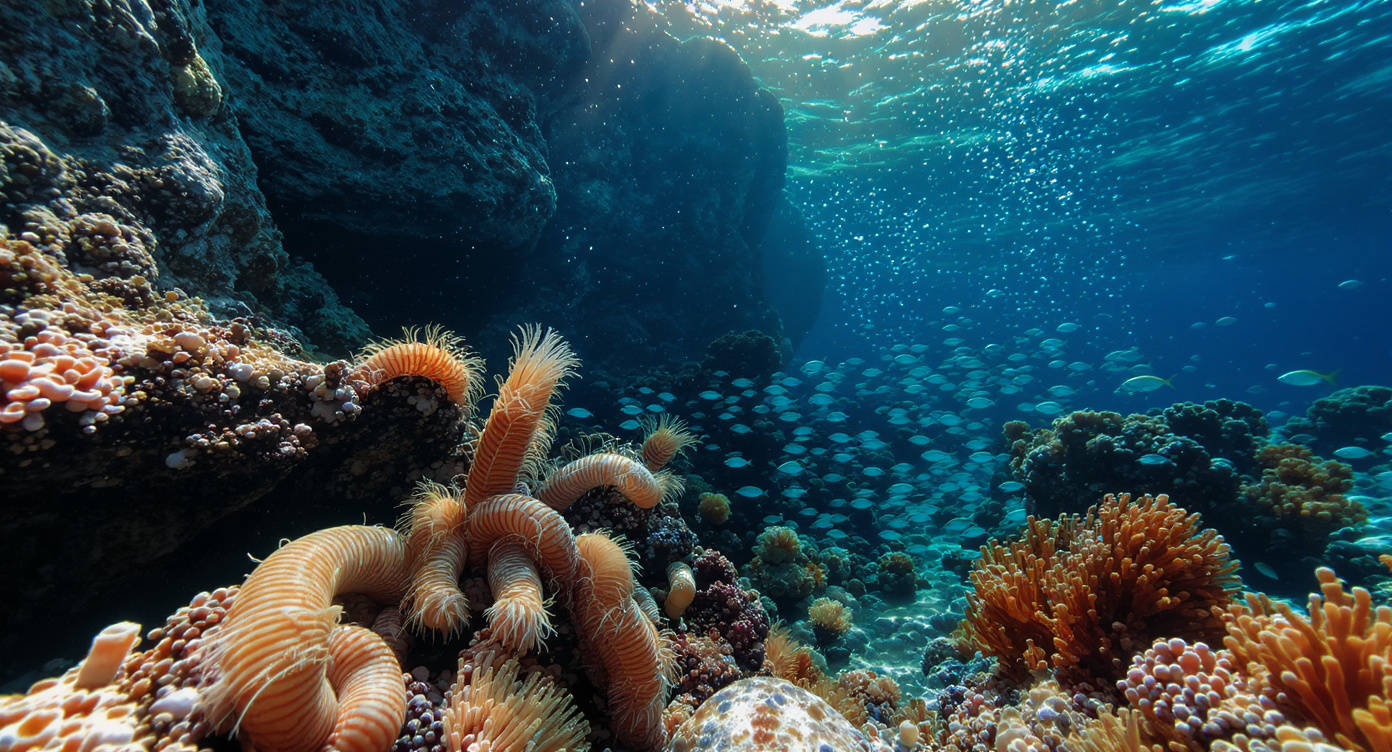
Research organizations are launching a large-scale project to study and catalog European marine annelids, aiming to accelerate the discovery of new species and deepen our understanding of biodiversity. The collected data will be made available to scientists worldwide for further research.
Astronomers have identified 45 rocky exoplanets located in habitable zones that may possess conditions suitable for life. This discovery will help refine the search for life in the universe and expand our understanding of the cosmos.
The Chinese Minister of Industry discussed with representatives of small and medium-sized businesses measures to accelerate innovation and develop key materials essential for technological independence and the country's economic growth.
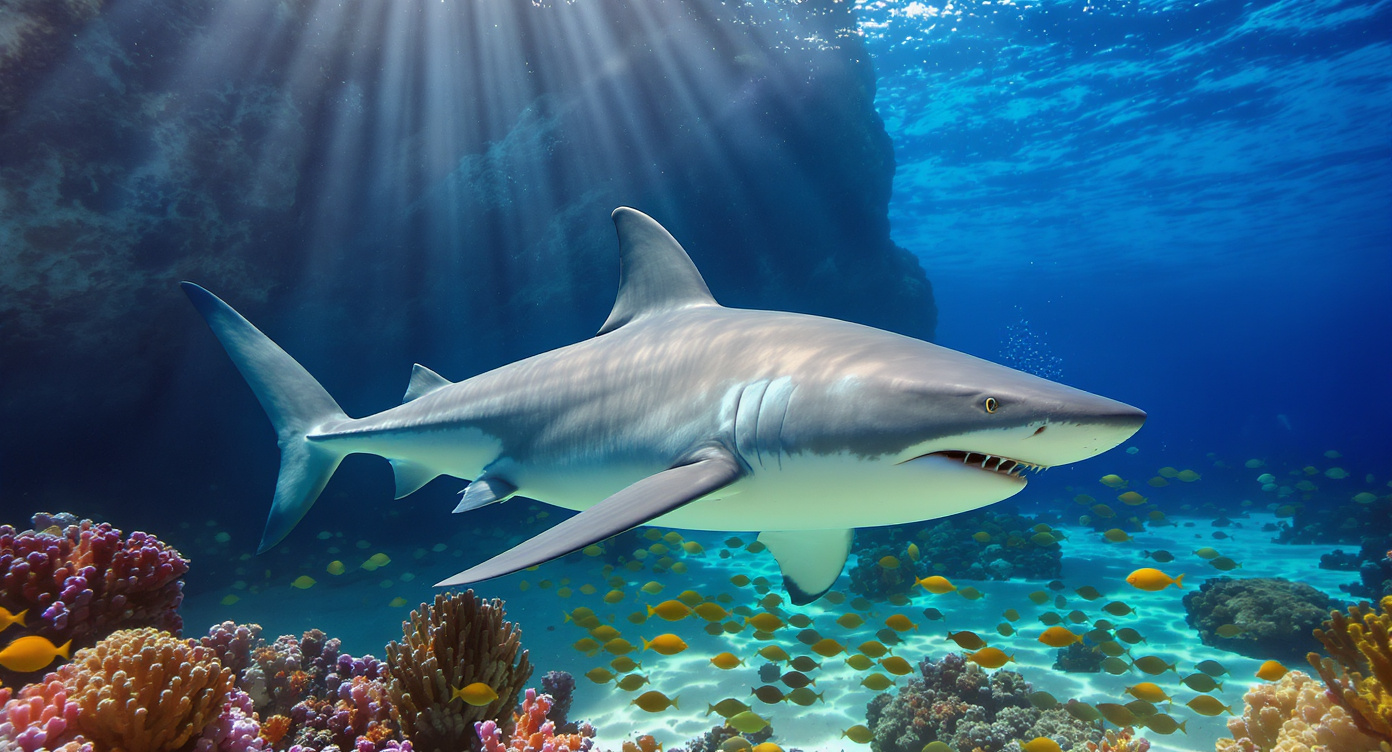
The rare capture of a young great white shark off the eastern coast of the peninsula has confirmed that this species still inhabits the Mediterranean Sea. Research highlights the importance of monitoring and protecting these predators for the health of the region's ecosystems.

 Ingenium