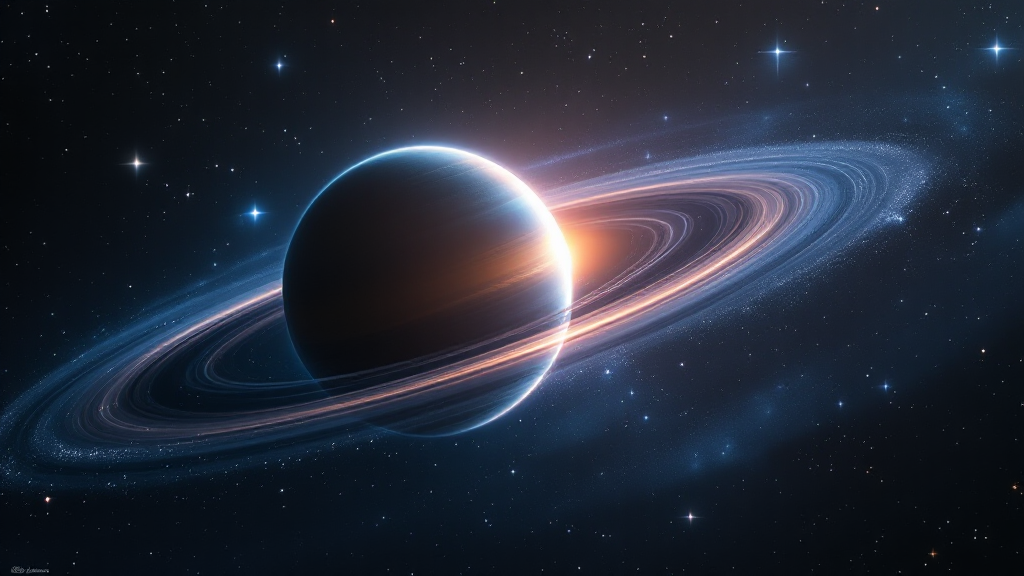
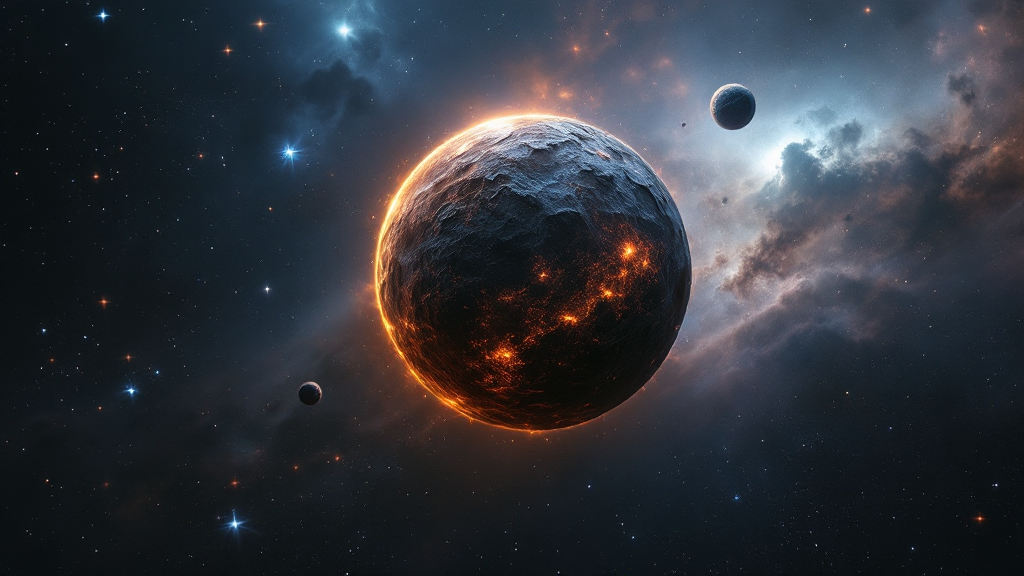
Astronomers have, for the first time, detected radio signals coming directly from the exoplanet β Pictoris b. These signals are of natural origin and are associated with auroras, allowing scientists to estimate the planet's powerful magnetic field.
Astronomers have confirmed the discovery of the youngest known exoplanet, Elias 2-24 b, which is less than a million years old. This finding provides valuable insights into the early stages of planet formation.
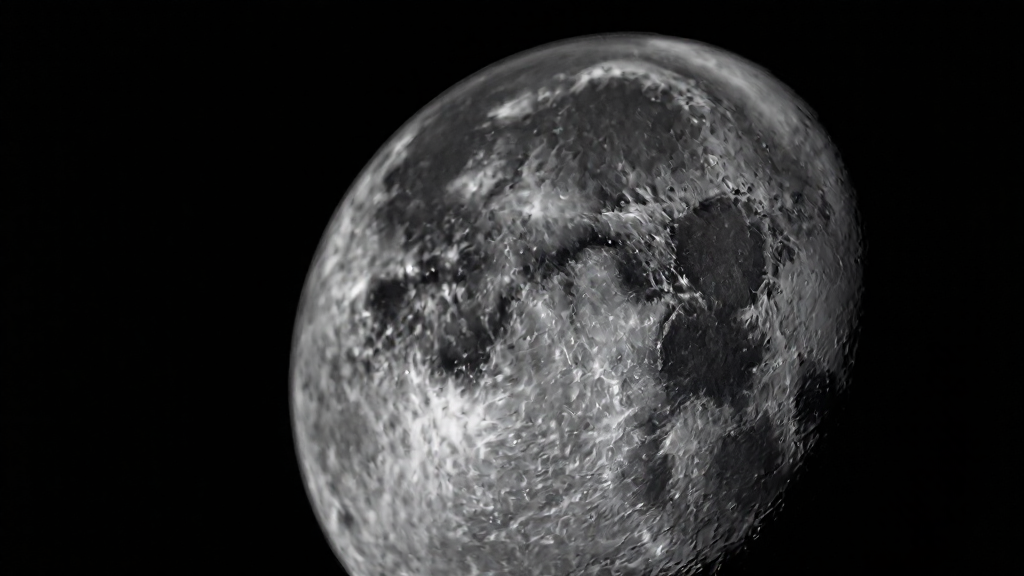
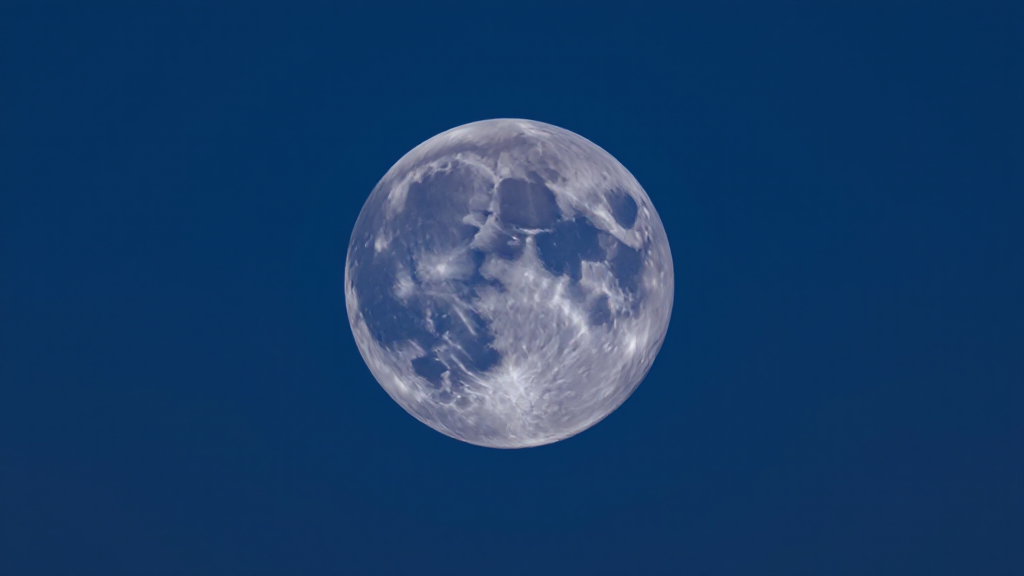
Astronomers have discovered a new large crater on the Moon, measuring 222 meters in diameter, which appeared in 2024. Studying this crater could provide valuable insights into collisions involving large objects and help in planning future lunar missions.
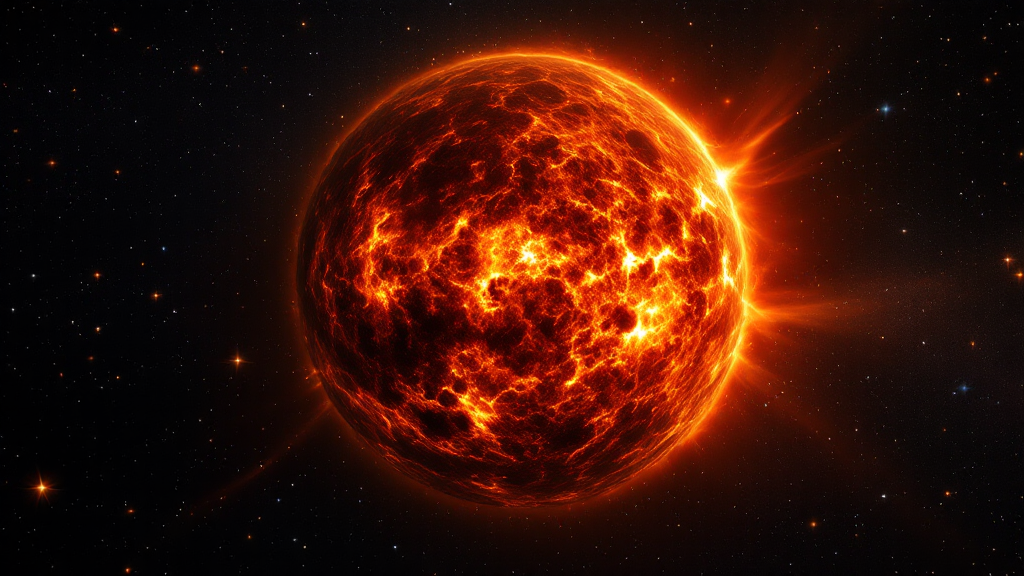
Recent observations of Betelgeuse using the ALMA radio telescope have revealed an unusually lumpy surface and hot regions associated with plasma movement. These features may indicate the final stages of the star's evolution, suggesting that it could explode as a supernova in the future.
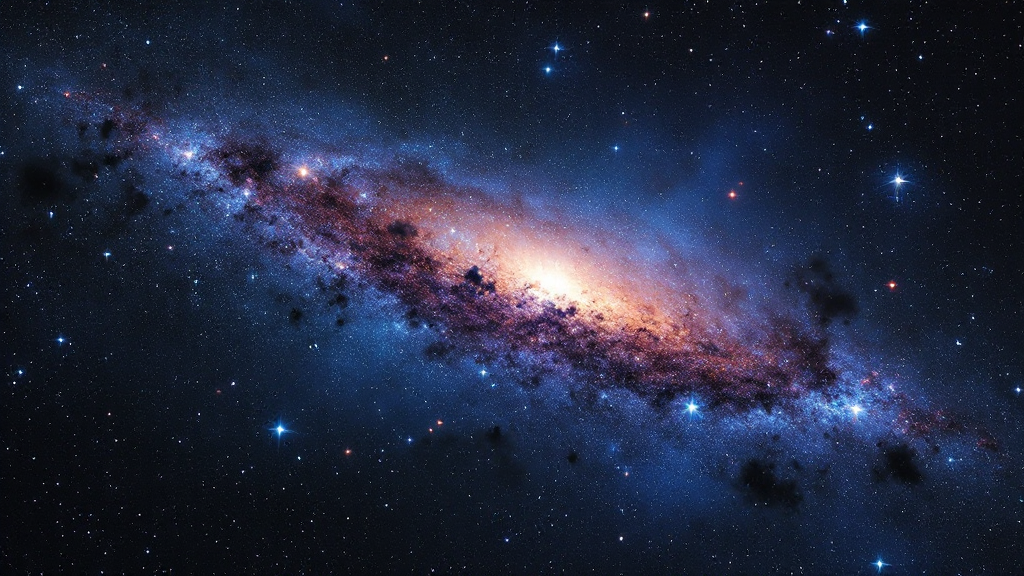
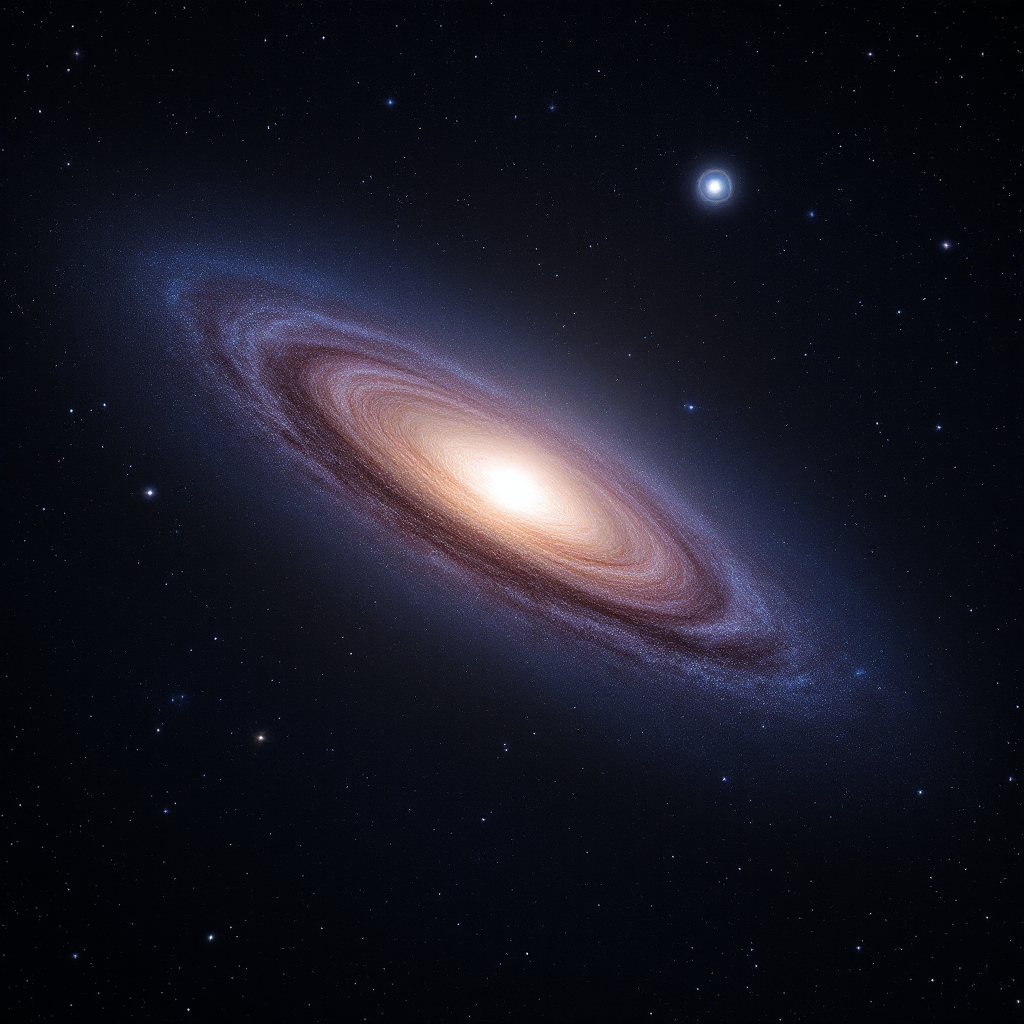
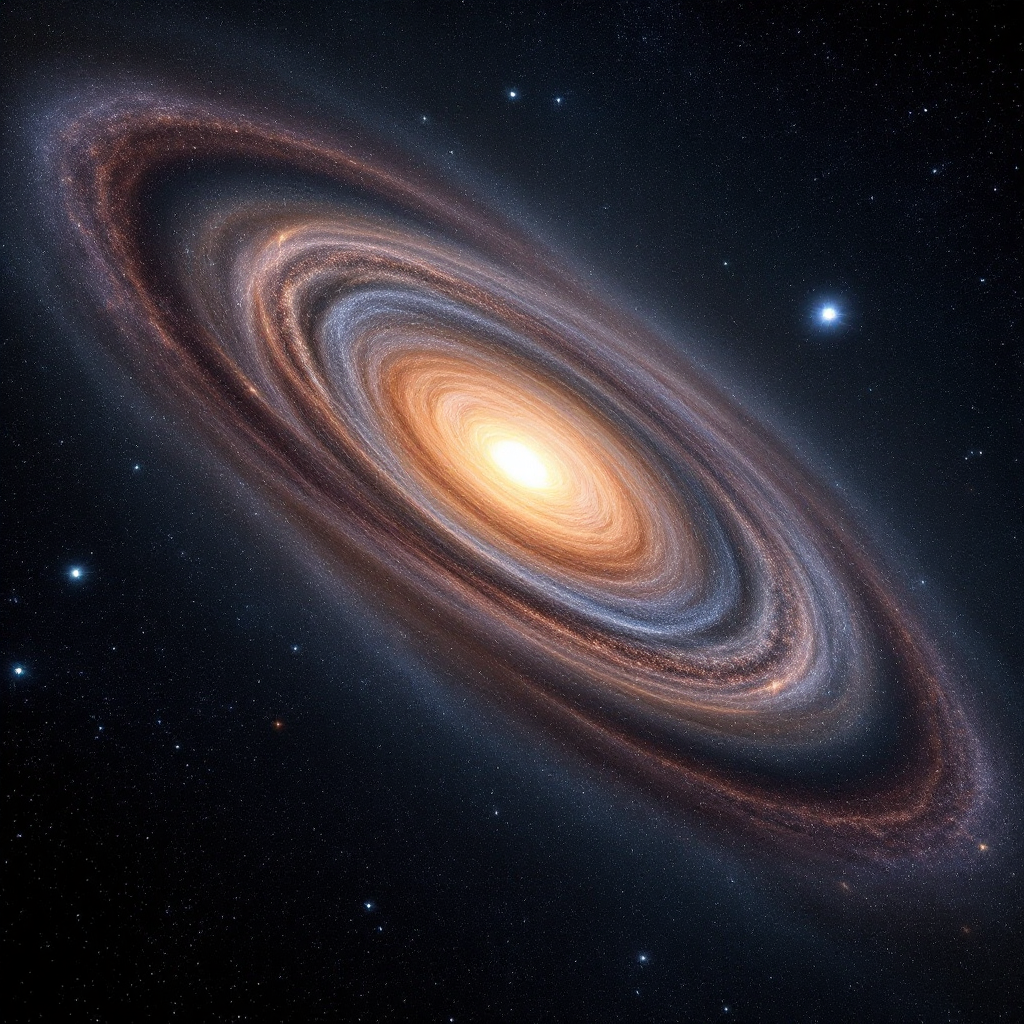
Recent studies using the Hubble Telescope have revealed that the Milky Way merged with other galaxies in the past, which significantly influenced its structure and evolution.
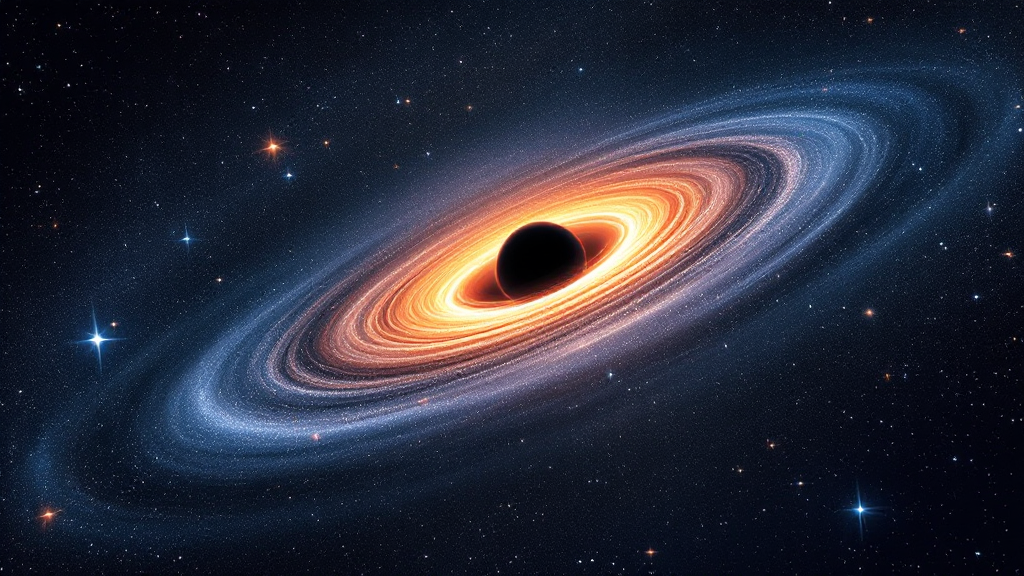
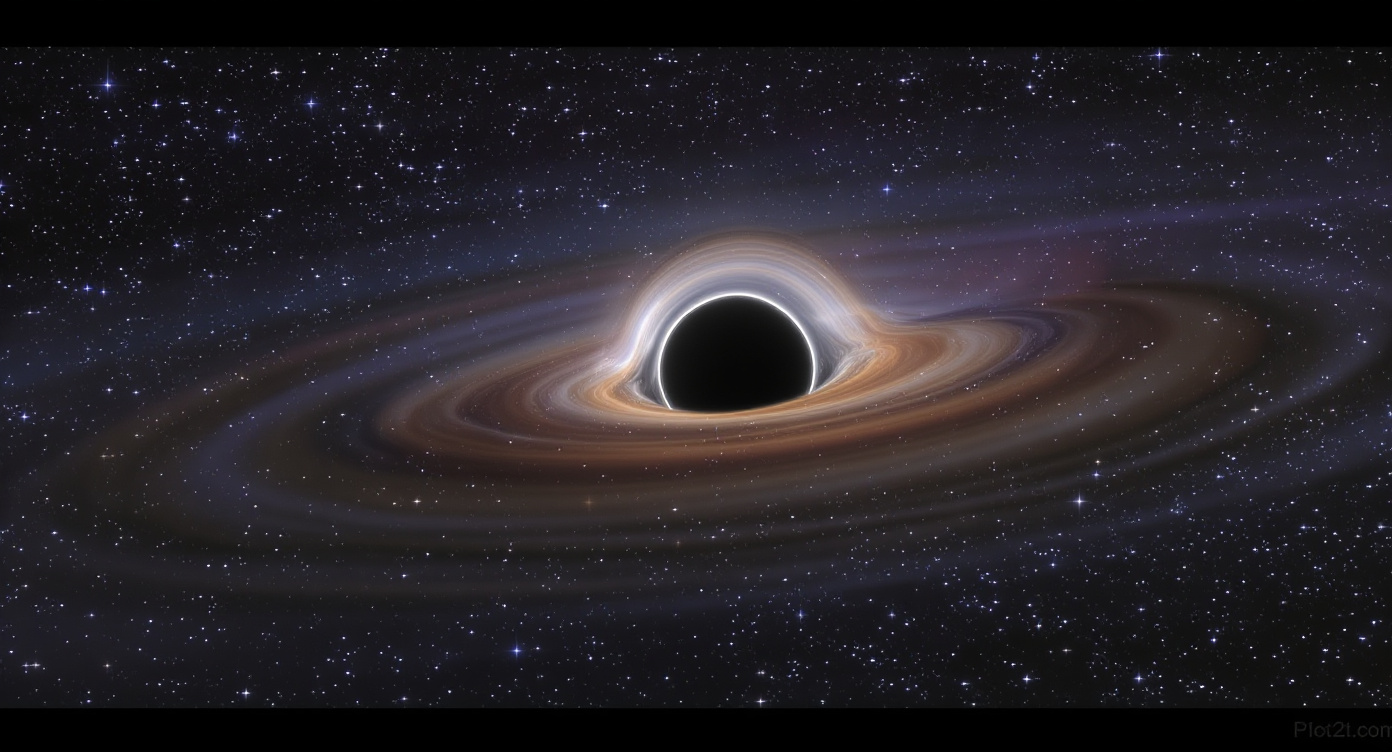
Astronomers have discovered a unique object, S301, moving along an elongated orbit around the supermassive black hole at the center of the Milky Way. Its distinctive features may help scientists measure the rotation of the black hole Sagittarius A* for the first time.
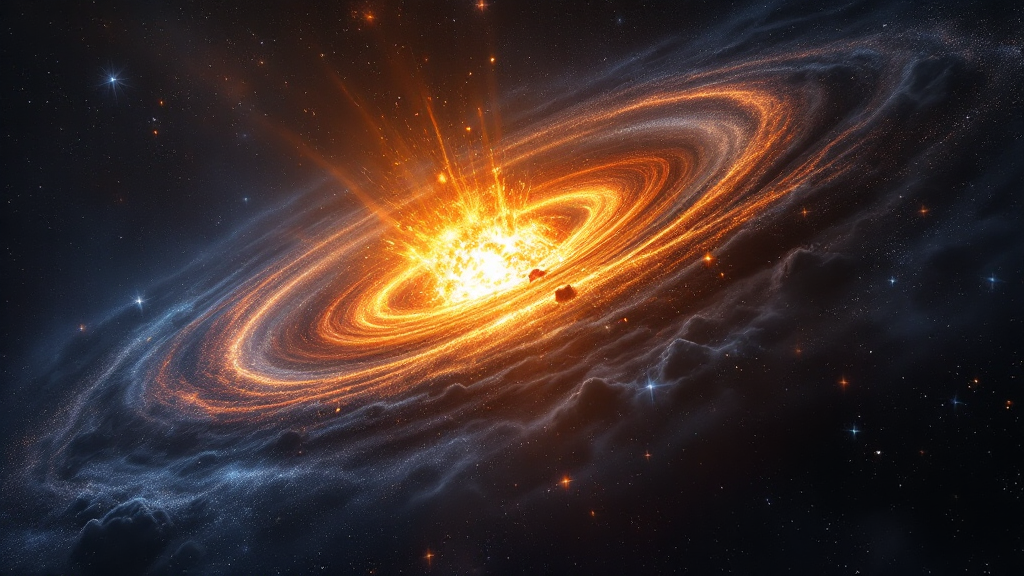
Astronomers have observed an unusually bright flare on the outskirts of a distant galaxy, triggered by a supermassive black hole destroying a star. This discovery raises new questions about the origins of such phenomena outside the centers of galaxies.
Astronomers have, for the first time, observed the early stages of the explosion of the supernova SN 2026gzf in a distant galaxy located 500 million light-years from Earth. What makes this event unique is the unusually weak shock wave and the absence of any signs of a gamma-ray burst, which calls for further investigation.
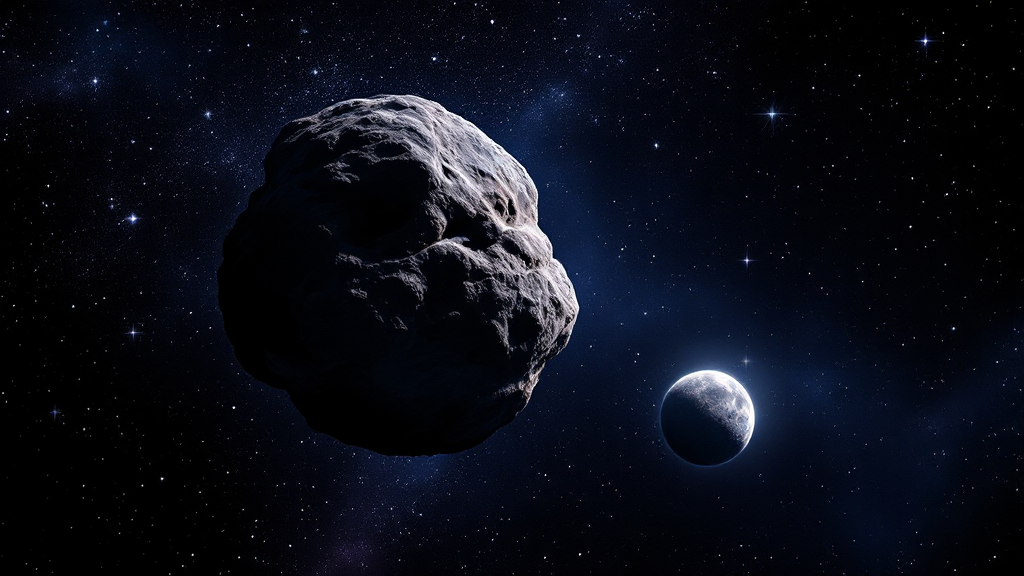
Astronomers have, for the first time, determined that asteroid 44 Nysa is composed of three distinct parts, making it unique among known asteroids. The origin of such a structure remains a mystery.
In August 2026, the upper stage of a Falcon 9 rocket will collide with the Moon, creating a crater and scattering debris. Astronomers plan to observe and document this event using telescopes and orbital spacecraft.
Astronomers have discovered a new pulsar, PSR J0125−5854, located about 3,200 light-years from Earth. This object rotates more slowly than previously known pulsars and may possibly be part of a binary system with a white dwarf.
Астрономы впервые обнаружили атмосферу у экзопланеты, похожей на Землю и находящейся в обитаемой зоне. Планета LHS 1140 b может быть пригодна для жизни, но её состав и наличие океанов пока остаются неясными.
Astronomers have discovered a new pulsar, PSR J0125−5854, located about 3,200 light-years from Earth. This object rotates more slowly than previously known pulsars and may be part of a binary system with a white dwarf.
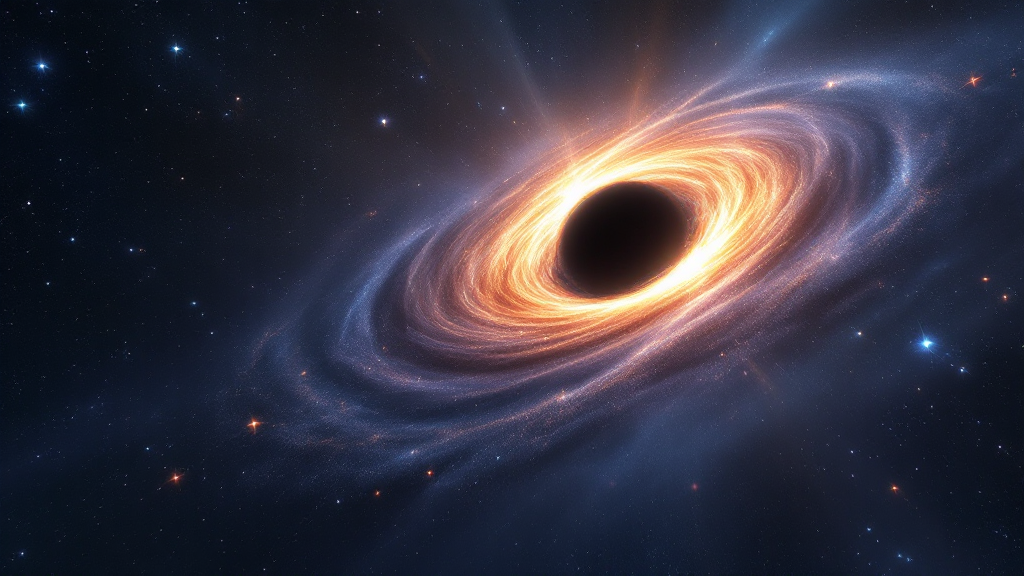
Astronomers have discovered a black hole in a distant galaxy with a mass of about 50 billion solar masses—making it one of the most massive ever found. There may also be another supermassive black hole in the same galaxy.
Astronomers have identified 45 rocky exoplanets located in habitable zones that may possess conditions suitable for life. This discovery will help refine the search for life in the universe and expand our understanding of the cosmos.

 Cursus