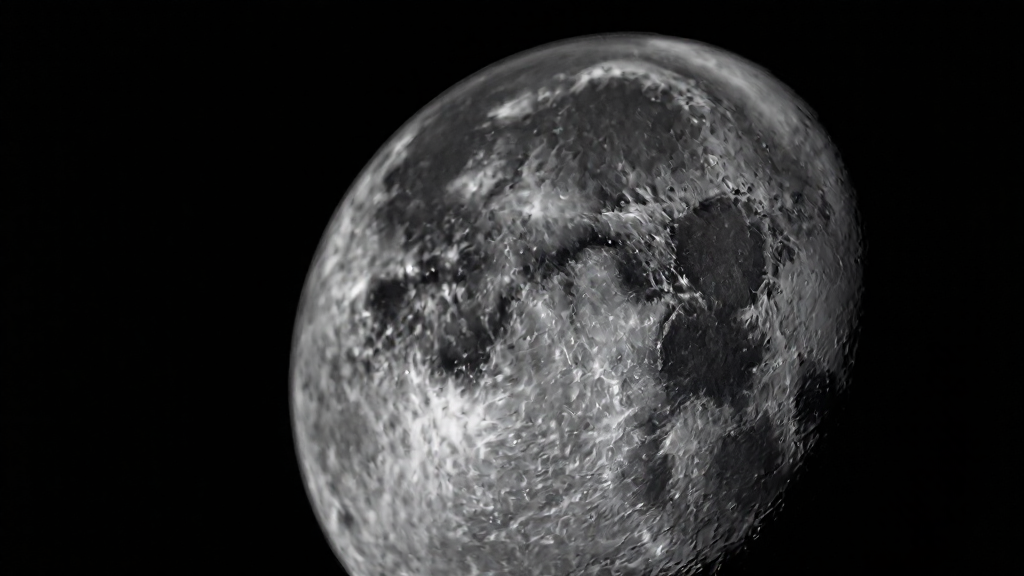
Astronomers have discovered a new large crater on the Moon, measuring 222 meters in diameter, which appeared in 2024. Studying this crater could provide valuable insights into collisions involving large objects and help in planning future lunar missions.
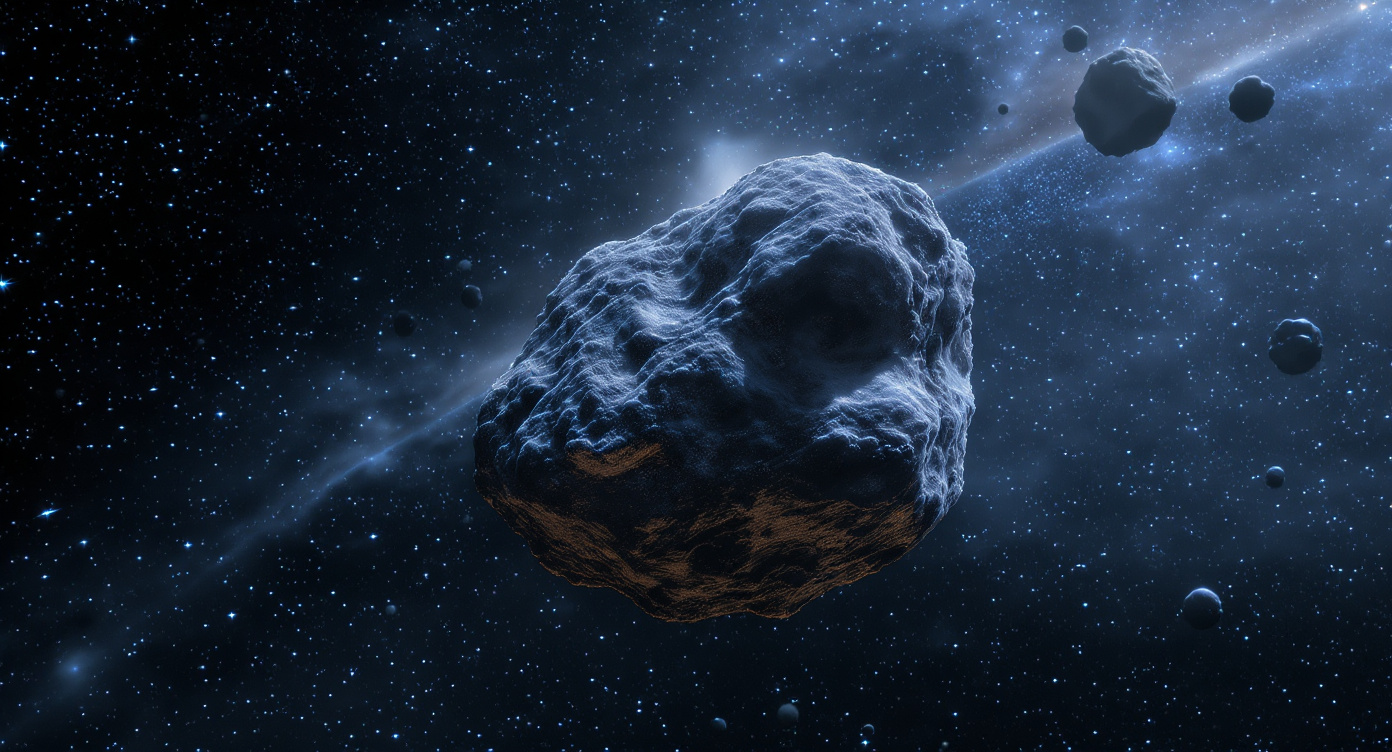
Astronomers have, for the first time, determined that asteroid 44 Nysa is composed of three distinct parts, making it unique among known asteroids. The origin of such a structure remains a mystery.
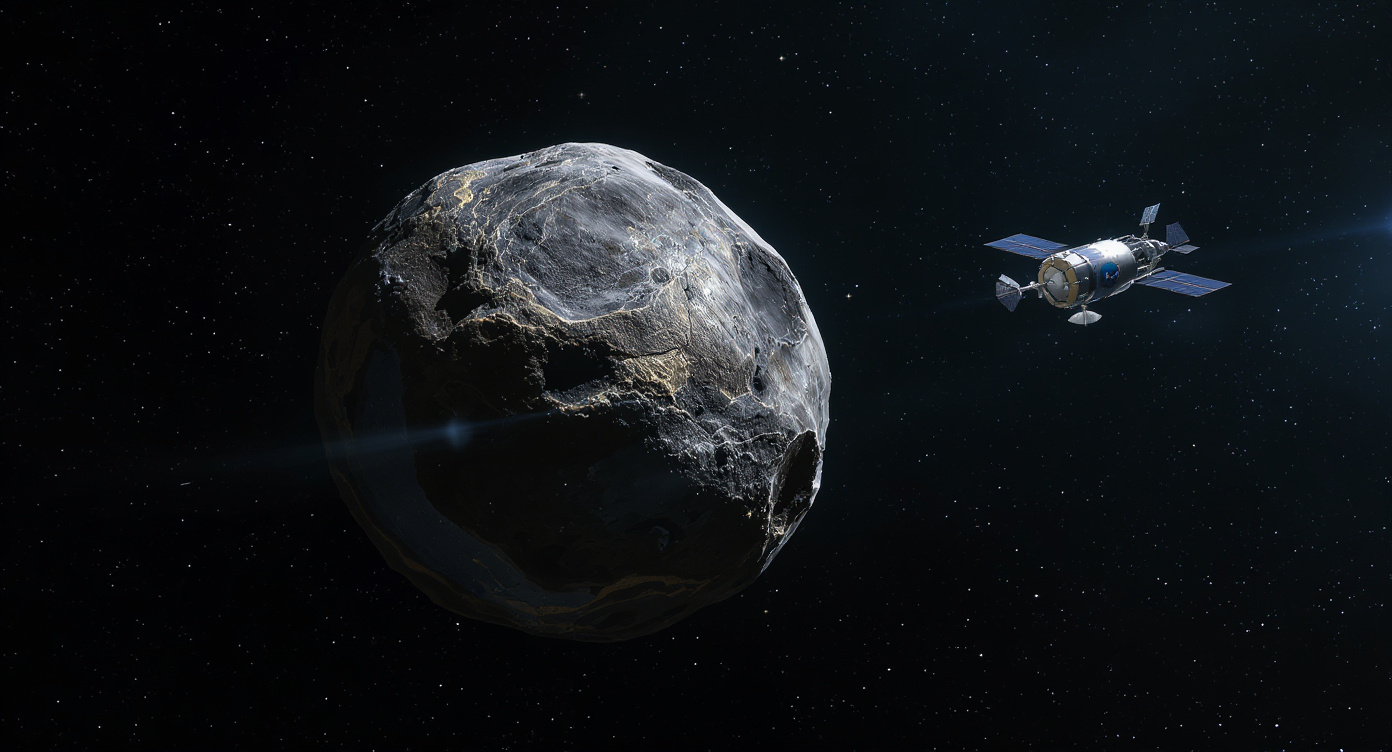
The asteroid Psyche, the largest metallic object in the belt between Mars and Jupiter, may be a fragment of a planetary core. A NASA mission launched in 2023 will help uncover its origin and structural features.
Studies of the asteroid Ryugu have revealed the presence of all the nucleobases that make up DNA and RNA, strengthening the hypothesis that key components for life could have been delivered to Earth from space. This discovery supports the idea that essential molecules for life can form outside our planet.
New observations from the James Webb Telescope have shown that asteroid 2024 YR4 will not collide with the Moon in 2032. The threat to the Moon and nearby satellites has been completely ruled out.
An analysis of soil from the asteroid Bennu has shown that amino acids can form in extremely cold conditions, not just in hot interiors. This discovery broadens our understanding of the possible pathways for the emergence of life in the universe.
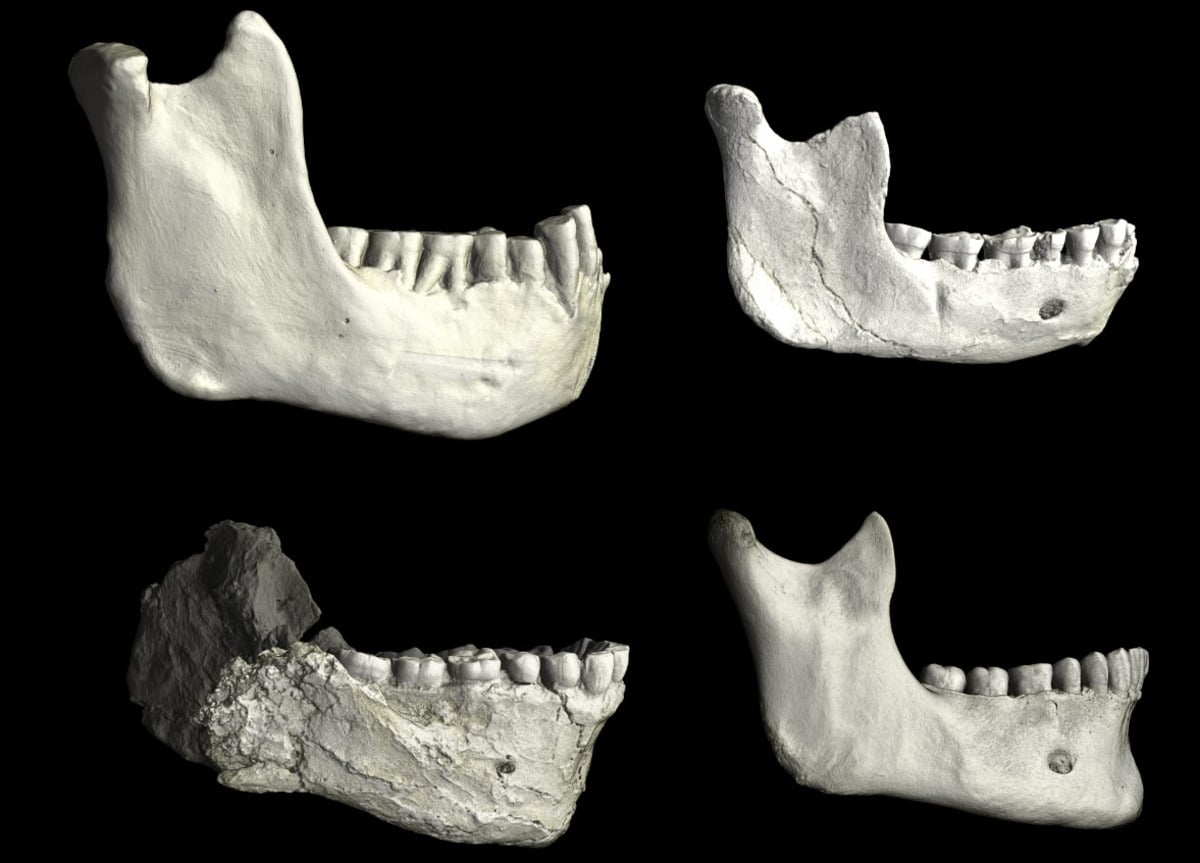
Recent discoveries in Morocco suggest that the ancestors of Homo sapiens may have originated in North Africa rather than Europe, which changes our understanding of the origins of modern humans.
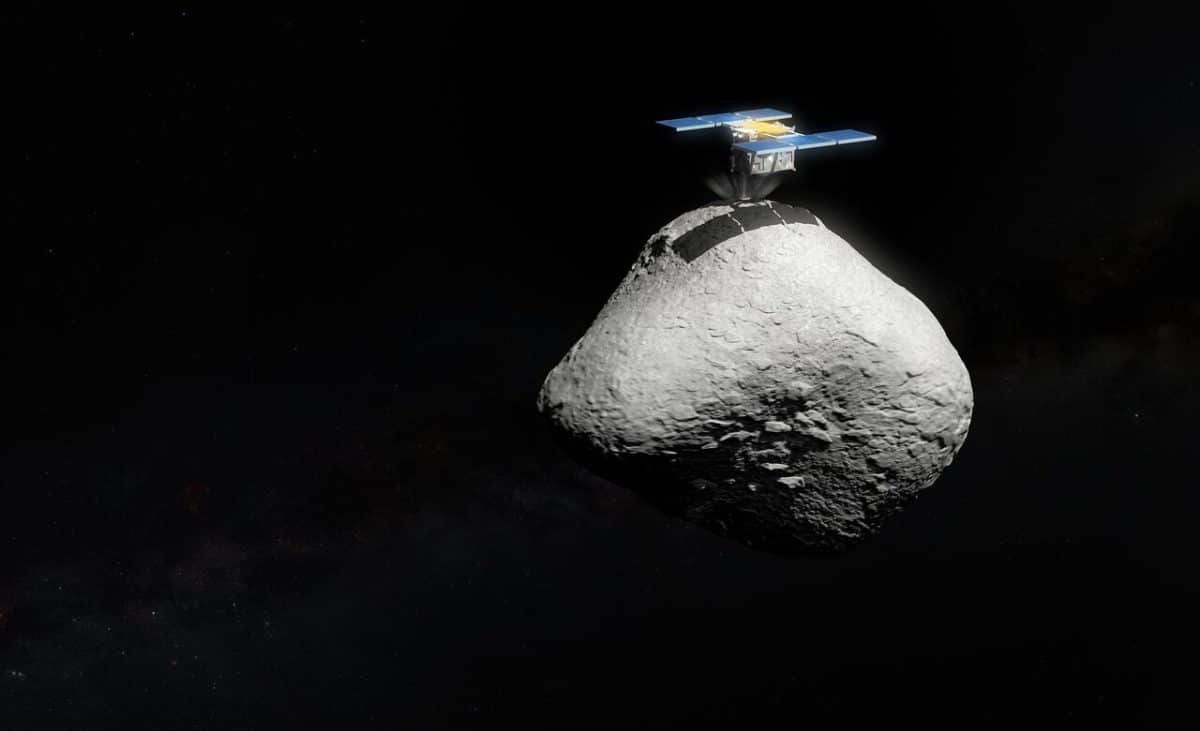
New observations have revealed that asteroid 1998 KY26, the target of the Hayabusa2 mission, is three times smaller and rotates twice as fast as previously thought. This discovery complicates the mission and requires a revision of the scientific plans.
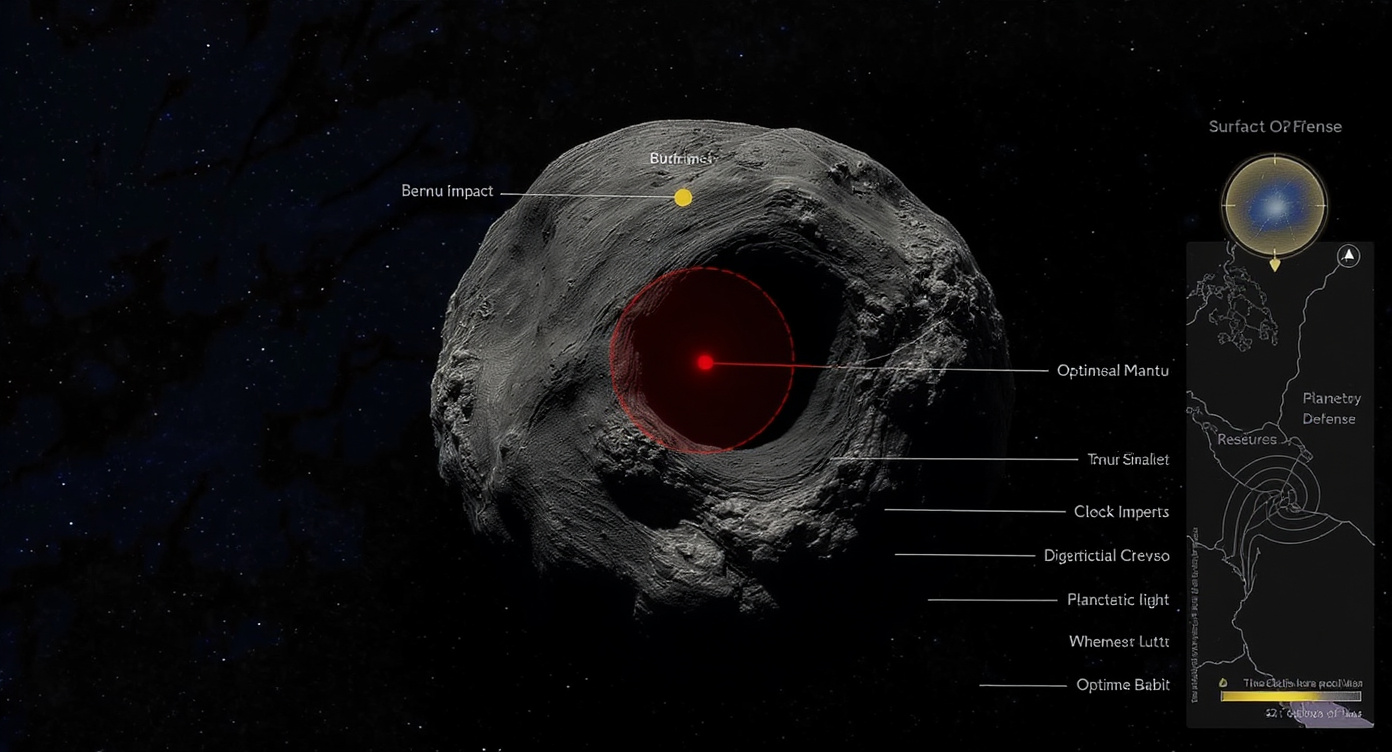
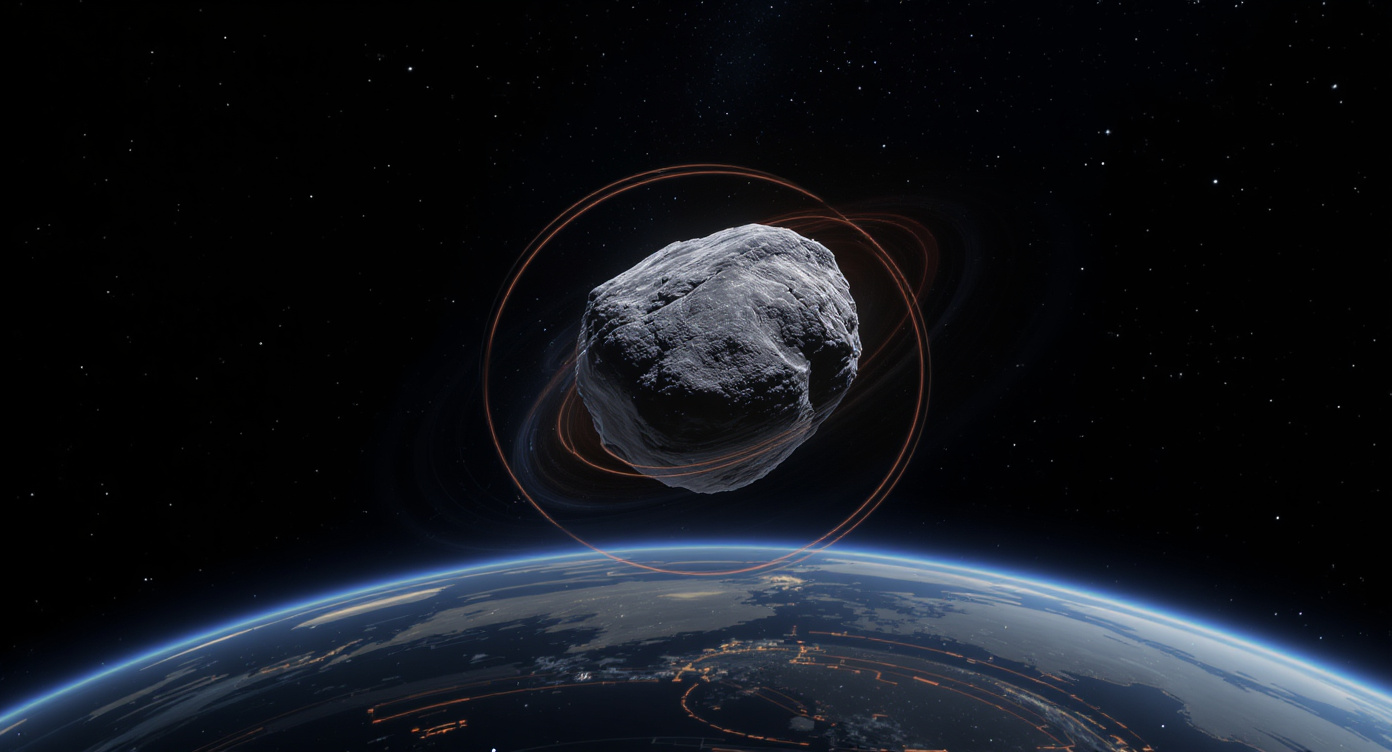
Even a successful asteroid deflection does not always guarantee the elimination of threats to Earth—it is crucial to precisely choose the impact point to minimize the risk of a future close encounter. Scientists are developing algorithms and using data from the asteroid Bennu to improve the effectiveness of planetary defense strategies.
A new study has shown that, to effectively deflect dangerous asteroids, it is crucial to precisely choose the impact site. This helps prevent the asteroid from returning to a hazardous orbit and ensures the long-term protection of Earth.

 Cursus