

The largest crater in recent years has been discovered on the Moon.
Astronomers have discovered a new large crater on the Moon, measuring 222 meters in diameter, which appeared in 2024. Studying this crater could provide valuable insights into collisions involving large objects and help in planning future lunar missions.
Cursus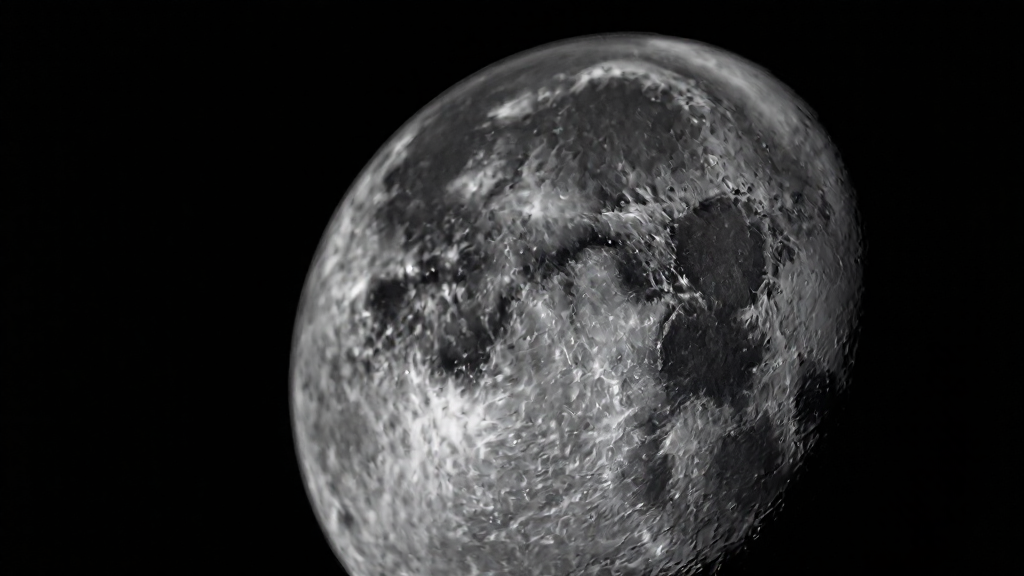
Recently, a large new crater was discovered on the surface of the Moon, which appeared in 2024. Following this discovery, there are plans to send an automated probe to the impact site to conduct further research.
After identifying the crater formed by the fall of the upper stage of the Falcon 9 rocket, astronomers detected another large crater that had previously gone unnoticed. The diameter of this new formation is 222 meters, with an estimated depth of about 43 meters, making it the largest known crater to have formed in the Solar System in recent years. It was discovered in 2025 using data from NASA's Lunar Reconnaissance Orbiter. Additional observations were carried out to confirm the existence of the crater.
The crater has been named MacGechin. Scientists believe it was created by the impact of a fragment of an asteroid or comet, with a size comparable to a three- or six-story building. The collision ejected material and dust over a distance of more than 100 kilometers from the epicenter.
The appearance of such a crater is considered a rare event, occurring roughly once every 132 years. These phenomena are of great interest for astronomical research and may be taken into account when planning future lunar bases.
Since the exact moment of impact was not recorded, the new crater could provide valuable information about the processes that occur when large objects collide with the Moon’s surface. There are plans to study the impact site using robotic systems to assess the risks associated with debris dispersal and to gain a deeper understanding of the consequences of such events.