At Southern Illinois University, researchers have developed a method to convert plastic and plant waste into a protein-rich food product using genetically modified yeast. The project is currently at the proof-of-concept stage and requires further research to assess its safety and practical applications.
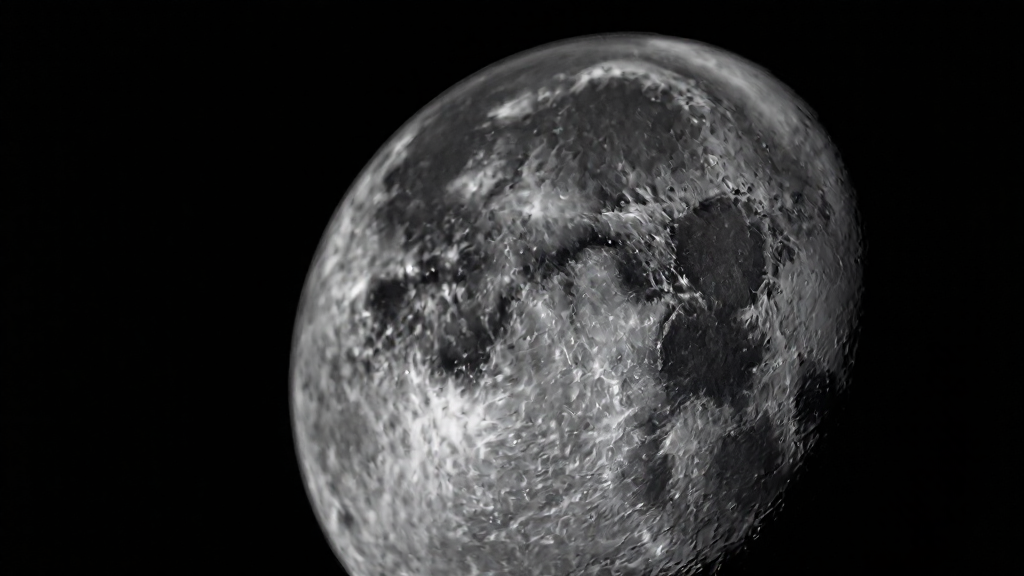
Astronomers have discovered a new large crater on the Moon, measuring 222 meters in diameter, which appeared in 2024. Studying this crater could provide valuable insights into collisions involving large objects and help in planning future lunar missions.
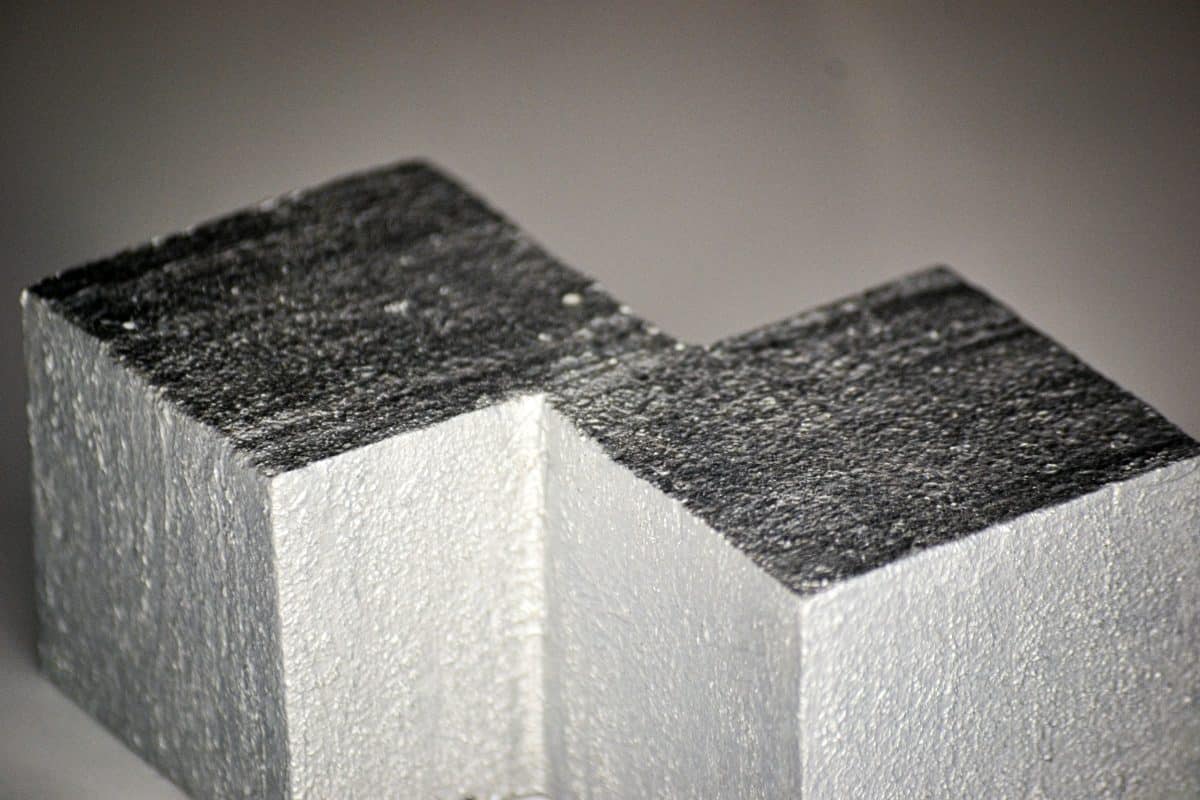
В вакууме космоса металлические детали могут самопроизвольно свариваться без нагрева, что представляет угрозу для космической техники. Для предотвращения этого инженеры используют специальные покрытия и смазки.
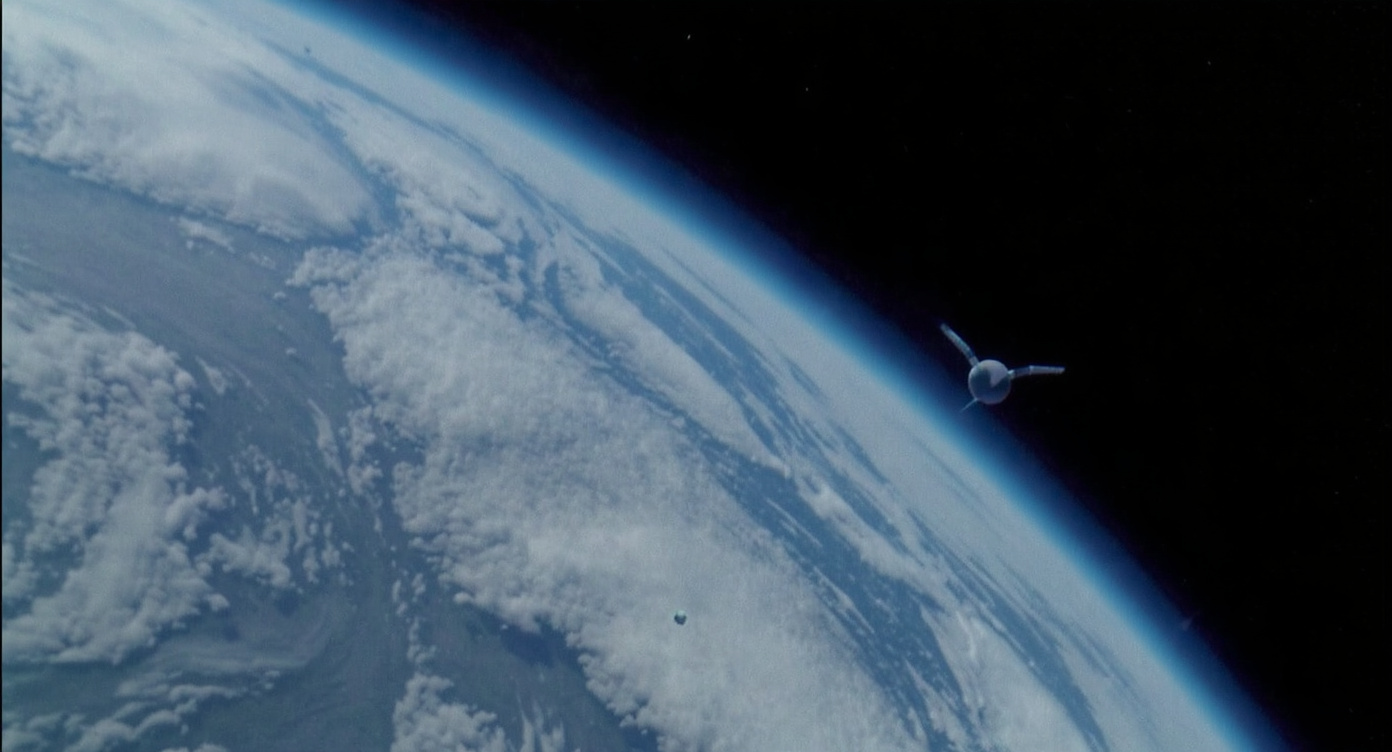
After the completion of the Artemis II mission, NASA specialists are conducting a thorough analysis of the collected data, confirming the successful operation of key systems. The results obtained pave the way for the next stages of the program, including preparations for Artemis III and future crewed expeditions to the Moon and Mars.
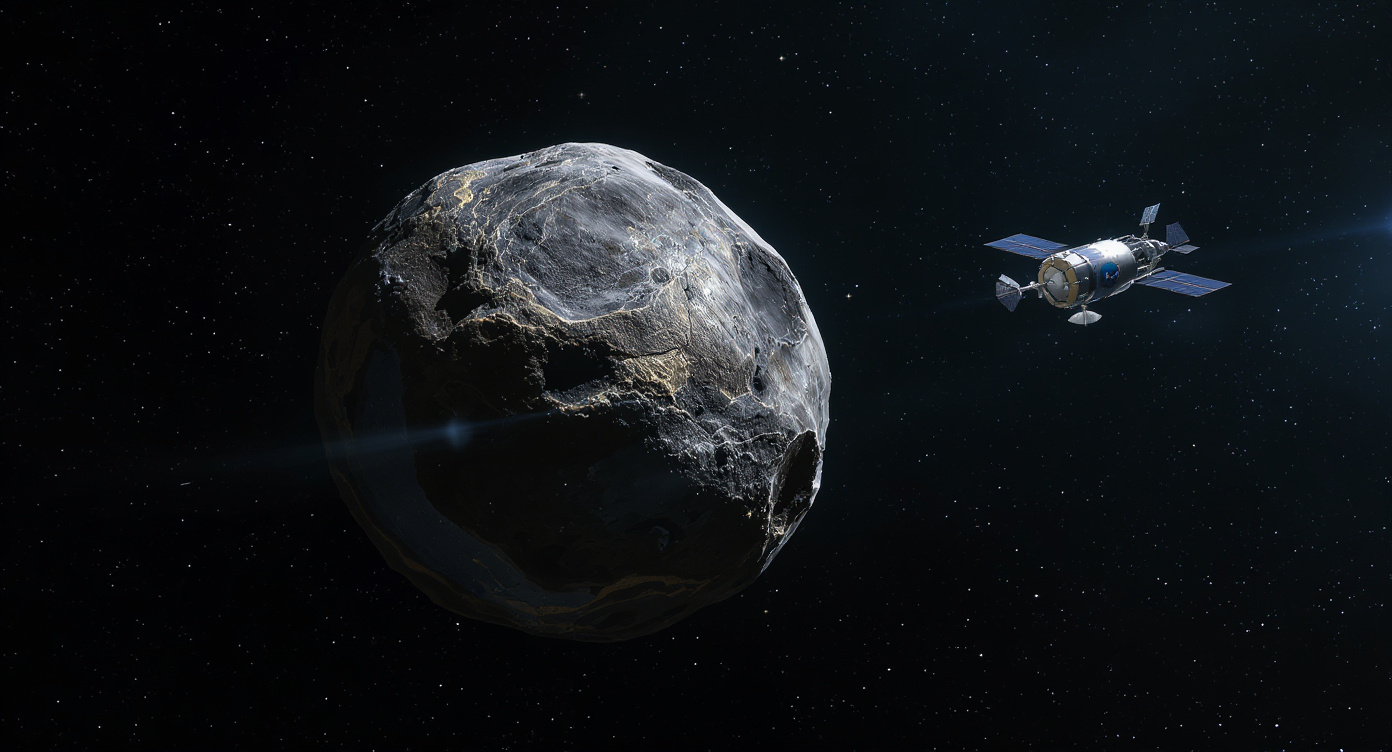
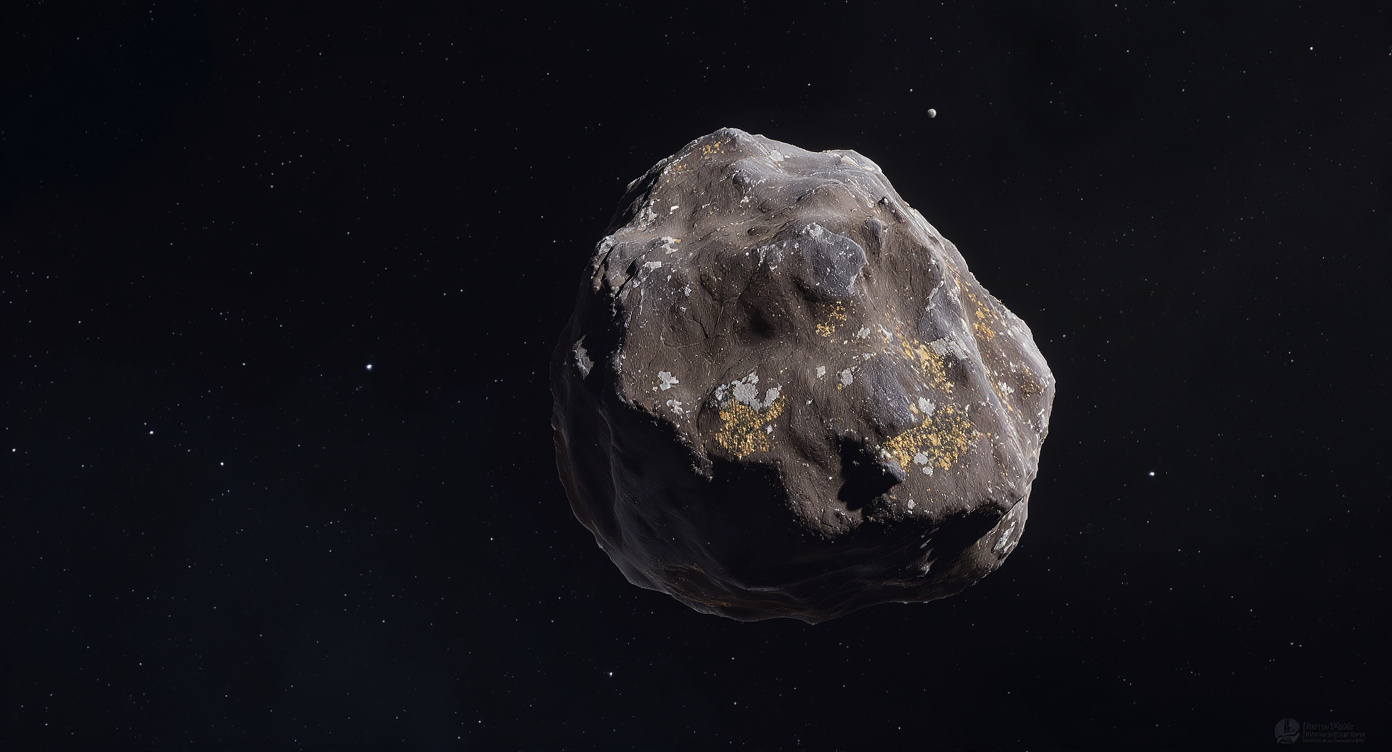
The asteroid Psyche, the largest metallic object in the belt between Mars and Jupiter, may be a fragment of a planetary core. A NASA mission launched in 2023 will help uncover its origin and structural features.
New observations from the James Webb Telescope have shown that asteroid 2024 YR4 will not collide with the Moon in 2032. The threat to the Moon and nearby satellites has been completely ruled out.
During the 2024 solar eclipse, volunteers across the United States collected tens of thousands of images for NASA's Eclipse Megamovie project. This data will help scientists gain deeper insights into the dynamics of the solar corona and improve space weather forecasting.
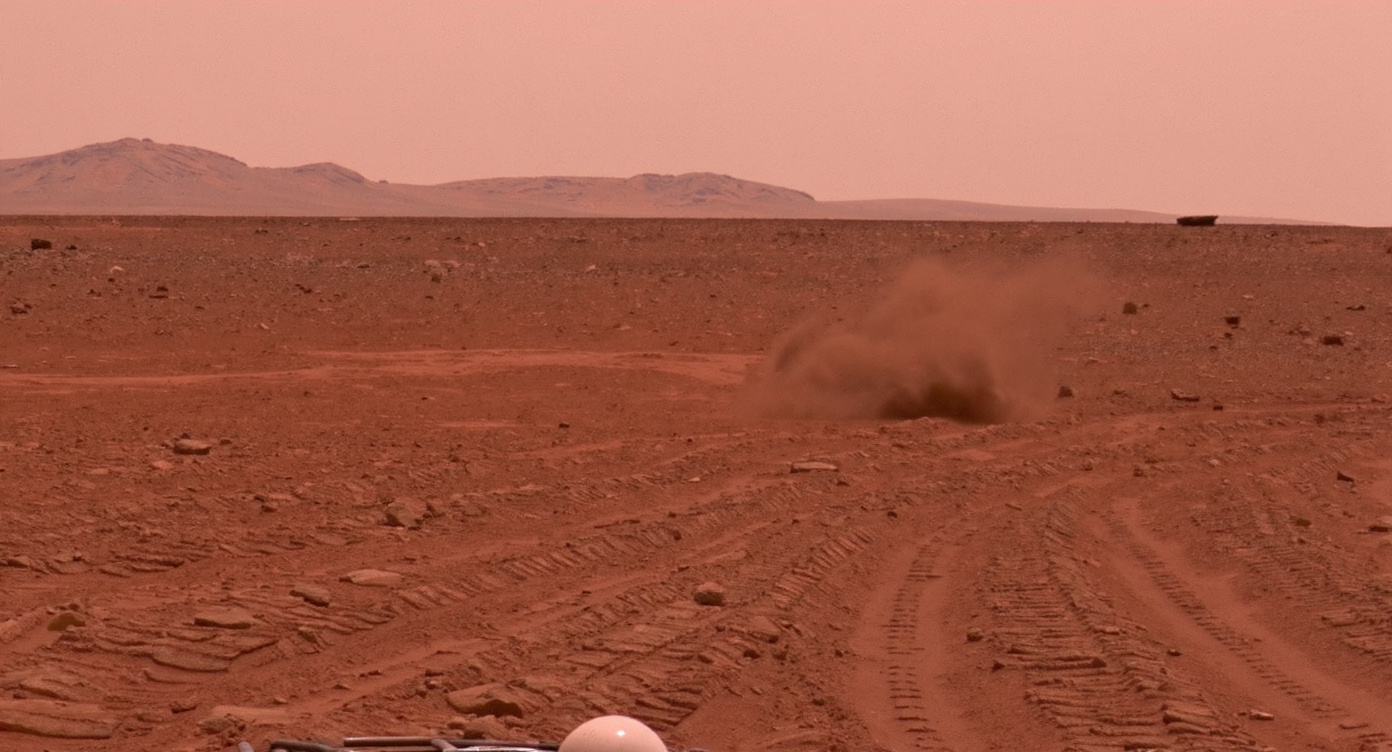
The Perseverance rover has used a new technology for the first time that allows it to independently determine its exact location on Mars by comparing its own photos with orbital images. This advancement speeds up navigation and reduces delays when moving across the planet's surface.
Water samples collected from a depth of 1,120 meters beneath the Antarctic ice will help scientists model the processes occurring on the icy moons of planets. This research is crucial for the search for life beyond Earth.
A NASA satellite has captured a vivid aurora over the Danish Strait and eastern regions of Canada, triggered by a mild geomagnetic storm. The new mission will help scientists gain deeper insights into such phenomena.
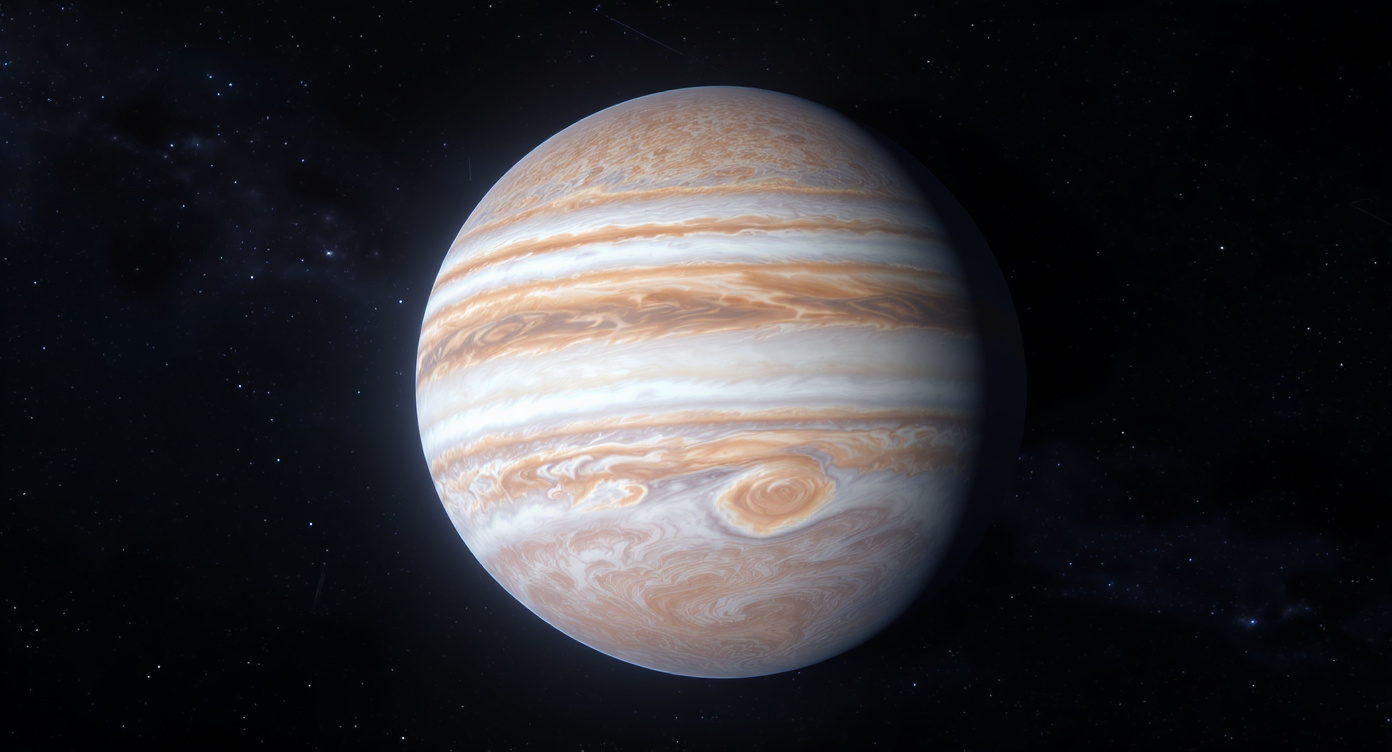
New measurements from a NASA probe have revealed that Jupiter is slightly smaller and more flattened than previously believed. This data will help scientists study the planet's atmosphere and internal structure with greater accuracy.
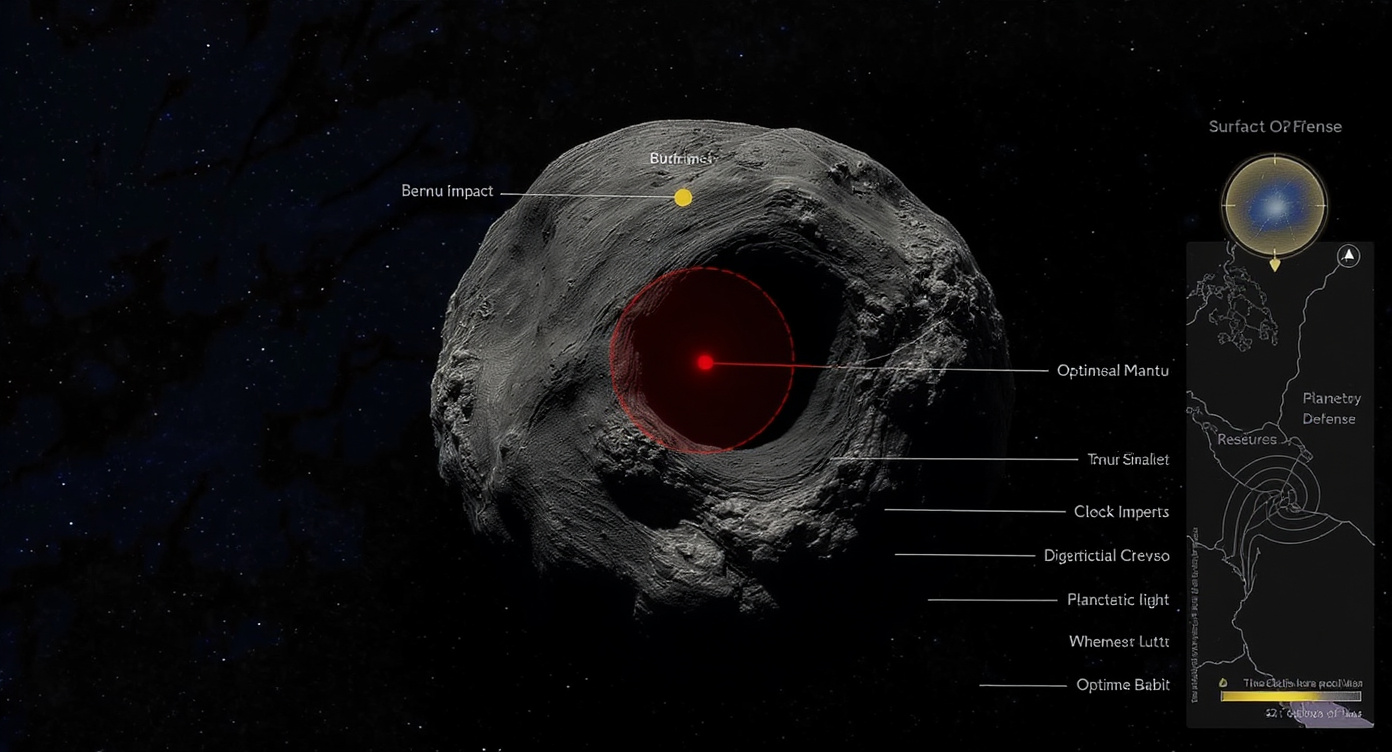
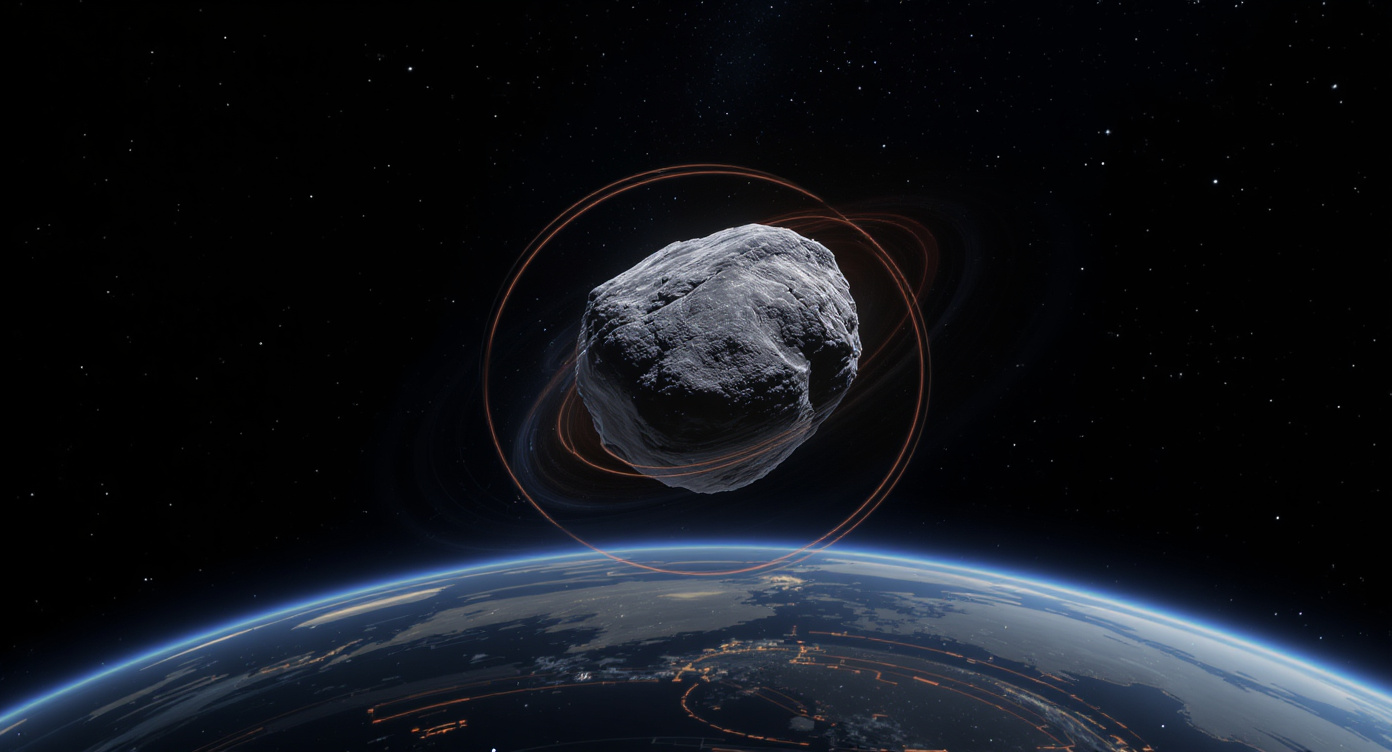
Even a successful asteroid deflection does not always guarantee the elimination of threats to Earth—it is crucial to precisely choose the impact point to minimize the risk of a future close encounter. Scientists are developing algorithms and using data from the asteroid Bennu to improve the effectiveness of planetary defense strategies.
A new study has shown that, to effectively deflect dangerous asteroids, it is crucial to precisely choose the impact site. This helps prevent the asteroid from returning to a hazardous orbit and ensures the long-term protection of Earth.
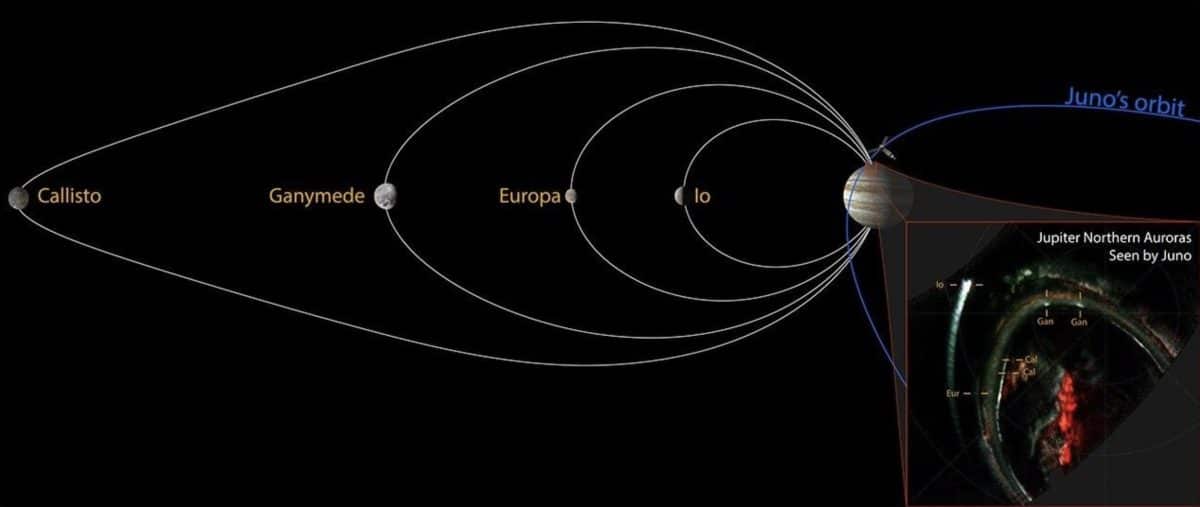
The Juno spacecraft has, for the first time, detected traces of Callisto, one of Jupiter’s moons, in the planet’s atmosphere, thus completing the “portrait” of all the Galilean satellites. This discovery deepens our understanding of how these moons interact with Jupiter’s magnetosphere.


 Cursus